Key Takeaway
Cedar fence panels are preassembled wood sections, typically 6 feet high by 8 feet wide, that offer natural rot resistance, privacy, and faster installation than site-built fencing. Cedar heartwood resists decay and discourages termites, but panel quality varies widely by species, grade, and rail count. Check actual dimensions, fastener type, and heartwood content before buying, and budget for routine cleaning and staining every two to three years.
A cedar fence panel is a preassembled fence section: boards or pickets already fastened to horizontal rails, ready to hang or set between posts. Panels give you a warm natural look, real privacy and security, and a faster install than building board by board. But quality swings wildly from product to product, and the word “cedar” on the tag tells you almost nothing about what you’re actually buying. Panels are commonly sold in heights from 3 to 6 feet, with 6 feet by 8 feet being the most familiar format.
If you’re standing in front of a stack of panels (or scrolling a product page) trying to work out which one still looks good in ten years, this guide is for you. Most people buy one or two fences in a lifetime. It’s a real purchase, and it deserves more than a glance at the price tag.
Are Cedar Fence Panels a Good Choice?

For a lot of homeowners, yes. Cedar naturally resists rot and decay, it’s less prone to warping and shrinking than high-moisture woods, it’s biodegradable, and with real care a cedar fence can last for decades. Panels are marketed on easy installation, and on a flat, straight run that’s a fair claim. They add speed, curb appeal, and a uniform look.
The honest qualifier: the panel is one part of a fence system, and rigid panels fight you on slopes and irregular property lines. Judge the whole panel and the whole fence, not the word on the label.
What Is a Cedar Fence Panel?
In a prefabricated panel, the boards are attached to rails before the section ever reaches your yard. You then hang or set completed sections between posts. A site-built fence works the other way around: posts and rails go in first, and each board is cut and fastened in place on the property.
Three distinctions matter before you commit:
- Fully assembled vs. assembly-required. Some “panels” arrive as kits of loose boards and rails.
- Framed vs. flat panels. A framed panel has a perimeter frame; a flat panel is boards on rails only.
- Real cedar vs. cedar-colored composite. Search results and store aisles mix genuine wood with composite products offered in a cedar tone.
Western Red Cedar Association guidance describes typical prebuilt construction as nominal 1×6 boards on nominal 2×4 rails. Typical, not universal. Plenty of current products use thinner boards or fewer rails.
Benefits and Limitations of Cedar Fencing
What cedar does well
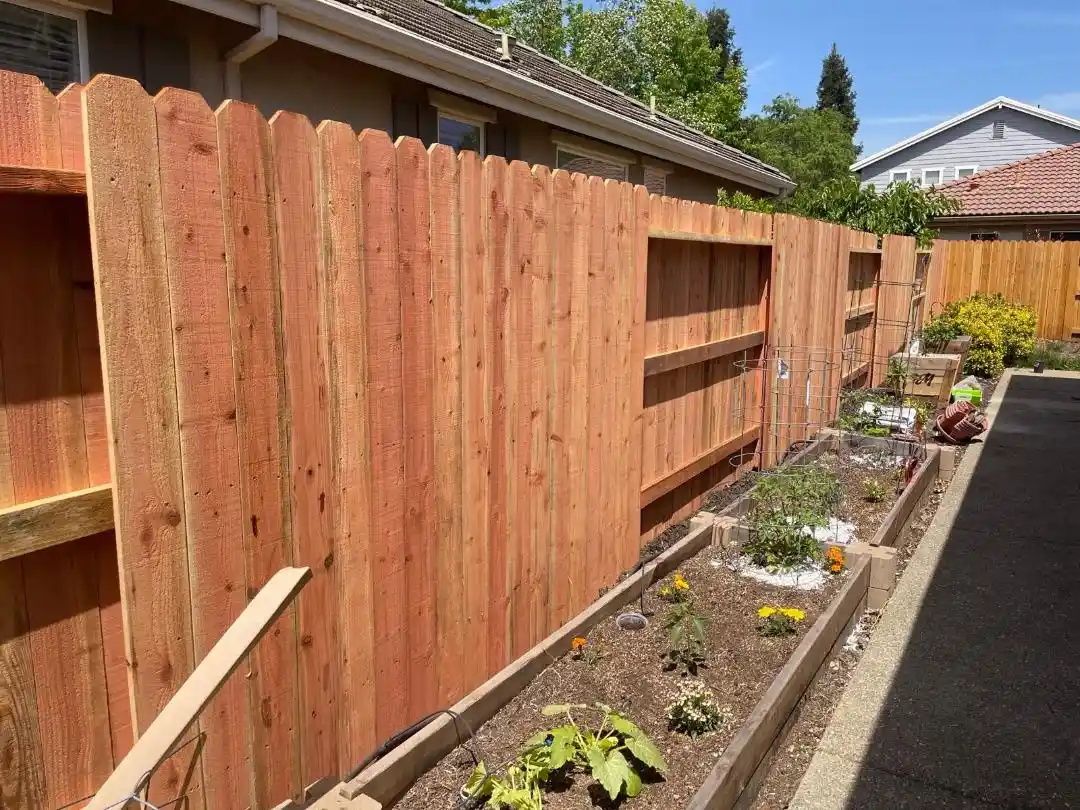
Cedar looks good with almost no help. It’s dimensionally stable once dried, which means less shrinkage and cupping than you’d get from wetter, cheaper woods like common pine. Its heartwood carries meaningful decay resistance, and the natural oils in the wood discourage termites and wood-boring insects. It also comes in more patterns than any other fence wood: privacy, spaced picket, lattice, horizontal, tongue-and-groove. That combination of looks and durability is why it stays a durable favorite in back yards across the region.
Where cedar needs honesty
Left unfinished, cedar ages to a silvery gray. Some people love it, some are surprised by it. The decay resistance lives mostly in the heartwood, not the sapwood, and the USDA Forest Products Laboratory is precise about this: Western redcedar heartwood is rated resistant to very resistant to decay, but the wood is not immune to termites or beetles. Rain also leaches those protective extractives over time. Cedar is combustible. And the 15 to 30 year lifespan you see quoted everywhere depends on posts, drainage, climate, fasteners, and maintenance. We won’t promise you a number, because nobody can.
Western Red Cedar Species and Grade: Why “Cedar” Alone Isn’t Enough
Several woods get sold as “cedar,” and they don’t perform identically. Within Western red cedar, material is graded clear or knotty. Clear has fewer visible natural characteristics and better consistency of color and grain. Knotty is more rustic and is not automatically inferior. What actually hurts a fence is loose or missing knots, splitting through fastener locations, and excessive wane along the board edges.
Surface texture varies too: rough-sawn, rougher-headed, surfaced four sides, surfaced one side and two edges. Texture changes how the wood takes a stain and how it weathers.
So ask for the species and grade in writing. Two panels with the same tag and the same shelf price can be genuinely different products.
Eight Things to Check Before You Buy a Cedar Fence Panel

- Cedar species. Ask which one. “Cedar” is a marketing word; the species determines performance.
- Grade and knot condition. Knotty is fine. Loose knots, missing knots, and splits at screw or nail locations are not.
- Heartwood vs. sapwood. Decay resistance is a heartwood property. Panels heavy in pale sapwood won’t behave like the brochure.
- Actual dimensions, not nominal. A nominal 2×4 rail dresses out around 1-9/16″ by 3-9/16″, and a nominal 4×4 post around 3-9/16″ square. Measure the panel itself before you lay out a single post.
- Rail material, thickness, and count. Some panels marketed as cedar use rails from a different species. Two rails on a 6-foot panel is thin; three is better.
- Corrosion-resistant fasteners. Hot-dipped galvanized, aluminum, or stainless. Cedar’s extractives react with unprotected iron and leave blue-black staining and rust streaks.
- Privacy pattern and future gaps. Tightly butted boards will shrink as they dry. Ask how much daylight you’ll see in year two.
- Assembly, delivery, damage, and return terms. Confirm whether it’s assembled or a kit, how it ships, and what happens if it arrives broken.
A panel that fails several of these isn’t a bargain.
Common Cedar Fence Panel Sizes and Styles for Privacy Fencing
| Style | Typical size | Best for |
|---|---|---|
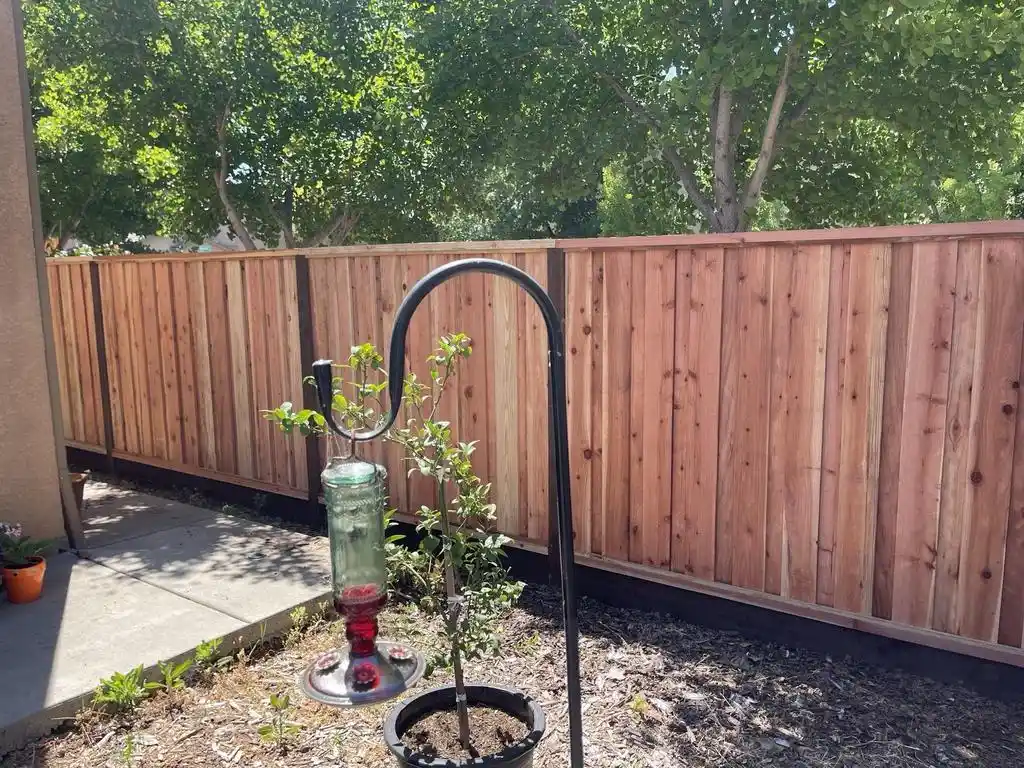
| Dog-ear privacy | 6′ x 8′ | Standard back yard privacy fencing, and still the popular option |
| Flat top | 6′ x 8′ | Cleaner, more modern lines |
| Privacy tongue and groove | 6′ x 8′ | Full privacy with no shrinkage gaps showing through |
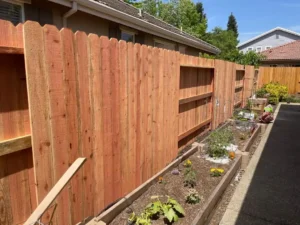
| Horizontal board | Varies by maker | Contemporary homes, wider visual lines |
| Lattice topper | Added above 6′ panels | Extra height and light without a solid wall |
| Stockade | 6′ x 8′ | Budget-conscious privacy, rustic look |
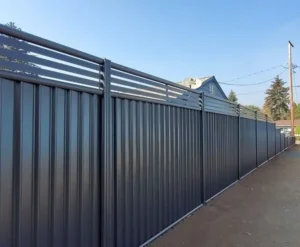
| Cedar-framed corrugated metal | Up to 8′ x 8′ | Industrial or modern accent runs |
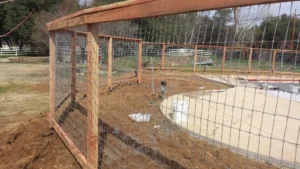
| Decorative and garden panels | 3′ to 4′ high | Front yards, garden beds, pet areas |
Stocked sizes, styles, and colors vary by region and even by individual store. A style sitting on a rack in Colorado may not exist on a rack near you, so check availability before you plan the whole layout around one product.
Buying Panels Online or In Store
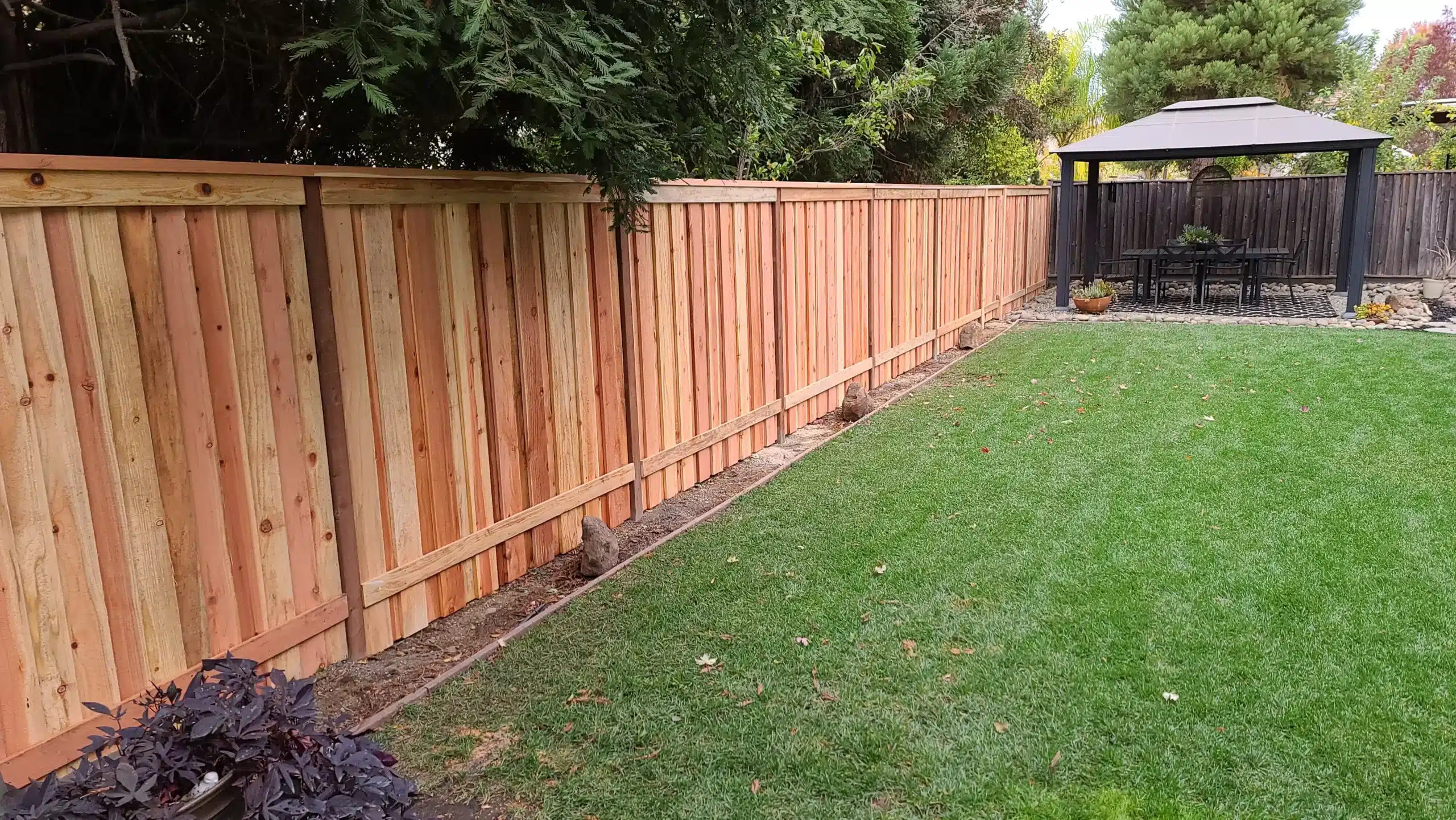
Shopping for panels online has its own traps. The thumbnails that open media galleries are shot under studio lighting, and they rarely show knot condition or how much pale sapwood made it into the bundle.
- Set your local store first, then refresh the page. Changing that selection results in different stock, and other stores in the region may carry a different grade at a different price.
- Use the increase and decrease quantity controls to price the full run, not one panel. Freight is often calculated at checkout, and it can change the math.
- Check whether the item is listed for cart pickup, curbside, or freight delivery. A panel marked in stock may still be a special order.
- Read the returns and exchanges terms, and find out what transit damage is covered.
- If spec sheets open in a new window, save them. Actual dimensions are usually buried there.
Prebuilt Panels vs. Site-Built Fencing (and When Custom Orders Make Sense)
Where panels win: installation speed, predictable appearance, and simple logistics on a straight, level perimeter. Prefabrication moves labor off your property and into a shop. Plenty of homeowners are thrilled with panels on a flat lot, and we’d never talk anyone out of that.
Where site-built wins:
- Slopes and grade changes. A rigid rectangle either leaves a wedge of daylight at the bottom or gets buried at the high end. Boards attached on site follow the ground.
- Odd-width end sections. Almost no property divides evenly by 8 feet. Site-built runs absorb the leftover.
- Gates. A gate built into the run, with hardware sized to the opening, hangs straighter and lasts longer.
- Repairs. Replacing one cracked board is simple on a site-built fence. On a framed panel it can mean pulling the section.
- Both sides. A good neighbor fence, with boards alternating so the fence looks finished from either yard, is a site-built design.
- Gap control. You decide how much space sits under the boards, which matters for pets and for keeping wood out of wet soil.
Custom orders make sense when you’re matching an existing fence, need an unusual height, or want a specific board pattern nobody stocks. Expect to wait for it.
The plain rule: panels suit straight, level runs. Site-built suits everything else.
Why Posts Matter as Much as the Panel
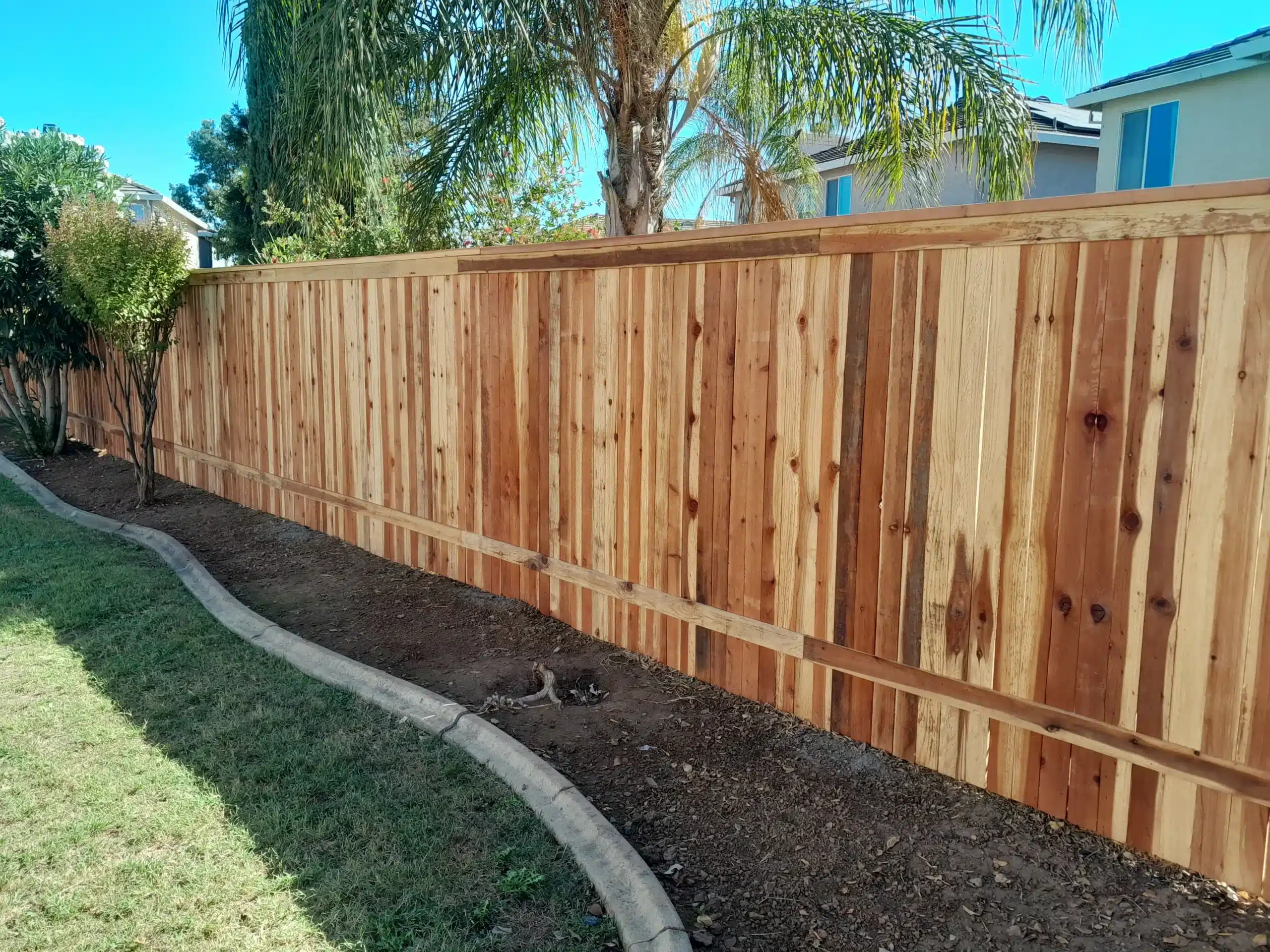
A cedar fence stands only as long as its post line. Fences rarely fail at the boards first. They fail where wood meets wet soil and stays wet, and everything above a rotted post comes down with it, even if those boards had another decade in them.
So look at post material, hole depth, and what happens to water. Concrete footings should be crowned and sloped to shed water away from the wood rather than forming a bowl around it. Gravel at the base helps drainage.
There’s also a structural option worth knowing about: Bolt-Up Hidden Steel Posts keep the cedar look above grade while taking the wood-in-soil weak point out of the equation. We cover steel posts versus wood posts in more detail in a separate article.
Pickup, Delivery, and Figuring Out How Many Panels You Need
Quantity math is straightforward: measure your perimeter, subtract gate openings, divide by the panel width, then add for waste and odd end sections. Round up. Always.
The fulfillment side is where people get caught out:
- Check local availability before anything goes in a cart. Panels are often sold by special order, not ready for same-day pickup.
- Ask whether delivery arrives on the supplier’s own truck or through a freight broker. It changes who you talk to when something’s wrong.
- Find out if unloading requires a forklift on site. A pallet of panels is not a two-person carry.
- Confirm freight is insured against damage in transit, and inspect before you sign.
- Ordered panels commonly run around four to six weeks for standard regions, and split-load shipping with mixed materials can shift that.
Installation Planning: What to Do Before the First Post Hole
- Confirm the property line. Then check any HOA architectural guidelines or CC&Rs. Both are cheaper to read than to undo.
- Check height and setback rules with your city or county building department before you buy 6-foot panels for a front yard.
- Call 811. Fence installation is specifically named as a project that needs utility locating. In Northern California, USA North 811 requires at least two working days’ notice, not counting the day you call, and you wait until every notified operator has responded.
- Measure the actual panels and mark post centers from those measurements.
- Set posts and hang panels sequentially rather than setting every post first. Small dimensional variations compound fast across a long run.
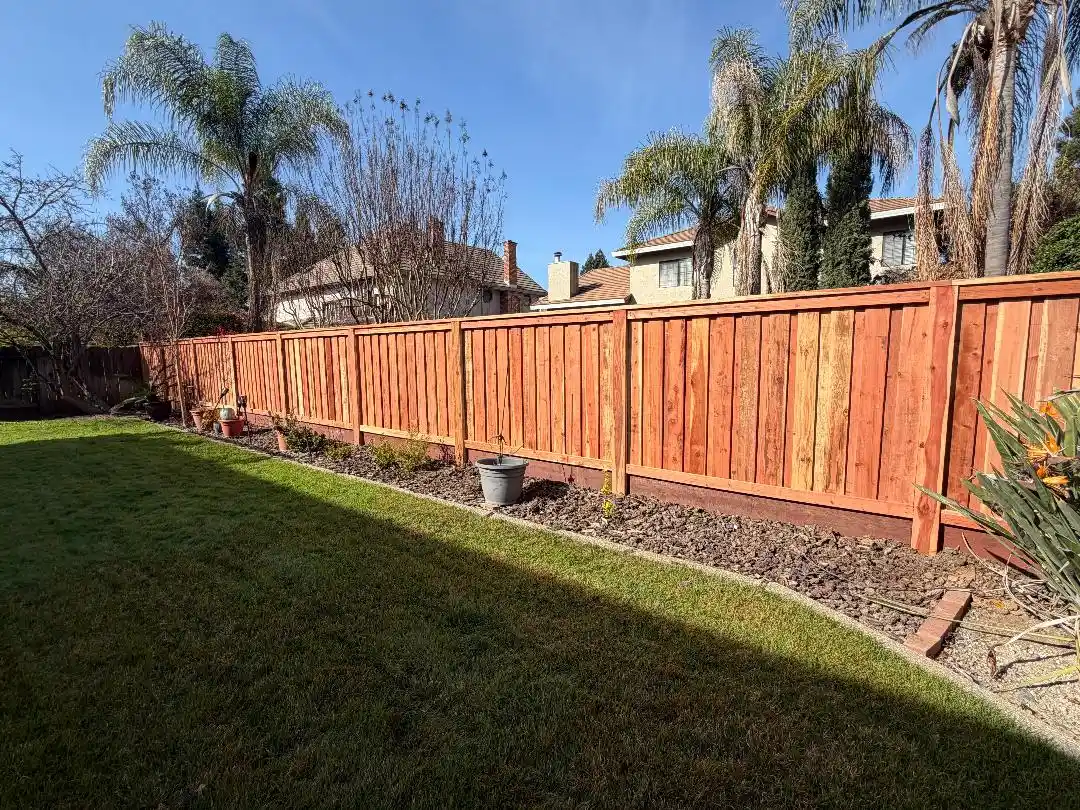
- Keep the boards clear of soil. Western Red Cedar Association guidance illustrates a minimum 2-inch ground clearance below the wood, with gravel and sloped concrete to shed water. That’s industry guidance, not a universal code requirement.
Staining, Sealing, and Long-Term Maintenance
You have two real choices, not a maintenance calendar handed down from on high. Cedar can be stained or left alone.
Let it weather. Cedar drifts to silver-gray on its own, with some surface checking along the way. You still need to clean it and inspect it, and weathering can go blotchy where sun and moisture hit unevenly.
Keep the warm color. A penetrating or semi-transparent stain is the practical tool. Many homeowners settle into a roughly two-to-three-year refinishing rhythm, though a clear water-repellent used as a natural finish may only give one to two years depending on exposure. Surface texture, product, and prep all move that number. Two coats of penetrating oil-based stain can last longer on textured cedar if the wood accepts the second coat.
Skip film-forming finishes. Exterior lacquer, shellac, urethane, and varnish crack, peel, and trap moisture against the wood.
Once a year, walk the fence: check fasteners for backing out or rust streaks, look for twisted rails, press on post bases, test gate hardware, and clear mildew and leaf debris piled against the bottom boards.
When Cedar Fence Panels Are Not the Right Choice
- Significant slopes or rolling grade. Rigid panels can’t follow the ground.
- Highly customized runs, tight corners, or wide gate openings.
- Homeowners who want near-zero maintenance. Vinyl, ornamental iron, and Durabond steel are each worth a look as a lower-maintenance alternative, and we install all three.
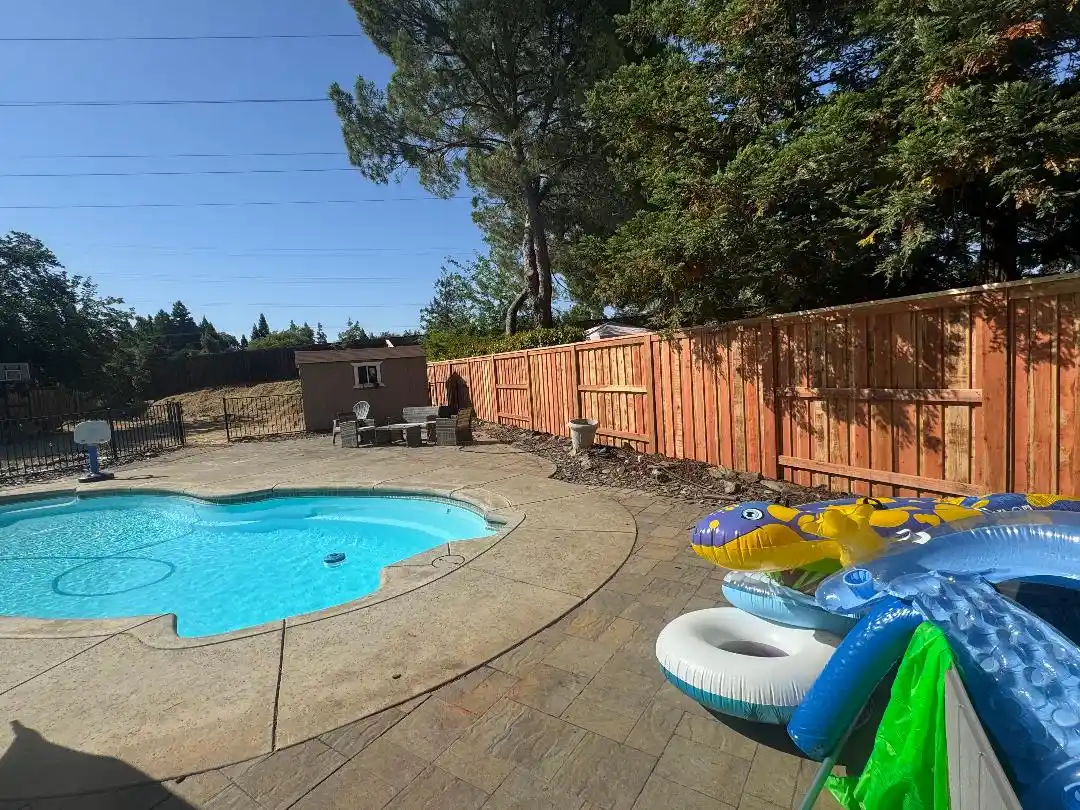
- Pool barriers. A cedar panel is not automatically a compliant pool safety fence. California’s Health & Safety Code sets specific enclosure requirements, including a 60-inch minimum height, no more than 2 inches of ground clearance, and no gap that lets a 4-inch sphere pass. See our dedicated pool safety fence article before you design around it.
- Wood attached directly to a home in a wildfire-exposed area. CAL FIRE recommends noncombustible fencing, gates, and arbors attached to structures, with Zone 0 covering the first 0 to 5 feet. Those rules are still evolving, and our fence ordinance quick links open in a new window if you want to confirm current guidance.
Questions to Ask Your Supplier or Fence Contractor
- What’s the exact species and grade?
- What are the actual picket and rail dimensions, and how many rails?
- What are the rails made from?
- What fasteners do you use?
- What posts do you recommend, and how are they set and drained?
- Is the fence built on site or delivered as panels?
- How do you handle slopes, gates, and utility locating?
- Who cleans up when the work is done?
- Are you licensed, bonded, and insured, and what’s the license number?
A helpful supplier answers all of that in plain language, which is good service before you’ve spent a dollar. In our experience, the people who answer those questions clearly are the same ones who show up on time.
Frequently Asked Questions
How much does a 100 foot cedar fence cost?
It depends on height, material grade, style, post type, terrain, the number of gates, and whether an old fence needs demolition and haul-away. Rather than guess, run your numbers through our fence price calculator or request a free estimate. Our pricing is flat, with zero hidden fees.
Is cedar good for a fence?
For most homeowners who want a natural wood look, yes. Cedar heartwood resists decay, the wood’s natural oils discourage termites and wood-boring insects, and it shrinks less than high-moisture woods like common pine. It still needs routine cleaning and inspection.
What’s the standard size of a cedar fence panel?
Six feet high by eight feet wide is the most common format, with heights commonly running from 3 to 6 feet. Measure the actual panel rather than trusting the nominal name, because dressed dimensions are smaller than the label suggests.
How long do cedar fence panels last?
Commonly 15 to 30 years, but that range is driven by post condition, drainage, climate, fastener quality, and maintenance, not by the species alone. Anyone guaranteeing you a specific number is guessing.
Get a Free Fence Estimate from a Local Wood Fence Builder
Straight answer: we don’t install prefabricated retail panel kits. We build wood fences on site, board by board, which is exactly why we can follow a slope, absorb an odd-width run, hang a gate that stays square, and build a good neighbor fence that looks finished from both yards.
We’re licensed, bonded, and insured under CSLB License #979657, with approximately 35 background-checked W-2 employees rather than subcontractors. Flat pricing, zero hidden fees, and a written guarantee: the job isn’t finished until you give us the thumbs up. We clean up thoroughly, because we’re guests on your property. Over 1,000 five-star reviews say the approach works, and great service starts with someone answering the phone.
Three local offices serve Sacramento and Roseville plus Sacramento, Placer, El Dorado, Yuba, Yolo, and Nevada counties, so you’re hiring a local company rather than a call center. Financing is available for Sacramento-region residents.
Get a Free Fence Estimate. Call us or book online, and we’ll walk your property with you.