Key Takeaway
An electric fence charger converts AC, battery, or solar power into high-voltage pulses that train animals to respect fence boundaries. Choose your unit by published output joules, not acreage or mileage claims on the box, since those ratings are not standardized across brands. Plan for roughly one output joule per mile of fence under light conditions, then add capacity for multiple wires, heavy vegetation, and harder-to-contain animals like sheep, which require around 7,000 volts at the fence.
An electric fence charger (also called an energizer or controller) turns power into short high-voltage, low-amperage pulses that travel through an insulated fence wire. You get three power options: plug in to a wall outlet, run on a battery, or go solar. Sort your choice by output joules, real fence conditions, animal type, grounding, and available power, not by the mile rating printed on the box. Here’s how we’d walk a first-time buyer through it.
What does an electric fence charger actually do?
The circuit runs from the energizer through the wire, into the animal, down through the soil, back to your ground rods, and into the energizer. Virginia Cooperative Extension describes a typical modern livestock pulse as more than 5,000 volts, under 300 milliamps, and no longer than about 1/300 of a second. That’s a technical description, not every charger’s spec. A hot wire is a psychological barrier for trained livestock and wildlife. With the power off, an electric fence won’t contain animals the way a permanent fence will.
How do you choose among electric fence energizers?
- Match the energizer to the animal or threat you’re managing.
- Measure the fence and estimate real load.
- Add for vegetation, dry soil, wire type, and splices.
- Choose AC, battery, or solar power.
- Leave headroom so the fence charger still performs in bad conditions and when you add strands later.
Compare output joules, the energy actually delivered to the wire, not stored joules held in the capacitor. One output joule per mile is a rough starting point only. On strand counting, authorities disagree: University of Maine Extension multiplies perimeter by charged strands, while Virginia Extension says properly interconnected hot wires don’t automatically demand more joules. Follow the manufacturer’s load guidance before you order, then verify voltage at the far end, where you’ll usually find the biggest drop. Battery and solar units suit remote paddocks, though a weak battery drops output fast, so test the battery before you blame the wire. Choose a product backed by a supplier in the USA so replacement parts are easy to find.
Grounding, safety, and local code
Poor grounding is the most common reason a fence charger disappoints. General guidance: three 6-foot rods up to 15 output joules, five to 25, seven to 35, spaced at least 10 feet apart and at least 33 feet from utility grounds and metal water pipes. Inland California’s dry season is exactly when soil conductivity drops, so a continuous ground wire may be needed. Electric fence energizers sold in the USA should be evaluated to UL 69 or IEC 60335-2-76. Never use household Romex as lead-out cable, and never put two energizers on one zone. California Food & Agricultural Code §17152 sets controller standards, and §17153 lets cities add permit rules, so Elk Grove readers should confirm with the City Planning Division. Call Underground Service Alert (USA) at 811 before any posts go in the ground.
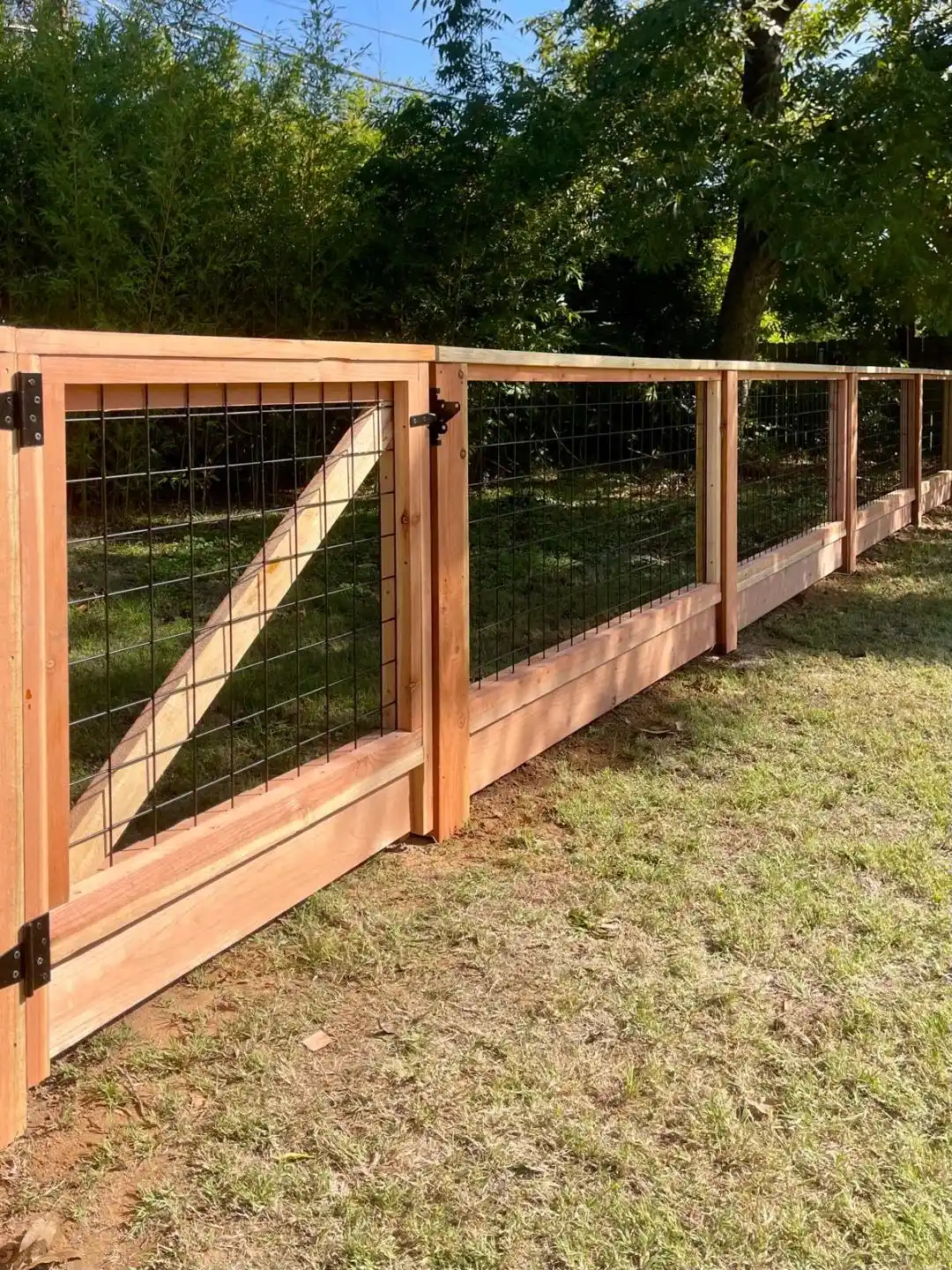
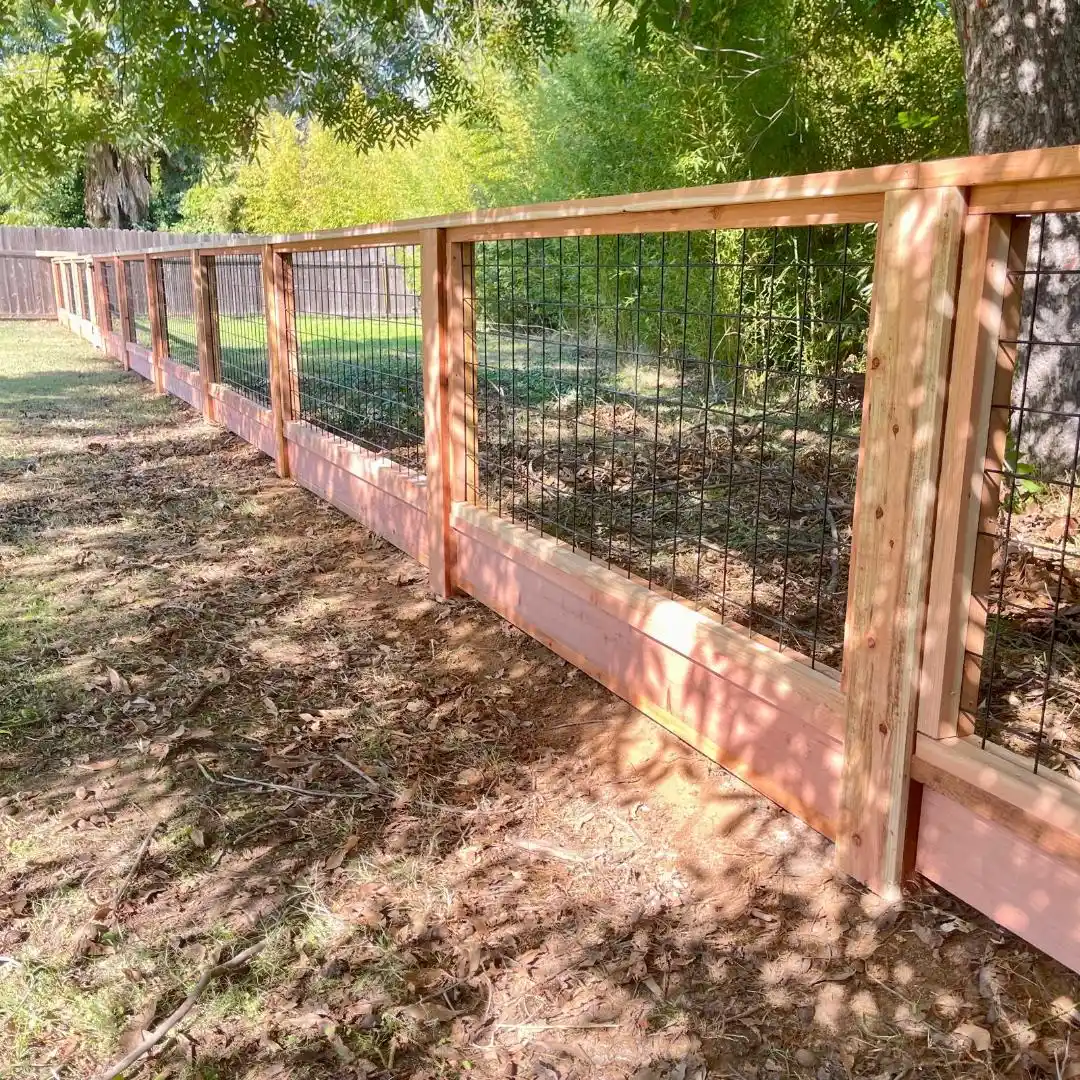
Where you need containment regardless of power, permanent agricultural fencing is the stronger answer. We’re licensed, bonded, and insured (CSLB #979657) with background-checked W-2 employees and flat pricing with zero hidden fees. Get a Free Fence Estimate for affordable livestock-containment fencing across Sacramento, Placer, El Dorado, Yuba, Yolo, and Nevada counties.