Key Takeaway
Fence installation cost in the Sacramento area runs about $25 to $55 per linear foot installed, depending on material. A 200-foot project typically falls between $7,600 and $11,000 for redwood or vinyl privacy fencing before gates and site factors. Chain link is the most affordable option, while vinyl and ornamental steel sit at the higher end. Always compare written scopes, not just per-foot numbers.
What does a fence cost per linear foot installed?
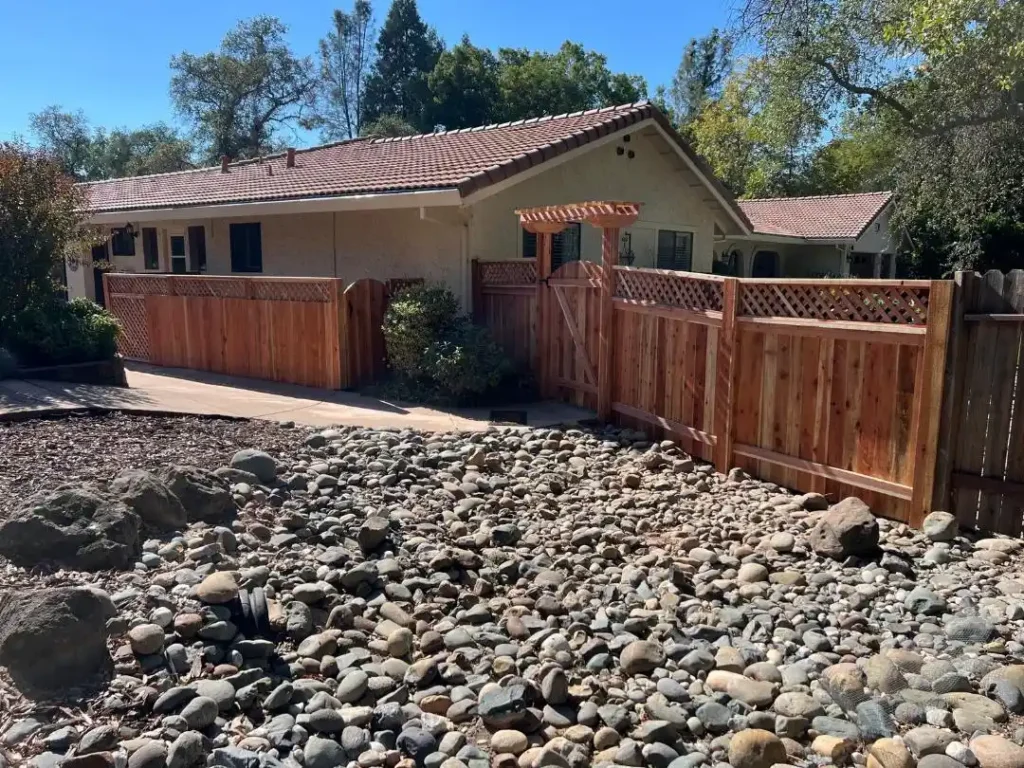
Nationally, a professionally installed fence runs about $20 to $60 per linear foot. In the Sacramento area, Fantastic Fence’s published replacement pricing runs about $25 to $55 per linear foot installed depending on the fence material and the scope of the job. A typical backyard project lands somewhere in the low-to-mid thousands, with 200 feet often falling between $4,000 and $12,000 nationally.
This guide is for Sacramento-area homeowners planning a new fence installation, replacing a storm-damaged or rotting one, and comparing quotes. You’ll get real material costs by type, plus the local rules and quote factors that quietly move the price. One caveat up front: any accurate quote depends on an on-site visit. Linear footage, gates, removal, terrain, and code all shift the final figure.
Quick fence cost breakdown by material and length
Use these as planning ranges, not guaranteed quotes. Fantastic Fence’s replacement estimates include standard old fence removal, which many quotes list separately.
| Material | National range (per ft) | Sacramento (Fantastic Fence) |
|---|---|---|
| Chain link | $8 to $35 | Usually the lowest-cost option |
| Wood / redwood | $10 to $45 | $38 to $45 dog-ear, $45 to $50 cap-and-trim |
| Vinyl | $30 to $60 | $50 to $55 standard white or horizontal |
| Aluminum | $20 to $45 | Varies by style and height |
| Ornamental iron / steel | $30 to $100 | Priced by design and security needs |
| Fence length | Rough national total |
|---|---|
| 50 ft | $1,000 to $3,000 |
| 100 ft | $2,000 to $6,000 |
| 150 ft | $3,000 to $9,000 |
| 200 ft | $4,000 to $12,000 |
How most homeowners estimate a fence project
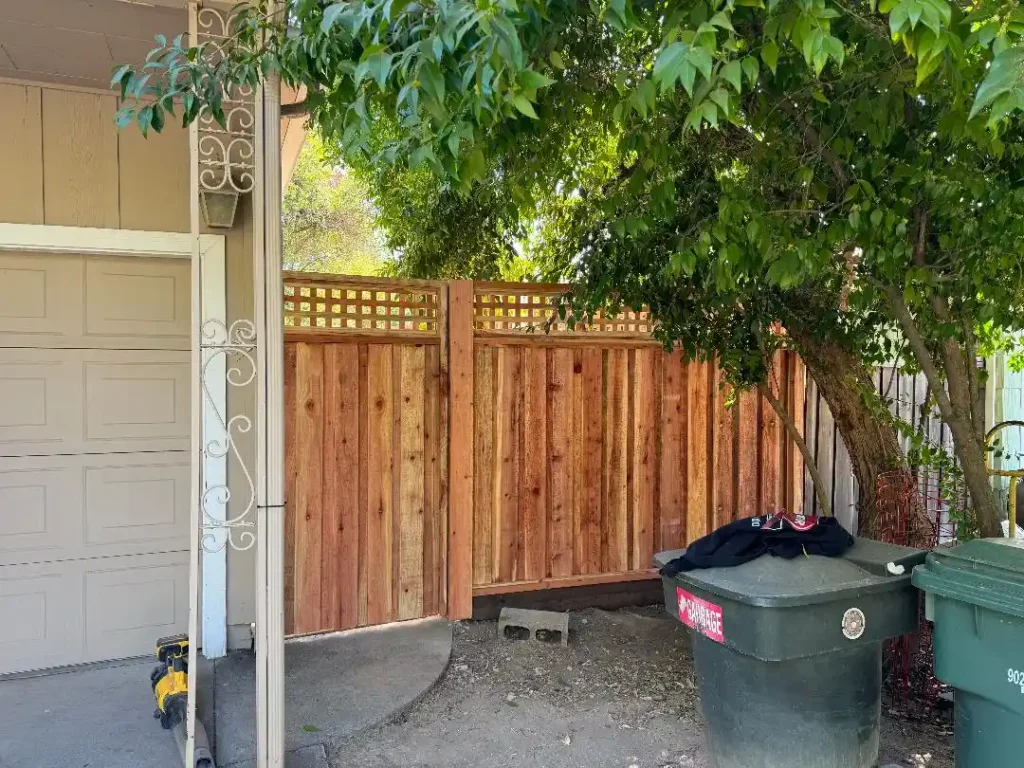
Here’s the simple math: linear feet times your material range, plus gate installation, plus removal and site prep, plus any code or HOA items. On most projects, materials run about 50 to 60 percent of the total cost and labor makes up the rest, roughly half of a standard job. That split matters when you compare quotes, because a low price often means someone shaved the labor or the materials, not the profit.
Say you’re putting up 150 feet of redwood privacy fence. At a Sacramento range of $38 to $50 per linear foot, that’s about $5,700 to $7,500 before extras. Add a gate or two, factor in fence removal if you’re replacing an existing fence, and adjust for slope or a corner lot. Per-foot pricing isn’t perfectly linear. Mobilization, corners, and gates each carry fixed costs that a straight run doesn’t, so a short fence with two gates can have a higher final price per linear foot than a long, simple one.
Fence cost by materials in Sacramento
Material choice drives more of your budget than anything else. Here’s how the confirmed options compare, and how each one affects the price you’ll pay.
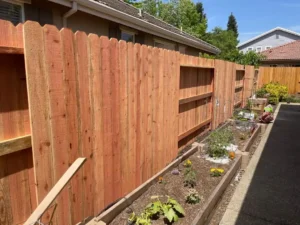
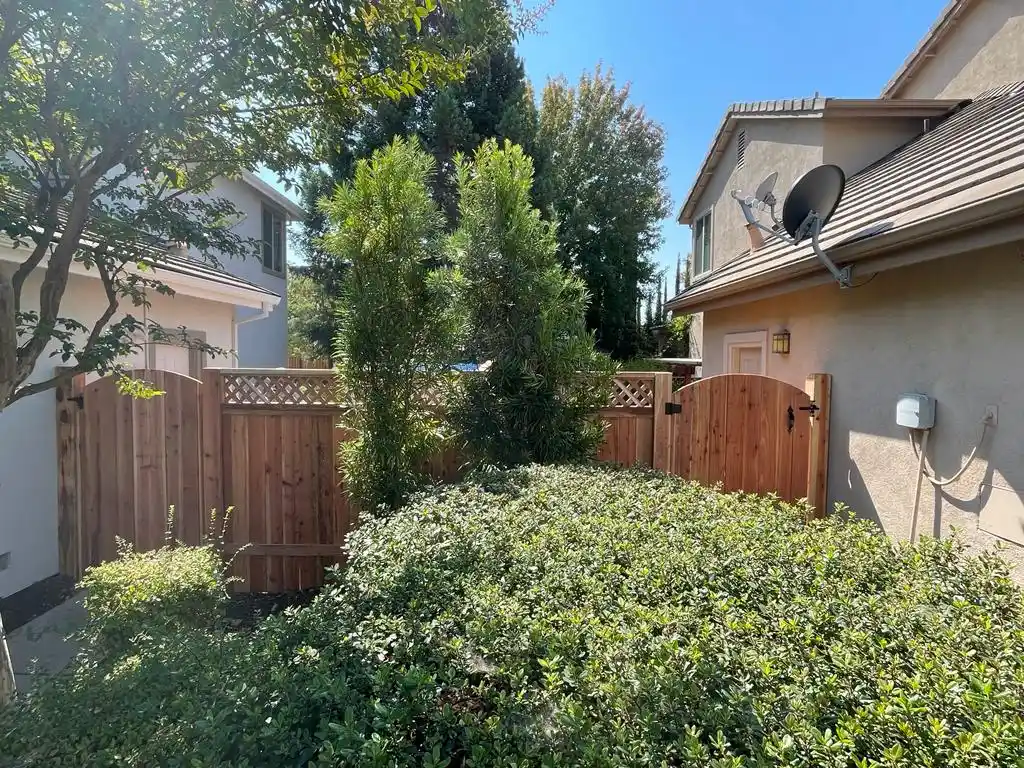
Redwood wood. Fantastic Fence builds with 3/4-inch Construction Common redwood, about 20 percent thicker than the 5/8-inch cedar or pressure treated pine used in many cheaper fences. That thickness is why two “wood” quotes are rarely the same fence. Thicker boards hold up longer against Sacramento’s heat and UV, which cuts future repairs.
Vinyl. Higher upfront cost, but low maintenance and it doesn’t fade or crack the way thin material can under summer sun. Vinyl fence pricing reflects that a vinyl panel stays clean with a hose, so most homeowners spend nothing on upkeep for years. A vinyl privacy fence is a common pick for HOA-controlled subdivisions where a uniform white look is required.
Chain link. A chain link fence is usually the least expensive way to enclose a yard, good for dogs, security, and back property lines. Because chain link uses less material and faster installation, its labor cost stays low. That makes it the most affordable option when privacy isn’t the goal.
Ornamental iron and steel. Chosen for looks, security, and open sightlines, including around pools where visibility matters. Aluminum is a lighter, rust-resistant alternative to wrought iron in the same style family, often at a lower price.
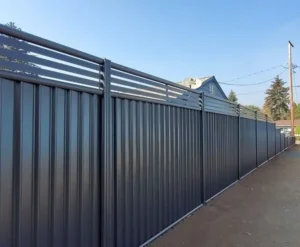
Durabond metal privacy. A metal privacy fence option that resists rot and holds its finish in high heat, with panels engineered for full privacy without the warping wood can show.
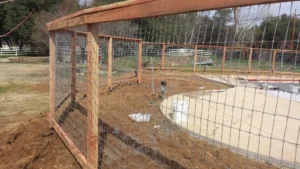
Agricultural wire mesh. Practical and affordable for larger rural lots in Placer, El Dorado, and the surrounding counties, where the material covers long runs at a modest cost per foot.
Hidden steel post upgrade. Steel posts hidden inside a wood fence add strength against wind and heat, extending the life of the fence for a modest bump in cost.
What are the hidden costs that change your fence price?
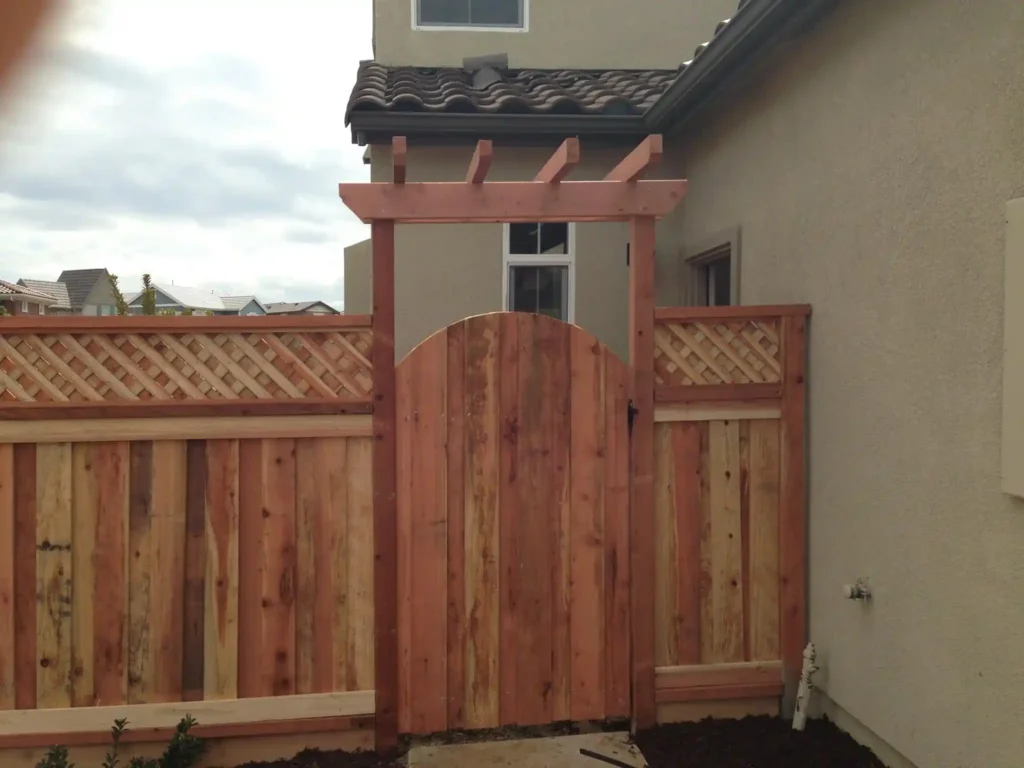
These are the factors that separate a lowball quote from a realistic one, and they explain why site conditions and location make such a significant difference in the total project cost.
- Height. Taller fences need longer posts and more material. Going to an 8-foot privacy fence can add 25 to 35 percent to the cost.
- Gates. Each gate adds framing, hinges, latches, and labor. Basic side gates start around $150, while premium or wide gates run $400 to $1,200.
- Old fence removal and disposal. Teardown, hauling, and dump fees often add $5 to $10 per linear foot when not included.
- Terrain and access. Slopes, rocky soil, tree roots, and tight side yards common in older Sacramento neighborhoods raise costs by adding labor time, sometimes 10 to 25 percent.
- Retaining walls. A grade change may call for a wall before the fence goes up, which is a separate line on the project.
- HOA requirements. Many local subdivisions dictate height, color, and style, which can limit your material choices.
- Pool and fire-zone needs. Code-compliant pool gates and ignition-resistant materials near a house both add to the final cost.
Fence replacement and old fence removal cost
Replacing a fence can cost more than building on bare ground because someone has to tear out the old one first. That fence removal means pulling posts, breaking out concrete footings, hauling debris, and paying disposal fees, which national guides often list as a $5 to $10 per-foot add-on. In some cases old posts are sound enough to reuse, which trims the bill. Fantastic Fence’s published Sacramento replacement ranges already include standard old fence removal, so that teardown is built into the number instead of surfacing as a hidden cost later.
Do you need a permit for a fence in Sacramento?
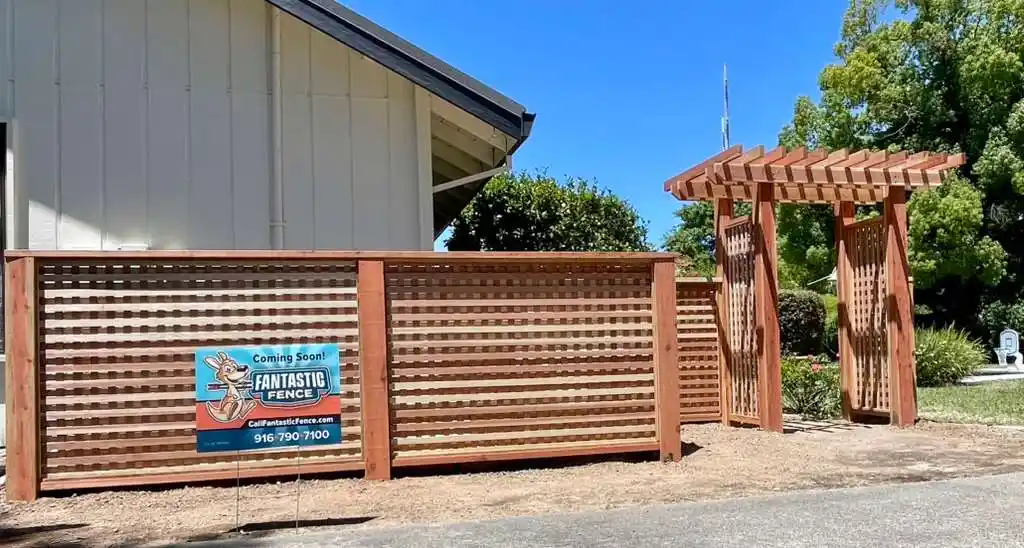
Usually not for a standard backyard fence, but “no permit” doesn’t mean “no rules.” The City of Sacramento lists fences not over 7 feet as building-permit-exempt, yet they’re still subject to Planning Division approval and City Code Chapter 17.620. Sacramento County sets front-yard limits too: solid fences up to 3 feet, semi-open styles like picket or a chain link fence up to 4 feet, and open ornamental fencing up to 7 feet. Side-street and interior yards generally allow up to 7 feet. Retaining walls over 4 feet from the bottom of the footing can trigger a separate permit. Where permits apply, fees commonly run $50 to $500 and affect scheduling. Fantastic Fence pulls any required permits so you’re not left sorting out the county building department yourself.
California rules that affect what you pay
A few state rules shape both cost and how a legitimate contractor operates.
- 811 utility marking. Before digging, excavators must notify Underground Service Alert at least two working days and no more than 14 calendar days ahead. Fantastic Fence calls 811 on every job as required.
- CSLB licensing. California requires a licensed contractor when a project needs a permit, uses workers, or totals $1,000 or more, which covers nearly every professional fence installation.
- Down payment cap. A home improvement deposit can’t exceed $1,000 or 10 percent of the contract price, whichever is less. A larger deposit request is a red flag.
- Good Neighbor law. Civil Code 841 presumes adjoining owners share reasonable costs for a boundary fence equally, but you must give 30 days’ written notice before incurring the cost.
- Pool barriers. Health and Safety Code 115922 and 115923 require enclosures at least 60 inches tall, latches no lower than 60 inches, no more than 2 inches of bottom clearance, and gaps too small for a 4-inch sphere. Compliant gates and hardware raise costs.
How to compare fence quotes before you sign
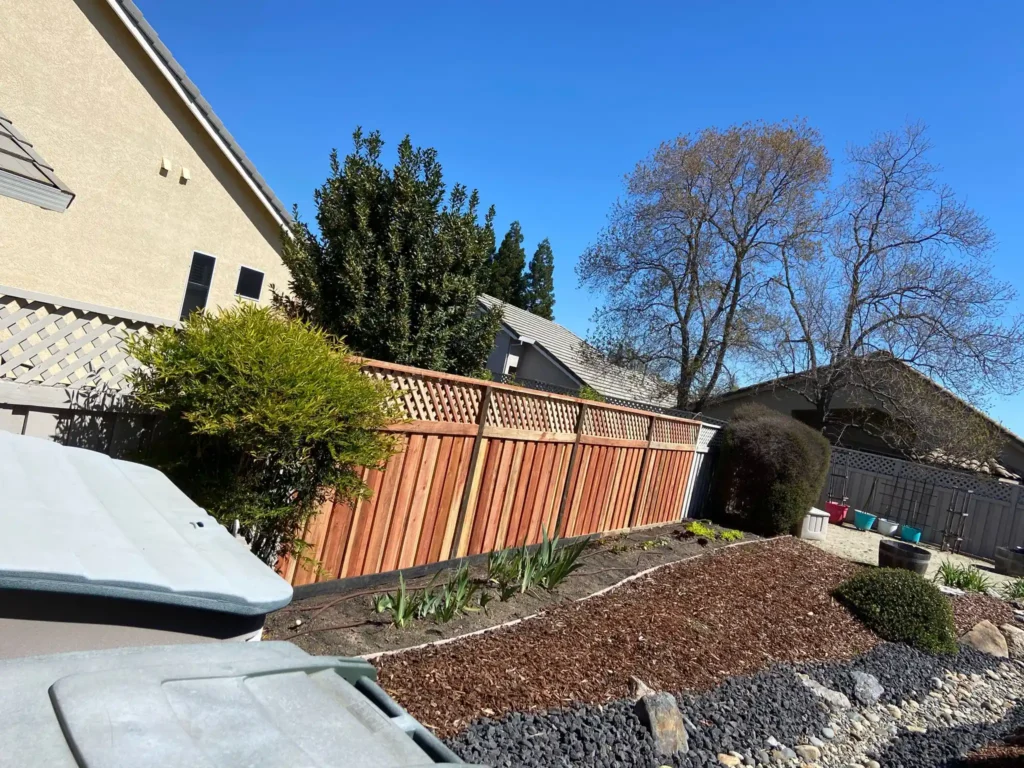
Two quotes for “the same fence” often aren’t. Line them up against this checklist:
- Board thickness and material grade (3/4-inch redwood is not the same as 5/8-inch stock, and the same logic applies to vinyl panel thickness)
- Post depth and type (a 24-inch depth standard, plus whether hidden steel posts are offered)
- Removal and disposal included or billed separately
- Gates and hardware spelled out
- Permit and HOA handling
- A written scope so nothing is assumed
- Crew model and labor rates: background-checked W-2 employees versus subcontractors
- License verification (you can confirm Fantastic Fence’s CSLB license #979657 online)
The cheapest quote gets risky when it leaves out removal, permits, 811, proper posts, or a written scope. Fantastic Fence isn’t the cheapest bid you’ll get. It’s the one built to hold up, installed by a professional crew that stands behind the work.
How to save money on your fence project
You can trim the bill without cutting corners. Scheduling in the shoulder seasons, like fall, can save money on labor when crews aren’t slammed, often 5 to 15 percent. Match the materials to the job: a chain link fence is the cheapest way to enclose a yard, while redwood or a vinyl privacy fence earns its privacy fence cost when you actually want privacy. Factor in maintenance and longevity, because a thin, cheap fence that warps in a couple of Sacramento summers is a worse investment over time than a thicker one built to last. The real saving is in fewer repairs down the road. DIY can lower your labor, but you take on permit risk, 811 responsibility, and lose any license-backed warranty, so decide carefully before you skip professional installation.
Why Fantastic Fence for your Sacramento fence project
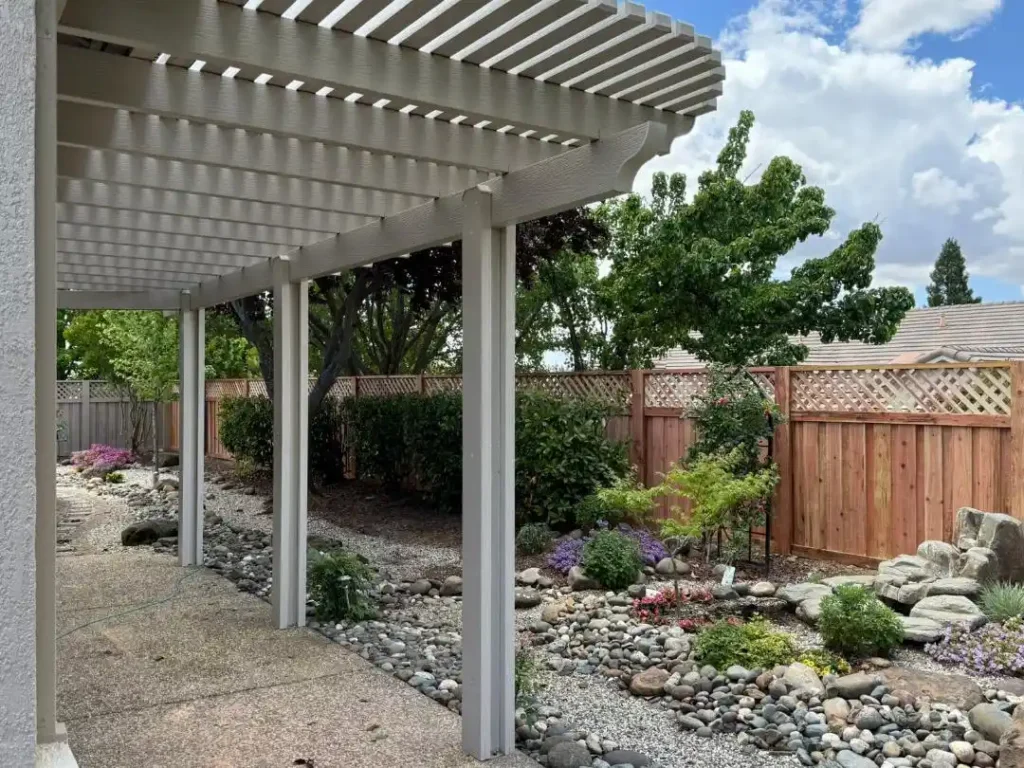
Every professional fence installation starts with a free on-site consultation and a written quote, typically delivered within 24 to 48 hours. Pricing is flat, put in writing before work begins, with no hidden add-ons. Every crew member is a background-checked W-2 employee, not a subcontractor, and the company is licensed, bonded, and insured under California license #979657. Three offices in Rocklin, Sacramento, and Elk Grove serve six counties: Sacramento, Placer, El Dorado, Yolo, Yuba, and Nevada. Most residential jobs finish in 1 to 2 days once installation begins on your property, backed by a satisfaction guarantee and a 4.9-star average across 1,000+ Google reviews. We’re not the cheapest. We’re the most trusted. Schedule a free consultation when you’re ready for a real number.
Frequently Asked Questions
What is a fair price for fence installation?
Nationally, $20 to $60 per linear foot is the national average, and in Sacramento about $25 to $55 depending on the material. A fair price ties to a full written scope, not just the lowest number on the page.
What is the average cost of 200 feet of fence?
Roughly $4,000 to $12,000 nationally. For a redwood or vinyl privacy fence in Sacramento at $38 to $55 per linear foot, plan on about $7,600 to $11,000 before gates and site factors.
How much does it cost to install a 4-foot fence?
A 4-foot fence uses fewer materials than a 6-foot privacy run, so it’s usually cheaper per linear foot to complete. Front-yard rules make 3 to 4 feet common, and pricing still depends on the fence material.
What is the cheapest fence material?
A chain link fence is normally the cheapest option because the material and installation are both fast. It’s a smart pick for back property lines where privacy isn’t the goal.
Does the price include removing my old fence?
Fence removal typically adds $5 to $10 per linear foot nationally. Fantastic Fence includes standard old fence removal in its replacement estimates.
Can I make my neighbor split the cost of a shared fence?
California Civil Code 841 presumes adjoining owners share reasonable boundary-fence costs, provided you give 30 days’ written notice before you spend the money.