Key Takeaway
A fence stretcher is a tool (or category of tools) used to pull wire or chain-link fencing taut before it is secured to posts. The right choice depends on your fence type: ratchet cam-jaw stretchers handle single strands, full-height stretcher bars tension woven wire evenly, and chain link requires a tension bar plus a come-along. Apply tension gradually in small increments, never with a vehicle, and always check that terminal posts and bracing are solid before you pull.
A fence stretcher is a tool used to pull wire fencing or chain-link fabric taut before it is secured or spliced. The right setup depends on the fence: ratchet stretchers grip individual strands, full-height stretcher bars pull woven wire evenly, and chain link is tensioned with a tension bar, a pulling bar, and a come-along. So “fence stretcher” is really a category of tools, not one specific tool, and picking the wrong one is how people damage good fencing.
This guide is for homeowners and property owners who need to tighten or repair a wire fence and want to do it without wrecking the mesh or getting hurt in the process.
What Does a Fence Stretcher Do?
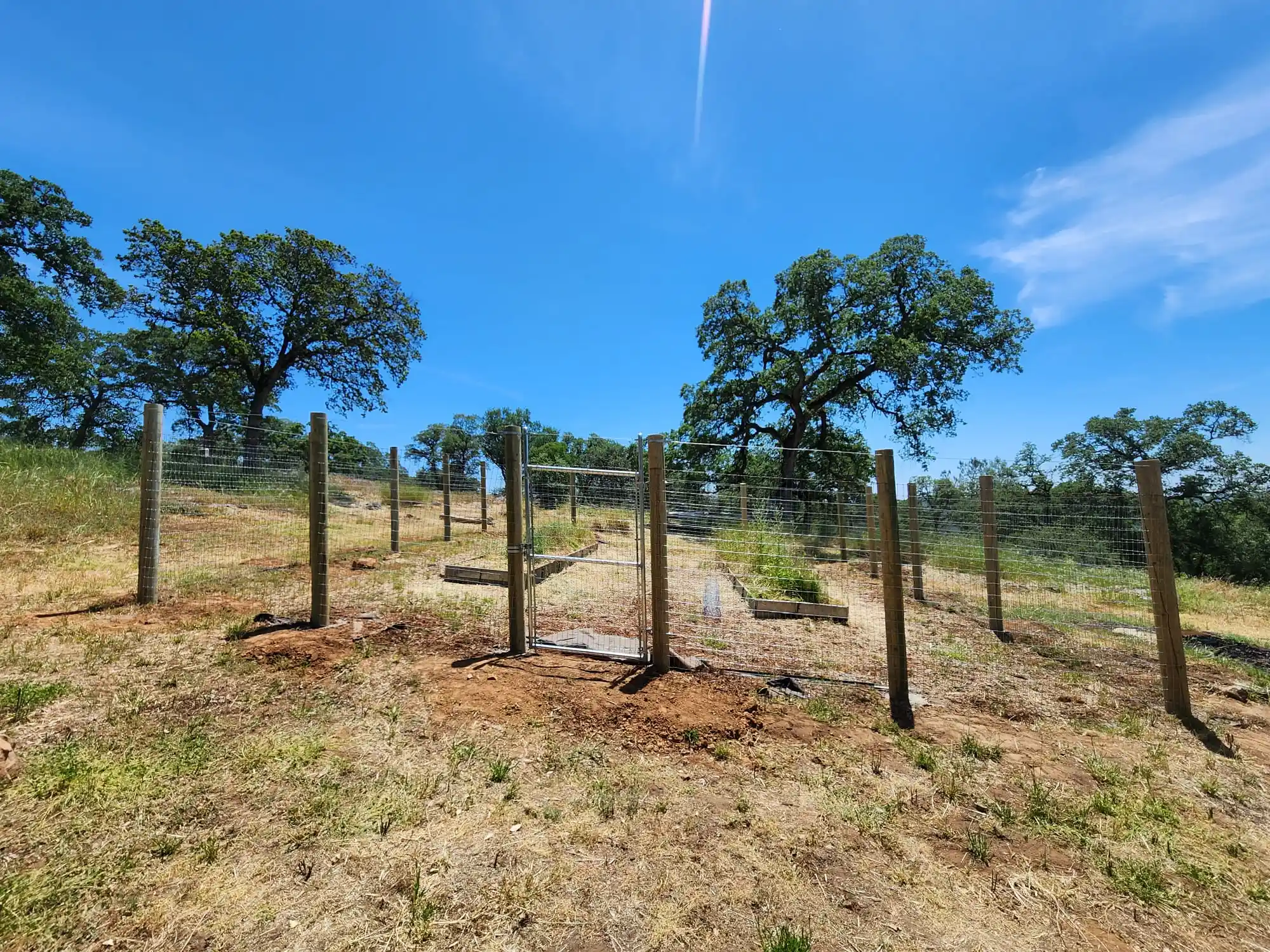
A stretcher does three jobs. It removes slack from wire or fabric. It holds that tension steady while you fasten or splice. And it spreads the pulling force across the fence instead of concentrating it in one spot. Most designs use mechanical advantage, a ratchet or a crank, so one person can apply far more pull than they could by hand and do it in small, controlled increments.
The payoff is a fence that doesn’t sag between posts and actually holds livestock or pets where they belong. One boundary worth stating up front: stretchers are for wire-based fencing only. Wood, vinyl, ornamental iron, and Durabond steel panels are not tensioned this way.
Which Fence Stretcher Do You Need? (Chain Link, Woven Wire, or Single Strand)
| Fence type | Gripping tool | Pulling tool | Typical job |
|---|---|---|---|
| Single smooth, barbed, or high-tensile strand | Cam-jaw ratchet stretcher/splicer | Built into the tool (lever or ratchet) | Tightening one loose strand or pulling two broken ends together for a splice |
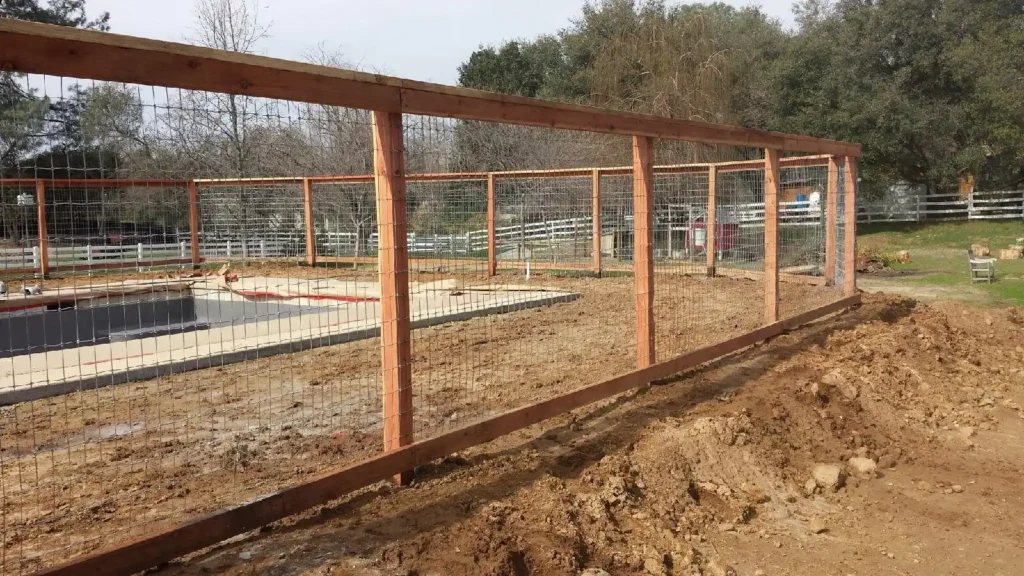
| Woven wire, field fence, fixed-knot | Full-height stretcher bar or clamped stretcher board | Chain and come-along, or cable puller | New installs and re-tensioning long runs evenly |
| Chain-link fabric | Tension bar threaded through the mesh, plus a pulling bar | Come-along or cable puller | Stretching fabric to a terminal post; pulling out sag |
| Welded wire panels | Light clamp or stretcher bar (limited stretch) | Hand pull or small come-along | Aligning and fastening; welded wire has little give |
The full-height grip is the part people skip, and it matters. A stretcher bar clamps the horizontal wires across the entire height of the fence so the pull is distributed evenly, which is exactly how manufacturers like Bekaert and Stay-Tuff describe the process in their own installation instructions. Pull woven wire from one or two strands instead and you’ll distort the mesh, pull the vertical stays out of square, and load a small section of fence with force it was never designed to carry.
There is also a professional equipment tier. Trailer-type stretchers hold wire upright against the posts while it’s pulled and can cover long distances in a single run, though manufacturer specs typically call for two operators. Three-point tractor-mounted units are heavy equipment, some in the neighborhood of 200 pounds. These are built for large agricultural installs, not a 40-foot backyard repair.
Fence Stretcher vs. Stretcher Bar vs. Tension Bar vs. Come-Along
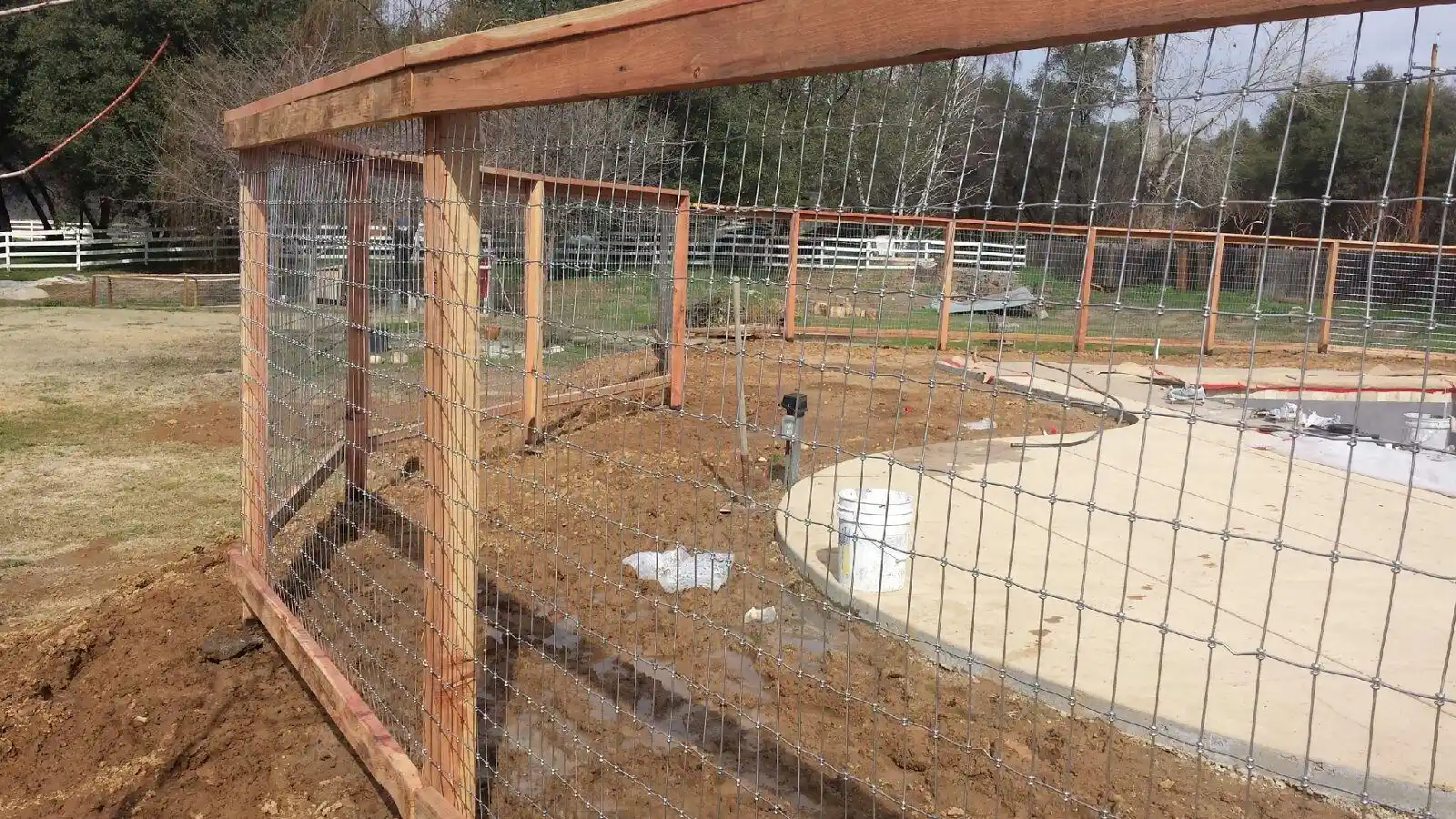
These four terms get used interchangeably online, and they shouldn’t be. The single most useful distinction: the gripping device is not the pulling device.
- Fence stretcher: the general term. Sometimes it means an all-in-one ratchet tool that both grips and pulls a single smooth or barbed wire.
- Stretcher bar (or stretcher board): a temporary full-height clamp that grabs woven wire or mesh so it can be pulled evenly. It comes off when you’re done.
- Tension bar: on a chain-link fence, this is a flat bar threaded vertically through the end diamonds and fastened to the terminal post with tension bands. It stays on the fence permanently. CLFMI specifications call for a tension bar roughly 2 inches shorter than the fabric height, though you should verify that against your actual system.
- Come-along: a hand-operated cable or chain puller that supplies the force in small ratchet clicks. Temporary.
Some wire fences also carry in-line strainers, which are permanent components that let you adjust tension later without a separate stretcher.
Buying a Fence Stretcher: How to Read Product Listings, Media Images, and Reviews
Most people order this tool online, and the listings make it easy to buy the wrong thing. A single photo of a ratchet tool tells you nothing about whether it will grip chain-link fabric. Before you add anything to the cart, read the product specifications for rated working load, jaw or clamp width, chain or cable length, and the fence height the tool is capable of handling. If a product page never states a rated capacity, treat that as a reason to keep looking.
The media images are worth slow attention. Zoom in on the jaw faces, the ratchet pawl, and how the clamp bars bolt together, because those are the parts that fail under load. Media images that show the tool actually gripping woven wire or a chain-link diamond tell you more than a studio shot on a white background. Manufacturer video is better still.
Customer reviews deserve the same care. Sort them more than one way. The default sort on most product pages is popular highest rating reviews, which floats the happiest feedback to the top, so switch to newest to see whether recent production runs changed anything, then check the oldest review dates to gauge how long the tool has actually been on the market. A five-star review from a person who used the tool once on a single barbed strand isn’t relevant if you’re stretching 4-foot fabric. Read the questions and answers section too. That’s where owners describe what a product won’t do.
A few practical notes on ordering. Confirm the item is in stock rather than backordered before you build a weekend around it, enter your ZIP code to check shipping, and see whether the seller accepts returns on tools that have been used. Renting often beats buying for a one-time repair, and many rental yards stock come-alongs and chain-link stretcher bars. Watch for seasonal discounts in spring, but don’t let a discount talk you into an underrated tool. Buy or rent the whole set at once, because a puller with no gripping bar leaves you stuck mid-job.
What to Check Before You Apply Tension
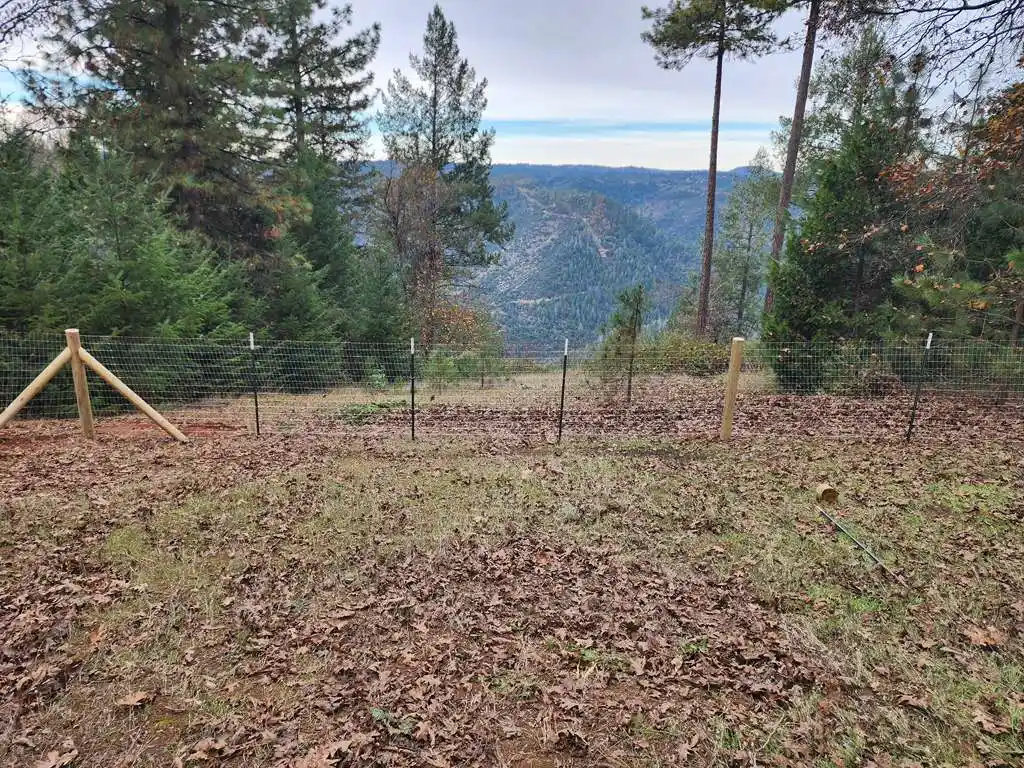
Walk the run first. Tightening a fence that has a structural problem makes the problem worse.
- Terminal and corner posts: plumb, solid, no movement when you push hard.
- Braces and footings intact, with no cracked concrete or heaved soil.
- Rust, kinks, broken knots, or mesh that’s already been stretched out of shape.
- Broken ties, tension bands, and hog rings.
- Vegetation, tree roots, or debris that will snag the line as it moves.
- Grade changes and run length, both of which affect how tension behaves.
Here’s the honest part. All the tension you apply pulls against the end posts and braces. If those are weak, cranking the fabric tighter just accelerates the failure. Diagnose first, then pull.
How to Use a Fence Stretcher Safely, Step by Step
- Secure the starting end of the fence to a sound terminal post.
- Align the run and clear anything the fence could catch on.
- Attach the correct gripping tool: full-height on mesh, cam jaws on a single strand.
- Connect it to a solid anchor with the proper puller.
- Apply tension gradually, a few clicks at a time. Never jerk it.
- Check alignment and the manufacturer’s tension indicator.
- Fasten or splice the fence.
- Release tension slowly and remove the tool.
Material notes: for chain link, thread the tension bar through the mesh, clamp a pulling bar a few feet in, and pull with the come-along. For woven wire, alternate tension between top and bottom while keeping the stretcher bar vertical. For a single strand, a cam-jaw ratchet handles splices cleanly. Read the product instructions for your specific tool and watch the manufacturer videos rather than guessing.
Never Stretch Wire With a Truck or Tractor
Wear eye protection and leather gloves, especially around barbed wire. Tool manuals warn about this directly, because a wire or grip that fails under load recoils hard, and OSHA’s construction PPE guidance calls for eye protection wherever flying or mechanical hazards exist. Inspect jaws, hooks, chains, cable, and the anchor before you load them, and stay within the rated capacity. Keep people and animals out of the snapback zone, never enter it yourself while the line is loaded, and never stand in line with tensioned wire. Stop immediately if a post leans, a grip slips, or the wire starts deforming.
Pulling with a vehicle isn’t a shortcut. It makes overstretching almost inevitable and injury far too easy, which is why wire fence manufacturers warn against it and California’s public-works fence specification tells installers not to use a motorized vehicle, truck, or tractor to stretch wire.
How Tight Should a Fence Be?

“As tight as possible” is wrong. Over-tensioning strips out the elasticity the fence was engineered to have, overloads end braces, and shortens service life. Here’s the material-by-material version.
- Chain link: taut and free of sag, with no distortion to the diamonds. ASTM F567-23 is the current standard practice for chain-link installation (last updated June 23, 2023), and CLFMI guidance references it. Consumer “finger squeeze” tests contradict each other, so ignore them, follow the fabric manufacturer’s instructions, and judge by fabric that hangs even, vertical, and sag-free.
- Woven wire: some fixed-knot systems are correctly tensioned when roughly 50% of the factory crimp or tension curve has been removed, leaving the rest as designed give. That figure is specific to compatible products, not universal to every mesh.
- Single strands: follow the wire manufacturer and the rated instructions for your tensioning hardware.
Can a Fence Stretcher Fix a Sagging Fence, and When Should a Pro Handle It?
Yes: loose but otherwise sound fabric or wire on a short, level run with solid end posts. That’s a genuine stretcher job.
Sometimes: an isolated broken strand that needs a proper splice, or slack fabric that also needs fresh ties and tension bands.
No: leaning posts, failed footings, weak bracing, heavy corrosion, broken knots, or chain-link fabric that’s already deformed. Those are not an easy fix, and they need repair or replacement rather than more tension.
A short, accessible run with the right rated tool is reasonable DIY. Call a professional for long runs, corners, slopes, tall fabric, livestock enclosures, or anchor points you aren’t confident in. A professional crew already owns the material-specific pulling equipment and understands how tension transfers into posts and braces, which is why a customer call about sag sometimes turns into fence post replacement. We handle affordable chain link repair, fence post replacement, agricultural fencing, and fence repair, replace, and installation.
If your repair involves setting or resetting posts in the Sacramento region, contact USA North 811 at least two working days before digging, pre-mark the dig area, and wait for all utility responses. Privately owned lines like irrigation or yard lighting may need a separate private locate.
Frequently Asked Questions
How do you stretch a fence?
Secure one end to a solid terminal post, clear the run, attach the correct gripping tool, then pull gradually with a come-along or ratchet until the manufacturer’s tension indicator is met. Fasten or splice while the tension is held, then release the tool slowly.
Do you need a fence stretcher?
Yes, for any meaningful run of wire or chain link. Hand-pulling can’t produce even tension across a fence’s height, and uneven tension shows up as sag within a season. Wood, vinyl, and steel panel fences don’t need one at all.
How do you stretch a fence without a stretcher?
Short sections of light welded mesh can sometimes be hand-pulled and clamped in place. Chain link and woven wire almost always need a full-height grip and a rated puller, because pulling from a few strands distorts the mesh and leaves the middle loose.
Can I make my own fence stretcher?
People do build board-and-bolt clamps, and they occasionally work. The problem is that the grip strength is unrated and unverifiable, and a homemade clamp that lets go under load sends wire back at you. Rated equipment used within its limits is the safer choice.
Can you use the same fence stretcher for chain link and woven wire?
Not usually. Woven wire needs a stretcher bar that clamps the horizontal wires across the full height, while chain link uses a tension bar threaded through the mesh plus a separate pulling bar. Many setups also need two people: one person on the puller, one watching alignment.
Get a Free Fence Estimate in the Sacramento Region
If tension alone won’t fix your sag, the fence needs repair or replacement, and we’ll tell you which one straight. Fantastic Fence is licensed, bonded, and insured (CSLB License #979657), staffed by background-checked W-2 employees, and backed by flat pricing with zero hidden fees plus a written guarantee. Over 1,000 five-star customer reviews and nearly zero staff turnover say more about us than we can. We clean up thoroughly after every job. Chain link, agricultural fencing, and gate work across Sacramento, Placer, El Dorado, Yuba, Yolo, and Nevada counties. Call us or Book Online to get a free fence estimate today.