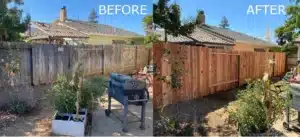
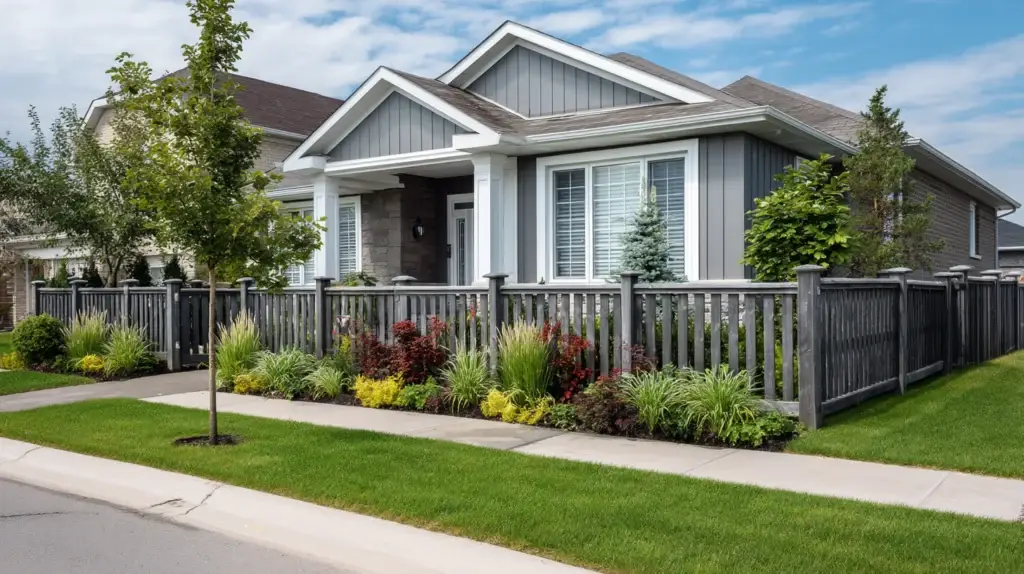
When you decide to install a new fence, one of the first questions that comes up is about price. The cost of fence and installation in 2025 depends on several factors like material type, labor rates, fence height, and overall design. Whether you’re planning to replace an old fence or build a brand-new one, understanding how fence installation costs break down will help you set realistic expectations and get the perfect fence for your property.
At Fantastic Fence, we believe in complete transparency. Our team of licensed professionals provides accurate estimates, high-quality craftsmanship, and honest advice on how to get the most value from your fence installation project.
Average Fence Installation Cost in 2025
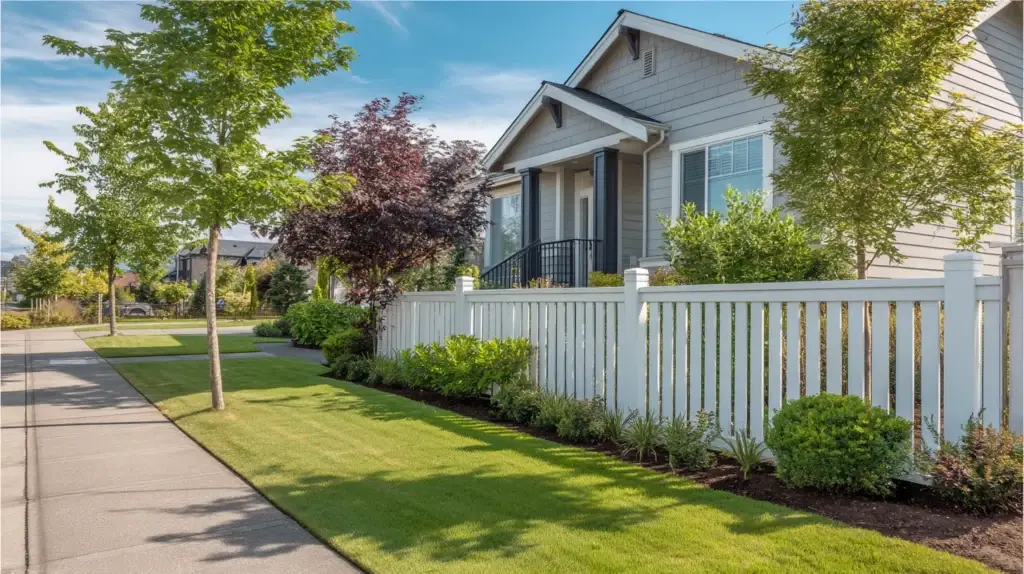
The average fence installation cost in 2025 ranges between $1,800 and $5,000, depending on the size of your property and the materials you choose. Most homeowners pay between $20 and $50 per linear foot, though simple designs like chain link fences are on the lower end, and premium options like wrought iron or composite fencing can cost significantly more.
When calculating fencing costs, think about how the total price covers not just materials but also labor costs, permits, and site preparation. A fence installation that’s done correctly will last for years and add serious curb appeal to your property.
Average Costs by Material Type
Each fence material has its own strengths and price range. Here’s what you can expect to pay per linear foot:
- Wood fences: $20 to $50 per linear foot. Wood is classic, versatile, and beautiful. It’s ideal for privacy fences or decorative picket fence styles. With proper maintenance, a wood fence can last 15 to 20 years.
- Vinyl fences: $30 to $60 per linear foot. Vinyl is a low maintenance choice that resists rot, insects, and fading. Although the vinyl fence cost is higher upfront, it saves money over time since it requires little upkeep.
- Chain link fencing: $8 to $40 per linear foot. This is the most affordable option and is perfect for securing pets or large backyards. Modern chain link fences can also include coatings and color finishes that improve their appearance and make them more rust resistant.
- Wrought iron and aluminum fences: $40 to $100 per linear foot. These offer premium style and strength. Wrought iron provides a traditional, elegant look, while aluminum fences are lighter and often more cost-effective. Both add timeless beauty and security.
- Composite fencing: $60 to $120 per linear foot. Composite fencing combines recycled wood fibers and plastic, offering a long lifespan with minimal upkeep. It’s becoming popular for homeowners seeking a balance between durability and style.
Cost by Project Size
Your project’s size directly affects the installation cost. A typical residential yard may need around 150 to 200 linear feet of fencing, resulting in a total cost between $4,000 and $12,000. Taller fences, complex layouts, or uneven terrain can raise the final cost because they require more material and time to install.
What Affects Fence Installation Costs
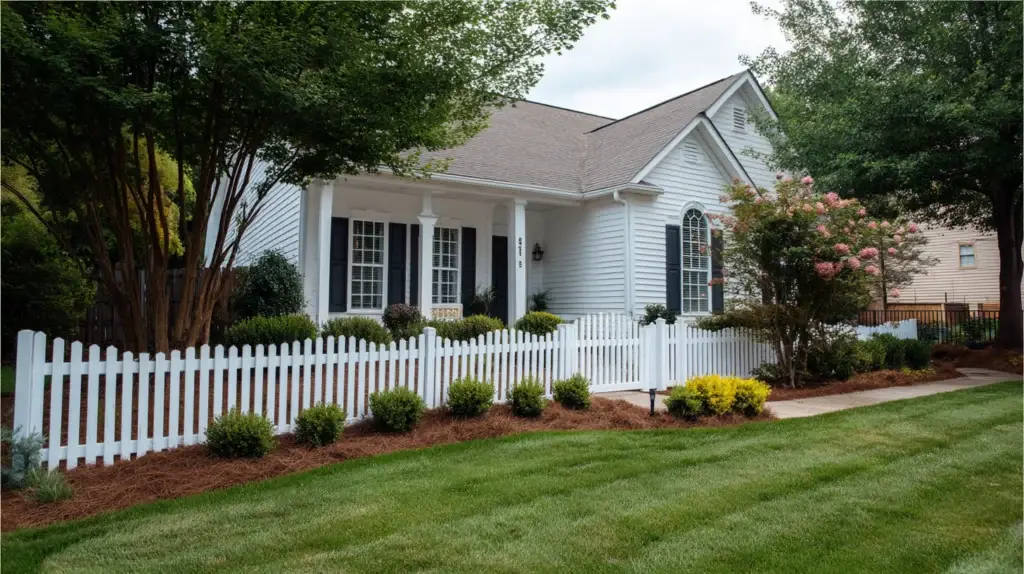
Fence installation costs vary based on several factors, and understanding these helps homeowners make smarter decisions.
1. Fence Material and Quality
Your choice of fence material is the most crucial factor. Premium options like composite or wrought iron come with higher material costs but offer greater longevity. Cheaper materials may save money upfront but could require frequent repairs or replacements.
2. Fence Height and Length
Longer or taller fences naturally need more materials and labor. As a result, the cost per linear foot increases with every additional foot of height or distance. A 6-foot privacy fence will always cost more than a 4-foot picket fence, even if they cover the same area.
3. Site Conditions and Preparation
Not all properties are flat and easy to work on. Slopes, rocks, and uneven terrain make it harder to install fence posts and align panels properly. Clearing an old fence, removing trees, or handling difficult soil can also increase overall costs. Fantastic Fence evaluates each site carefully so your estimate includes everything needed for a seamless project.
4. Labor Rates and Location
The labor rates in your area influence pricing significantly. Areas with higher labor fees or strict building regulations may increase your overall costs. Our team provides fence installation services that follow all necessary permits and local codes, ensuring every job meets the highest standards.
5. Decorative Elements and Add-Ons
Adding features like additional gates, post caps, lattice panels, or custom trim can enhance your fence’s appearance but add to the total price. Decorative elements are worth considering if you want your new fence to complement your home’s architecture and boost curb appeal.
How to Budget for Your Fence Installation Project
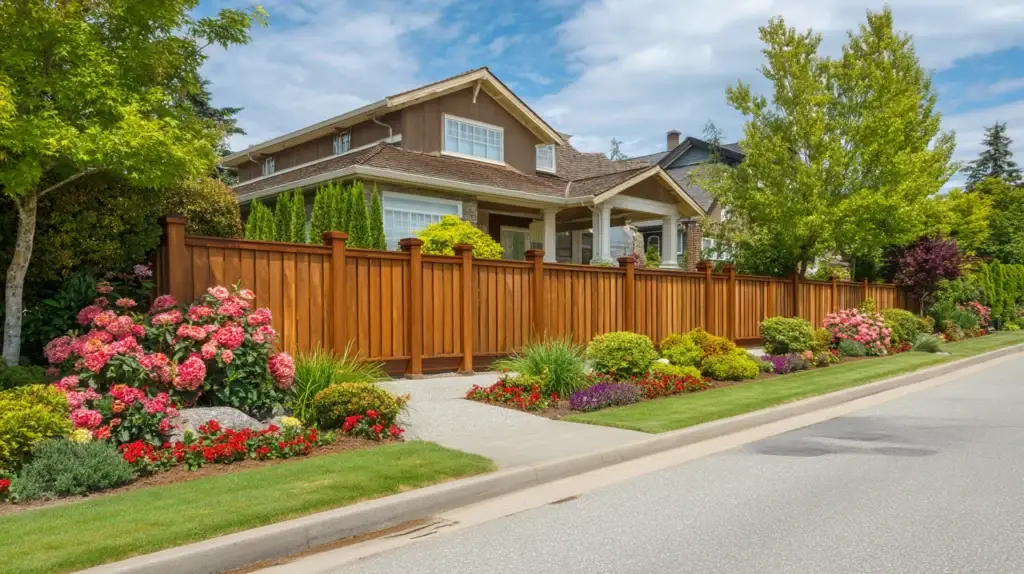
Estimating the Total Cost
To plan your fence installation project, start by measuring your property’s perimeter in linear feet. Choose the type of fence material you prefer, then multiply the total length by the price per linear foot for that material. Add in costs for gates, decorative features, and site prep for a rough estimate.
At Fantastic Fence, we provide a personalized quote for every project, ensuring each homeowner gets an accurate estimate based on real conditions, not guesswork.
Hidden Costs to Watch For
Permits, old fence removal, and disposal fees often surprise homeowners. We handle all necessary permits, disposal, and cleanup in-house, so your fencing costs are clearly explained from the start.
How to Save Money Without Losing Quality
Want to save money on your next project? Choose the right material type for your goals. For instance, vinyl or aluminum may have higher initial costs but require less proper maintenance over time. Planning your fence installation during the off season may also lower labor costs.
Fence Installation: What You’re Paying For
When you hire a professional contractor to install a fence, you’re paying for expertise, precision, and peace of mind. Professional installation ensures your fence is built to last and installed safely.
Professional Installation vs DIY
DIY can seem like a most affordable option, but by the time you factor in tools, materials, and your time, professional work often saves money in the long run. Poorly set posts or uneven alignment can cause higher costs later. Our experienced installers handle everything, from layout and digging to cleanup, delivering a flawless finish.
Step-by-Step Installation Process
- Site Inspection and Design: We review your property and discuss your vision.
- Material Selection and Measurement: Choose your ideal fence material, height, and layout.
- Setting Fence Posts: Correct post depth and alignment are key to stability.
- Panel Installation: Each section is carefully leveled and secured.
- Final Walkthrough and Cleanup: We ensure your property looks great before we leave.
This process guarantees the perfect fence for your needs and property layout.
Long-Term Value and Maintenance

The real value of a fence is measured over time. Wood fences last 15 to 20 years with proper maintenance, vinyl and composite fences can last 30 years or more, and wrought iron or aluminum fences often last a lifetime with minimal upkeep.
When you compare the average fence replacement cost to the original investment, it’s clear that quality materials and professional installation make all the difference. A well-built new fence enhances your property value and saves money on future repairs.
Getting an Accurate Estimate
Why On-Site Estimates Matter
Every property is unique. Online calculators can’t account for uneven terrain, accessibility, or special features. That’s why our experts perform on-site visits to provide an accurate quote tailored to your project.
What to Ask Before Hiring a Fence Contractor
When choosing a fence installation contractor, be sure to ask:
- Are they licensed and insured?
- Do they provide warranties on materials and labor?
- What’s included in the estimate?
- Do they take care of cleanup and disposal?
Fantastic Fence checks every box. Our estimate includes materials, labor, and site cleanup so there are no surprises.
FAQs About Fence Installation Cost
What is the national average for fence installation?
The national average for fence installation in 2025 is about $3,000, though prices vary based on location and materials.
What is the cost per linear foot for fence installation?
Most homeowners can expect to pay between $20 and $50 per linear foot, depending on the material and height.
Which material is the most affordable option?
Chain link remains the most affordable option for large properties, while wood and vinyl balance cost and style.
Does fence height change the price?
Yes, taller fences require more materials and labor, which increases the total cost.
What factors increase the final cost?
Extra features, uneven ground, and decorative add-ons can result in higher costs.
Can I replace my existing fence?
Absolutely. Fantastic Fence specializes in both fence installation and fence replacement projects, handling everything from removing your old fence to installing your new fence.
How can I save money on my fence project?
Scheduling during the off season, choosing durable materials, and maintaining your fence properly are great ways to save money.
Conclusion
The cost of fence and installation depends on several factors, including material, labor, and design. Knowing what affects pricing helps you plan wisely and ensures your project runs smoothly. Whether you want a privacy fence for your backyard, a decorative picket fence for your front yard, or a durable chain link solution for security, Fantastic Fence delivers high-quality results every time.
We take pride in offering transparent pricing, professional installation, and craftsmanship you can trust. Ready to find out how much your new fence will cost? Contact Fantastic Fence today for your personalized quote and let’s get started on your next project. Your perfect fence is just one call away.