Blog

Affordable Fence Installer That Offers 5 Star Service
When it comes to securing your property with a fence that combines quality and affordability, Fantastic Fence stands out as the premier choice in Sacramento. Our unwavering commitment to delivering 5-star service is rooted in strategic operational efficiencies and a dedicated in-house team. Here’s how we ensure top-tier service at an affordable price!​ Experienced and […]
Read More »
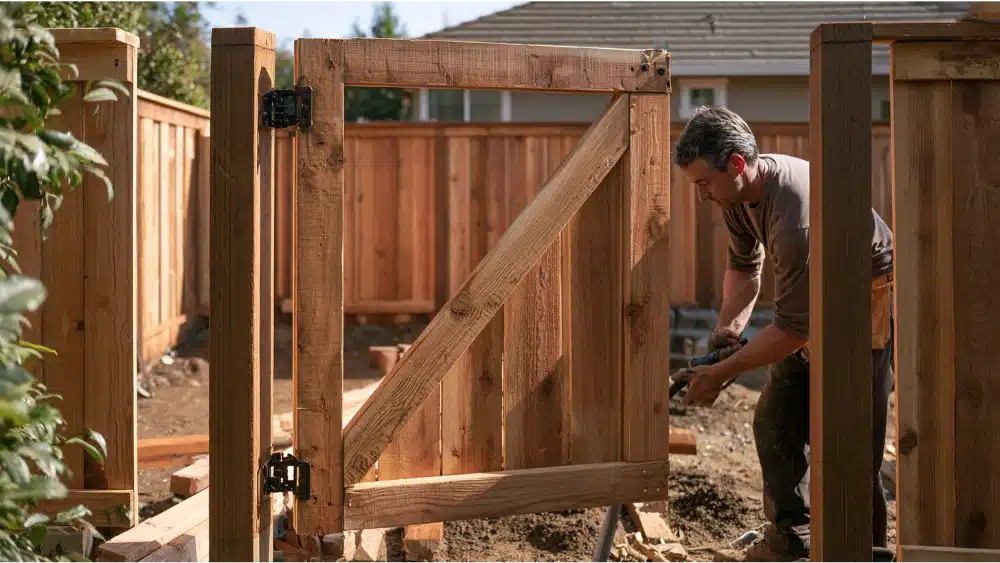
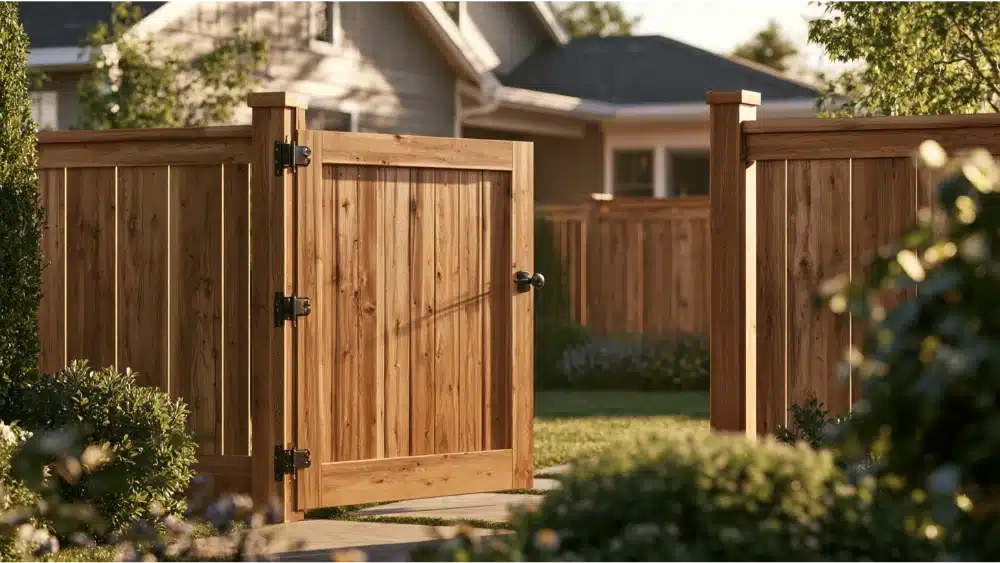
How Do Installers Ensure Gates Close Properly?
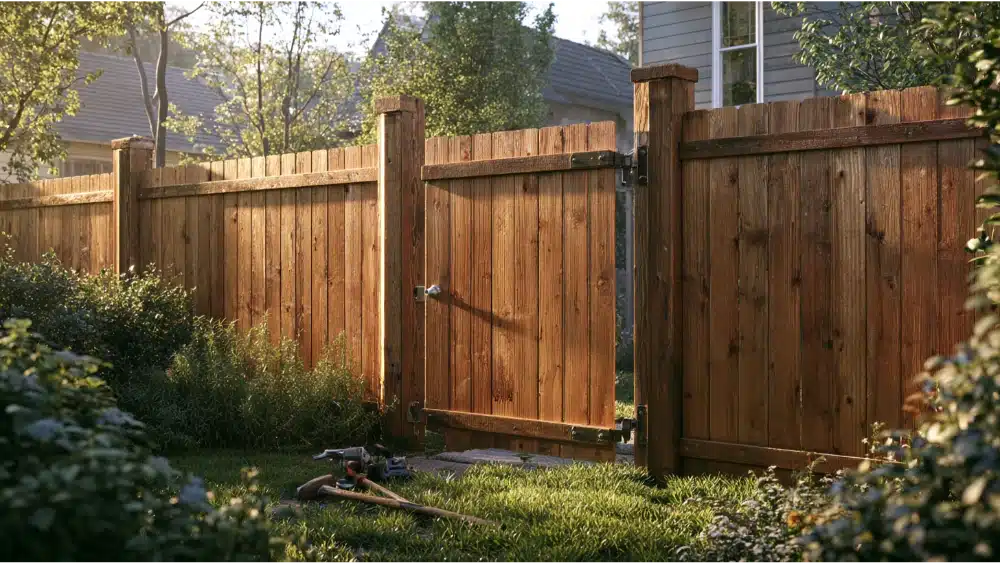
A gate is more than a moving part of a fence. It is the door to your yard, the first layer of security, and one of the most-used pieces of a residential property. When the gate closes well, your whole fence feels safer and more complete.
Read More »
How Do Contractors Design Custom Fences for Uneven Terrain?
Uneven terrain creates unique challenges because every section of the fence may need a slightly different approach. The posts, rails, pickets, bottom rail, and fence panels all need to meet the ground in a way that looks clean and stays strong.
Read More »
How Do Installers Prevent Vinyl Fence Panels From Sagging?
A vinyl fence is a smart, low-maintenance choice for many homeowners. Unlike wood, vinyl does not deal with insect damage or moisture damage in the same way, but every fence still needs proper support. A sagging fence can happen when fence posts move, screws loosen, rail ends shift, or the post hole was not dug to proper depth. Ground movement, heavy rains, strong winds, poor drainage, and soil erosion can also put pressure on the post and concrete footing.
Read More »
How Do Installers Align Bolt Up Steel Posts Accurately?
A fence can only stay straight when the fence posts are aligned from the beginning. If one post leans, the line can look uneven, panels may not fit, and the gate may not close the way it should. Accurate alignment protects the fence, improves stability, and helps the finished structure feel secure. A straight fence line also makes the yard feel more polished. It gives the home a cleaner edge and helps protect the property line. This matters even more with metal posts because steel is strong, but it is not forgiving when the post locations are wrong.
Read More »
What Spacing Is Used Between Ornamental Fence Pickets?
Most aluminum, steel, and wrought iron ornamental pickets are set with a gap close to 4 inches. This is the ideal spacing for many homes because it keeps the fence open without making the space between pickets feel too wide.
Read More »
What Materials Are Best for High Security Fencing?
A high security fence is more than a tall fence. It is a protective barrier designed to deter potential intruders, reduce unauthorized entry, and give your property a stronger sense of safety. The best security fence includes strong fence material, secure gates, proper installation, access control, security cameras, alarm systems, and the right fence height.
Read More »
What Materials Are Used For Custom Fencing Projects?
Every custom fences project begins with understanding goals. Some homeowners want privacy. Some want security. Others want better curb appeal or a simple upgrade to a worn-out wood fence.
Read More »
How Do Installers Prevent Gaps In Privacy Fences?
Fence gaps usually come from a mix of natural material behavior and installation choices. Understanding these helps explain how installers prevent gaps in privacy fences from the very beginning and how backyard fence designs can transform outdoor living when function and style are planned together.
Read More »
What Finishes Are Available for Metal Gates?
A gate works hard every day. It opens, closes, supports hardware, faces changing environmental conditions, and stands exposed through every season. Without the right protective coating, even strong steel or iron can begin to show wear, which can lead to common gate issues that require troubleshooting and repair.
Read More »
How Are Bolt Up Posts Anchored During Installation with Anchor Bolts?
A bolt-up fence post is a post with a metal plate at the end. That plate is used to attach the post to concrete with a bolt, nut, washer, and anchor system. Instead of setting the post into wet concrete, the installer drills a hole, places the anchor, and tightens the hardware.
Read More »
What Depth Is Required for Fence Post Replacement?
For most 6-foot privacy fence projects, a replacement post should be set about 24 to 36 inches deep. In many yards, 2 feet may be typically sufficient for a shorter or lighter fence, but a taller fence, heavier fence material, or a gate post often needs extra depth. For long-term strength, 36 inches is often the better choice.
Read More »
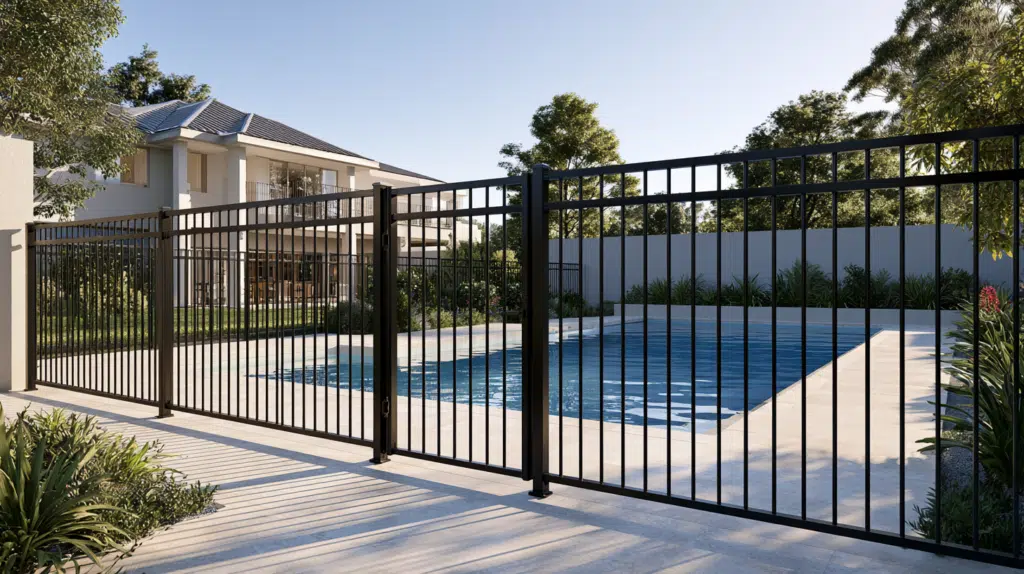
What Type of Gate Is Required for Pool Enclosures?
Pool gates matter because they help protect the people you love most. For families with residential pools, backyard pools, pets, guests, and children nearby, a secure gate is a key part of a safer pool yard. The right pool barrier helps reduce the risk of drowning incidents, accidental death, and unauthorized access to the pool when an adult is not present.
Read More »
How Do Installers Tension Chain Link Fencing Properly?
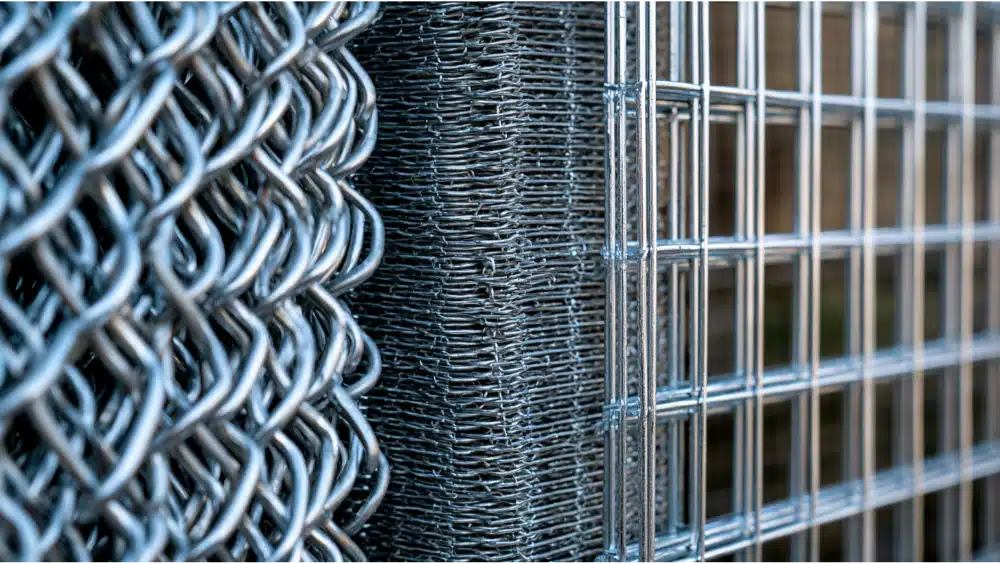
A chain link fence depends on balanced tension. If the tension is too loose, the fence can sag, rattle, and shift. If the tension is too tight, the posts can lean, the wire can bend, and the chain link mesh can lose its clean shape.
Read More »
How Do Contractors Build Fences That Block Visibility Completely?
Complete privacy means a fence blocks the view from neighbors, sidewalks, streets, and nearby outdoor areas. The best privacy fences are built with minimal gaps, solid coverage, and thoughtful planning around property lines and property boundaries. Many property owners think any tall fence will solve the problem, but fence height alone is not enough. A well designed fence must account for gates, slopes, wind loads, shrinking boards, and local regulations. Privacy fences serving residential properties should feel secure without making the yard feel closed off or harsh. The right fence creates clear boundaries, adds aesthetic appeal, and gives families a comfortable physical barrier they can trust.
Read More »
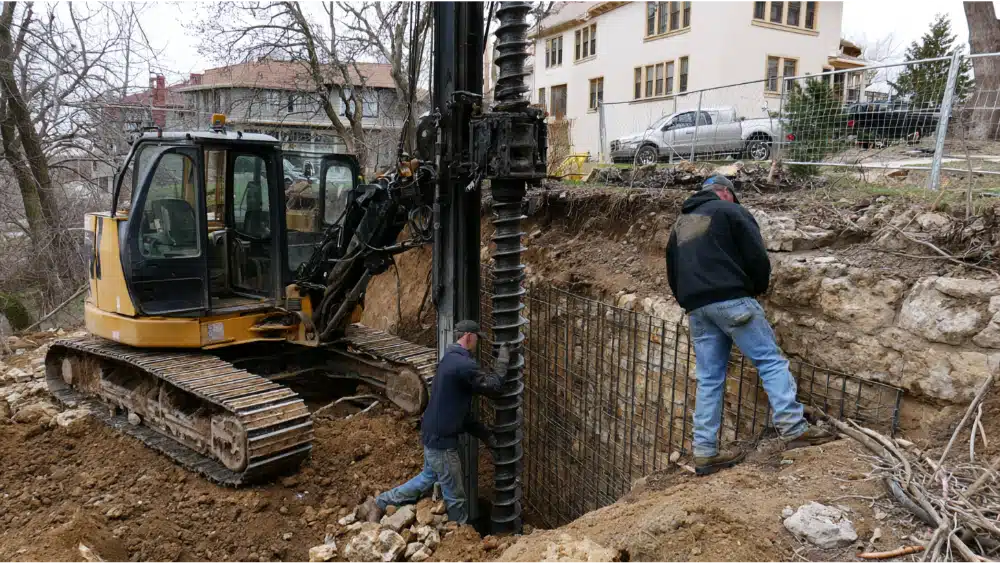
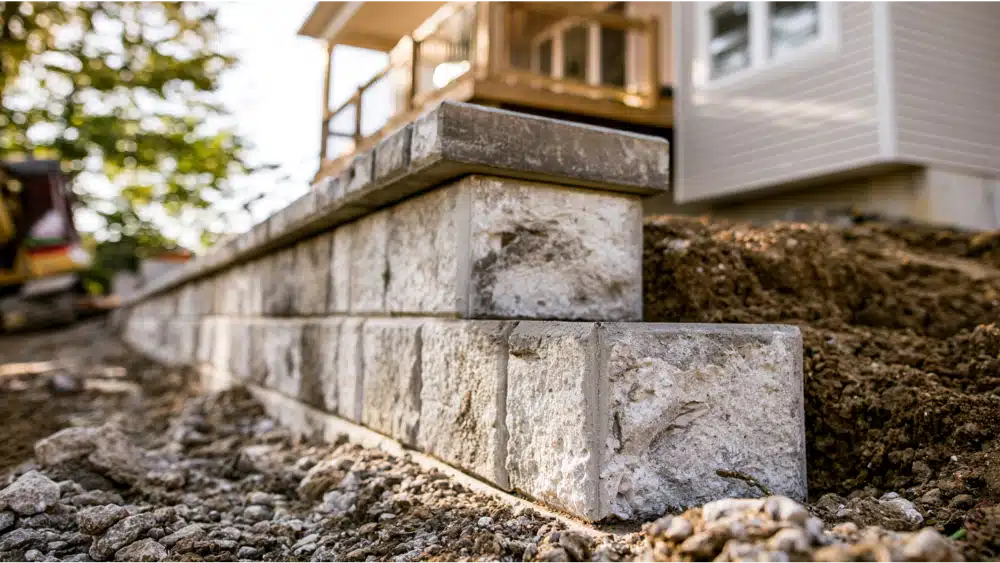
What Reinforcement Is Needed for Retaining Walls?
A retaining wall has one main job: to hold soil in place. That may sound simple, but soil is heavy. Wet soil adds even more weight. When soil builds up behind the wall, it pushes forward and creates lateral earth pressure. If the wall structure is not designed for that pressure, wall failure can happen over time.
Read More »
What Type of Footing Is Used for Vinyl Fence Posts?
Concrete is the gold standard for most vinyl fence installation projects because it gives fence posts a strong foundation. Vinyl fence panels can catch wind, especially privacy styles, so the posts need to be properly anchored in the ground. A strong concrete footing helps each vinyl fence section stay in line and protects the full fence installation from shifting.
Read More »
Durabond Steel Fence Installation Process: What Homeowners Should Expect
In many communities, stories of change often begin in unexpected ways. One example comes from Heidi Lane, where an early Friday morning brought attention to how quickly things can shift after a house fire. Situations like that remind homeowners how important strong boundaries and reliable materials can be. A new durabond steel fence offers that sense of structure and protection, helping families feel secure again as they move forward with enhanced privacy.
Read More »
Ornamental Iron Fence Rust Prevention: How to Protect What Matters Most
Rust has a way of showing up quietly and then spreading faster than expected. One day your wrought iron fence looks perfect, and the next you notice rust appears along a rail or near fence posts. That shift can be frustrating because it feels like something is slipping out of your control. The truth is, rust forms in predictable ways. When iron reacts with moisture and oxygen, it creates iron oxide, and that oxidation process is what causes the surface to break down. Once you understand how rust forms, it becomes much easier to prevent rust before it spreads across the entire fence.
Read More »
What Hinge Types Are Used for Heavy Duty Gates?
The load bearing capacity of your hinges determines whether your gate stays level or begins sagging over time. This is where many homeowners run into trouble. They choose hinges based on appearance instead of weight capacity, or they underestimate how much stress a wide gate creates on the post.
Read More »
The Best Retaining Wall Drainage Solutions: How to Protect Your Wall from Hidden Water Damage
Drainage matters because your retaining wall is doing more than holding soil. It is resisting constant water pressure from the surrounding soil. When proper drainage is missing, hydrostatic pressure builds slowly over time.
Read More »
How Do Contractors Secure Corrugated Fencing to Posts?
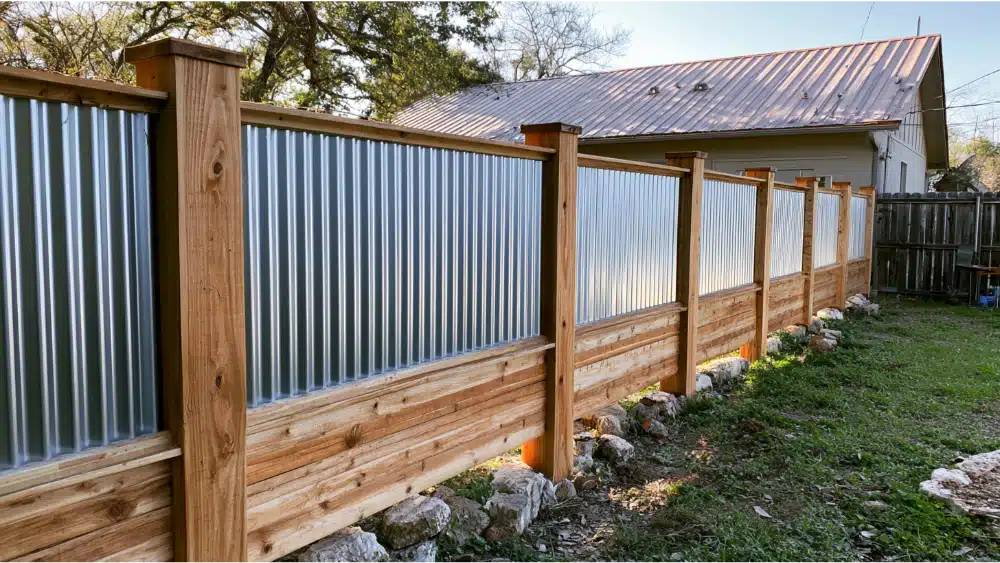
Homeowners choose this fence type because it offers durability, low maintenance, and strong resistance to weather. Corrugated metal is known for holding up against moisture and resisting rust when high-quality materials are used. Unlike wood, which can warp or rot, metal panels maintain their shape over time. This makes a corrugated fence a smart choice for long-term value.
Read More »
How Do Contractors Fix Leaning Fence Posts?
A fence post depends on its footing and the surrounding ground to stay secure. When shifting soil, erosion, or poor drainage weaken that support, the post begins leaning. Over time, even a small change in the soil can cause a noticeable tilt along the fence line. This is often the root cause that contractors look for first.
Read More »
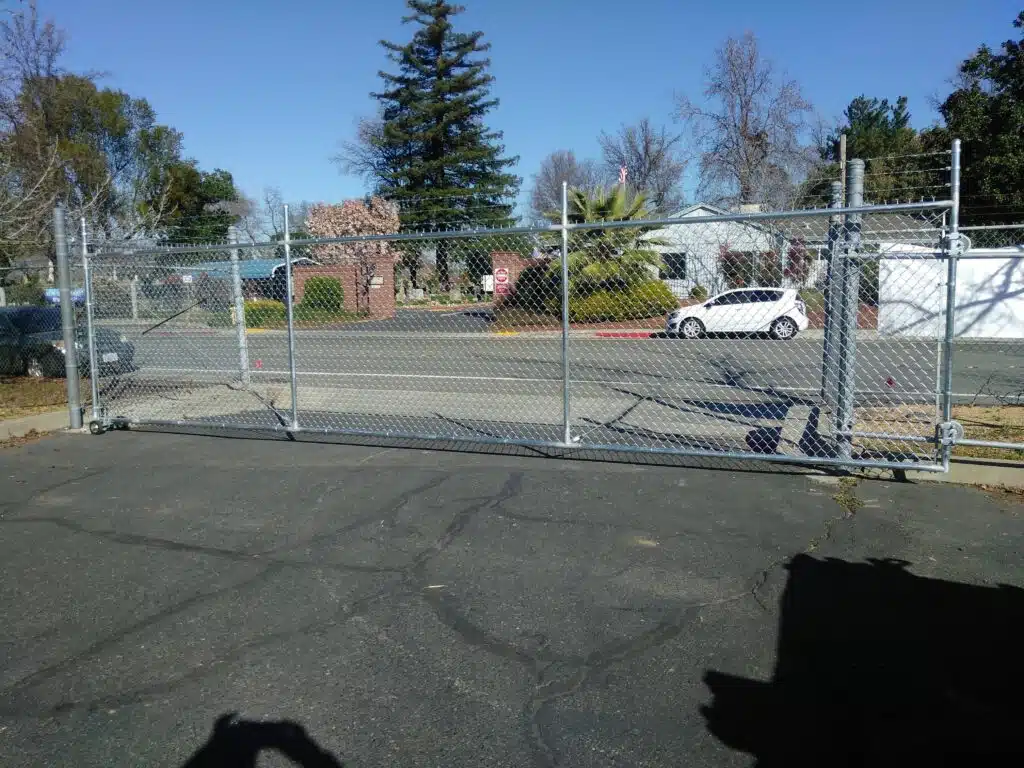
How Are Chain Link Fences Secured at Corners?
Every chain link fence depends on tension. The chain link fabric is stretched tightly across the fence line, and that tension travels all the way to the terminal posts at each end and corner post location. These areas carry force from multiple directions, making them the most important structural points in the entire fence system. Without properly installed terminal posts, the fence line can shift, sag, or even fail.
Read More »
What Materials Are Used for Fence Post Replacement?
Fence posts live underground, where moisture, pressure, and time work against them every day. The most common cause of failure is rot, especially in wood fence posts that were not rated for ground contact. Once moisture seeps in, a wooden post can weaken from the inside until it starts to break apart, so understanding the causes of wood fence rot and how to prevent it is critical for long-term performance.
Read More »
How Are Ornamental Iron Fences Anchored Securely?
Modern iron fences are designed with exceptional durability in mind. Many homeowners choose them over chain link fences because they offer both visual appeal and enhanced security. They combine strength with aesthetic appeal, giving your home a polished appearance while still protecting your space.
Read More »
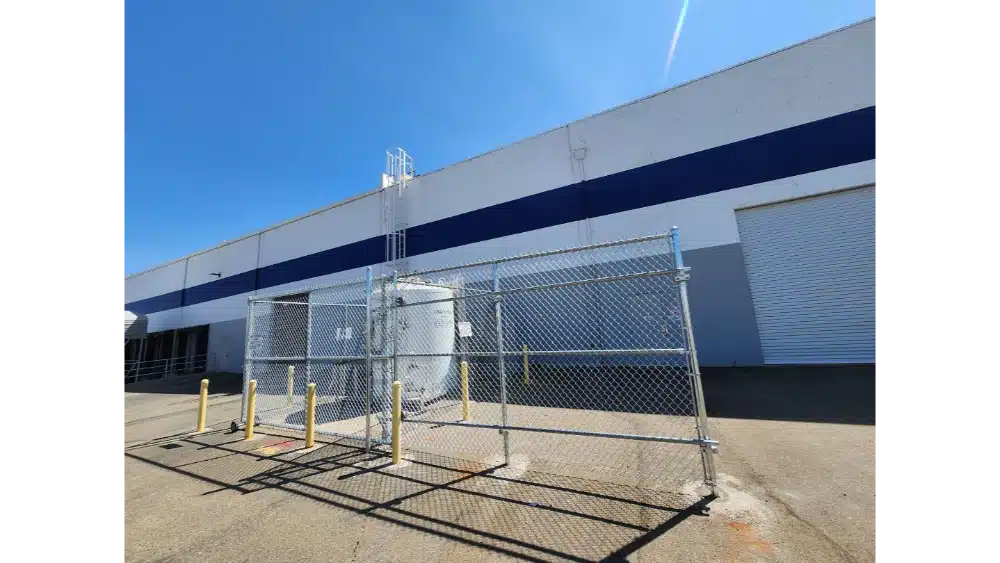
What Materials Are Used for Industrial Chain Link Fencing?
Most chain link fences may look alike from a distance, but the material type underneath tells a very different story. A standard chain link fence used in residential applications is built lighter than one used on commercial properties. Industrial chain link fencing is designed for strength, durability, and long-term security.
Read More »
DuraBond Steel Fence Coating Technology: Built for Strength, Designed for Peace of Mind
Most fence problems do not start with structure; they start with the surface. Ordinary steel siding or untreated wood begins to break down under sun, rain, and wind. That breakdown leads to rust, rot, and costly repair, especially with wood fences that are prone to rot. Many homeowners do not realize that the coating is what determines how long a fence will truly last.
Read More »
Durabond Steel vs Galvanized Steel Fencing: Which One Is Right for Your Yard?
Galvanized steel is created by coating steel with zinc, which acts as a layer of protection against rust and corrosion. This method has been used for decades across residential and commercial jobs because it helps protect the base steel from moisture, rain, and exposure to the elements. The zinc coating sacrifices itself over time, meaning it wears down before the steel underneath is affected. This gives galvanized steel fencing a solid reputation for durability in everyday conditions, much like choosing the right galvanized fasteners for fence installation helps protect wood fences from premature failure.
Read More »
How Do Contractors Restore Damaged Commercial Fences, And What It Means for Your Property?
A commercial fence does much more than define a boundary. It protects your commercial property, supports security systems, and adds to curb appeal and overall property value. When fence damage happens, it creates risks that go beyond appearance. Gaps or weak areas invite unwanted access. Loose fence components or broken fence sections can create liability concerns. For many commercial sites, even small issues can lead to bigger problems if not addressed with timely repairs.
Read More »
123-456-7890

Call the Number for Your Area

Book Online

What can we do for you?(Required)
Which side of the property?(Required)
Name(Required)

Call the Number for Your Area