If you own a pool or are planning one, you have probably asked yourself this exact question, do you have to have a fence around a pool? It is one of the most common concerns we hear from homeowners, especially families with kids or frequent guests. A swimming pool is meant to bring joy, relief during warmer months, and a place to swim and gather. At the same time, it brings responsibility. Pool fencing is not just about rules, it is about safety, protection, and peace of mind for property owners.
In most cases, the answer is yes. A fence around a pool or another approved barrier is required for residential swimming pools. The details vary by location, but the intent is always the same, to prevent unsupervised access and reduce risk. Let us walk through what homeowners need to know in 2025, using clear rules and plain language, so you can make confident decisions for your backyard and your family.
Short Answer First, Is a Pool Fence Required?
For many jurisdictions across the United States, pool fencing is required by law. Pool fence regulations exist at the state and local level, and many states follow federal guidelines and model safety standards. While some alternatives may be allowed, a properly installed fence is the most common and reliable way to meet pool fencing requirements.
Local authorities enforce these rules through building codes and inspections. Whether you are installing a new pool or already own one, you are expected to follow local laws that apply to your pool area. This applies to in ground swimming pool designs, above ground pools, portable pools, and even temporary pools once they reach a certain depth.
Why Pool Fence Laws Exist and Why They Matter
Child Safety Comes First
Pool safety laws exist for one reason above all others, protecting children. Drowning is a leading cause of accidental injury for young kids, especially around residential swimming pools. Many incidents happen during brief moments of distraction, when a child gains unsupervised access to the pool.
A fence creates a physical barrier that helps prevent access to the water. It gives parents and caregivers one more layer of protection, and it turns a dangerous moment into a preventable one. Safety measures like fencing, gates, and secure latches are designed to work together to protect lives.
Liability and Homeowner Responsibility
Beyond safety, there is legal responsibility to consider. Property owners can face legal liability if someone is injured in their pool area. Even if a guest enters without permission, the pool owner may still be responsible. Non compliance with pool fence regulations can increase potential liability and lead to fines, denied insurance claims, or lawsuits.
A fence that meets legal requirements shows that you took reasonable steps to secure your property. It helps pool owners protect not only children and guests but also their entire property and financial future.
Pool Fence Laws Explained, Federal vs State vs Local
Are There Federal Pool Fence Laws?
There is no single nationwide law that applies to every swimming pool. Instead, many states and cities adopt federal guidelines and model standards, including those developed under the international swimming pool safety framework and spa code concepts. These guidelines influence local regulations and set a baseline for safety.
State Laws and Why They Vary
Many states adopt their own pool fencing requirements. Florida, for example, has specific rules for residential pools that focus on preventing access through doors and gates. California also has strict regulations that require multiple safety measures. These laws reflect regional needs, climate, and risk patterns.
Local City and County Rules
Local authorities often add their own rules on top of state laws. Fence height, gate locks, spacing, and materials can all vary by location. That is why it is important to verify requirements with your local building department. Local codes are what inspectors enforce, and they determine whether your pool fence installed will pass inspection.
California Pool Fence Requirements 2025 Overview
California is known for clear and detailed pool fence regulations. These rules are designed to reduce risk and improve pool safety for families.
Minimum Height Requirements
In most California locations, the minimum height for a pool fence is five feet. This fence height helps prevent children from climbing over the barrier. Some areas allow different heights depending on materials and design, but five feet is the most common standard.
Gate Rules You Must Follow
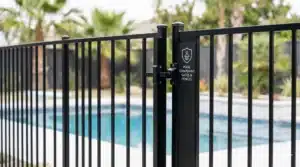
Gates are critical to pool safety. Most regulations require self closing gates that open away from the pool area. These gates must also include self latching mechanisms that automatically secure the gate every time it closes. Gate locks are often required to be installed at a height that children cannot reach.
Self closing and self latching gates are among the most frequently checked items during inspections. A gate that does not close properly can cause a failed inspection.
Spacing, Gaps, and Anti Climb Rules
Gaps under the fence and between vertical members are regulated to prevent children from squeezing through. Horizontal rails that make climbing easy are often prohibited. The goal is to ensure the fence meets safety standards and prevents access from every angle.
What Happens If You Do Not Comply
Non compliance can delay your ability to use the pool. You may be required to rebuild sections of the fence, replace gates, or add additional barriers. In some cases, fines or insurance complications can occur. Ensuring compliance from the start avoids stress and unexpected costs.
Does Every Type of Pool Need a Fence?
In Ground Pools
In ground swimming pool designs almost always require fencing. A dedicated barrier around the pool area is considered the safest and most reliable option.
Above Ground Pools
Above ground pools may use the pool wall as part of the barrier in some locations. However, access points such as ladders must be removable or enclosed with gates. Many jurisdictions still require a fence around above ground pools depending on height and access.
Spas and Hot Tubs
Some spas allow a rigid pool cover to act as a barrier if it meets safety standards. This is influenced by spa code rules and local regulations. In many cases, a fence is still required if the spa is easily accessible.
Portable and Temporary Pools
Portable pools and temporary pools are often overlooked by homeowners. Once a pool reaches a certain depth, it may fall under the same legal requirements as permanent pools. Many local laws treat these pools the same when it comes to fencing and safety.
Can My House Act as One Side of the Pool Fence?
Door and Window Safety Requirements
In some cases, a house can form one side of the pool barrier. This option usually requires alarms on doors, self closing features, and other safety measures. The door must prevent unsupervised access from the house to the pool.
Why Dedicated Pool Fencing Is Often Safer
While using the house as part of the barrier is sometimes allowed, it adds complexity. A dedicated fence around the pool area creates clear separation and reduces risk. It simplifies maintenance, inspections, and daily use for families.
Pool Fence Height, Material, and Design Options
Standard Fence Heights Explained
Fence height requirements vary, but most fall between four and six feet. Taller fences provide added security and peace of mind, especially in homes with kids.
Best Materials for Pool Fencing
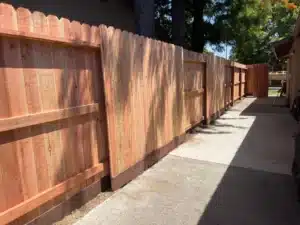
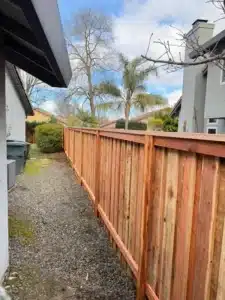
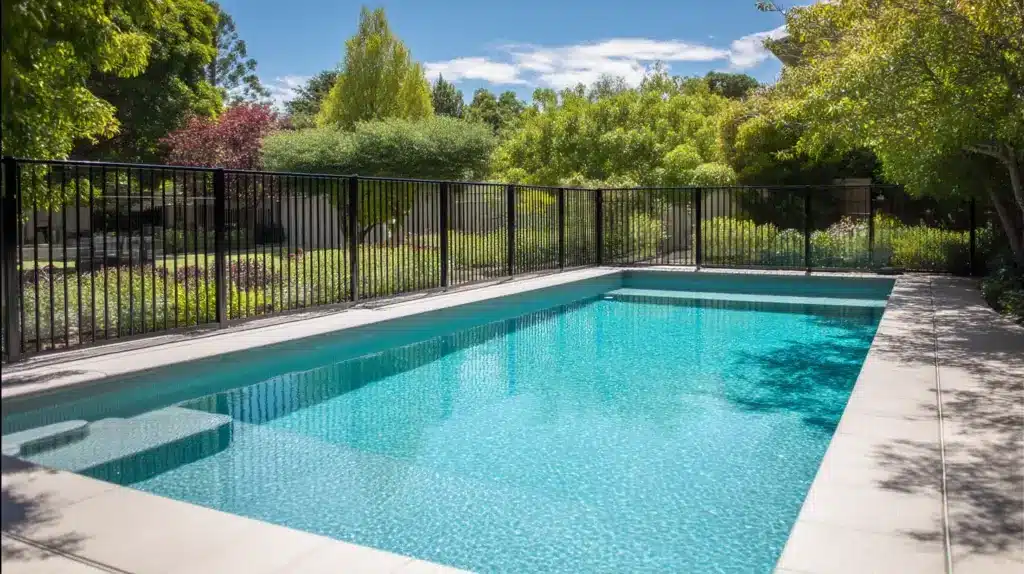
Materials matter for safety and longevity. Aluminum and glass fences are popular because they are durable and difficult to climb. Mesh fencing systems are also used for temporary or removable safety solutions. Wood and vinyl can work when designed correctly and maintained to prevent rot.
Choosing a Fence That Is Safe and Beautiful
A fence does not have to detract from your yard. Modern designs allow pool fencing to blend with landscaping, complement the backyard, and enhance the overall look of the property while keeping the pool secure.
Pool Fence Cost Expectations in 2025
Average Pool Fence Costs
Costs vary depending on materials, location, and layout. California homeowners often see higher costs due to stricter regulations and labor standards. Still, investing in safety is far less expensive than dealing with potential liability later.
What Impacts Pricing
Fence length, slope of the ground, number of gates, and materials all affect pricing. Custom designs, glass fences, or additional safety features can increase costs.
What Is Included in Professional Installation
Professional installation typically includes proper layout, secure posts, compliant gates, and cleanup. A professional ensures the fence meets building codes and passes inspection.
Common Pool Fence Mistakes Homeowners Make
Many homeowners assume an existing yard fence automatically meets pool fencing requirements. Others install gates that do not self close or self latch properly. Skipping permits or ignoring local codes often leads to costly corrections later.
How to Check Your Local Pool Fence Requirements
Step by Step Checklist
Contact your local building department and ask about pool fence regulations. Verify fence height, gate rules, spacing, and materials. Ask about inspections and documentation needed.
When to Call a Professional
If rules feel confusing, professional guidance can help. Experienced installers understand local regulations and ensure compliance from day one.
Frequently Asked Questions
Do you legally have to fence a pool?
In most locations, yes. Legal requirements usually call for a fence or approved barrier to prevent unsupervised access and reduce the risk of accidents. These laws are in place primarily to protect children and pets from drowning hazards.
What happens if my pool does not have a fence?
You may face fines, inspection failures, or increased legal liability. Additionally, insurance companies might refuse coverage or raise premiums, and you could be required to make costly modifications to bring your pool area up to code.
How tall does a pool fence have to be?
Most requirements fall between four and five feet, depending on location. Some areas may have stricter height regulations, especially if the fence is near windows or other climbable structures.
Can a backyard fence count as a pool fence?
Only if it meets all specific requirements for pool safety. This includes proper height, self-closing and self-latching gates, and no gaps that a child could squeeze through or climb over.
Do above ground pools need fences?
Often yes, especially if access is not fully controlled. Some jurisdictions allow the pool walls themselves to act as a barrier if they are high enough and ladders are removed or secured.
Are pool covers a substitute for fencing?
Sometimes for spas, but not always for swimming pools. Safety covers must meet specific standards and be certified to qualify as an alternative barrier under local regulations.
Does insurance require pool fencing?
Many insurers require or strongly recommend fencing to reduce risk. Having a compliant pool fence can also help lower your insurance premiums and protect you from liability claims.
Final Thoughts, Safety, Compliance, and Peace of Mind
A pool should be a place to swim, relax, and create memories, not worry. Pool fencing creates a safer environment, helps prevent accidents, and protects property owners from unnecessary risk. With clear rules and proper installation, you can enjoy your pool knowing you have done the right thing.
Let Us Build Something Safe Together
If you are unsure whether your fence meets requirements or you are planning a new pool, you do not have to navigate it alone. A safe, secure pool area brings confidence and comfort. Your backyard deserves thoughtful care, and we are always here to help you create it.