
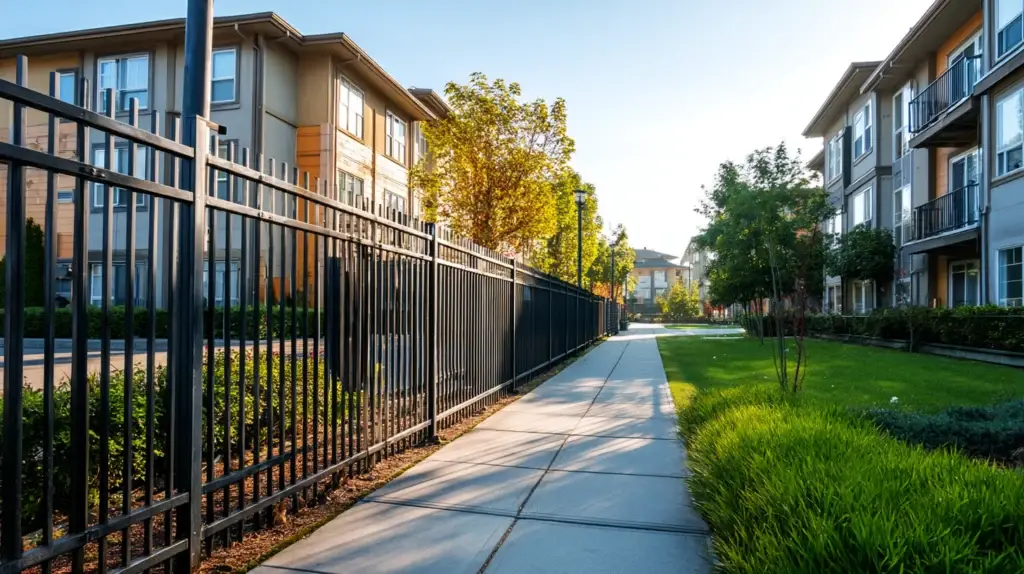
Choosing the right fence is a big moment for any homeowner. A fence is not just a boundary, it is a daily part of how your property feels, functions, and protects what matters most. When families compare aluminum vs steel fence options, they are usually looking for a balance between beauty, security, durability, and maintenance. This ultimate guide is designed to walk you through aluminum vs steel with clarity, warmth, and honesty so you can feel confident in your final decision.
Why Choosing the Right Metal Fence Matters More Than You Think
A metal fence becomes part of your everyday life. You see it when you pull into the driveway. You trust it to protect kids, pets, and your property. The right fence adds peace of mind, curb appeal, and long term value. The wrong fence can quietly create frustration through rust, maintenance, or unexpected costs. Aluminum vs steel is not just about material, it is about lifestyle, weather, and how much time you want to spend maintaining your fence.
Aluminum vs Steel Fence at a Glance
When homeowners compare aluminum vs steel fence choices, the differences come down to weight, strength, maintenance, and corrosion resistance. Aluminum fencing is lightweight, naturally resistant to rust, and known for low maintenance ownership. Steel fencing is heavier, more rigid, and often chosen for maximum strength and security. Both aluminum and steel fencing can be beautiful and durable when installed correctly.
What Is an Aluminum Fence?
How Aluminum Fencing Is Made
Aluminum fencing is manufactured from extruded aluminum components that are designed to be strong yet lightweight. Aluminum does not contain iron, which gives it excellent rust resistance. A protective layer in the form of powder coating is applied to improve durability, color options, and weather resistance. Unlike steel, aluminum does not corrode when exposed to moisture.
Common Aluminum Fence Styles
Aluminum fencing offers various styles that work well with many architectural style preferences. Flat top designs feel modern and clean. Spear top styles echo classic wrought iron looks without the upkeep. Pool compliant fence types provide safety while maintaining aesthetic appeal. Aluminum fencing offers flexibility for residential property owners who want beauty without stress.
Pros and Cons of Aluminum Fencing
Pros of Aluminum Fences
Aluminum fencing is a favorite for homeowners who value low maintenance living. Aluminum fence requires minimal maintenance, typically only occasional cleaning with water. It is lightweight, easy to transport, and easier to install on many properties. Aluminum fencing offers exceptional durability in harsh weather conditions and coastal areas where corrosion is a concern. Rust resistance is one of its biggest strengths.
Cons of Aluminum Fences
Aluminum is not as rigid as steel. While it is durable, it may flex more under heavy impact. For some property owners seeking maximum strength, this can be a concern. Premium aluminum styles can increase cost, although many see it as a budget friendly option over time due to reduced maintenance.
What Is a Steel Fence?
How Steel Fencing Is Made
Steel fencing is made from iron based material, often referred to as ornamental steel or inspired by classic wrought iron. Modern steel fencing uses a protective coating system that includes galvanizing and powder coating. This coated surface helps prevent rust and corrosion, but steel will rust if the protective layer is damaged and not maintained.
Common Steel Fence Styles
Steel fencing is often chosen for ornamental steel designs, estate properties, and commercial properties. It delivers a bold presence and classic wrought iron appearance. Steel fencing is popular when security, rigidity, and visual strength are priorities.
Pros and Cons of Steel Fencing
Pros of Steel Fences
Steel fencing provides maximum strength and rigidity. It feels sturdy and secure, making it ideal for security focused projects. Steel is often selected for barrier applications where impact resistance matters. With proper protective coating, steel fencing can last for decades and deliver timeless style.
Cons of Steel Fences
Steel fencing requires more maintenance attention. Rust can develop if coatings are scratched or chipped. Property owners must inspect, maintain, and occasionally repair the fence to prevent corrosion. Steel is heavier, which can increase installation complexity and steel fence cost depending on the project.
Aluminum vs Steel Fence Durability in Real Life
Rust, Corrosion, and Weather Exposure
In real world conditions, aluminum vs steel fence performance often comes down to moisture exposure. Aluminum is resistant to rust and corrosion, even in extreme weather conditions. Steel depends on its coated surface to prevent rust. In coastal areas or regions with frequent rain, aluminum often becomes the sweet spot for durability and peace of mind.
Impact Resistance and Longevity
Steel offers higher rigidity and impact resistance. Aluminum is durable but lighter and more flexible. Both aluminum and steel fencing can last decades, but aluminum typically maintains its appearance with less effort over time.
Maintenance Comparison: What Living With Each Fence Is Like
Aluminum Fence Maintenance
Aluminum fencing is known for minimal maintenance. Aluminum fence requires occasional cleaning to remove dust or debris. There is no need to repaint or worry about rust. For busy families, this low maintenance lifestyle is a major advantage.
Steel Fence Maintenance
Steel fencing requires more hands on maintenance. Property owners should inspect for chips, scratches, and exposed metal. Touch up paint and protective coating repairs help prevent rust. Steel fencing rewards attention but demands commitment.
Cost Comparison in 2025: Aluminum vs Steel Fence
National Average Costs
Cost is always part of the aluminum vs steel fence conversation. Aluminum fencing typically falls into a mid range cost category. Steel fencing can be cheaper for basic designs or more expensive for ornamental steel styles. Steel fence cost varies widely based on design, height, and coating quality.
California and Sacramento Area Expectations
In California, installation costs reflect terrain, weather, and labor. Aluminum or steel fence installations for full backyards typically range from moderate to premium pricing. Aluminum is often seen as an affordable long term option due to lower maintenance costs.
Long Term Cost of Ownership
Over time, aluminum often proves cheaper due to minimal maintenance and rust resistance. Steel may require repainting or repairs, adding to long term cost. Property owners should consider not just installation cost, but maintenance and longevity.
Aluminum vs Steel Fence for Security
Perceived Security vs Real World Security
Steel fencing delivers a strong visual barrier and sense of security. Aluminum fencing still provides excellent boundary definition and safety for most residential properties. Security needs depend on location, usage, and personal comfort.
Best Choice for Families and Pets
For families, aluminum fencing often provides the best choice due to low maintenance and durability. Steel may be preferred where maximum strength or rigid barriers are needed.
Design and Curb Appeal
Aluminum Fence Appearance
Aluminum fencing maintains consistent color and finish thanks to powder coating. It offers various styles and color options that complement many homes. Its lightweight design blends well with landscaping.
Steel Fence Appearance
Steel fencing offers a bold, classic wrought iron look. Ornamental steel designs enhance aesthetic appeal for traditional or upscale properties. Steel can show wear over time if not properly maintained.
Best Use Cases: Which Fence Is Right for You?
Aluminum Fence Is Best If
You want low maintenance, rust resistance, and a durable fence that handles weather with ease. Aluminum is ideal for residential property owners who want peace of mind.
Steel Fence Is Best If
You want maximum strength, rigidity, and a strong security presence. Steel suits property owners willing to maintain coatings and protect against rust.
Aluminum vs Steel Fence FAQs
Does aluminum fencing bend easily?
Quality aluminum fencing is durable and designed for residential use. It may flex more than steel but remains reliable.
Will steel fencing rust?
Steel can rust if the protective coating is damaged. Regular maintenance helps prevent rust.
Which fence lasts longer?
Both aluminum and steel fencing can last decades. Aluminum typically requires less maintenance to maintain longevity.
Is aluminum strong enough for dogs?
For most dogs and residential uses, aluminum is strong enough. Steel may be better for larger or more aggressive dogs.
Which fence adds more property value?
Both aluminum and steel fencing can add value when matched to the property style and needs.
Can both be installed on sloped yards?
Yes, both aluminum and steel fences can be installed on sloped or uneven terrain.
How Fantastic Fence Helps You Choose With Confidence
We help property owners navigate aluminum vs steel fence decisions with honesty and care. We look at your property, your goals, your budget, and your lifestyle. We install fences with quality craftsmanship and help you choose a fence that feels right for years to come.
Final Thoughts: From Uncertainty to Confidence
The aluminum vs steel fence debate does not have a single right answer. The right fence is the one that fits your property, weather, style, and maintenance comfort. Aluminum or steel, both aluminum and steel fencing can be excellent choices when guided by experience. Your final decision should bring relief, confidence, and pride every time you see your fence standing strong.


