Your backyard fence is more than just a boundary — it’s a working system that protects your property, adds curb appeal, and supports gates, landscaping, and security features. Like anything exposed to the elements year‑round, fences need occasional attention to stay reliable.
In Sacramento County and Placer County, seasonal swings matter. Hot, dry summers, early fall temperature changes, and winter rain all take a toll on fence posts, fasteners, and gate hardware. The good news? A simple 15‑minute yearly inspection can help you avoid expensive repairs and unexpected fence failures.
An annual 15-minute inspection is the best way to catch minor issues before they become expensive “fence emergencies.”
Quick Summary: Your Inspection Checklist
- The Push Test: Check posts for wobbling or rot.
- The Hardware Check: Look for loose screws, rusty nails, or dragging gates.
- The Vegetation Clear: Remove debris and vines from the base.
- Material Specifics: Check for rust on iron, cracks in vinyl, or sagging in agricultural wire.
1. Failed Fence Posts: The #1 Problem We See

Across hundreds of inspections every month, failed wood posts are by far the most common issue — especially on fences older than 10–15 years.
Why Posts Fail in Sacramento-Area Fences
Most failures occur at the ground line, where the post enters soil or concrete. This area stays damp due to:
- Lawn and drip irrigation
- Poor drainage in clay-heavy soil
- Mulch or soil piled against the post
Moisture allows microbes to attack the wood from the inside out. From the surface, posts may look fine — until wind pressure causes them to snap.
2. Master the "Quick Push Test" for Post Rot
- How to do it: Walk your fence line and apply firm pressure to the side of each post.
- The Signs: If the post feels “squishy,” wobbly, or makes a cracking sound, the structural integrity is compromised.
- The Solution: Often, you don’t need a whole new fence. A simple post replacement or a temporary support post can add years to your fence’s life.
Schedule Your FREE Fantastic Fence Inspection Today!
3. Material Matters: What to Look For
Every material has different “pain points.” During your yearly walkthrough, look for these specific signs based on your fence type:
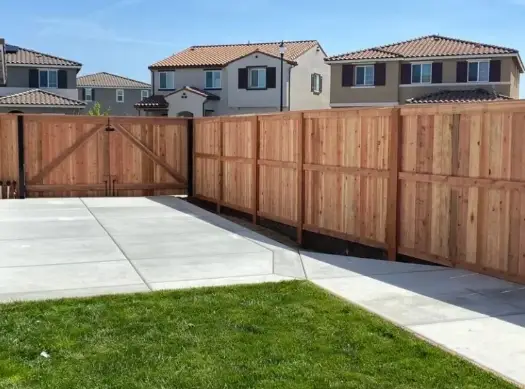
- Redwood & Wood Fences: Look for “fuzziness” on the wood (early rot) or boards that are warping and pulling away from the rails.
- Ornamental Iron: Check the joints for signs of orange rust. Catching rust early allows you to sand and touch it up before it eats through the metal.
- Vinyl (PVC): Look for cracks caused by weed-whackers or sun-brittleness. Ensure the panels are still snapped securely into the posts.
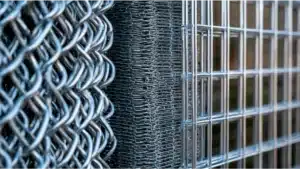
- Chain Link & Agricultural Wire: Check for sagging or “belly” in the wire. Ensure the tension bars are still tight and the fabric is securely tied to the top rail.
- Automated Electric Gates: Test the sensors to ensure the gate reverses when it hits an obstruction. Listen for “grinding” sounds in the motor, which could indicate a lack of lubrication.
4. Checking Fasteners and Sagging Gates

Gravity and weather are constantly working against your fence.
- Loose Fasteners: Look for nails that have “popped” out or screws that have rusted through. Replacing a few 10-cent screws today can prevent a whole panel from falling tomorrow.
- Gate Sag: If your gate is dragging on the ground, it puts massive stress on the hinge post. This can usually be fixed with a simple hinge adjustment or a gate cable kit.
5. Vegetation, Irrigation & Moisture Control
While climbing vines look beautiful, they are a primary cause of fence decay. They trap moisture against the material and their weight can cause the fence to lean.
- The Rule of Thumb: Cut back vegetation that is right up against the bottom of your fence. Also pull back any mulch or soil to prevent “wicking” moisture into the wood.
- Trim Back: Ensure tree branches aren’t rubbing against the fence, as wind will cause the branch to act like sandpaper, wearing down your finish.
- Pull Back Bark, Mulch, and Rock: Piling landscaping materials against fence posts traps moisture and causes rot. Keep bark, mulch, and rock pulled away from posts so they can dry out and last longer.
- Aim Sprinklers Away from Fence Posts: Overspray keeps posts damp and shortens their lifespan.
6. Assess Finishes and Sealants
- Redwood Fences:
- If you have a Redwood fence, the wood’s natural oils help protect it, especially when left unfinished. However, if your fence has been painted or sealed, your yearly inspection is the right time to reassess those coatings.
- Look for chipping or peeling paint, or fading and uneven color if the fence is stained. These signs mean the protective layer is breaking down. Reapplying paint or stain early helps shield the wood from moisture, slows deterioration, and significantly extends fence life.
- Iron/Metal Fences
- Inspect Iron for Rust: Look for early rust at joints and welds. Wire brush it, apply a rust-inhibiting primer, and repaint to stop corrosion before it becomes a costly repair.
Why a Free Professional Fence Inspection Adds Value
A homeowner walkthrough is a great first step — but some of the most expensive problems are not visible from the surface.
Fantastic Fence offers free, no-obligation inspections. Whether you want confirmation your fence is in good shape or expert ideas on affordable fence repair options we are happy to help!
Don’t wait until the next windstorm to find out your fence is weak.
Call our local offices directly:
- Rocklin: 916-790-7100
- Sacramento: 916-248-5518
- Elk Grove: 916-345-0142