How do installers ensure gates close properly? The answer begins with careful planning, precise measurements, strong posts, properly chosen gate hinges, the right gate closer, and final adjustments that help the gate return to the closed position without sticking, dragging, or slamming. A dependable gate is never just about one part. It is about the full installation process, from the first mark on the post to the final swing test.
Why a Properly Closing Gate Matters
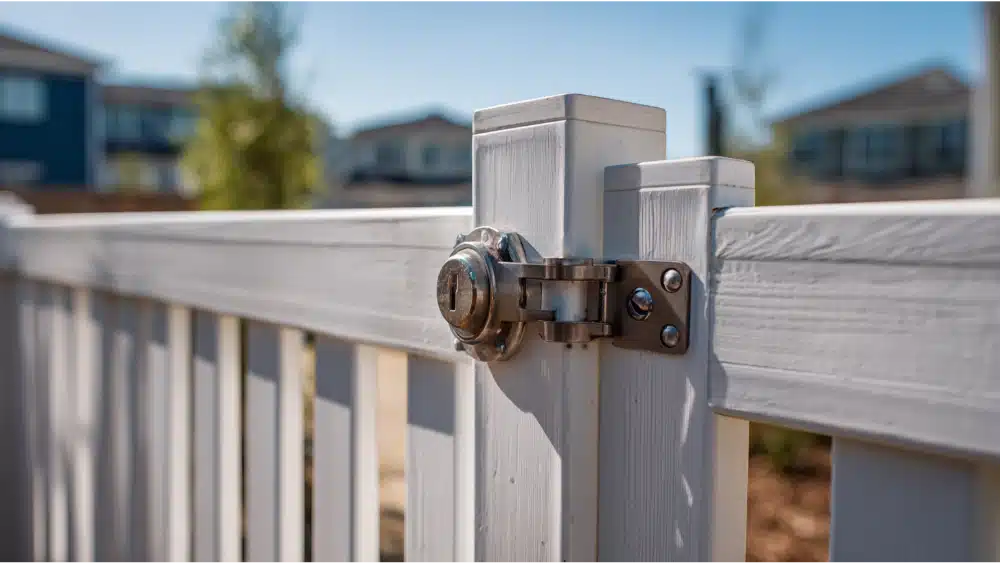
A gate is more than a moving part of a fence. It is the door to your yard, the first layer of security, and one of the most-used pieces of a residential property. When the gate closes well, your whole fence feels safer and more complete.
It Protects Your Yard and Your Peace of Mind
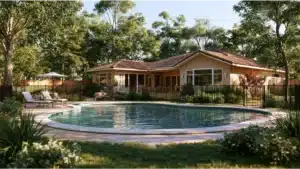
A gate that does not shut can leave pets, children, tools, and outdoor spaces less protected. This matters even more around swimming pools, where safety is key. A properly installed automatic gate closer helps the gate automatically close after someone walks through, giving the customer more confidence every day.
It Prevents Daily Frustration
No homeowner wants to lift a sagging gate, push with force, or slam a door just to get it locked. Smooth operation matters. A good installer watches how the gate swings, how the closer responds, and whether the latch meets cleanly.
It Helps Your Fence Last Longer
When a gate is out of line, it can strain hinges, latches, hardware, the post, and surrounding materials. That wear and tear can lead to repairs. Proper installation helps by extending the life of the moving parts.
It Starts With Strong Gate Posts
Every reliable gate begins with a strong post. If the post moves, the gate moves with it. That can throw off alignment, weaken security, and keep the latch from catching.
Gate Posts Carry More Weight
A regular fence panel stays still. A gate moves every day. That movement means the post must carry the weight of the gate, the pull of the hinges, and the pressure of the swing. Heavier gates need stronger posts, while lighter gates still need a steady foundation.
Posts Must Be Plumb and Secure
During installation, installers check the post for level, plumb, spacing, and line. They mark the opening, confirm the gate size, and make sure the gate has enough room to swing without scraping.
Concrete Footing Matters
A strong footing helps the post resist wind, rain, soil movement, and usage frequency over time. If the post is loose or leaning, even the best gate closer cannot solve the problem for long.
Installers Make Sure the Gate Is Level and Square
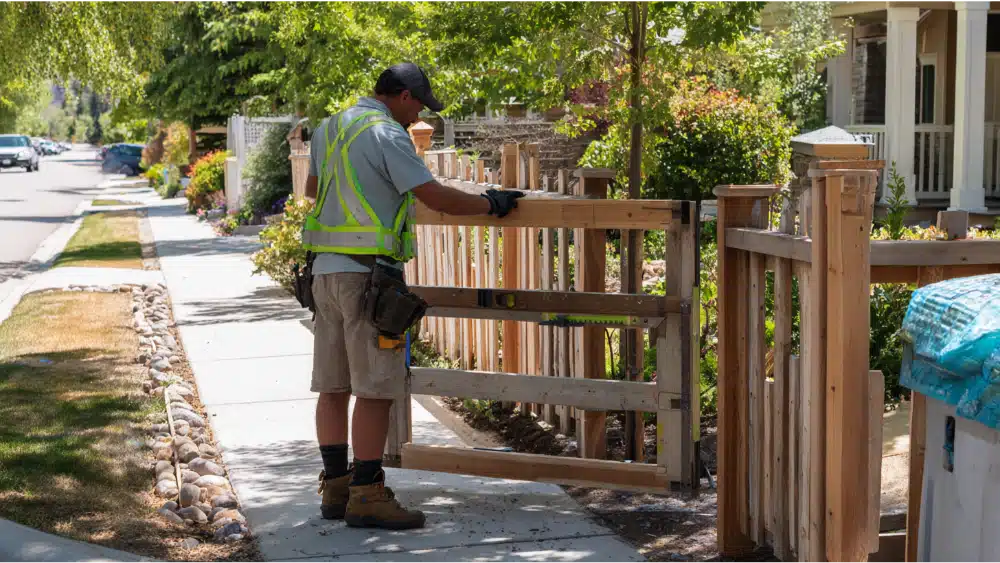
A gate has to fit the opening. A square gate in a square opening is easier to close, latch, and maintain.
They Measure the Opening First
Before hanging a new gate, installers take precise measurements. They look at width, height, slope, ground clearance, and the direction the gate swings. They also consider whether the gate needs to open inward, outward, downhill, or uphill.
They Use Blocks or Shims
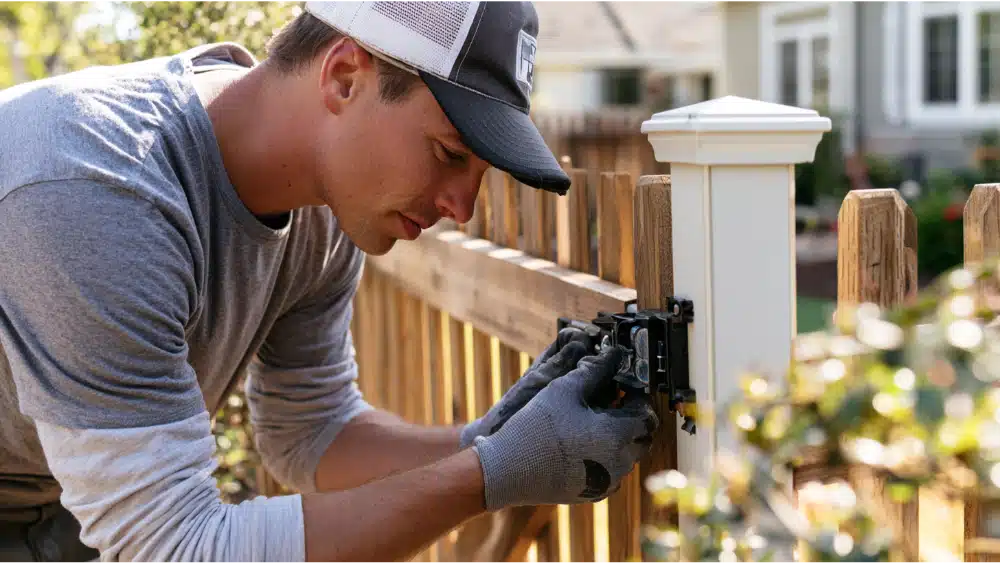
During installation, installers may use blocks or shims to hold the gate at the correct height. This helps them install hinges without guessing and mark hardware locations accurately.
They Check the Gaps
The gap around the gate matters. Too tight, and the gate may rub. Too wide, and the gate may look unfinished. The goal is a clean opening where the gate can move freely and return to the closed position.
The Right Hinges Make a Big Difference
Hinges carry the gate, control the swing, and help determine whether the gate closes cleanly.
Hinges Must Match the Gate
The right gate needs the right hinges. Wood gates, vinyl gates, metal gates, and composite gates all behave differently. Heavier gates may need stronger hinges, while lighter gates may work well with simpler hardware. For some metal swing gates, weld on hinges may be the right choice.
Hinge Placement Controls the Swing
Even strong hinges can fail if they are not properly aligned. Installers line up the hinges so the gate swings without binding, twisting, or missing the latch.
Self-Closing Hinges Need Adjustment
Some gates use self-closing hinges, while others use an automatic gate closer. The installer must adjust the tension and closing speed so the gate closes firmly without slamming.
Latch Placement Has to Be Exact
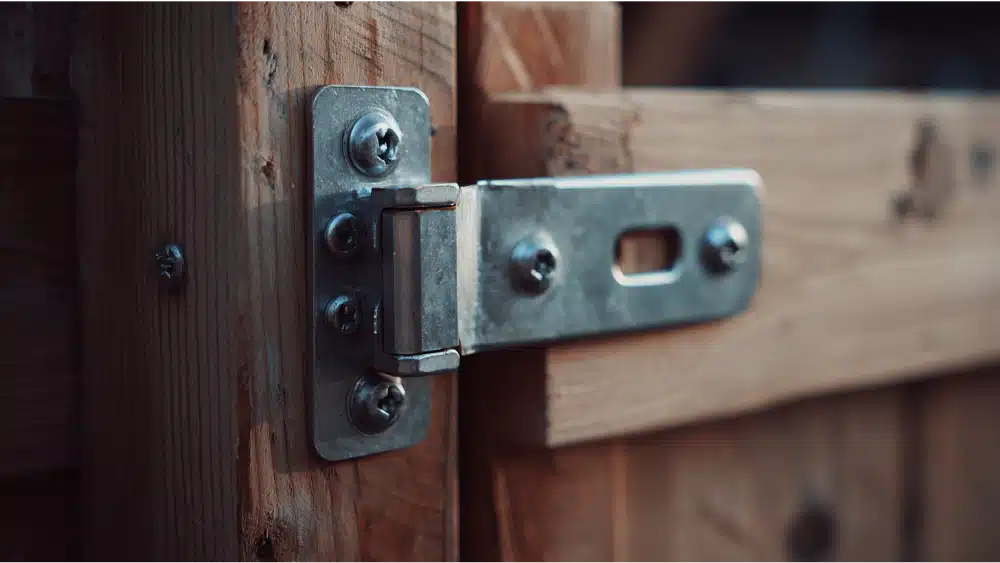
A gate can look beautiful and still fail if the latch does not meet the striker correctly. Latches are small, but they play a big role in security.
The Latch Should Catch Naturally
A properly installed latch should catch without extra force. The customer should not have to lift the gate, pull it sideways, or push hard to get it locked.
Installers Test From Both Sides
A good installer tests the gate from inside and outside the property. They open the door, let the gate closer do its work, and check whether the latch catches from normal use.
Pool Gates Need Extra Care
For a pool gate, safety is the priority. The closer, hinges, latch, and opening must all work together so the gate can automatically close and latch reliably.
How Installers Prevent Gate Sagging
Sagging is one of the most common issues homeowners notice. At first, the gate may rub a little. Over time, it may stop closing altogether.
They Build a Strong Frame
A strong frame helps the gate hold its shape. This is especially important for wood gates, because wood can respond to sun, rain, and seasonal changes; in many cases, upgrading to a welded steel frame for your gate further improves long-term strength and stability.
They Use Bracing When Needed
Diagonal bracing can help transfer weight back toward the hinges. This supports smooth operation and keeps the latch side from dropping.
They Avoid Oversized Single Gates
A very wide single gate can place too much stress on the post and hinges. In some locations, double swing gates are the better solution, and homeowners may also want to compare whether a swing gate or a slide gate is the best match for their space.
Installers Plan for Yard Slope and Ground Clearance
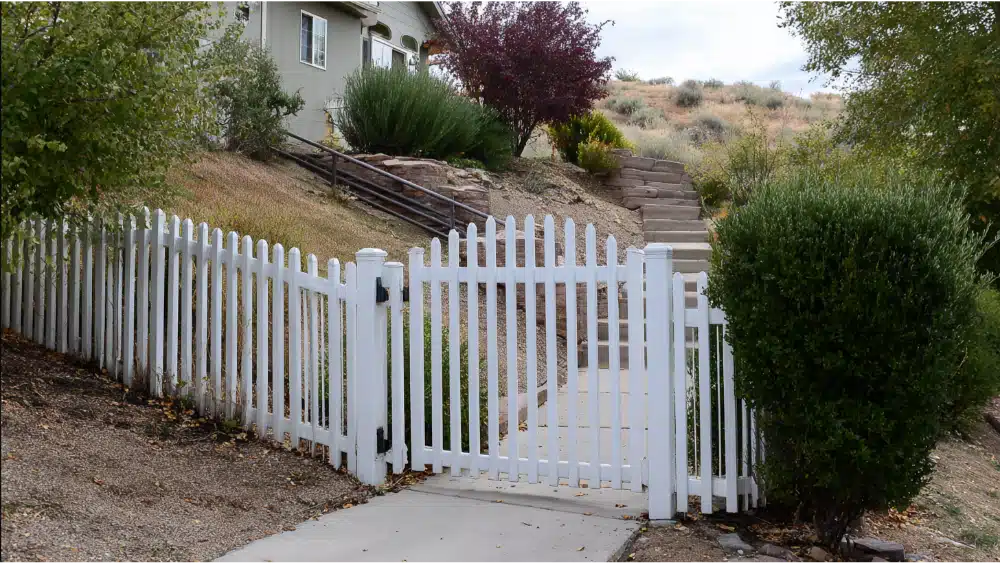
Every yard has its own shape. Professional installation takes the site into account before the gate is built or installed.
The Gate Needs Room to Swing
The gate needs enough clearance to move across grass, gravel, concrete, pavers, or soil. If debris collects in the path, the gate closer may not work the way it should.
The Gap Should Look Clean
Installers balance function and appearance. The picture should feel finished, but the gate still needs space to move.
Slope Changes the Plan
On a sloped yard, installers may adjust the swing direction, change the gate height, or recommend a different design. Planning for slope at the beginning prevents problems later.
Final Testing Is Where the Details Come Together
The best installers do not assume the gate is ready just because it is hanging. They test, adjust, and test again.
They Open and Close It Several Times
Installers watch how the gate swings, how the hinges move, how the closer responds, and how the latch catches. They check for rubbing, dragging, bouncing, slamming, or stopping short.
They Make Small Adjustments
A small adjustment can change everything. The installer may adjust hinge tension, latch placement, closer speed, or the final stop point. Hydraulic closers often help control closing speed and reduce slamming.
They Check the Feel
A finished gate should feel easy. It should not require force. It should not slam shut. It should move with control and land securely in the closed position.
Why Gates Stop Closing Over Time
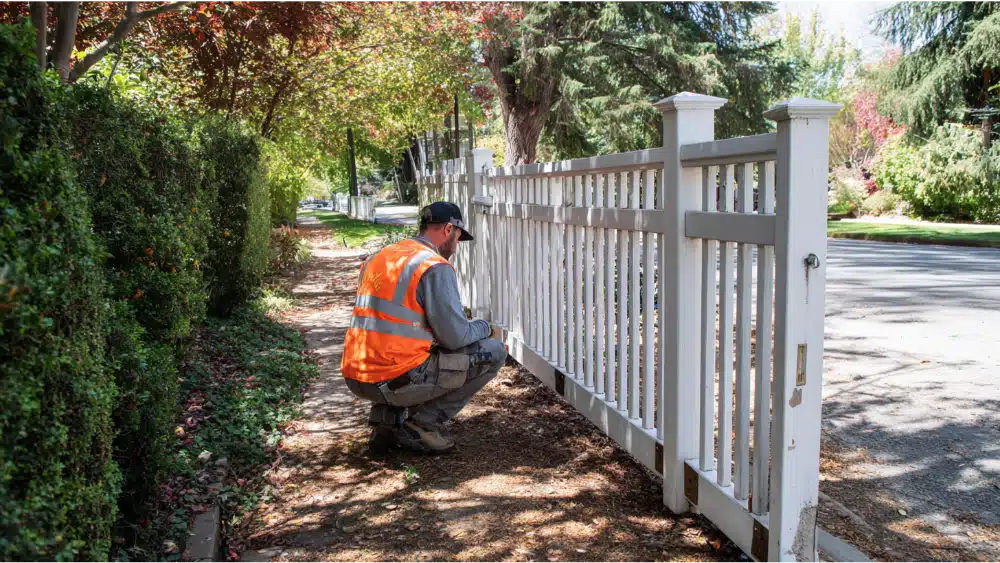
Even a well-built gate can change after years of use. Weather, soil, and daily movement all matter.
Posts Can Move
A post can shift from moisture, soil pressure, roots, or age. Once the post moves, the gate may fall out of alignment.
Hinges Can Loosen
Hinges are moving parts. With enough usage frequency, screws, bolts, or hinge pins can loosen.
Wood Can Change
Wood expands and contracts. Rain, sun, and temperature changes can affect wood gates, which may lead to rubbing or latch problems.
Latches Can Fall Out of Alignment
Even if the gate is only slightly off, the latch may stop catching. A customer may notice that the gate closes but does not stay locked.
Can a Gate That Will Not Close Be Fixed?
In many cases, yes. The right solution depends on what is causing the problem.
Simple Adjustments May Help
Sometimes the answer is simple. Tighten the hinges, adjust the gate closer, change the latch position, clear debris from the opening, or adjust the closer speed. Many of these issues appear in everyday gate troubleshooting for common problems and can often be corrected before major repairs are needed.
Bigger Problems Need Repair
If the post is loose, the frame is twisted, or the hinges are failing, small fixes may not last. Repairs should address the real cause, not just the symptom, and serious automated issues often call for professional automatic gate repair services.
Replacement May Be the Better Choice
If a gate is badly damaged, rotten, rusted, or unsafe, it may be better to replace it. A new gate can restore security, convenience, and smooth operation, and a cost guide to security fence gate pricing for homeowners can help you budget for an upgrade.
Why Professional Gate Installation Matters
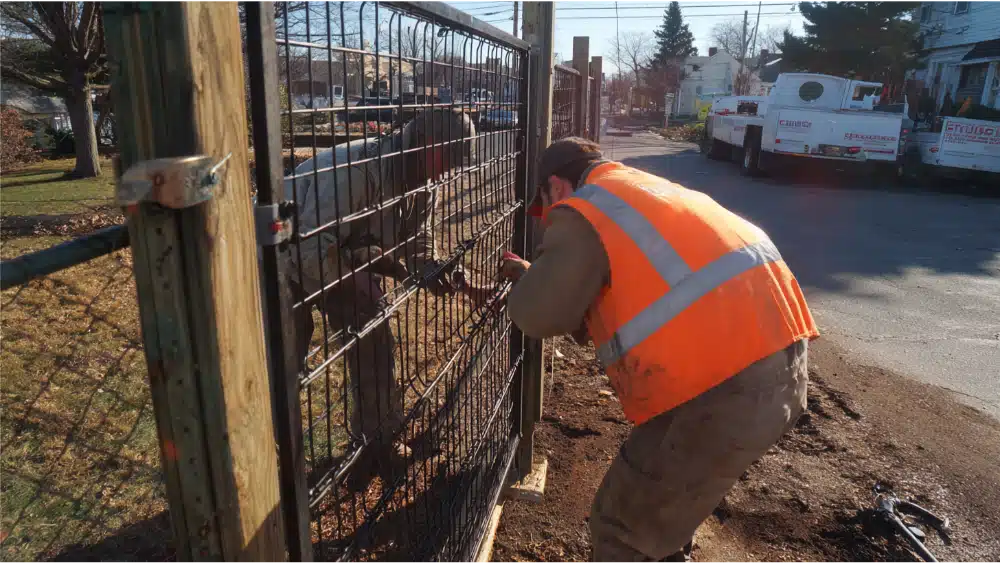
A gate is one of the hardest-working parts of a fence. It needs to look good, move well, and protect the property every day.
Installers See the Whole Picture
Professional installation considers the opening, post strength, hinges, closer, latch, materials, wind exposure, pool safety needs, and long-term maintenance. The installation process is not just about getting the gate attached. It is about making sure it works.
The Right Installation Protects the Fence
When the gate is properly aligned, the entire fence benefits. There is less stress on the post, less strain on the hinges, and fewer repairs caused by dragging or slamming.
It Gives You Confidence
A dependable gate gives the homeowner confidence. From worn and wobbly to smooth and secure, the right gate can change the way a yard feels.
Installation and Maintenance Tips for a Better Closing Gate
Good care helps protect the investment after installation. These installation and maintenance tips can help a homeowner spot small concerns before they become bigger problems.
Keep the Gate Path Clear
Leaves, soil, toys, rocks, and debris can block the swing. Keeping the opening clear helps the gate closer work properly.
Watch for Changes After Weather
Rain and wind can reveal weak spots. After storms, check whether the gate still closes, latches, and stays locked.
Listen for New Sounds
Squeaking, grinding, or scraping may mean the hinges need attention, especially on powered systems where automated gate noises during movement can signal developing problems. Rust on hinges or hardware should be handled before it spreads.
Check the Closer
An automatic gate closer should close the gate with control. If the closer moves too slowly, too quickly, or not at all, it may need adjustment or replacement; simple automatic gate troubleshooting checks can sometimes pinpoint an easy fix. Hydraulic closers are increasingly popular because they help control motion and protect the gate from slamming.
Request Help When Something Feels Off
A homeowner does not need to search for guesswork or quick fixes. If the gate no longer feels safe, secure, or easy to use, it is worth asking for professional solutions and choosing a qualified fence contractor for the work.
FAQs About How Installers Ensure Gates Close Properly
Why does my fence gate not close all the way?
A gate may not close because of sagging, loose hinges, a leaning post, latch misalignment, poor ground clearance, or a gate closer that needs adjustment.
What does a gate closer do?
A gate closer helps pull the gate back toward the closed position after it opens. An automatic gate closer is especially helpful for pool areas, side yards, and residential spaces where safety and convenience matter, especially on systems where the gate might otherwise stop midway or move erratically.
Are hydraulic closers better?
Hydraulic closers are a strong option when controlled closing speed is important. They can help prevent slamming and support smoother movement.
How do installers stop a gate from sagging?
Installers use strong posts, proper hinges, sturdy framing, and bracing when needed. They also avoid designs that place too much weight on one side.
Should a gate be level or follow the slope of the yard?
The gate should be built for smooth operation on the actual property. On a slope, the installer may adjust the design so the gate opens cleanly and still looks right.
Can self-closing hinges be adjusted?
Yes. Many self-closing hinges can be adjusted for tension and speed. The goal is to close the gate securely without slamming.
Are pool gates different from regular gates?
Yes. A pool gate has extra safety needs. It should close reliably, latch securely, and help reduce the chance of the pool area being left open.
When should I replace my gate closer?
Replace a closer if it no longer controls the gate, leaks hydraulic fluid, fails to shut the gate, or cannot be adjusted to a safe closing speed. For automated systems that will not respond, a guide to automated gates not opening from the remote can help you decide whether repair or replacement is needed.
Can Fantastic Fence help with a gate that will not latch?
Yes. If your gate is dragging, sagging, swinging open, or failing to latch, Fantastic Fence can inspect the issue and recommend practical solutions.
Final Thoughts
Your gate should feel steady, smooth, and secure every time you use it. It should not drag, slam, stick, or need extra force to close. When the post is strong, the hinges are chosen well, the closer is adjusted correctly, and the latch is lined up with care, the result is a gate that works beautifully in everyday life. For homeowners, that means more safety, more security, and more convenience. If your gate no longer closes the way it should, Fantastic Fence is here to help. Let’s build something strong together.