A backyard pool should feel like one of the best parts of home. It is where families gather, kids laugh, friends cool off, and summer memories are made. But for pool owners, that joy also comes with a serious responsibility. A pool brings beauty, comfort, and fun to an outdoor space, but it also needs thoughtful protection.
For many homeowners, the question is simple: how do pool fences prevent unauthorized access in a way that still keeps the backyard beautiful? A pool fence creates a physical barrier around the swimming pool, controls entry through properly built gates, limits easy climbing or crawling points, and helps prevent children, pets, guests, and visitors from reaching the water without permission or supervision. The right pool fence does more than mark a boundary. It helps create a secure environment where your family can enjoy the yard with greater peace of mind.
Strong pool safety starts with layers. A pool fence is one of the most important pool barriers because it works every day, even when life gets busy. It helps reduce unsupervised access, supports adult supervision, and gives pool owners a practical way to make the pool area safer.
At Fantastic Fence, we believe pool safety should feel reassuring, not overwhelming. A well-built fence helps turn a backyard from open and uncertain to protected and peaceful. It gives children and pets a clearer boundary, gives guests a safer layout, and gives homeowners the confidence that their pool area is protected by a secure barrier built with care.
What Does Unauthorized Access Mean Around a Pool?
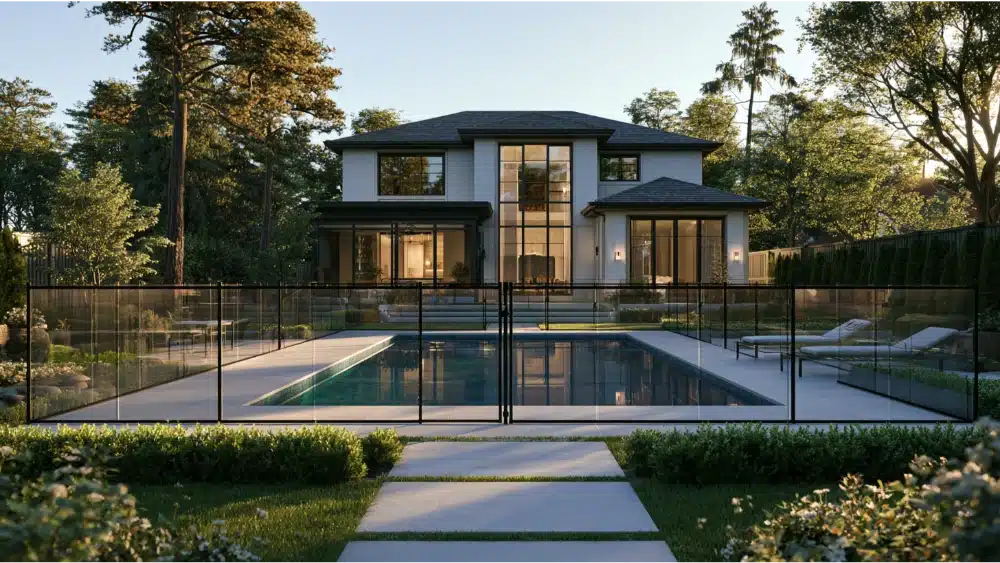
Unauthorized access does not always mean a stranger entering your yard. Around a pool, it often means someone reaches the water when they should not be there alone. That may be a toddler slipping outside, young children wandering during a family gathering, pets running through an open gate, or guests entering the pool area without realizing the risk.
For many pool owners, the biggest concern is small children. They are curious, quick, and quiet. Curious children do not always understand danger, and water can draw their attention in seconds. A pool fence helps prevent children from walking straight from the patio, lawn, or back door to the water’s surface.
Unauthorized entry can also involve neighbors, delivery workers, visiting relatives, or older children who forget the house rules. Pets are part of the concern too. Dogs can fall in, panic near the edge, or enter the pool area when no one is watching. A pool fence gives children and pets a safer boundary.
This is why pool barriers play such a crucial role in pool safety. They help reduce direct access to the pool, especially when the yard is active, loud, or full of guests. Most incidents can happen quickly and quietly, which is why a proactive step like installing a pool fence can make such a meaningful difference.
The Main Way Pool Fences Prevent Unauthorized Access
A pool fence prevents unauthorized access by turning an open pool into a controlled pool area. Without a fence, the swimming pool may be reachable from the house, lawn, patio, side yard, or garden. With the right pool fence, the water becomes part of a defined space, and entry moves through a protected gate.
That physical barrier matters because it slows movement toward the water. In pool safety, time is important. A dependable fence gives an adult another moment to notice, respond, and redirect. No family wants to discover that a child reached the pool unsupervised. A strong pool barrier helps prevent children from getting that far without someone knowing.
A pool fence also guides people toward one clear entry point. That point should be protected with gates that close correctly and latch securely. Self-latching gates and self-closing hardware are key elements of a dependable pool safety system because they reduce the chance that a gate is left open after someone walks through.
Good pool barriers support supervision without replacing it. Pool owners still need vigilant supervision, clear family rules, and strong water safety habits. Swimming lessons, CPR training, door alarms, pool covers, and other safety features can all help, and many homeowners also wonder whether they are legally required to install a fence around a pool. But the pool fence remains the everyday layer that stands in place when attention is pulled elsewhere.
Why Four-Sided Pool Fencing Matters
A backyard perimeter fence is not always the same as a true pool fence. A perimeter fence may help keep outsiders away from the property, but it may still leave the pool open to the house, patio, lawn, and play areas. That can allow children and pets already inside the yard to reach the water too easily.
A four-sided pool fence surrounds the pool itself. It separates the pool area from the home and the rest of the yard, creating a controlled space with one or more protected gates. This type of layout can significantly reduce the risk of unsupervised access because the swimming pool is no longer part of the open yard.
For pool owners, this is an important difference. The pool should not be treated like any other part of the backyard. It needs pool barriers that are planned around safety, visibility, and daily use. When a fence separates the pool from play spaces, dining areas, and doors from the home, the whole yard feels more intentional.
Four-sided pool barriers also help with preventing accidents during gatherings. When guests arrive, children play, and pets move through the yard, the pool area has a clear edge. That clear edge supports pool safety without taking away the beauty of the space. It helps create peace of mind because everyone can see that the water is protected.
The Gate Is the Most Important Part of a Pool Fence
A pool fence is only as reliable as its gates. The panels may be strong, the posts may be straight, and the layout may look beautiful, but if the gate does not close and latch properly, the barrier can fail.
Self-closing gates help solve one of the most common problems: a person walks through and forgets to close the gate. During a birthday party, barbecue, or busy afternoon, that is easy to do. A self-closing gate is designed to automatically close after someone enters or exits. That simple movement helps restore the pool barrier after each use.
Self-latching gates add the next level of protection. A gate that only rests against the frame is not enough. The latch is what secures it. Self-closing and self-latching gates work together so the gate shuts and catches without relying fully on memory.
Pool owners should also pay attention to latch height, hinge condition, and gate swing. In many areas, local regulations require pool gates to open away from the pool, close on their own, and latch at a height that small children cannot easily reach. These rules are not just a legal requirement. They exist to help prevent children from entering the pool area without supervision.
A self-closing gate should be tested from different open positions. It should swing smoothly, close fully, and latch every time. Self-latching hardware should feel solid, not loose or sticky. If a gate drags, sags, or almost catches, the whole pool fence needs attention.
How Fence Height Helps Prevent Unauthorized Access
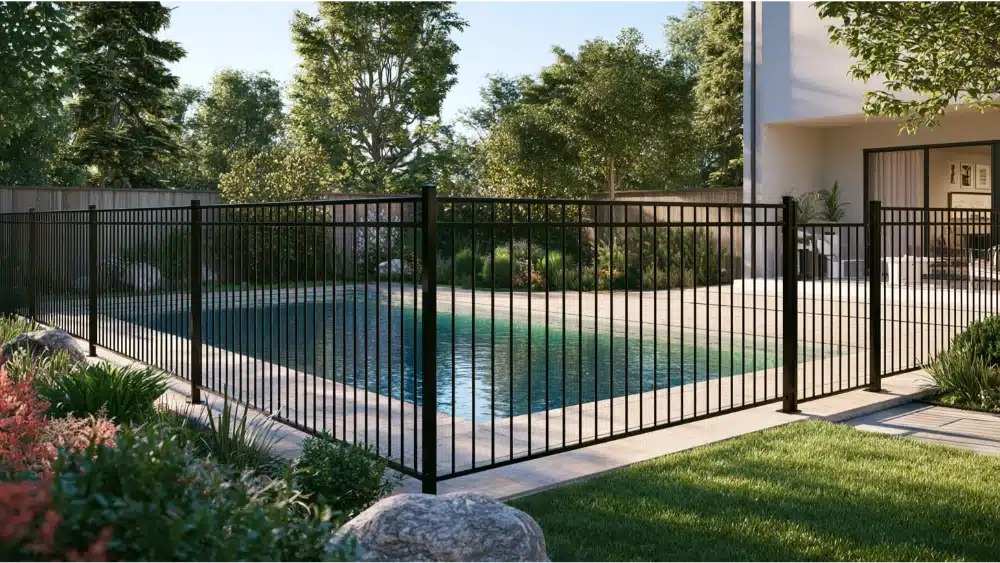
Fence height is one of the first parts of pool safety that pool owners notice. A taller pool fence helps make it harder for young children to climb over and helps make the pool area feel clearly separated from the rest of the yard.
In California and many other places, there may be a minimum fence height or minimum height requirement for pool enclosures. Local regulations can vary, so pool owners should always confirm the specific regulations for their city, county, or project, especially when navigating California’s pool safety laws. A pool fence is often more than a smart choice; it may also be a legal requirement.
Height alone does not create maximum safety, but it is one of the most visible safety features. A tall fence helps define the barrier. It tells guests, children, and pets that the pool is not open unless an adult allows entry.
The design around the height matters too. A pool fence can be improperly installed if it ignores grade changes, raised planters, retaining walls, steps, or nearby furniture. A section that appears tall from one side may become easier to climb from another side if the ground changes.
This is why professional planning is so helpful. A good installer looks at the whole pool area, not just one measurement. For pool owners, that means a fence that feels steady, appropriate, and built around the real shape of the yard.
How Spacing and Clearance Help Stop Children From Going Through or Under
A pool fence must do more than stand tall. It also needs the right spacing between pickets, panels, and posts. Wide openings can make pool barriers less effective because young children may try to squeeze through them.
Clearance at the bottom matters too. If there is too much space between the ground and the fence, children or pets may try to crawl under. This is especially important in yards with soil, grass, uneven concrete, pavers, or slopes. Over time, ground can shift, pets can dig, and gaps can open.
Pool owners should look closely at any space under the fence, beside gates, and between vertical pickets. A secure pool fence has controlled openings, sturdy posts, and panels that are securely fastened. It should not wobble, lean, or leave obvious gaps that weaken pool safety.
This is also where non-compliance becomes more than a paperwork issue. Non-compliance can create real safety concerns if the fence does not meet local regulations or does not function as intended. Pool barriers are there for preventing unauthorized access, but they only work well when the details are right.
Good spacing helps prevent children from squeezing through. Good clearance helps prevent crawling underneath. Together, these details significantly reduce the chance of unsupervised access and make the barrier stronger.
How Climb-Resistant Design Helps Keep the Pool Area Secure
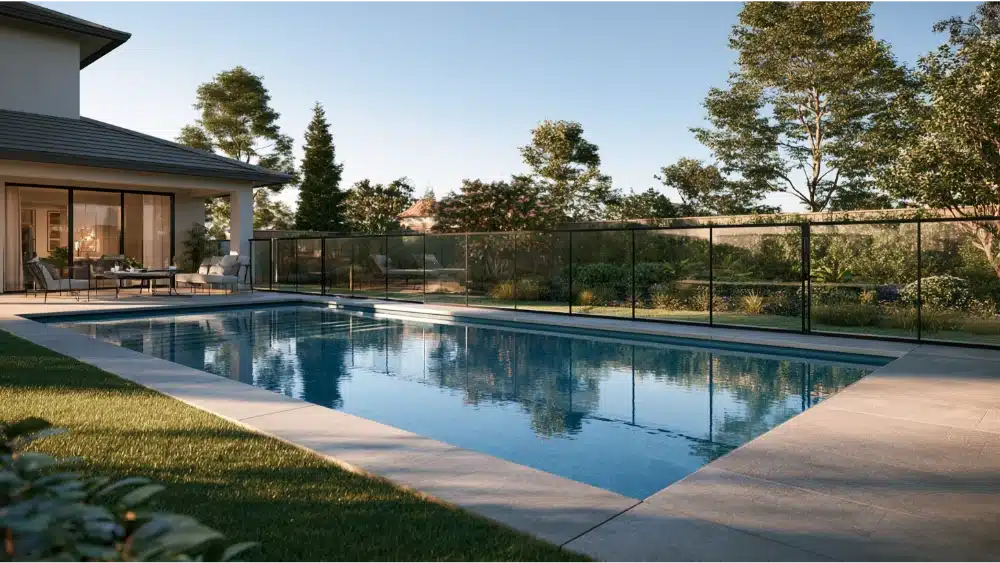
Children see the world differently than adults. Adults may see a fence as a clear stop. Children may see footholds, rails, toys, planters, and furniture as a way to climb. That is why climb-resistant design is such an important part of pool safety.
Horizontal members can become a problem when they create a ladder effect. If horizontal members are placed on the outside of the fence in a way that gives children a foothold, the pool fence may be easier to climb. A safer design reduces easy handholds and footholds, especially on the side facing away from the pool.
The area around the fence matters too. Outdoor chairs, storage bins, toys, coolers, and planters should not be placed where children can use them as steps. Tree limbs, landscape walls, and decorative features should also be considered. Pool owners should check the fence regularly and keep the outside clear.
This is one of the most practical parts of preventing accidents. A pool fence can be built well, but daily habits keep it working well. Keeping toys away from the pool area, storing pool chemicals securely, closing gates, and removing climbing aids all support pool safety.
A fence complements other safety habits. It does not stand alone. It works with adult supervision, clear family rules, pool covers, alarms that detect motion, and a family culture that takes water safety seriously.
Why Visibility Matters Around a Pool Fence
A pool fence should block entry, but it should not block awareness. Around a pool, visibility is a safety benefit. Adults should be able to see the pool area clearly, especially during gatherings or daily backyard use.
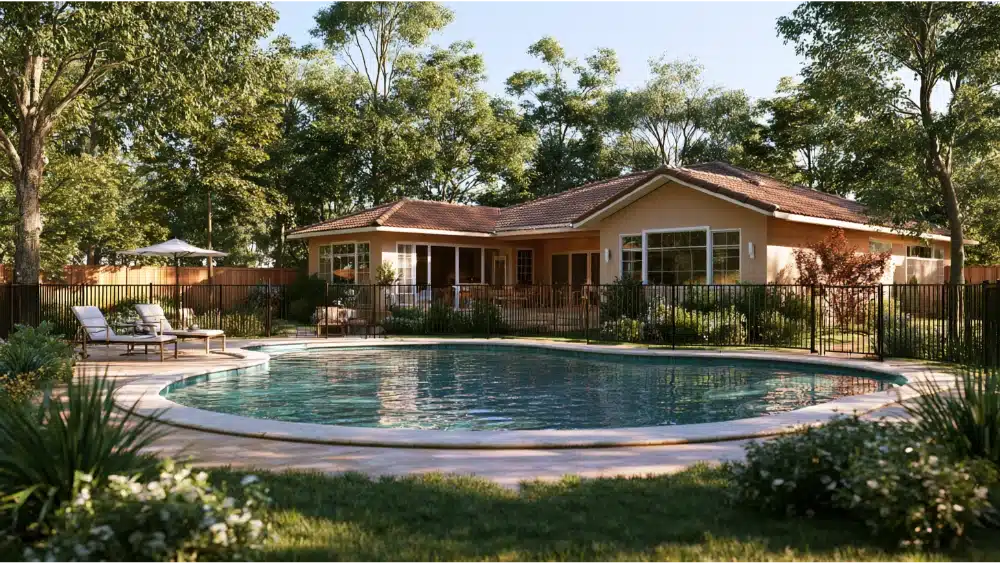
This is one reason many pool owners choose open-style pool barriers. Ornamental iron, aluminum, and some metal fences can provide a strong boundary while preserving an unobstructed view. That open look helps adults keep an eye on the pool while still restricting entry.
Glass fencing can also offer visibility in some settings, though it may require more cleaning and careful planning. Vinyl and wood can work in certain designs, but pool owners should think about whether the material supports visibility, pool safety, and local regulations.
A pool fence should fit the home too. Different architectural styles call for different materials, colors, and details. The best fence protects the water while still feeling like it belongs with the house and landscape.
This balance matters because homeowners want safety without losing the joy of the backyard. A well-designed pool fence protects children and pets, supports an open view, and keeps the pool feeling like part of a beautiful home.
Pool Fence Materials That Help Control Access
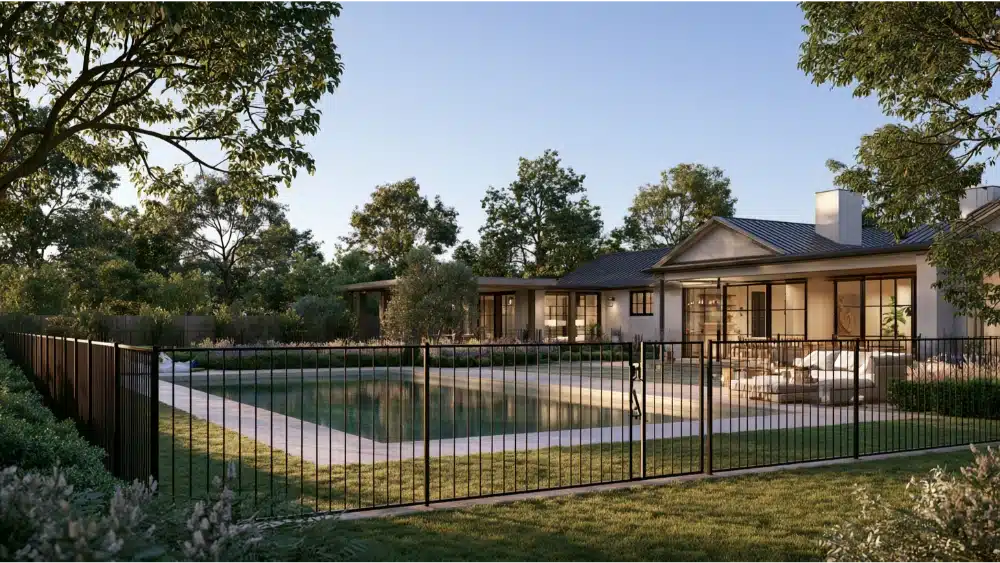
Different materials can create effective pool barriers when they are designed and installed properly. The right choice depends on budget, appearance, maintenance, visibility, local regulations, and how the family uses the yard, so understanding the best fences for pools can be very helpful.
Ornamental Iron Pool Fencing
Ornamental iron-style fencing is a popular choice for pool owners because it is strong, open, and attractive. It provides a secure barrier while allowing visibility into the pool area. This helps pool safety because adults can see what is happening near the water, and many Sacramento-area homeowners choose professionally installed pool fences in Sacramento in this style.
Aluminum Pool Fencing
Aluminum-style fencing offers a clean look with minimal maintenance. It handles moisture well and can be a good option around a swimming pool. Like any pool fence, it must be designed with the right height, spacing, gate swing, and self-latching hardware.
Vinyl Pool Fencing
Vinyl can be a good fit for some pool owners who want a clean look and low upkeep. It can resist moisture and does not need staining. For pool safety, the layout must be planned carefully so the fence does not reduce visibility or create climbable sections, and many families look for pool fence ideas that keep your family safe and your backyard beautiful when considering vinyl and other materials.
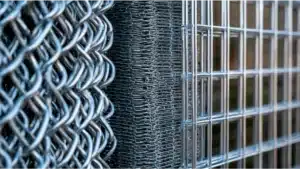
Chain Link Pool Fencing
Chain link can be practical and visible. It is often more utilitarian, but it can still serve as a pool barrier when it meets safety standards and local regulations. Privacy slats should be considered carefully because they may reduce visibility into the pool area.
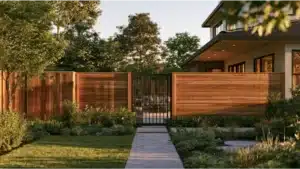
Wood Pool Fencing
Wood brings warmth and privacy to a yard, but it needs thoughtful design near water. Wood can be beautiful, but pool owners should consider visibility, moisture exposure, horizontal members, and long-term maintenance.
No material works well if the fence is poorly planned. Pool barriers need sturdy posts, secure gates, proper clearances, and dependable hardware. The material should support preventing unauthorized access while matching the way the family lives.
Pool Fences Work Best as Part of a Layered Safety Plan
A pool fence is one of the strongest layers in a pool safety plan, but it works best with other safety features. Responsible pool owners know that no single feature replaces care, attention, and good habits.
Adult supervision is still essential. Children should be watched closely whenever they are near water. Vigilant supervision, swimming lessons, CPR training, door locks, alarms, and pool covers can all support overall safety. These layers work together for drowning prevention and preventing accidental drownings.
Pool covers can help protect the water when the pool is not in use, but they must be appropriate for safety and used correctly. Alarms can add awareness. Door and window locks can reduce unsupervised access from the house. As homeowners plan these layers, many also budget for how much a pool fence costs. A pool fence ties these safety features together by creating a steady boundary around the water.
The Consumer Product Safety Commission has long emphasized barriers as part of reducing pool-related accidents. That guidance matters because accidental drownings can happen quickly, especially with young children.
For pool owners, the goal is not to feel afraid of the pool. The goal is to create routines and pool barriers that make the backyard safer and easier to enjoy.
California and Sacramento Pool Fence Requirements Homeowners Should Know
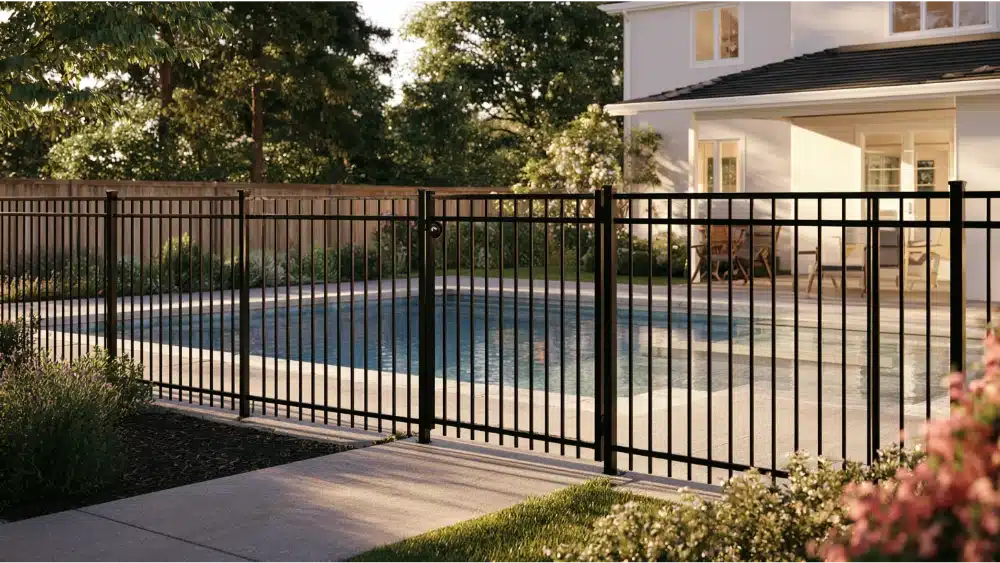
In California, a pool fence may involve state rules, city requirements, county expectations, and inspection details. Local regulations can affect fence height, gate swing, latch placement, spacing, and other design features.
For many pool owners, this is where the process can feel confusing. A pool barrier is a safety decision, but it can also be a legal requirement. Non-compliance may delay inspections, create added costs, or leave the pool area less protected than it should be.
Sacramento-area homeowners should always check local regulations before installing or replacing a pool fence, often by reviewing local Sacramento fence ordinances. Requirements may differ depending on the type of pool, property layout, permit status, and whether the project involves new construction or remodeling.
Safety standards exist because pool-related accidents are serious. A code-conscious fence helps prevent children from entering the water without supervision, supports safer use of the backyard, and gives pool owners peace of mind that the project was built with care.
At Fantastic Fence, we believe homeowners should not have to sort through every detail alone. A professional installer can help review the yard, discuss material options, plan gates, and build pool barriers that look good while supporting safety, including advising when you need a permit to repair or replace a fence in Sacramento.
Common Weak Spots That Can Allow Unauthorized Pool Access
Even a strong pool fence can lose effectiveness if part of it stops working. Pool owners should watch for weak spots and address them quickly.
A Gate That Does Not Close All the Way
A gate that sticks, drags, or stops before it latches can leave the pool area open. A self-closing gate should close smoothly and catch every time. Self-closing and self-latching gates need regular checks because hinges and latches can shift with use.
A Latch That Is Too Low or Too Easy to Open
Self-latching hardware should be placed and maintained so small children cannot easily use it. If the latch is loose, low, or unreliable, the pool fence may not provide the protection it should.
Furniture or Toys Near the Fence
Chairs, planters, coolers, and toy bins can help children climb. Keeping these items away from the fence supports pool safety and helps with preventing accidents.
Gaps Under the Fence
Soil movement, digging pets, erosion, and uneven surfaces can create gaps. A pool fence should be checked for spaces that could let children or pets crawl under.
Loose Posts or Damaged Panels
Posts should feel solid, and panels should be securely fastened. If the fence leans, wobbles, or shows damage, repairs should be made quickly.
Poor Visibility
If adults cannot see the pool area, awareness becomes harder. Pool barriers should protect entry while allowing safe visibility whenever possible.
These weak spots may seem small, but they matter. Preventing accidents often comes down to simple details that are handled before incidents occurring turn into emergencies.
When Should You Install or Replace a Pool Fence?
The best time to install a pool fence is before there is a concern. For new pools, the fence should be planned early so the pool area is protected before regular use begins. For existing pools, pool owners should review the fence whenever family needs change.
A new baby, young children in the home, grandchildren visiting, new pets, or frequent gatherings can all make pool safety more urgent. Children and pets change how a backyard is used. A pool fence helps create clearer boundaries for both.
Replacement may be needed if the gate no longer closes, the latch does not catch, the fence is too low, posts are loose, horizontal members make climbing easier, or gaps have opened under the barrier. A fence that almost works is not enough around water.
Pool owners should also think about replacement when the current fence no longer matches the home or no longer supports peace of mind. A new pool fence can improve safety, update the look of the yard, and make the whole pool area feel more complete.
Installing or replacing a fence is a proactive step. It helps with preventing unauthorized access, reducing pool-related accidents, and protecting the people who matter most.
What to Expect From a Professional Pool Fence Installation
A professional pool fence installation should feel clear and guided. The first step is looking at the yard in person. The installer should review the pool area, patio, doors, side yards, grade changes, landscaping, and existing barriers, so knowing what to look for when hiring a fence contractor is important.
Next comes layout planning. Gates need to be placed where they make sense for daily use while still supporting pool safety. A self-closing gate should be convenient, but it also needs to protect the water. Self-latching gates should be easy for adults to use and difficult for small children to reach.
Material selection is also important. Pool owners may choose ornamental iron, aluminum, vinyl, wood, chain link, or another approved option depending on the look and function they want, and some may also be planning a fence around the front yard to complement the pool area. The fence should support safety standards, local regulations, and the style of the home.
Installation details matter. Posts should be set securely. Panels should be aligned. Gates should swing properly. Openings should be controlled. The finished pool fence should feel solid and dependable.
A final walkthrough should include the gate, latch, spacing, clearance, and overall safety of the pool barriers. This helps pool owners understand how the fence works and how to care for it over time.
How a Pool Fence Changes the Way Your Backyard Feels
A pool fence is practical, but the change it brings is emotional too. Before a fence, many pool owners feel like they are always watching the door, scanning the yard, or reminding guests to stay away from the water. The pool is beautiful, but the worry can sit in the background.
After a fence is installed, the yard feels more settled. The pool area has its own protected space. Children and pets have clearer boundaries. Guests understand where the safe entry point is. The backyard feels more organized, more comfortable, and easier to enjoy.
That is the real transformation. A pool fence does not take away the joy of the pool. It protects that joy. It helps create peace of mind by making safety part of the yard itself.
For homeowners who love to gather, relax, and make memories outside, that matters. A well-built fence helps the pool feel like a safer part of daily life, not a constant worry.
FAQs About How Pool Fences Prevent Unauthorized Access
How does a pool fence improve pool safety?
A pool fence improves pool safety by creating a barrier around the water and controlling entry through gates. It helps reduce unsupervised access, keeps children and pets away from the pool area when adults are not present, and supports a safer backyard routine.
Is a backyard fence enough for pool safety?
A backyard fence may help protect the property, but it may not separate the swimming pool from the house or yard. A dedicated pool fence creates a clearer pool barrier and is often a better choice for preventing unauthorized access from inside the property.
What kind of gates should a pool fence have?
A pool fence should have self-closing and self-latching gates. These gates help make sure the entry closes and secures after use. A self-closing gate and self-latching hardware are important parts of a safer pool barrier.
Can a pool fence prevent all accidental drownings?
No fence can promise to prevent every emergency, but a well-built pool fence can help reduce the chance of accidental drownings by limiting unsupervised access. It should be used with adult supervision, water safety habits, alarms, pool covers, and other safety features.
Why do pool owners need to check the fence regularly?
Pool owners should check the fence regularly because gates, latches, posts, and panels can shift over time. Regular checks help make sure the barrier still closes, latches, and protects the pool area the way it should.
What are common signs that a pool fence needs repair?
Common signs include loose posts, damaged panels, gaps under the fence, gates that do not close, latches that do not catch, rust, rot, or sections that lean. Any issue that weakens the barrier should be repaired quickly.
Does a pool fence help protect pets?
Yes. A pool fence can help keep pets away from the water when no one is watching. This is especially helpful for dogs that may run, slip, panic, or fall near the edge. A secure pool area helps protect children and pets together.
What is the best material for a pool fence?
The best material depends on the yard, budget, appearance, and safety needs. Ornamental iron and aluminum are common choices because they provide visibility and strength. Vinyl, wood, chain link, and glass fencing may also work when properly designed for pool safety.
Why is professional installation important?
Professional installation helps make sure the fence is aligned, securely fastened, properly spaced, and built with gates that work correctly. Around a pool, small details matter. A professionally installed fence gives pool owners
Final Thoughts: A Safer Pool Starts With the Right Fence
A pool fence prevents unauthorized access by creating a physical barrier, guiding entry through secure gates, reducing climb-through and crawl-under risks, and supporting a layered pool safety plan. It restricts unauthorized access while helping the backyard feel welcoming and cared for.
For pool owners, this is about more than rules. It is about children, pets, family, guests, and peace of mind. It is about knowing the pool area has a dependable boundary. It is about making the backyard feel safe without taking away its beauty.
The right fence should be strong, attractive, code-conscious, and built around the way your family actually uses the yard. It should work with pool covers, alarms, water safety habits, and attentive supervision. It should help significantly reduce risk while making the space feel finished.
If your current pool fence feels worn, weak, outdated, or uncertain, your yard may be ready for something stronger. Fantastic Fence is here to help you build a safer, more beautiful pool area with care, craftsmanship, and respect for your home. Let’s build something safe and lasting together.