A Homeowner’s Complete Guide
If you are searching for how much does a pool fence cost, you are not alone. Every year, thousands of homeowners with a swimming pool ask this same question. They are trying to protect kids, pets, and guests while still keeping their pool area enjoyable and attractive. A pool fence is not just another upgrade. It is a safety decision, a budget decision, and a family decision all rolled into one.
In 2025, pool fence cost varies more than many homeowners expect. The price depends on fence material, the size of the pool area, the number of gates, and how complex the installation is. This guide walks you through everything in clear language so you can plan with confidence and avoid surprises.
Average Pool Fence Cost in 2025 (Quick Answer)
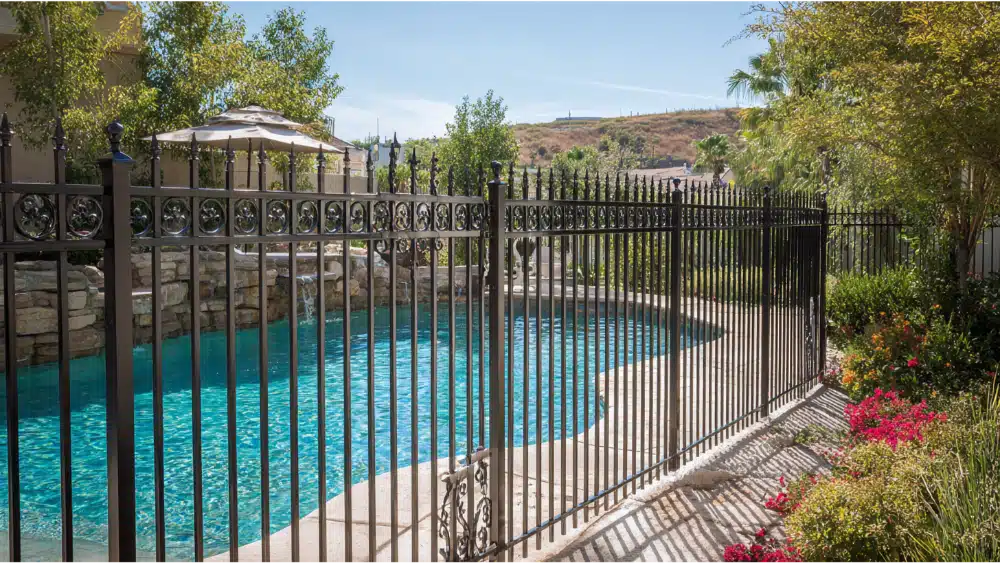
So how much does a pool fence cost in simple terms. In 2025, most pool fence projects fall between $1,500 and $10,000, with the average fence cost landing near $4,000. That wide range exists because no two pools are exactly the same.
Most pool fences are priced by the linear foot. A small swimming pool may need 80 to 100 foot of fencing, while a larger or custom pool may need 180 foot or more. The fence installed price increases as the length increases and as materials become more premium.
If you are early in the planning stage, expect the final price to land somewhere in that range depending on your choices.
Pool Fence Cost at a Glance (2025)
Here is a simple breakdown to help you plan your budget.
Most pool fence cost estimates in 2025 look like this:
Mesh pool fence cost often ranges from $17 to $35 per linear foot.
Aluminum pool fence cost typically ranges from $32 to $57 per linear foot.
Vinyl or wood pool fence cost usually falls between $15 and $42 per linear foot.
Glass pool fence cost commonly starts around $90 per linear foot and can go much higher.
These numbers include professional pool fence installation in most cases. They are not exact quotes, but they help homeowners understand what to expect before calling for an estimate.
Pool Fence Cost Per Linear Foot by Material
The biggest driver of pool fence cost is fence material. Each option offers different safety features, durability, and appearance.
Mesh Pool Fence (Removable Safety Fencing)
A mesh pool fence is one of the most popular options for families with children. In 2025, mesh pool fence cost usually ranges from $17 to $35 per linear foot installed.
A mesh fence is designed specifically for pool safety. It uses strong mesh fabric stretched between poles that are anchored into the ground or deck. Installers drill holes using a hammer drill, set sleeves, and secure each pole so the fence stays rigid.
Mesh pool fencing works well because it is difficult to climb, easy to remove, and still allows visibility across the pool area. Many parents choose a mesh pool fence to protect kids during early childhood years. The mesh fence can later be removed when children are older, which makes sense for many families.
Aluminum Pool Fences
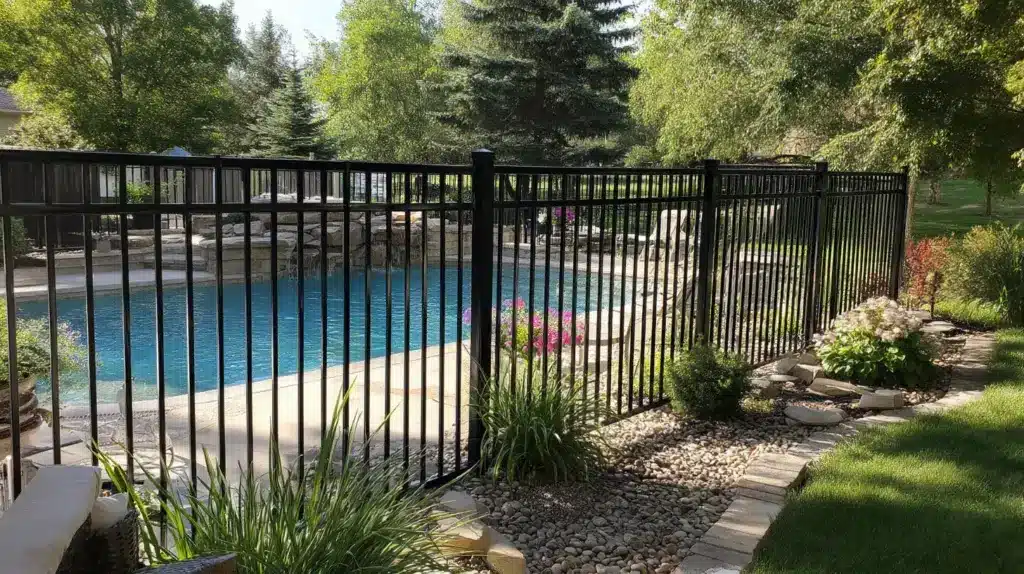
Aluminum is one of the most common choices for permanent pool fencing. Aluminum pool fence cost in 2025 usually falls between $32 and $57 per linear foot installed.
Most pool fences made from aluminum are powder coated to resist rust and sun damage. This adds durability and keeps the fence looking clean for years. Aluminum fences are strong, lightweight, and meet code requirements in most areas.
Aluminum pool fence installation works well around concrete decks, grass, or garden areas. Posts are set carefully to maintain consistent fence height and spacing. For homeowners who want a long term solution with low maintenance, aluminum often makes sense.
Glass Pool Fences
Glass fencing sits at the high end of pool fence cost. In 2025, glass pool fence cost typically ranges from $90 to $190 per linear foot, sometimes more.
Glass pool fencing uses tempered safety glass panels anchored into concrete or deck surfaces. The installation process is precise and labor intensive. Installers must drill holes carefully, align panels, and secure hardware to meet safety standards.
This option is chosen mostly for style and visibility. It keeps the pool visible while still providing a secure barrier. For some homeowners, the price is worth it for the clean, modern look.
Vinyl Pool Fences
Vinyl pool fence cost usually ranges from $15 to $40 per linear foot installed. Vinyl fencing is low maintenance and resistant to moisture.
However, pool fence design rules limit spacing and rail placement, which can affect appearance. Vinyl works best when designed specifically as a swimming pool fence rather than a standard privacy fence.
Wood Pool Fences
Wood pool fence cost ranges widely, from about $3 to $30 per linear foot installed. Wood is often chosen for its natural look, but it requires ongoing maintenance.
Not all wood fences meet pool safety standards. Spacing, climbability, and fence height must meet code. Wood can work well when properly designed, but durability and upkeep should be part of the budget discussion.
Total Pool Fence Cost Examples
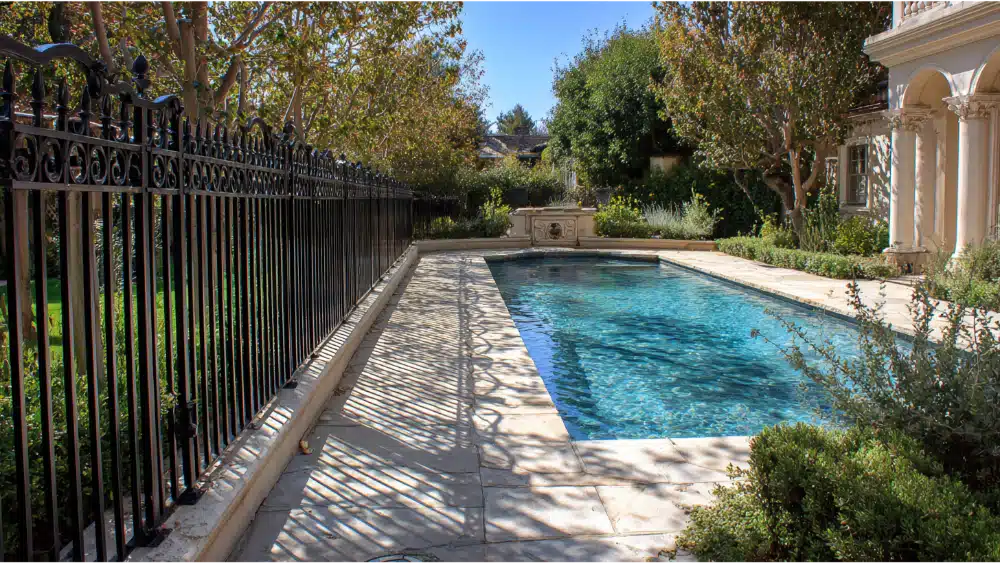
Looking at real examples helps homeowners understand how much does a pool fence cost for their situation.
Small Pool (80 to 100 Linear Foot)
A small swimming pool with simple access often falls into these ranges:
Mesh pool fence cost may range from $1,500 to $3,500.
Aluminum pool fence cost may range from $2,800 to $5,500.
Glass pool fence cost may range from $7,500 to $15,000.
Medium Pool (120 to 150 Linear Foot)
This is the most common pool size.
Mesh pool fence cost often lands between $2,500 and $5,000.
Aluminum fencing often falls between $4,000 and $8,000.
Glass fencing frequently exceeds $12,000.
Large or Custom Pools (180 Foot or More)
Larger pool areas increase installation time and cost.
Mesh fencing may approach $6,000.
Aluminum fencing may exceed $10,000.
Glass fencing can reach $18,000 or more.
Elevation changes, curves, walls, and existing structure features can all increase the final price.
What Factors Increase or Decrease Pool Fence Cost
Beyond material and length, several cost factors influence how much money you pay.
Fence Height Requirements
Fence height is critical for safety. Most codes require at least 48 inches, while some require 54 or 60 inches. Increased fence height means more material and higher cost.
Installation Surface
Installing into concrete or a pool deck often requires a hammer drill and precise measurements. Installers drill holes for each pole and sleeve. Grass or ground installations may involve digging holes and setting posts in the ground. Each surface affects labor and cost.
Gates and Hardware
Gates are one of the most important safety features. Most codes require self closing gates and a self latching gate. Self closing hardware must be adjusted carefully to ensure the gate closes every time.
Multiple gates increase cost. However, gates provide controlled access and protect kids and pets from entering the pool unsupervised.
Yard Layout and Terrain
Elevation changes, slopes, and tight spaces increase installation time. Walls, gardens, and existing structures may require custom solutions. These details affect the final price more than many homeowners expect.
Pool Fence Code Requirements and Why They Affect Cost
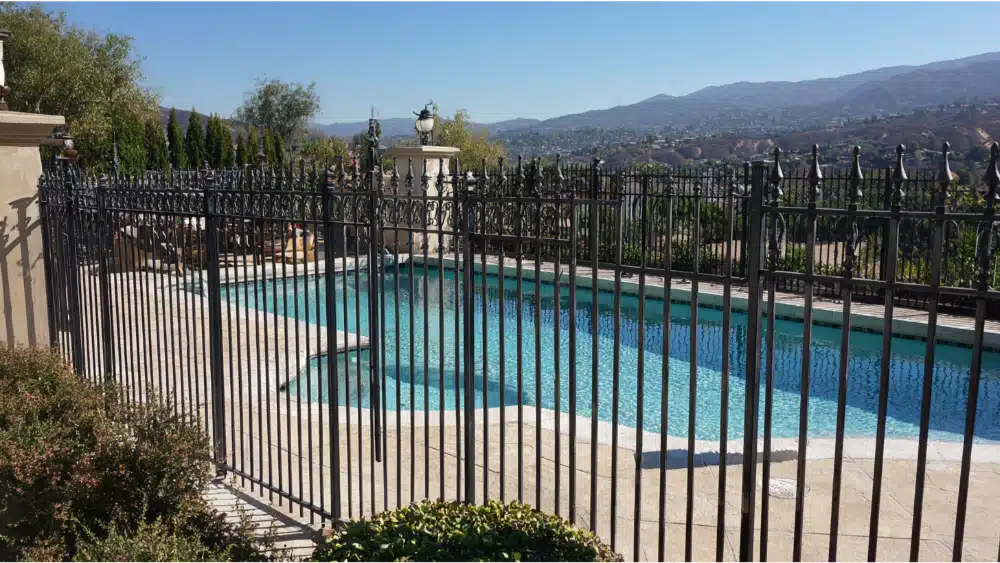
A swimming pool fence must meet local safety codes. These rules exist to prevent accidents and protect children.
Most codes specify fence height, spacing, gate swing direction, latch height, and clearance from walls. Meeting code often requires professional fence installation. Permit fees may apply depending on location.
Hiring experienced installers helps ensure the fence meets code and avoids costly corrections later.
Is a Pool Fence Worth the Cost
For most families, the answer is yes. A pool safety fence provides a physical barrier that alarms and covers cannot replace. It helps protect kids, pets, and guests every day, not just when the pool is in use.
Many homeowners say the peace of mind alone makes the investment worthwhile. A secure pool area allows families to enjoy the yard without constant worry.
Pool Fence vs Other Pool Safety Options
Other safety options include covers, alarms, and door sensors. These features add layers of protection, but they do not replace a fence.
Most pool fences create a constant barrier around the pool. Combined with self closing gates and proper hardware, fencing remains the most reliable solution for pool safety.
How to Budget for a Pool Fence Without Stress
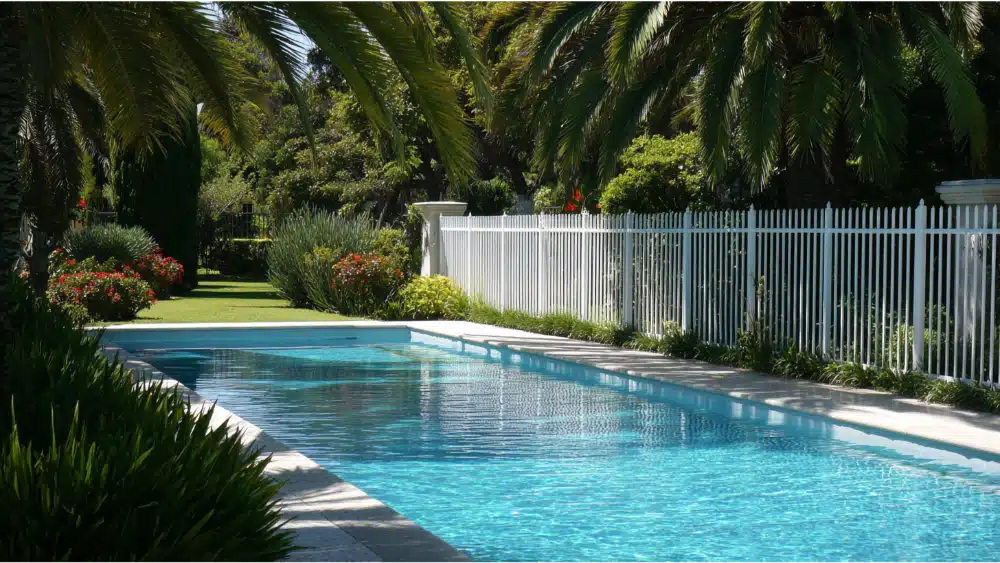
Start by estimating the length of fence needed. Measure the pool area carefully. Decide which fence material fits your family, style, and budget.
Avoid choosing based on price alone. Durability, safety features, and quality installation matter. A slightly higher upfront cost can save money over time by reducing repairs and replacements.
Why Professional Pool Fence Installation Matters
Pool fence installation requires precision. Installers must measure accurately, drill holes correctly, set poles securely, and align gates properly.
Professional installation reduces risk, ensures safety, and saves time. It also helps the fence perform as intended for years.
Pool Fence Cost FAQs
How much does a pool fence cost in California
Costs are often higher due to labor and permit fees. Many projects fall between $3,000 and $8,000 depending on size and material.
What is the cheapest pool fence option
A mesh pool fence is often the most affordable installed option while still meeting safety standards.
How long does pool fence installation take
Most installations take one to two days, depending on complexity and number of gates.
Can I install a pool fence myself
DIY kits exist, but professional installation ensures safety, durability, and code compliance.
Does a pool fence add home value
It may not directly raise appraised value, but it adds buyer confidence and reduces liability.
Are pool fences required by law
Many areas require barriers around a swimming pool, especially when children are present.
Final Thoughts: Safety You Can Feel Good About
Understanding how much does a pool fence cost helps you plan without stress. A pool fence is more than a line item. It is a commitment to safety, family, and peace of mind.
When installed correctly, a pool safety fence blends into your yard, secures the pool area, and quietly does its job every day. With the right plan, the right fence material, and professional installation, your swimming pool becomes a safer place for everyone.