
When homeowners ask, “what materials are used for chain link fence rails,” they are usually trying to understand what makes a chain link fence strong, steady, and worth the investment. The simple answer is that most chain link fence rails are made from galvanized steel tubing. The right diameter, though, depends entirely on the height of the fence and how much work the rail has to do. Some rails are also finished with vinyl coating or powder coating for a cleaner look, added protection, and better curb appeal.
A chain link fence may look simple, but every rail, post, wire, mesh, and piece of hardware has a job to do. When those components work together, the fence feels secure, clean, and ready for everyday life.
What Are Chain Link Fence Rails?
Chain link fence rails are the horizontal pieces that connect fence posts and help support the chain link mesh. They give the link fence shape, structure, and added strength.
The Role Rails Play in a Chain Link Fence
Top rails are the most common rails on a chain link fence. They run along the upper edge of the chain link fabric and help keep the fence fabric from sagging. A bottom rail may also be used when the project needs extra support near the ground.
Rails help the whole chain link system feel steady. Without the right rail material, even good mesh and strong posts can look loose over time.
Rails vs. Posts vs. Chain Link Fabric
Fence posts stand upright and hold the system in place. Line posts support the long straight runs of the chain link fence. Terminal posts are placed at ends, gates, and major stopping points. Corner posts support direction changes. The chain link fabric or chain link mesh fills the space between the posts.
The rail connects these pieces, helping the fence stay straight from post to post.
The Most Common Material: Galvanized Steel

Galvanized steel is the most common material used for chain link fence rails. It is strong, durable, and commonly chosen because it can resist rust better than untreated steel.
Why Galvanized Steel Is Used for Chain Link Fence Rails
The steel gives the rail strength. The galvanized coating helps prevent rust by creating a protective cover over the metal. This matters because a chain link fence sits outside through rain, sprinklers, sun, wind, and daily wear. For many homes, galvanized steel offers the right balance of value, safety, and long term security.
What Homeowners Should Know About Galvanized Rails
Galvanized rails usually have a silver finish. They are practical, clean, and dependable. They may not have the softer look of black or green coated chain link, but they do the job well.
For a backyard, side yard, rental property, or access area, galvanized rails are one of the most common options.
Vinyl-Coated Steel Rails
Vinyl-coated steel rails are made with a galvanized core and a colored outside finish.
What Vinyl-Coated Rails Are
Vinyl coating adds a finished layer over the rail. The strength still comes from the steel underneath, but the outside looks smoother and more polished.
These rails may come in several colors, including black, brown, and green.
Why Homeowners Choose Vinyl-Coated Rails
Vinyl-coated rails can help a chain link fence blend into the yard. A black chain link fence often feels softer near landscaping, gardens, and outdoor living spaces.
The vinyl coating also gives the rail additional protection, which helps the fence look better for longer.
Powder-Coated Steel Rails

Powder-coated steel rails are another coated material option for chain link fence projects.
How Powder Coating Differs From Vinyl Coating
Powder coating creates a smooth, durable finish on the steel. Like vinyl coating, it improves appearance and adds another layer of protection.
The rail underneath is still steel, so the fence keeps the strength homeowners expect from chain link.
Best Uses for Powder-Coated Rails
Powder-coated rails are a good fit for visible areas, front-facing runs, gates, and yards where the homeowner wants the link fence to look clean and intentional.
They are also helpful when matching top rails, terminal posts, line posts, gate hardware, and other components.
How Rail Diameter Is Sized to the Fence
The top rail ties the whole fence together along the top, gives the fabric a clean line to follow, and adds the rigidity that keeps a fence from flexing and waving. The material is almost always galvanized steel tubing, but the diameter that tubing needs to be changes with the height and demands of the fence.
The Standard: 1⅝-Inch Rail
On a typical 6-foot fence, the most common top rail is 1⅝-inch tubing, in either schedule 20 or structural steel. This is the workhorse size for the majority of residential and light commercial fences. It gives a 6-foot fence the strength and rigidity it needs to stay straight and stable, without over-building for the job.
Stepping Up: 1⅞-Inch Rail
On a heavy commercial project or a taller fence, the top rail steps up to 1⅞-inch tubing. The larger diameter adds strength and stiffness across longer spans and greater heights, where a standard rail would have more flex than is wanted. When a fence is securing a commercial yard or running taller than standard height, that heavier rail is what keeps the top line solid and true.
Scaling Down: 1⅜-Inch Rail
On the other end, a short fence, such as a 3- or 4-foot chain link fence in front of a residence, doesn’t need as much rail. On those, the top rail might be as small as 1⅜-inch tubing. At that height there’s far less fabric and far less leverage, so a lighter rail does the job cleanly without adding unnecessary cost or bulk.
Why the Right Size Matters
It comes down to matching the rail to the load. The taller the fence and the more demanding the application, the more the rail has to resist flex and hold the fabric’s top line steady. Too light a rail on a tall or commercial fence will wave and sag over time; over-building a short residential fence means spending money that wasn’t needed. Sizing the rail to the fence, 1⅜ for short residential, 1⅝ for standard 6-foot, and 1⅞ for tall or heavy commercial, is one of the details that separates a fence built to last from one built to a price.
Lighter-Gauge Residential Steel Tubing
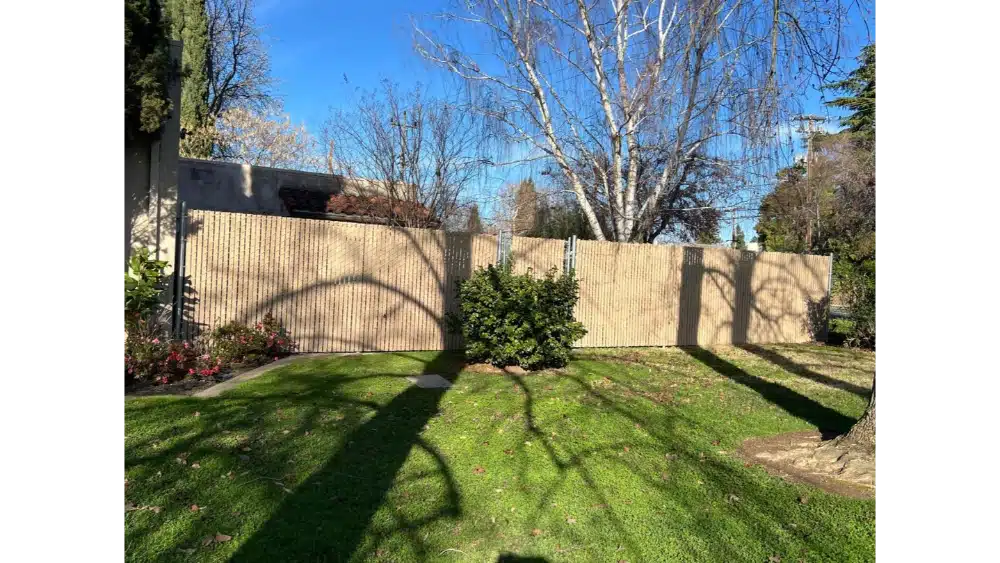
Many residential chain link fence projects use 1⅝-inch tubing, the standard diameter for a typical 6-foot fence, or 1⅜-inch tubing for shorter fences around 3 to 4 feet.
When Lighter Rails May Not Be Enough
Lighter rails may not be the best choice for large dogs, long fence lengths, uneven ground, heavy gates, or a tall chain link fence. In those cases, stepping up to 1⅞-inch tubing or a heavier gauge pipe can provide the added strength those situations need.
Are Chain Link Fence Rails Ever Made From Aluminum?
Most chain link fence rails are not made from aluminum. Steel remains the trusted material because rails need to carry tension and support the mesh.
Aluminum vs. Aluminized Coatings
Some wire or chain link mesh may have an aluminized finish, but that does not mean the rail is aluminum. The rail, post, and pipe framework are usually steel.
Why Steel Remains the Trusted Choice
Steel is strong, durable, and reliable. It works well with line posts, terminal posts, corner posts, tension wire, tension bars, brace band hardware, and top rails.
That is why steel is commonly used for residential, commercial, and industrial chain link fences.
Top Rails, Bottom Rails, and Brace Rails: Do They Use the Same Material?

Most top rails, brace rails, and bottom rail pieces are made from galvanized or coated steel.
Top Rails
Top rails run along the top of the chain link fence. They are often sold in full lengths or shorter lengths, including common 10 foot or 21 foot pieces depending on the project and supplier.
Some big box stores sell residential top rails for small repairs, but a full fence installation should be planned as a complete system.
Bottom Rails
A bottom rail adds support near the ground. It can help with pets, security, and cleaner lines.
Brace Rails
Brace rails are used near terminal posts, corner posts, and gates. They usually connect with a brace band, tension bands, and other hardware.
How Rail Material Affects Fence Strength
The rail material helps decide how strong the chain link fence will feel once installed.
Fence Height
A taller fence needs stronger posts, rails, and mesh. A 3- or 4-foot chain link fence may only need 1⅜-inch tubing, while a standard 6-foot fence typically calls for 1⅝-inch tubing, and a taller or heavy commercial fence steps up to 1⅞-inch tubing to resist flex across the greater height.
Post Spacing
Line posts must be spaced properly so the rails and chain link mesh are supported. If line posts are too far apart, the fence may feel weak.
Gates and Corners
Gates and corner areas need extra care. Terminal posts, corner posts, tension bands, tension bars, gate hardware, and brace band connections all help the fence stay secure.
Yard Conditions
Soil, slope, wind, access needs, and daily use all affect the installation. Posts may be set in concrete or cement to help the fence stay steady.
How Rail Material Affects Rust Resistance
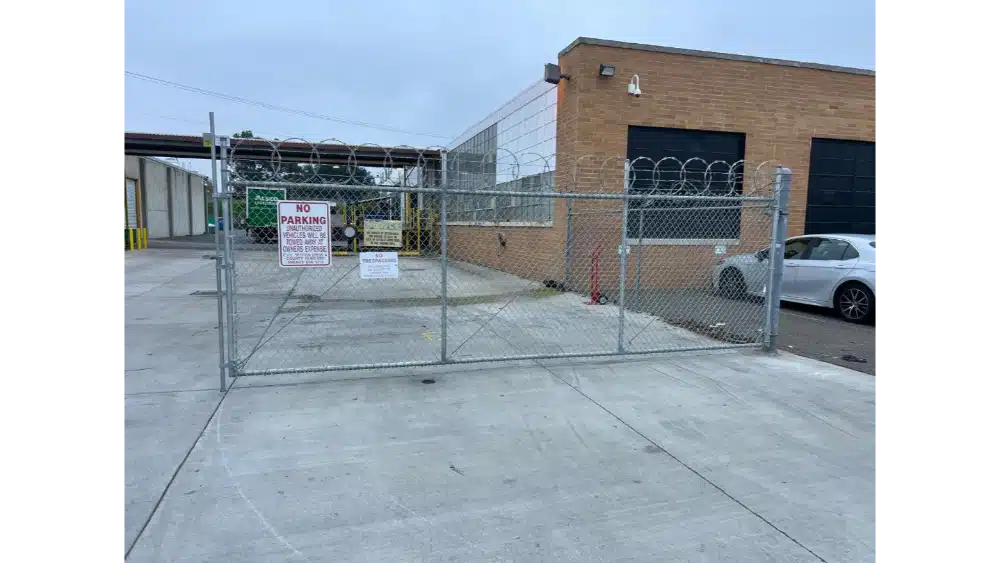
Rust can shorten the life of a fence, especially when low-quality material is used.
Galvanized Protection
A galvanized coating helps prevent rust and protects the steel rail, pipe, and post from moisture.
Coated Finishes
Vinyl coating and powder coating add protection and help the fence look better. This is especially helpful for black or green chain link projects.
Installation Quality Matters
Proper installation matters as much as material. Posts should be set correctly, rails should be aligned, mesh should be stretched evenly, and hardware should be tightened with care.
How Rail Material Affects the Look of Your Fence
The rail finish can change how the entire chain link fence feels in your yard.
Classic Silver Galvanized Chain Link
Silver galvanized chain link is simple, practical, and familiar. It works well for property lines, side yards, dog runs, and access areas.
Black Chain Link Framework
Black chain link with matching rails, posts, and mesh can look cleaner and more modern. It blends well with landscaping and feels less industrial.
Matching Rails, Posts, Gates, and Fabric
A matched system matters. When top rails, line posts, terminal posts, corner posts, gates, mesh, tension bands, tension bars, brace band hardware, and gate hardware all work together, the project looks finished.
Which Chain Link Fence Rail Material Is Best for Your Home?
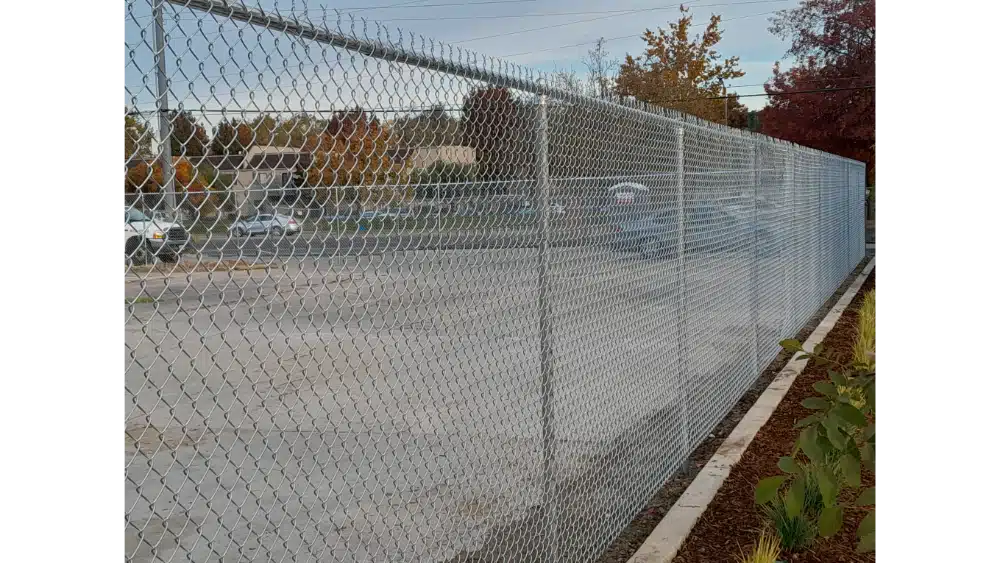
The best rail material depends on how you use your property.
Best for Everyday Backyard Use
For everyday backyard use, galvanized steel residential tubing is often the right choice. It gives the chain link fence strength without overbuilding the project.
Best for Curb Appeal
For curb appeal, vinyl-coated or powder-coated steel is a strong choice. It is especially helpful for backyard fence designs near patios or gardens.
Best for Heavy-Duty Needs
For heavy-duty needs, stepping up to 1⅞-inch tubing is usually the right call. This is common for commercial chain link fence installation and repairs, commercial settings, industrial chain link fences, and an industrial site.
Best for Pets and Kids
For pets and kids, a secure fence depends on more than one component. Strong line posts, terminal posts, top rails, tension wire, tension bars, mesh, and gates all matter.
Questions to Ask Before Choosing Chain Link Fence Rails
A good fence starts with the right questions.
How Tall Will the Fence Be?
A 4 foot fence has different needs than a 6 foot or 8 foot fence.
Will the Fence Hold Pets In?
Pets may push against mesh, dig near the bottom, or test gates. Strong rail material, tension wire, and secure hardware can help.
Is the Fence for Privacy, Security, or Property Lines?
For privacy, privacy slats may be added to chain link mesh. For security, the project may need barbed wire, added security, or additional security features.
Do You Want the Fence to Blend Into the Yard?
Black or green coated chain link can soften the look of the fence and help it blend with the property.
Is Your Yard Sloped or Uneven?
A sloped yard needs careful installation, proper post placement, and the right rail lengths, which makes choosing the right professional fence contractor especially important.
Why Professional Installation Makes a Big Difference
A chain link fence is only as good as the way it is installed. The right material helps, but the details make the difference.
Line posts need to be straight. Terminal posts need strength. Corner posts need support. Gates need proper hardware. Tension bands, tension bars, brace band connections, wire, mesh, and rails all need to work together.
When a fence is installed with care by a professional fence company for repair, replacement, and installation, it feels steady, secure, and built for daily life.
Fantastic Fence’s Approach to Chain Link Fence Framework
At Fantastic Fence, we know a fence is more than metal, wire, and cement. It protects your pets, guides your property lines, supports safety, and gives your yard a cleaner sense of order.
We look at every post, rail, mesh section, gate, and hardware connection as part of the whole project. From a simple backyard chain link fence to a commercial chain link fence for a business, we help choose material that fits the space.
The goal is always the same, from worn and wobbly to strong, clean, secure, and ready to last, and homeowners can book a free estimate for their fence project.
FAQs About Chain Link Fence Rail Materials
What Are Chain Link Fence Top Rails Made Of?
Most chain link fence top rails are made from galvanized steel tubing or pipe. Some top rails are coated with vinyl or powder coating for extra protection and appearance.
What diameter should a chain link fence top rail be?
It depends on the fence height. A short residential fence, around 3 to 4 feet, typically uses 1⅜-inch tubing. A standard 6-foot fence uses 1⅝-inch tubing, the most common size for residential and light commercial projects. Taller fences or heavy commercial applications step up to 1⅞-inch tubing for added rigidity across the greater height and span.
Why does rail diameter matter?
A rail that’s too light for the fence’s height will flex and wave over time, especially across long spans. A rail that’s too heavy for a short residential fence adds unnecessary cost and bulk. Matching the diameter to the fence’s height and use is what keeps the top line solid without over-building the project.
Are Chain Link Fence Rails Galvanized?
Yes, many chain link fence rails are galvanized. The galvanized coating helps the rail resist rust and hold up outdoors.
Is Vinyl-Coated Chain Link Stronger Than Galvanized?
The strength usually comes from the steel underneath. Vinyl coating improves the look and adds a protective cover, but the steel core provides the strength.
What Is the Difference Between Residential and Commercial Chain Link Rails?
Commercial rails usually have greater wall thickness, stronger pipe, and heavier material. Residential rails are often lighter and better suited for simple home projects.
Do I Need a Bottom Rail on My Chain Link Fence?
Not always. A bottom rail can help with pets, security, and a cleaner finish, but some chain link fence projects use tension wire instead.
Can Chain Link Fence Rails Rust?
Yes, rails can rust over time, especially if the coating is damaged. Galvanized and coated steel help prevent rust and extend the life of the fence.
What Rail Material Is Best for a Black Chain Link Fence?
Black vinyl-coated or powder-coated steel rail material is usually best. It matches the chain link mesh, line posts, terminal posts, gates, and hardware.
Can Damaged Chain Link Rails Be Replaced?
Yes. Damaged rail sections can often be replaced without replacing the whole fence, especially when the posts, mesh, and gates are still in good shape.
Final Thoughts: Strong Rails Make a Stronger Fence
So, what materials are used for chain link fence rails? Most are made from galvanized steel tubing, sized to the fence: 1⅜-inch for short residential fences, 1⅝-inch for the standard 6-foot fence, and 1⅞-inch for taller or heavy commercial projects. Some rails use vinyl coating or powder coating for a cleaner look and added protection. The right chain link fence material depends on the height, property, post spacing, gates, access needs, security goals, and overall project design.
When the rail, post, mesh, wire, tension bands, tension bars, brace band hardware, and gates are chosen well, the fence feels strong from the start.
Your yard deserves a fence that feels steady, safe, and right for your home. Let’s build something strong together.