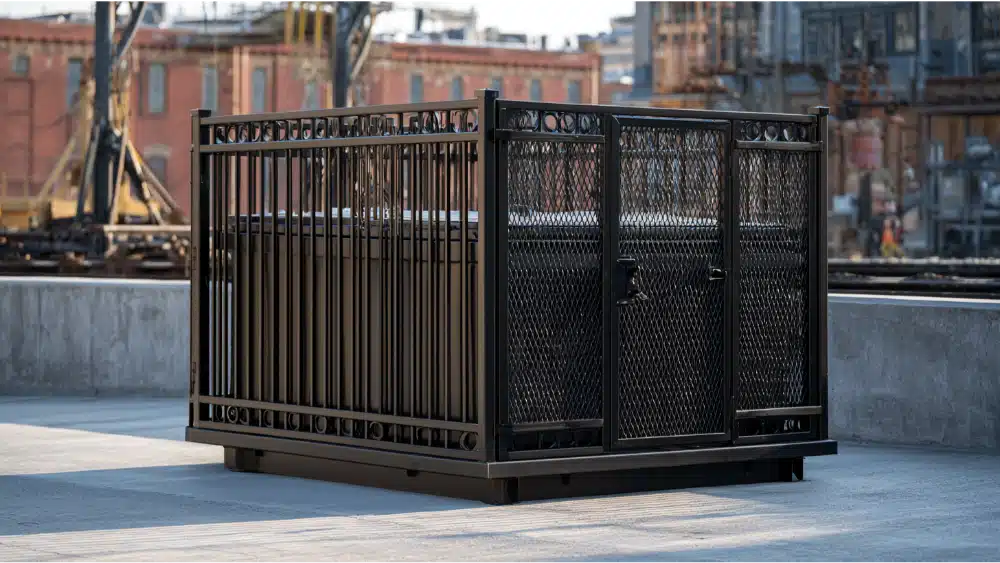
If you own or manage a commercial property, the trash area may not be the first thing you think about, but it matters more than most people realize. A visible dumpster can make a clean property feel neglected. A weak gate can become a daily frustration. A poorly planned enclosure can create issues with garbage trucks, city approval, and long-term maintenance. So, what height is required for a commercial dumpster enclosure?
Across Sacramento, Placer, El Dorado, Yuba, Yolo, and Nevada counties, the standard is six feet: a solid masonry enclosure that matches the main building, with a solid, self-latching gate for access. The logic is simple. Trash inside an enclosure can’t stick up above the height of the walls, so six feet of solid screening is what keeps the bins fully out of sight.
The Simple Answer: Six Feet, Solid Masonry
Across our service area, the standard for a commercial trash and recycling enclosure is six feet tall, built of solid masonry that matches the main building, with a solid, self-latching gate. That standard holds up consistently county by county:
- In Yuba and Nevada counties, enclosures are required for commercial development and built to the same six-foot masonry standard, with Yuba’s code also requiring compliance with the California Fire Code.
- In Sacramento County and the City of Sacramento, enclosure walls must be a minimum of six feet, constructed of solid masonry with a decorative exterior finish compatible with the main structure, and fitted with decorative solid heavy-gauge metal gates secured by cane bolts.
- In El Dorado County, refuse collection areas must be screened with a solid six-foot-high masonry enclosure compatible in appearance with the buildings on site.
- In Yolo County, enclosures must be four-sided and screened by a minimum six-foot solid masonry enclosure using the same materials as the primary building, with an opaque, self-latching gate, located to the side or rear and not fronting a public right-of-way.
In Placer County, trash storage must be solid masonry or wood construction approved by the local sanitary district, with commercial screening walls running six feet as the baseline.
Why 6 Feet is the Standard
Six feet isn’t simply a starting point that some properties build up from. It’s the baseline across the region because it’s tall enough to fully screen a standard trash and recycling bin, provided the trash inside doesn’t stick up above the wall line. That single detail is what most projects get wrong. A six-foot wall only works if the bin itself, and its contents, stay below that height.
When a Taller Enclosure Might Be Needed
The six-foot masonry standard covers the vast majority of commercial projects across our service area. In rare cases, an unusually large container or a site-specific condition might call for something taller, but this isn’t the norm, and any deviation from the six-foot standard should be confirmed directly with the governing city or county before building.
Local Code Always Comes First
There is no single national rule for dumpster enclosure requirements. Local regulations decide the final height, materials, placement, and access needs. Before building, always check with the city, county, or property manager so the enclosure is constructed the right way from the start.
What Sacramento-Area Property Owners Should Know
In the Sacramento area, the standard commercial dumpster enclosure is six feet, built of solid masonry, but nearby cities may have different specific requirements for aprons, gates, and finishes. Some rules may also require specific enclosure walls, solid gates, decorative materials, or a concrete pad. The location of the enclosure on the site can also affect approval, especially when it is close to a property line or visible from a public right.
City Limits Change the Rules
If your project sits inside an incorporated city, such as Roseville, Rocklin, Auburn, Folsom, Elk Grove, Grass Valley, Marysville, or Woodland, that city’s code governs, not the county’s. The six-foot masonry standard is nearly universal across the region, but the finer points, apron size, gate specs, setbacks, and material requirements, vary from one jurisdiction to the next.
Getting the height right is the easy part. Getting the apron, gate, clearances, and finish to satisfy a specific city’s plan check is what keeps a project on schedule.
Why Local Experience Matters
A strong contractor looks at the full picture. That includes the dumpster dimensions, the property line, the truck route, the pad, the gates, the public right of way, and the daily use of the space. This helps create an enclosure that looks clean, works well, and supports compliance.
Why Dumpster Enclosure Height Matters

Dumpster enclosure height matters because the enclosure has an important job. It needs to hide the dumpster, contain trash, support safety, and improve the appearance of the property.
It Helps Keep Your Property Looking Clean
A dumpster sitting in open view can make a building feel less cared for. A properly sized enclosure gives the waste area a cleaner look and helps the property feel more finished.
It Supports Code Compliance
Many cities require trash and recycling containers to be screened from public view. If the walls or gates are too short, the dumpster may still be visible. That can lead to a correction notice, failed inspection, or extra cost later.
It Helps Protect the Area
A well-built enclosure can protect the trash area from wind, debris, unwanted dumping, and daily wear. Strong gates, sturdy posts, and the right materials enhance safety and help the enclosure last.
It Improves the Experience for Tenants, Customers, and Staff
When the trash area is enclosed, clean, and functional, the entire property feels better. Staff have easy access, customers see a more cared-for space, and tenants feel more confident in the building.
What a Six-Foot Enclosure Actually Requires
The height is the headline, but the codes regulate the whole structure. Most jurisdictions also dictate:
- The concrete apron. The City of Sacramento, for example, requires a 10-foot by 20-foot apron for a standard 2-yard bin, with a wider apron required when a crane-lifted container is used.
- Gate hardware. Solid gates, cane bolts to hold them open and closed, and self-latching mechanisms are typically required. Many jurisdictions also require that the gate not open toward the street.
- Materials and finish. The enclosure should match the primary building’s materials and color rather than looking like a tacked-on structure.
- Clearance and setbacks, so the refuse truck can service the bin safely.
A code-compliant enclosure is a small building, not just a fence. It has to be engineered and finished to last.
Other Dumpster Enclosure Requirements Besides Height
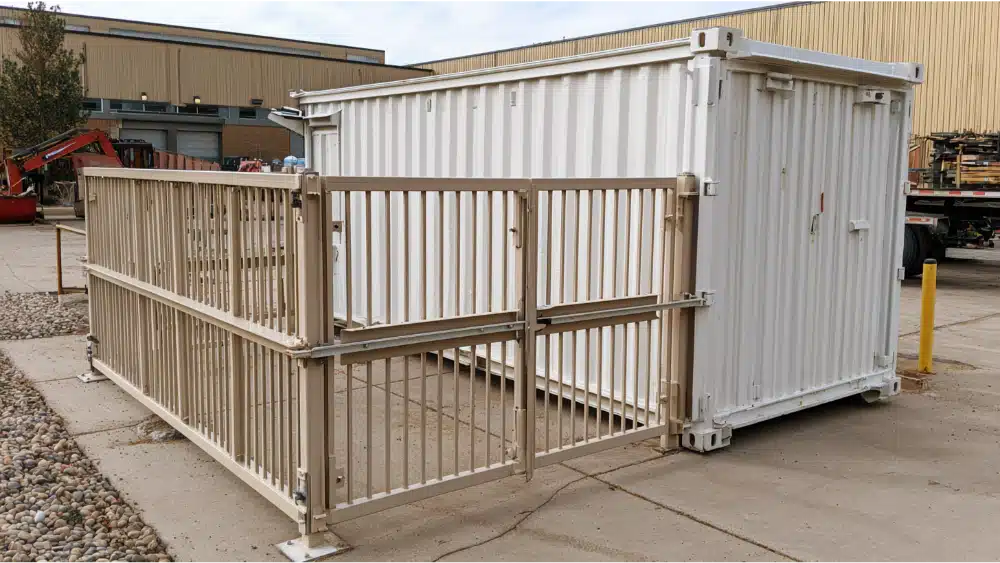
A good enclosure is not only about height. Dumpster enclosure requirements often include access, surfaces, materials, gate function, and truck movement.
Gate Width and Access
Garbage trucks need room to reach the dumpster. The gates should open wide enough for service and stay secured in closed positions when not in use. If the access is too tight, pickup can become difficult or unsafe.
Solid Masonry Is the Regional Standard
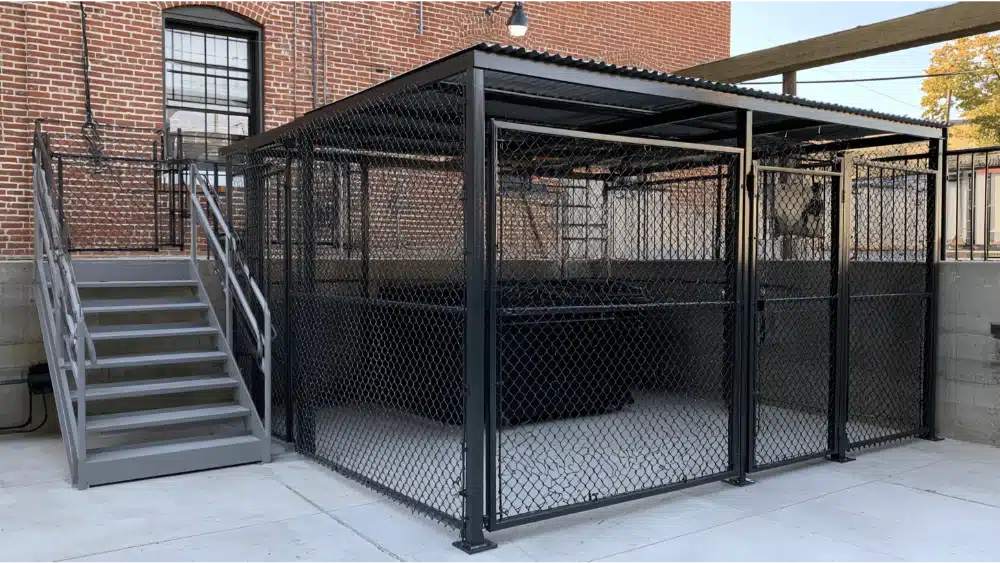
Across the region, codes call for solid masonry that matches the main building’s materials and finish, not a general category of “solid screening.” Placer County allows solid masonry or approved wood construction, but masonry compatible with the primary structure is the default expectation everywhere else in the service area. Chain link and lighter materials generally don’t meet code for a permanent commercial enclosure.
Durable Gate Hardware
The gates take a lot of daily use. Hinges, latches, cane bolts, posts, and frames must be strong. Good hardware improves durability and helps the enclosure stay functional over time.
Concrete Pads and Aprons
Many dumpster enclosures need a concrete pad so the dumpster sits on a stable surface. A concrete pad also helps garbage trucks service the containers without damaging the ground. Some projects may require reinforced concrete, especially where heavy truck movement is expected.
Bollards and Post Protection
Bollards can protect the enclosure walls, gates, and posts from impact. This is crucial in spaces where the dumpster is moved often or where trucks must back into a tight location.
Overhead Clearance
Overhead clearance is another key part of planning. Garbage trucks need enough vertical space to lift and empty containers. Trees, wires, rooflines, and attached structures can interfere with service.
What Materials Work Best for Commercial Dumpster Enclosures?
Masonry or Concrete Block: The Regional Default
Masonry, brick, and concrete block are the standard material across nearly the entire service area, required to match the main building’s finish. These walls offer strength, durability, and a solid, finished appearance that satisfies code in Sacramento, El Dorado, Yolo, Yuba, and Nevada counties.
Wood: An Approved Exception in Some Jurisdictions
Placer County allows solid masonry or approved wood construction through the local sanitary district. Outside of jurisdictions that specifically allow it, wood generally doesn’t meet the solid masonry standard required elsewhere in the region.
Metal Frame Gates
Regardless of wall material, metal-framed gates are typically required for durability, since the gate is usually the hardest-working part of the enclosure.
Vinyl or Composite Screening
Vinyl and composite materials are generally not the compliant choice for a permanent commercial enclosure under the masonry standard, though they may appear in interior or secondary screening applications depending on local code.
How Tall Should Your Dumpster Gate Be?

In nearly all cases, the gate should match the six-foot height of the enclosure. This keeps the screen consistent and helps prevent the dumpster from being visible through the opening.
Gates Need to Be Strong, Not Just Tall
Tall gates need strong support. If the posts are weak or the frame is too light, the gate can sag, drag, or stop latching. Good building practices protect the gate and help maintain easy access.
Why Professional Gate Installation Matters
Professional installation helps make sure the gates fit the opening, clear the concrete, stay aligned, and remain secure in closed positions. That protects the enclosure and keeps the service area working smoothly.
Do Commercial Dumpster Enclosures Need Permits?
Many commercial dumpster enclosures require a permit or some level of city approval. A building permit may be needed depending on the height, materials, placement, and whether the enclosure is attached to another structure.
Many Projects Require City Review
Commercial properties often face stricter review than residential projects. The city may review the enclosure dimensions, location, access, surfaces, materials, and distance from the property line.
Planning Ahead Prevents Costly Changes
It is better to plan before building than to rebuild after an inspection. The permit process can help confirm that the enclosure meets regulations before materials are ordered and construction begins.
What to Check Before Building
Before building, check local regulations, waste hauler standards, fire access, utility clearance, overhead clearance, property line setbacks, and site visibility. This process helps the project move forward with fewer surprises.
Where Should a Dumpster Enclosure Be Placed?
Placement affects how well the enclosure works. The location should allow service access while keeping the trash area away from entrances, outdoor seating, windows, and customer spaces when possible.
Keep It Accessible for Service Trucks
The truck needs a clear path to the enclosure. Tight turns, parked cars, slopes, and narrow drives can make pickup harder. Good placement helps accommodate the truck and keeps service reliable.
Keep It Away From Sensitive Areas
A dumpster should not feel like the first thing people notice. When possible, place the enclosure where it is convenient for staff but not distracting for guests, tenants, or neighbors.
Balance Visibility and Function
The best location balances appearance and accessibility. The enclosure should screen the dumpster, maintain easy access, and make practical use of the available space.
How to Know If Your Existing Dumpster Enclosure Is Too Short

Your current enclosure may be too short if the dumpster lids show over the top, the containers are visible from the street, or the gates do not fully cover the opening. It may also be too short if the city has issued a notice or if trash and debris keep escaping the area.
The Dumpster Is Visible From the Street
If people can clearly see the dumpster from the public right of way, the enclosure may not be doing its job. A taller screen may be needed.
The Gate Does Not Fully Hide the Containers
Short or damaged gates can hurt the appearance of the property and create compliance concerns. The gate should work with the walls to fully screen the waste area.
Trash Blows Out or Collects Around the Area
When the enclosure is poorly sized or poorly placed, debris can collect around the site. Better dimensions, stronger gates, and a cleaner layout can help.
The City or Property Manager Has Issued a Notice
A notice usually means action is needed. It may involve height, materials, location, permit approval, or another part of the dumpster enclosure requirements.
Can You Raise the Height of an Existing Dumpster Enclosure?
Sometimes an existing enclosure can be raised, but it depends on how it was constructed. The posts, walls, gates, concrete, and pad all need to be checked first.
Sometimes, But It Depends on the Structure
If the structure is solid, it may be possible to add height. But if the structural integrity is already weak, adding more weight can create safety problems.
When Replacement Is the Better Choice
Replacement may be smarter when the enclosure is leaning, rotting, rusting, cracked, too close to the property line, or built with the wrong materials. A fresh build can solve height, access, durability, and compliance at the same time.
From Worn and Exposed to Clean and Secure
A new enclosure can completely change the feel of the space. What once looked worn, open, and frustrating can become clean, enclosed, and reliable.
Cost Considerations for Commercial Dumpster Enclosures
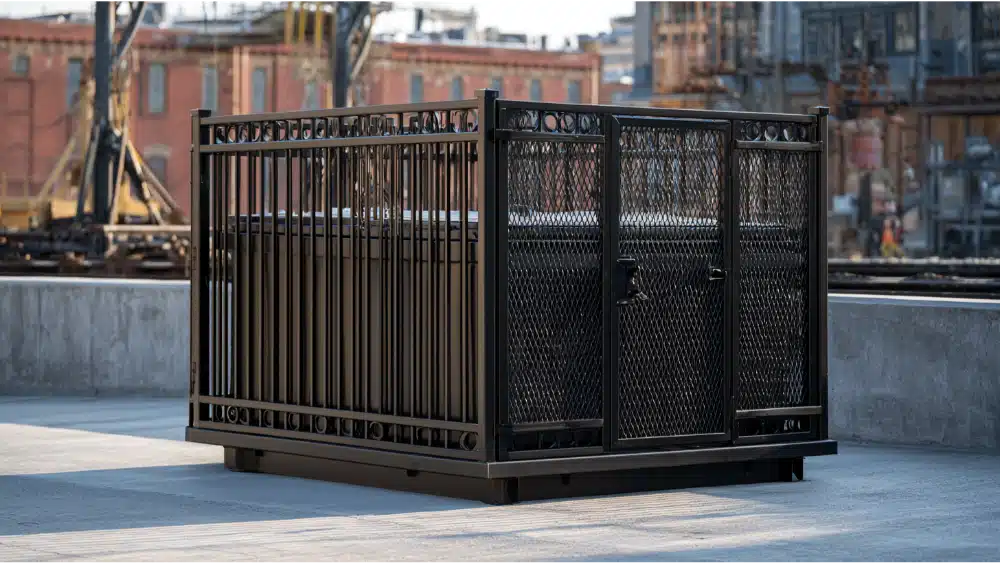
Cost depends on dimensions, materials, site conditions, and permit needs. Because solid masonry construction is required across most of the region, budgeting for that standard from the outset, rather than a lighter-material structure, is the more accurate way to estimate a project.
Masonry Construction Affects Cost
Masonry, brick, and concrete are the materials to budget for in most of the region. Wood may be a lower-cost alternative only in jurisdictions like Placer County where it’s specifically approved by the local sanitary district.
Site-Specific Material Variations
Beyond the standard masonry wall, small cost differences can come from finish details, such as decorative block versus brick, or the type of metal gate hardware selected. These choices affect appearance and price without changing whether the enclosure meets the underlying masonry requirement.
Site Conditions Matter
A level pad is easier to build on than uneven ground. Existing concrete, drainage, demolition, truck access, and surfaces can all affect the final price.
A Clear Estimate Helps You Plan With Confidence
A good estimate should explain the enclosure dimensions, materials, gates, concrete pad needs, permit considerations, and service access. Clear information helps businesses make a confident decision.
Working With a Fence Contractor for a Commercial Dumpster Enclosure
A good fence contractor looks beyond the basic height. The full plan should include the dumpster size, enclosure height, materials, gates, location, property line, building permit needs, truck access, and long-term maintenance, which is why choosing the best fence company in Sacramento really matters.
A Good Contractor Looks Beyond Height
Height is important, but it is only one part of the enclosure. The project also needs proper dimensions, safe access, strong surfaces, and materials that fit the property.
Why Craftsmanship Matters
Dumpster enclosures work hard. They deal with truck movement, daily use, weather, and heavy containers. Strong craftsmanship helps protect the investment and keeps the enclosure looking better for longer.
Fantastic Fence’s Approach
At Fantastic Fence, we listen first. We look at the site, talk through the needs, and help create a plan that feels practical, strong, and right for the property. If you are comparing options, it helps to know what to look for when hiring a fence contractor so you feel confident in your choice. When you are ready, you can book a free estimate, explore financing options for your project, or contact our Sacramento-area team to discuss the details. Our services range from custom dumpster enclosures to full fence repair, replacement, and installation and even backyard fence designs that transform outdoor living. Your enclosure should make life easier, not more complicated. Because codes do change and the local jurisdiction always has final say, we confirm the current requirements with the governing city or county on every commercial project before we break ground, so what we build passes inspection the first time.
Frequently Asked Questions About Commercial Dumpster Enclosure Height
What is the standard height for a commercial dumpster enclosure?
The standard across our service area is six feet, built of solid masonry matching the main building, with a solid, self-latching gate. The exact requirements vary slightly by jurisdiction, but the six-foot masonry baseline is consistent across Sacramento, Placer, El Dorado, Yuba, Yolo, and Nevada counties.
Is a 6-foot dumpster enclosure tall enough?
Yes, in nearly all cases. Six feet is the regional standard specifically because it’s tall enough to fully screen a standard bin, as long as the trash inside doesn’t stick up above the wall line.
Does the dumpster gate need to be the same height as the enclosure?
Usually, yes. The gates should match the walls so the full opening is screened.
Who decides dumpster enclosure height requirements?
The city, county, property owner, or local planning department usually decides the final dumpster enclosure requirements.
Do dumpster enclosures need to hide the entire dumpster?
In many places, yes. The enclosure should screen the dumpster and containers from public view.
Do I need a permit for a commercial dumpster enclosure?
Many projects need a building permit or approval, especially when the enclosure is permanent, tall, or located near a property line.
Can Fantastic Fence build commercial dumpster enclosures?
Yes. Fantastic Fence can help plan and build dumpster enclosures that are strong, clean, functional, and built with care.
Final Answer: What Height Is Required for a Commercial Dumpster Enclosure?
Most commercial dumpster enclosures across our service area need to be six feet tall, built of solid masonry matching the main building, with a solid, self-latching gate. That standard holds across Sacramento, Placer, El Dorado, Yuba, Yolo, and Nevada counties, though the finer details, apron size, gate specs, setbacks, and material requirements vary by jurisdiction. Because codes do change and the local jurisdiction always has final say, the safest path is to confirm current requirements with the governing city or county before building. Your property deserves a trash area that feels clean, secure, and cared for. Let’s build something strong together.