

Hiring a fence contractor is not just about putting boards in the ground. For most property owners, a fence is about safety, privacy, pride, and peace of mind. It protects kids and pets, defines your space, boosts curb appeal, and supports your property’s security. A fence is not just a boundary, it is part of how your home feels every single day. That is why knowing what to look for when hiring a fence contractor matters so much. The right fence contractor makes all the difference between a smooth process and a stressful one, between a well built fence and costly repairs down the road. This guide walks you through exactly what to look for when hiring a fence contractor so you can move forward with confidence.
Why Choosing the Right Fence Contractor Matters More Than You Think
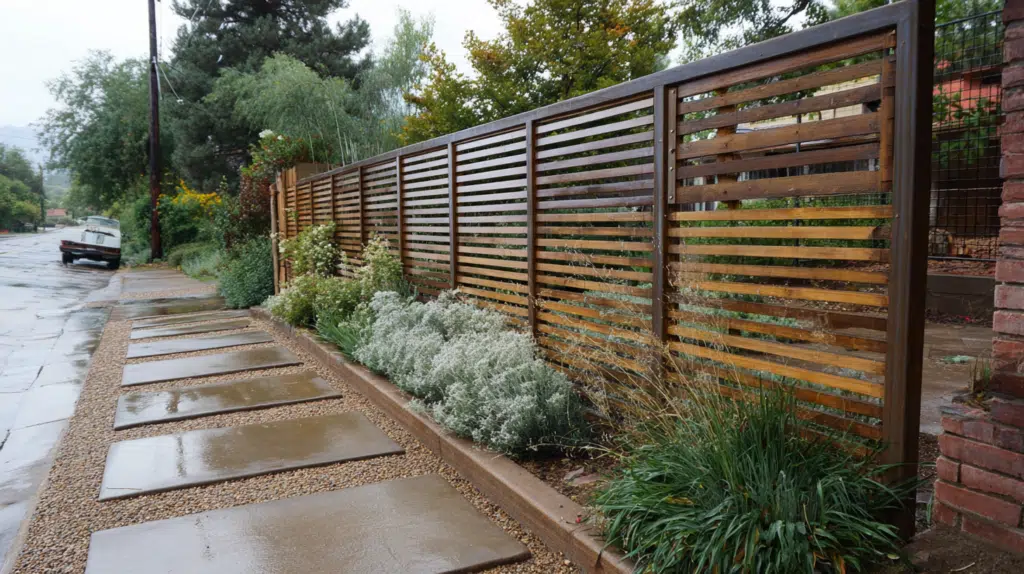
Hiring a fence is a decision that affects your home long after the job site is cleaned up. The right contractor brings clarity, structure, and reassurance. The wrong contractor can leave you with uneven fence posts, loose panels, hidden fees, or a fence that fails to meet local rules. A professional fence contractor understands that a fencing project is personal. It is about protecting what matters most and delivering quality work in a timely manner. When you choose the right fence contractor, you are not just buying fence installation, you are investing in long term value, customer satisfaction, and a fence built to last.
Start With Trust, Licensing Is Not Optional
Why Licensing Protects Property Owners
A licensed contractor is accountable to state rules and professional standards. Licensing protects property owners by ensuring the contractor meets minimum requirements for knowledge, experience, and responsibility. A quality contractor is transparent about licensing because they know trust starts there. When hiring the right fence contractor, licensing should never be a deal breaker, it should be a requirement.
Fence Contractor Licensing and Experience
Fence installation requires specific skills. Fence posts must be set correctly, post holes must be dug to the proper depth, and local building permit rules must be followed. An experienced contractor understands these details and applies them on every job. Local fence contractors with proper licensing are better equipped to handle zoning rules, frost line depth, and fence meets requirements in your area.
Verifying a Contractor Before You Commit
Before moving forward, verify the contractor’s license, business name, and status. A trustworthy contractor will gladly provide this information. This step alone can help narrow down potential contractors and protect you from unreliable contractor situations.
Insurance Is Non Negotiable
General Liability Insurance
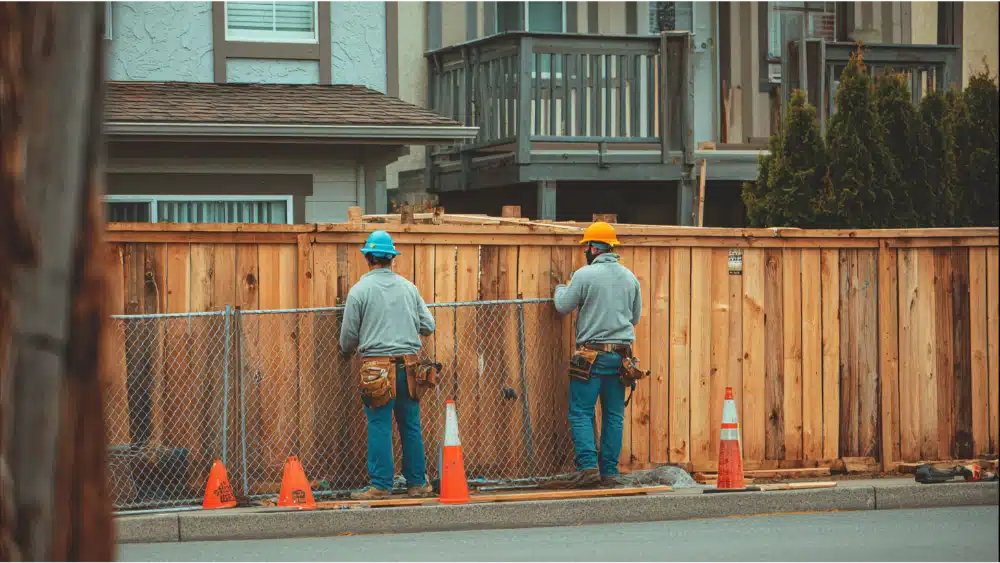
Insurance protects your home if something goes wrong during fence installation. From damaged landscaping to accidental property damage, insurance matters. A professional fence contractor carries general liability insurance and can provide proof upon request.
Workers Compensation and Job Site Safety
If a fence installer is injured on your property and the contractor lacks workers compensation coverage, the responsibility can fall on you. That risk is avoidable. Hiring a fence contractor who carries proper insurance is a key part of hiring the right fence.
Asking for Proof the Right Way
Asking for insurance does not mean you distrust the contractor. It shows you are a responsible homeowner. The best fence contractors expect this question and respond without hesitation.
The Contract Should Feel Clear and Comfortable
Why Written Agreements Matter
A written estimate and contract protect both sides. It outlines expectations, pricing, scope, and timeline. A fencing project without a clear contract often leads to confusion and frustration.
What a Fence Contract Should Include
A solid contract outlines fence materials, fencing styles, fence height, layout, gates, hardware, fence posts, cleanup, and disposal. It should also include warranty information, payment schedule, and a clear cost breakdown. Clarity at this stage helps ensure customer satisfaction later.
Red Flag Language to Watch For
Vague phrases, missing details, or verbal promises that are not written down are red flags. A quality contractor takes the time to explain the fence installation process in plain language.
Pricing Transparency and Fence Costs in 2025
Understanding Fence Installation Costs
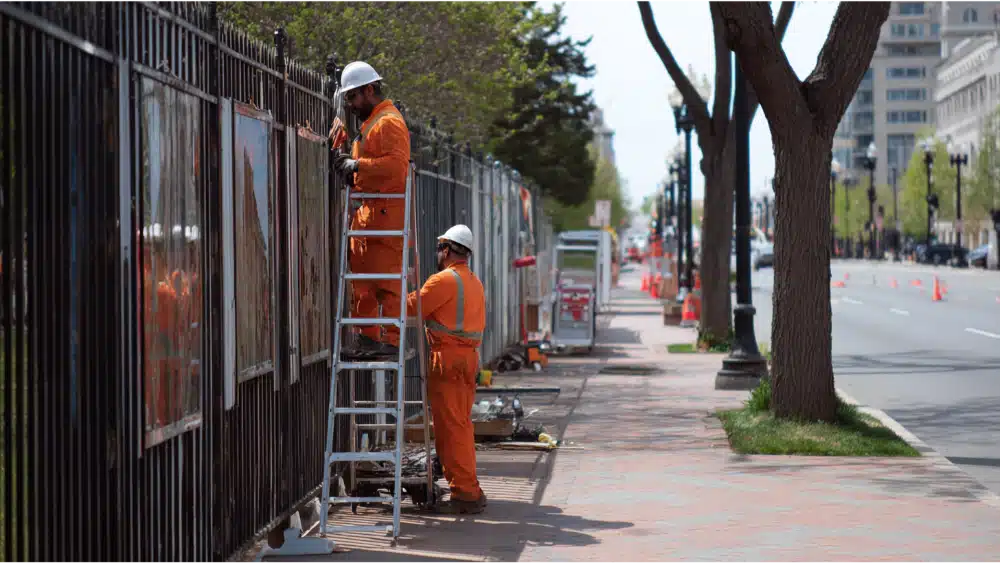
Fence costs vary based on size, terrain, material availability, and design. In 2025, fence installation pricing reflects labor, high quality materials, and proper installation standards. A fence company should explain why their pricing is what it is.
Why the Cheapest Quote Often Fails
Low bids often mean cut corners. That can lead to fence installed incorrectly, shallow post holes, or poor quality materials. Those shortcuts can cause a new fence to fail early, leading to costly repairs.
Comparing Quotes the Smart Way
When comparing fence companies, look beyond price. Compare scope, materials, timeline, and warranty. A reliable contractor focuses on value, not just cost.
Payments, Down Payments, and Protecting Yourself
Reasonable Payment Expectations
A professional fence contractor will not demand large upfront payments. Payment schedules should align with progress and completed projects.
How Professionals Handle Money
Clear invoices, documented payments, and honest communication are signs of a trustworthy contractor. Hidden fees should never appear after the fence built is complete.
Why Payment Structure Matters
Proper payment structure protects both the homeowner and the fence installer. It supports a smooth process and avoids misunderstandings.
Experience Matters More Than Promises
Fence Specific Experience
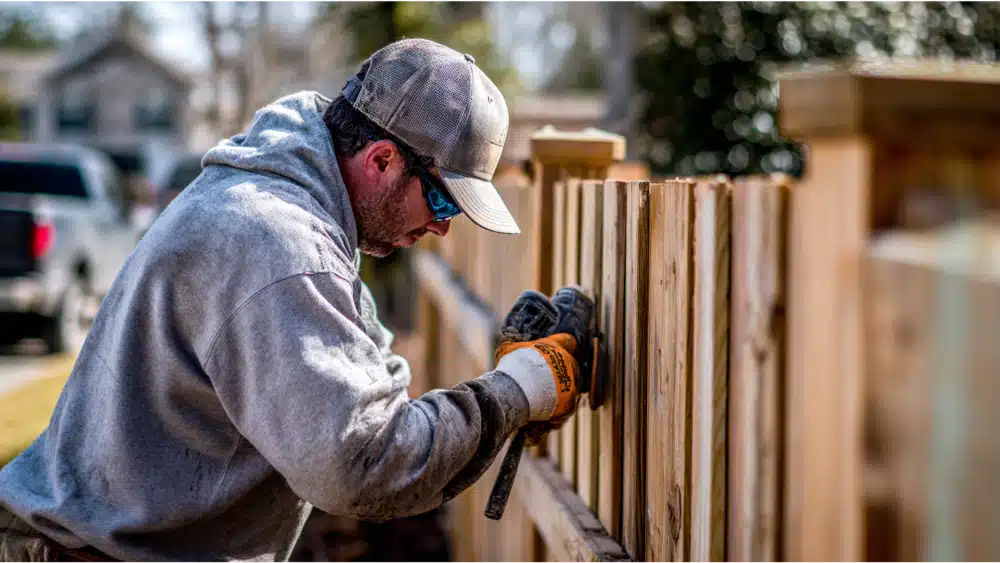
Fence installation is different from general construction. A skilled contractor understands spacing, alignment, and structural integrity. An experienced contractor has completed similar projects and knows how to adapt to different materials and layouts.
Asking the Right Questions
Ask about past projects, similar projects, and completed projects that match your needs. Photos of past work help you evaluate quality work and consistency.
Local Knowledge Makes a Significant Difference
Local fence contractors understand soil conditions, weather, and regulations. That knowledge helps ensure professional installation and long term durability.
Reviews, Reputation, and Real Proof
Where to Look for Feedback
Online reviews provide insight into how a fence company treats past clients. Look for consistent positive feedback and patterns related to communication and quality work.
Reading Reviews Wisely
One bad review does not define a contractor. Focus on trends. Look for comments about reliability, customer satisfaction, and how issues were handled.
References and Past Clients
A quality contractor will provide references and share past projects. Speaking with previous clients helps confirm expectations and results.
Permits, Property Lines, and Local Rules
Understanding Permit Requirements
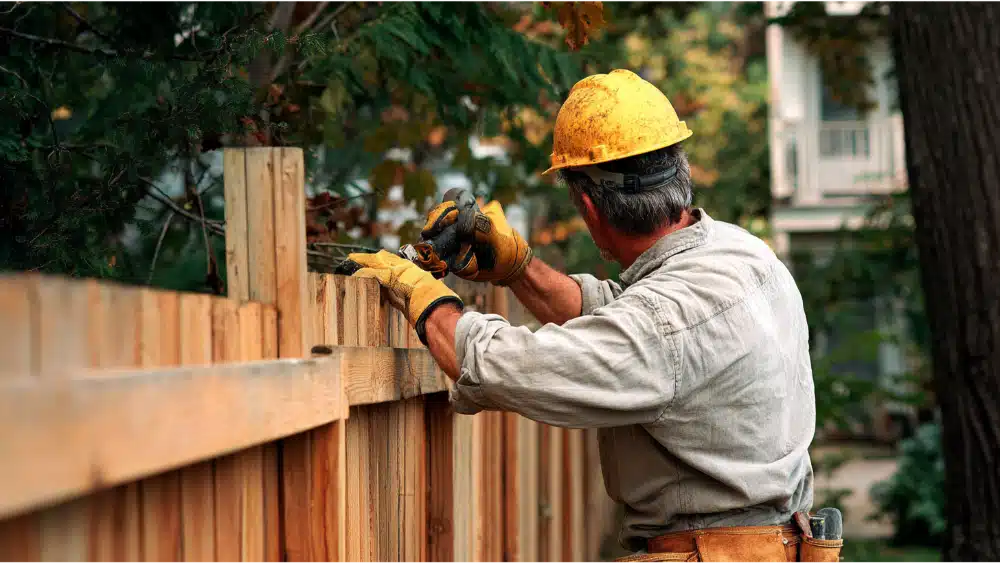
Some fence installations require a building permit depending on height and placement. A professional fence contractor helps guide you through this process.
Property Line Accuracy
Incorrect placement can lead to disputes and forced changes. Ensuring the fence meets property boundaries protects everyone involved.
Contractor Support Through Regulations
The best fence contractors help homeowners navigate permits and requirements rather than leaving them confused.
Fence Materials and Choosing the Right Fence
Understanding Fence Materials
Fence materials affect durability, appearance, and maintenance requirements. A fence company should explain fencing options clearly.
Wood Fence Considerations
A wood fence offers warmth and classic style. Proper installation and sealing are key to longevity. Wood fence projects require attention to moisture, spacing, and maintenance.
Vinyl Fence Benefits
A vinyl fence is low maintenance and consistent in appearance. It resists rot and requires minimal upkeep.
Aluminum Fence Uses
An aluminum fence provides visibility, strength, and a clean look. It is often chosen for front yards and decorative boundaries.
Matching Materials to Your Needs
Different materials suit different goals. The right fence balances aesthetic appeal, durability, and function.
Warranties, Craftsmanship, and Long Term Value
Material and Workmanship Warranties
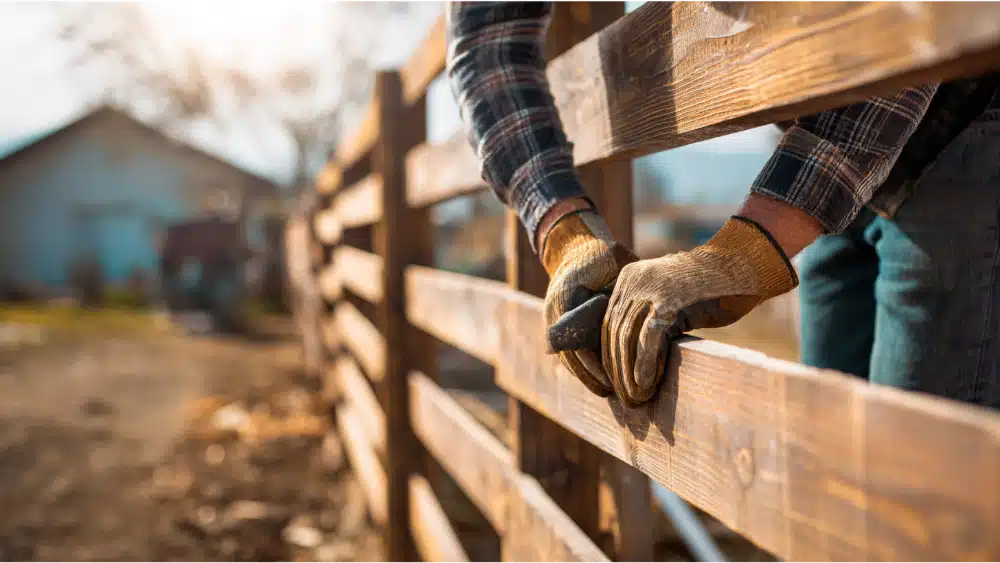
Material warranties cover manufacturing defects. Workmanship warranties cover installation quality. Both are important for peace of mind.
Pride in Craftsmanship
A quality contractor stands behind their fence built and remains available after installation. That commitment shows confidence and care.
Long Term Satisfaction
A well built fence installed correctly adds value and comfort for years.
Common Red Flags to Watch For
Lack of licensing, refusal to provide references, pressure tactics, unclear pricing, or unwillingness to explain the installation process are red flag signs. Trust your instincts when evaluating potential contractors.
A Simple Checklist Before Hiring a Fence Contractor

Verify licensing and insurance. Request a written estimate. Review the cost breakdown. Ask about fence materials and fencing products. Check online reviews. Confirm timeline and cleanup. These steps help ensure you are hiring the right fence contractor.
Why the Right Contractor Makes All the Difference
Hiring the right fence contractor turns uncertainty into confidence. It creates a smooth process, quality work, and a fence installed with care. The right contractor delivers high quality work, respects your property, and ensures customer satisfaction from start to finish.
Frequently Asked Questions (FAQs)
How do I verify if a fence contractor is licensed and insured?
You can ask the contractor directly for their license number and proof of insurance. Verify the license status through your state’s licensing board website and request a certificate of insurance to confirm they carry general liability and workers compensation coverage.
What should a detailed fence installation contract include?
A comprehensive contract should cover the scope of work, materials to be used, fence style and height, layout, timeline, payment schedule, warranty information, and cleanup responsibilities. It ensures clear expectations and protects both parties.
How can I tell if the fence materials are high quality?
Ask the contractor about the specific materials they use and request samples if possible. Contractor-grade materials are typically more durable and come with manufacturer warranties. Avoid materials that seem identical to those sold at big box stores without guarantees.
What is the typical timeline for fence installation?
The timeline varies depending on the project size and complexity but most residential fences can be installed within 1 to 3 days. Your contractor should provide an estimated schedule during the consultation.
How important is local knowledge when hiring a fence contractor?
Local contractors understand regional soil conditions, weather patterns, and building codes. This knowledge helps ensure your fence is installed correctly and complies with local regulations, reducing the risk of future issues.
Your Fence Should Bring Peace, Not Problems
A fence should enhance curb appeal, protect your space, and give you confidence in your home. By understanding what to look for when hiring a fence contractor, you put yourself in control. With the right contractor, your new fence becomes something you are proud of, something that protects your home, and something that lasts. Your home deserves the best fence, built the right way, by people who care about doing it right.