
Key Takeaway
Fencing pliers are a heavy-duty multi-purpose hand tool designed for installing and repairing wire fences, combining wire cutting, gripping, twisting, splicing, and staple driving in one tool. Most full-size models run around 10 inches and cover six core jobs, but cutting capacity varies by model and they cannot evenly tension a full run of woven or high tensile wire. For that, you need a fence stretcher or stretcher bar.
Fencing pliers are a heavy-duty multi-purpose hand tool designed for installing and repairing wire fences. Depending on the design, one tool grips, twists, splices and cuts wire, starts and drives fence staples, and pulls old staples and nails out of wooden posts. They show up most often on farm and livestock fencing, where wire work is constant and a good pair saves you the walk back to the truck.
Two things matter before you pick one up. Cutting capacity is model-specific, not universal. And pulling a little slack out of a short repair is a different job from tensioning a full run of fence. Get both of those straight and a good pair covers a surprising variety of fence work for years.
What Are Fencing Pliers Used For?
They exist so you don’t carry four tools down a fence line. The core jobs:
- Cutting fence wire within the tool’s rated capacity
- Gripping, bending and twisting wire
- Splicing or crimping a joint
- Starting and driving fence staples with the striking face
- Pulling old staples and stray nails from wooden posts
- Taking minor slack out of a short repair
Full-size models commonly run around 10 inches, though that’s a common format rather than a standard. Designs vary too. Combination, parallel-jaw and round-nose styles weight these jobs differently, so the pair in your hand may not do all six. Two similar-looking tools can carry very different heads.
What Fence Types Do Fencing Pliers Work On?
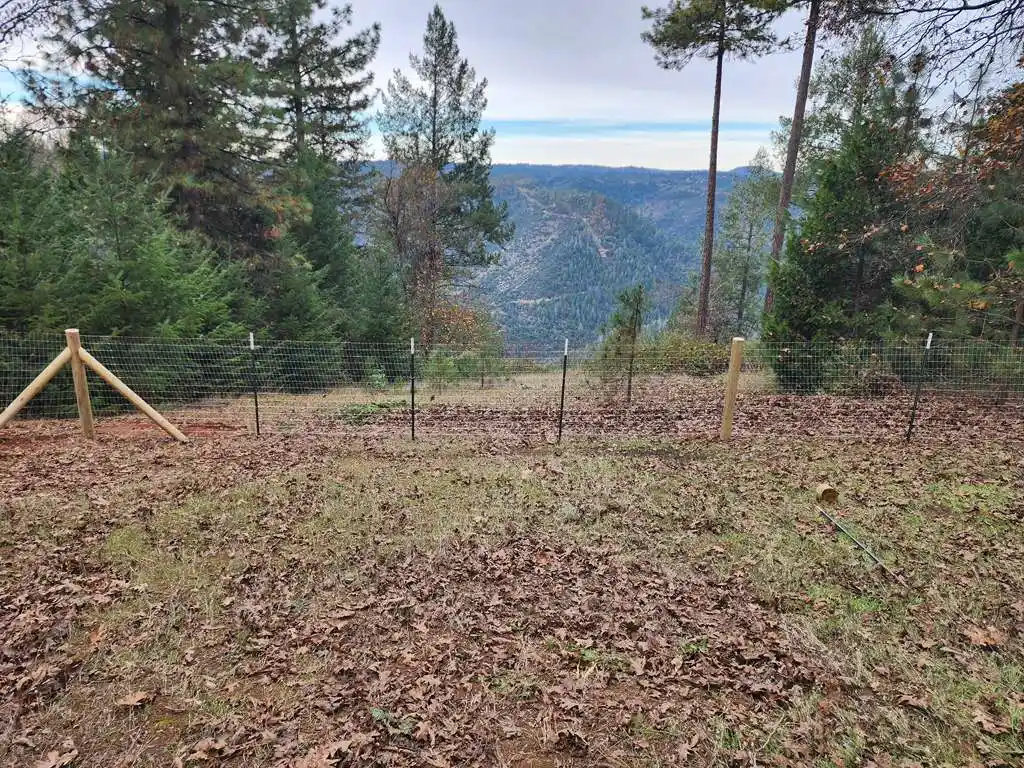
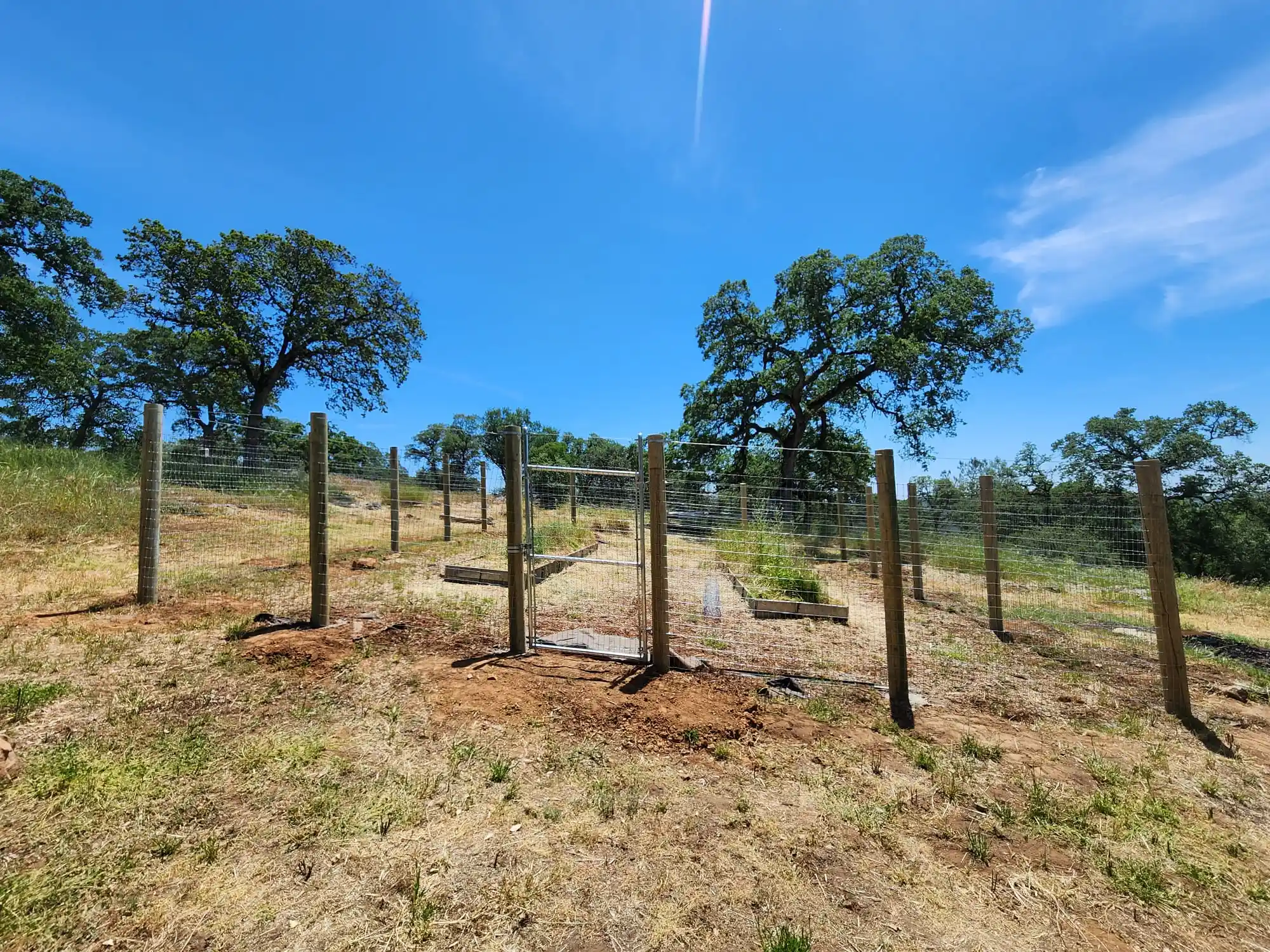
They’re built specifically for wire fencing, not for every fence. Farm and ranch properties often run a variety of wire types along the same fence line, which is exactly where one multi-purpose tool earns its keep.
| Fence type | Good use for fencing pliers | Important limit |
|---|---|---|
| Barbed wire | Cutting, splicing, stapling | Only if rated for that gauge and two-strand construction |
| Woven or field wire | Repairs, ties, staples | Won’t tension a run |
| Smooth high tensile wire | Twisting and finishing ties | Cut only if the tool is rated for hardened wire |
| Electric fence wire | Splices and repairs | Energizer off and disconnected first |
| Chicken wire, light mesh | Cutting and shaping | Easy work for most models |
| Chain-link tie wire | Gripping, bending, twisting ties | Not for stretching or cutting fabric |
| Wood, vinyl, iron, steel panel | Pulling the odd nail | Limited relevance otherwise |
On a wood, vinyl or ornamental iron fence, these pliers mostly stay in the pouch. Those repairs call for a different set of tools.
Parts of Fencing Pliers and What Each Part Does
| Part | What it does |
|---|---|
| Striking (hammer) face | Designed to be struck; drives fence staples into wooden posts |
| Staple starter or pincher | Holds a staple upright so you can set it one-handed |
| Staple claw | Hooks under a seated staple to lever it out |
| Parallel staple and nail puller | Pulls stubborn staples and nails straight up |
| Gripping jaws | Hold and twist wire |
| Wire cutters or shears | Cut to the rated capacity; some heads carry two shearing positions near the pivot |
| Splicing or crimping area | Closes sleeves and finishes joints |
| Wire-pulling jaw | Draws small amounts of slack during a repair |
| Pivot and handles | Deliver the leverage that does the work |
Six-in-one is a common product format, not a rule. Layouts vary by model, so look at your own head before assuming a feature is there. Plenty of fencers prefer a single set of jaws for a more confident grip.
How to Use Fencing Pliers on Fence Wire and Staples
Gripping, bending and twisting fence wire
Clamp the serrated jaws near the end of the wire and rotate the tool, not your wrist. Keep the wraps tight and even. Even wraps hold better over time and are far less likely to work loose.
Cutting fence wire safely
Secure the wire on both sides of the cutter first so it can’t backlash. Cut at a right angle, and never rock the tool side to side or bend the wire against the edges to finish the cut. If the wire won’t shear cleanly, the tool isn’t rated for it.
Starting and driving a fence staple
Set the staple in the starter, press it into the post, then drive it home with the striking face. Angle staples diagonally to the wood grain, and leave room for the wire to move. Wire tightens in cold weather and expands in heat, so a staple clamped hard against a line wire damages the coating. One federal specification calls for 9-gauge staples at 1½ inches minimum in softwood and 1 inch in hardwood, which is a good benchmark rather than a universal rule.
Pulling staples and nails
Work the claw under the crown, then roll the head back against the post to lever it out. Switch to the parallel puller when a staple is seated too deep for the claw. Pulling staples out of weathered redwood or cedar takes patience, and going slow saves you from splitting a post that still has good life in it.
Taking minor slack out of a short repair
Grip the wire in the pulling jaw, draw the slack, and hold it while you finish the tie or splice. That’s the ceiling. Tensioning a full line is covered next.
What Fencing Pliers Can’t Replace (Including High Tensile Wire Tensioning)
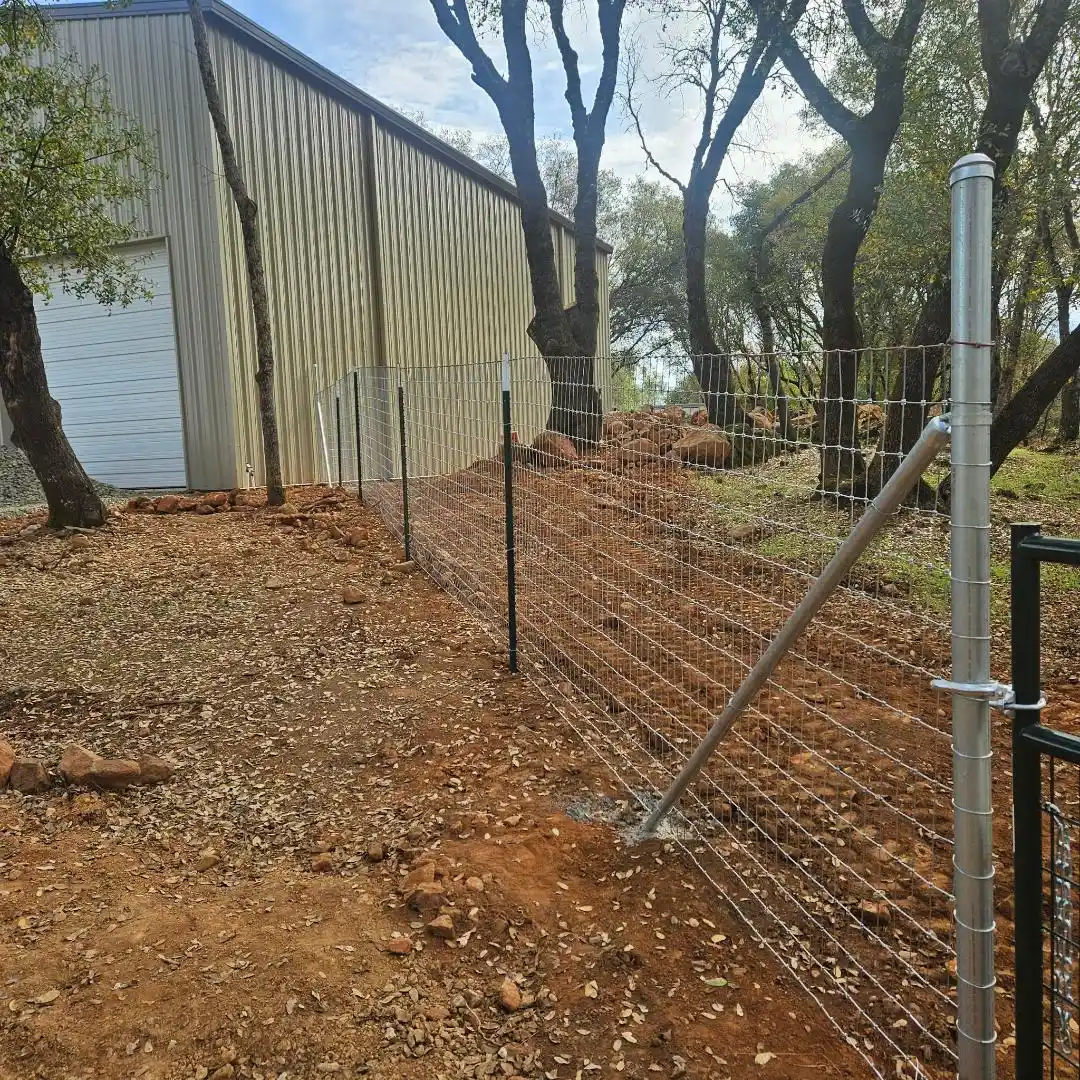
Some models advertise a wire stretcher. What that feature really does is pull slack in a short repair or hold tension while you finish a tie. It will not evenly tension a run of woven wire, high tensile wire or chain-link fabric. That needs a fence stretcher, stretcher bar or mechanical puller.
Fencing pliers also don’t replace cutters built specifically for hardened wire the tool isn’t rated for, hog-ring pliers for repetitive hog rings, insulated electrical tools, or structural post and brace repair. Capacities really do differ: one current model publishes 8 to 18 AWG for steel and 12.5 to 18 AWG for two-strand barbed or barbless wire, while another publishes 11 AWG. Check your own spec, and don’t exceed it.
Safety Rules Before You Cut Fence Wire
- Good eye protection with side shields is required where flying particles are a hazard, per OSHA 29 CFR 1926.102.
- Inspect cutters, jaws, hinge and handles before use.
- Secure tensioned wire on both sides of the cut to reduce backlash (U.S. Forest Service fencing guidance).
- Control the offcut and keep your face out of the recoil path.
- Switch off and disconnect an electric fence energizer before you cut, repair or retension.
- Comfort grips are for comfort. They are not electrical insulation.
- Stay within the manufacturer’s stated cutting capacity. A closed grip span of about 2½ to 3½ inches (6 to 9 cm) is the comfortable, pinch-resistant range.
How to Choose a Good Pair of High Leverage Fencing Pliers

Buy for the wire you actually work with. Check the published cutting capacity for that material and gauge on the manufacturer’s website, then look at hardened cutting edges, a high leverage head with real jaw grip, the quality of the staple starter and puller, handle comfort and closing span, rust resistance, and how much weight you’re willing to carry all day.
Several tool brands on the market have earned their reputations over the years. Channellock’s 85 is made in the USA and has been trusted for durability for decades, Crescent is widely respected for reliability, and Harbor Freight covers casual or occasional use at a lower price point. An Enderes staple remover is a great addition for stubborn staples, and older Dimalloy pliers still turn up on eBay and in well-stocked tool boxes. Paying a little more for a quality pair usually saves money in the long run, since a tool that holds its edge isn’t getting replaced every couple of seasons.
Cleaning and Maintaining Your Fencing Pliers
Wipe off dirt and moisture when the job’s done. Clean the gripping teeth and cutting edges, lubricate the pivot lightly, and store the tool dry. Worn teeth and dull cutters make you push harder, and that’s how hands slip and cuts go uncontrolled. In California workplaces, Cal/OSHA Title 8 Section 1699 requires tools with defects that impair their strength to be removed from service until repaired. That’s a good standard for a home tool box too, and a few minutes of care buys you years of use.
When a Fence Repair Needs More Than a Pair of Pliers

A snapped strand or a loose staple, one good tool and an hour of your time: that’s a genuine win. Here’s where it stops being a hand-tool job:
- The wire can’t be safely de-tensioned
- Multiple strands or a whole section have failed
- Corner or brace posts are moving
- Posts are leaning, rotted or loose
- Chain-link fabric where a full restretch is required
- Corrosion is widespread
- Gates no longer latch or line up
- You’re not sure whether to repair or replace
By the stage where posts are shifting or an entire section has gone, more hand-tool time won’t save the fence. Doing it properly once beats patching the same run every season.
We’ve handled fence repair, replacement, and installation across Sacramento, Placer, El Dorado, Yuba, Yolo, and Nevada counties since 2011, from a good neighbor fence in a Sacramento backyard to wire fencing on acreage. In those 14 years we’ve built this company on background-checked W-2 employees, quality workmanship, flat pricing with zero hidden fees, a written guarantee, and CSLB License #979657. If your fence has moved past what pliers can fix, get a free fence estimate. Call us or book online.
Frequently Asked Questions
What are the best pliers for fencing?
It depends on your wire gauge and how often you use them. Match the published cutting capacity to your wire, then weigh leverage, staple features and handle comfort. Channellock, Crescent and Harbor Freight are the brands most often recommended, and each serves a different level of use.
What are fencing pliers for?
Installing and repairing wire fences. One tool grips, twists, splices and cuts wire, drives fence staples, and pulls old staples and nails from wooden posts.
Can fencing pliers cut barbed wire or high tensile wire?
Only if the tool’s published capacity covers that material, construction and gauge. Barbed and high tensile wire can look similar on the roll but cut very differently, and hardened wire will damage cutters that weren’t built for it.
Can fencing pliers tighten a loose fence?
They pull minor slack during a short repair. Evenly tensioning a full run of woven wire, high tensile wire or chain-link fabric requires a fence stretcher or stretcher bar.
What other tools are commonly used in fence installation?
A post hole digger or auger, level, string line, tamping bar, fence stretcher, staple gun or hammer, wire cutters, plus gloves and eye protection.