A damaged fence can make your whole yard feel unsettled. Maybe the gate drags every time you open it. Maybe storm damage left one side crooked. Maybe you noticed a few loose boards, broken pickets, or loose or leaning posts near the back corner. When that happens, it is natural to ask, what are the most common fence repair methods, and can the problem be handled without replacing the entire fence? The honest answer depends on the root cause. Some problems are an easy fix. Others point to underlying issues that affect structural integrity. At Fantastic Fence, we believe a good fix should do more than cover the damage for now. It should help your yard feel strong, private, and dependable again.
Why Fence Repairs Matter More Than Most Homeowners Realize
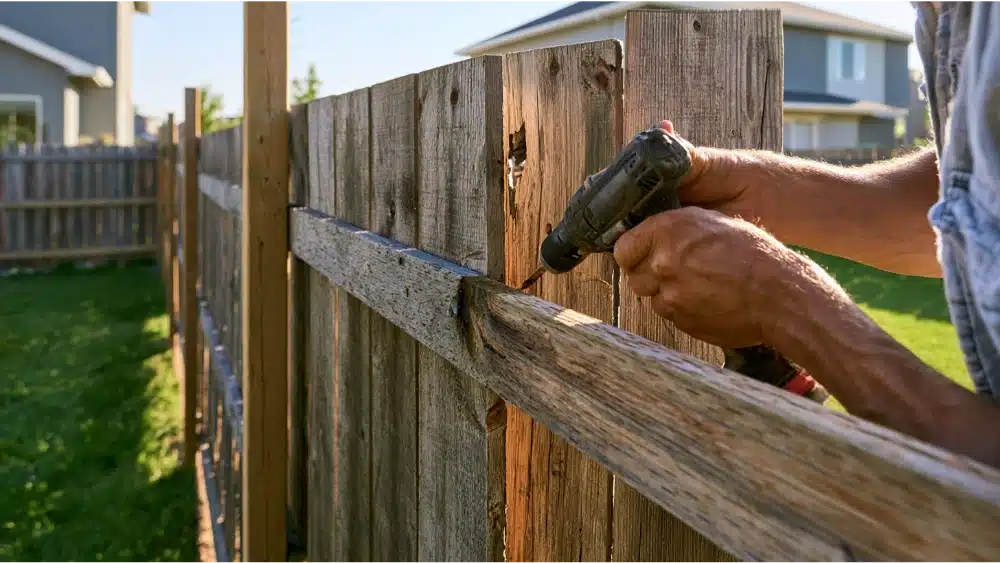
A strong fence does more than mark a property line. It gives children and pets a safer place to play. It protects quiet moments on the patio. It improves curb appeal and helps the whole home feel complete.
When common fence problems start to show, they can change how your space feels every day. Minor issues can grow quickly. Loose boards can let water reach the rails. A leaning fence can pull connected sections out of line. High winds can turn one weak spot into several damaged sections. Soil erosion near the ground can make posts shift. Poor installation can also show up years later when sections begin to move, sag, or break.
That is why fence repair matters. The goal is not just to make things look better. The goal is to protect the existing structure, restore strength, and prevent future trouble where possible. A thoughtful repair can add long term value, improve curb appeal, and help you avoid long term costs from damage that keeps spreading.
A common fence issue may look small at first, but the underlying structure tells the real story. If the foundation is healthy, targeted repairs may be enough. If the foundation is failing, or you are already dealing with a leaning fence and how to fix it, a bigger solution may be the better value.
Fence Post Repair or Replacement
Posts are the backbone of the entire fence. When posts are strong, the fence line has support. When posts are weak, even good rails and panels can start to fail. This is why a fence post is often the first thing a professional checks during a fence repair visit.
Why Fence Posts Fail
Posts can fail from moisture, age, soil movement, poor installation, or a lack of proper drainage. Wood posts are especially vulnerable near ground level, where water can collect and wood fences can start to rot. Once rot starts at the base, the post may soften, crack, or wobble.
Concrete can also fail. If the original hole was not dug to the correct depth, or if the footing has broken apart, the post may loosen over time. A hard impact, storm damage, or repeated movement from a heavy gate can also weaken the post and surrounding concrete.
Common Fence Post Repair Methods
Common fence post repair methods include straightening, resetting, reinforcing, or replacing the post. If the post is still solid, the crew may dig around the base, brace the section, realign it, and secure it with fresh concrete. If the post has wood rot, cracking, or serious movement, professional fence post replacement is usually the better fix.
A new post may be needed when the old one is too weak to hold. Pressure treated wood and pressure treated lumber can help resist moisture better than untreated materials. Treated lumber is often used because it gives the repair a stronger chance of lasting, especially when soil and water are part of the problem.
When a Fence Post Should Be Replaced
A post should usually be replaced when it is soft, split, badly leaning, or no longer holding the rails securely. Leaning posts can create pressure across multiple posts and connected sections. If the gate post is failing, the gate may keep dragging no matter how many times the latch is adjusted.
This is where quality work matters. Replacing one weak post the right way can protect the surrounding materials and help the entire fence stay straight.
Replacing Broken Boards, Pickets, or Slats
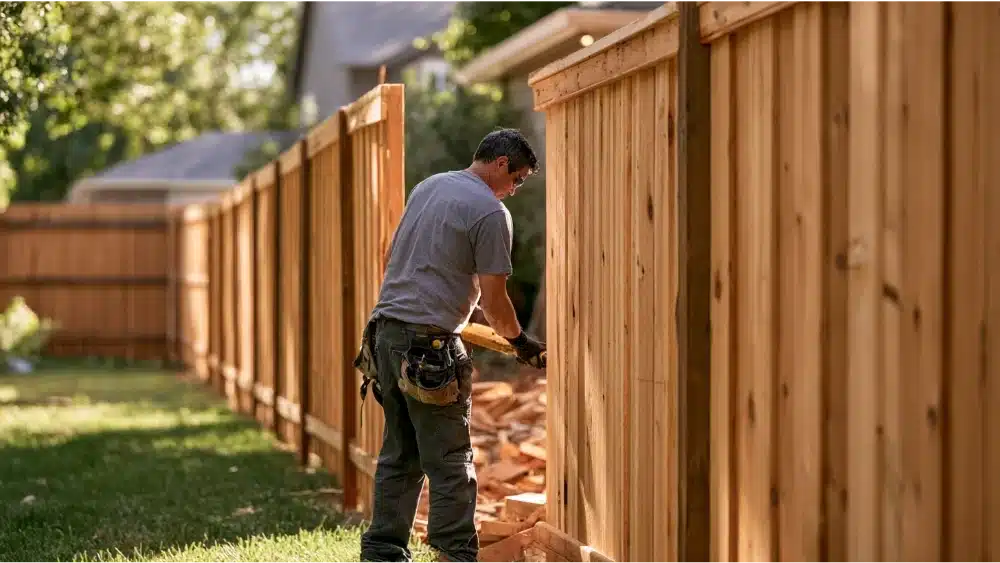
For a wood fence, replacing damaged boards, pickets, or slats is one of the most common fence repair needs. It is also one of the most visible. Missing or cracked boards can make the yard feel open, worn, or unfinished.
Signs Boards or Pickets Need Repair
Boards may need attention when they are cracked, loose, missing, or pulling away from the rails. Warped boards can create uneven lines and gaps. Wood rot may show as soft spots, dark staining, or crumbling edges. Sprinklers, shade, pets, sun exposure, and everyday age can all break down individual pieces over time.
This kind of fence damage often looks worse than it is. If the posts and rails are solid, replacing a few boards can be a cost effective way to restore privacy and appearance, especially when you work with an experienced local fence company.
How Board Replacement Works
Board replacement starts by removing the damaged pieces and checking the rails behind them. If the rails are healthy, new materials can be installed to match the size and style of the existing fence as closely as possible. In some cases, wood from a hardware store may work for a small DIY patch, but matching thickness, style, and finish can be harder than it looks.
New wood may look brighter than older boards at first. That is normal. Sun and weather will soften the color over time. Stain or sealer can also help the section blend while protecting the wood.
Why This Repair Can Make a Big Difference
Replacing broken boards can take a yard from patchy and exposed to clean and secure again. It restores privacy, helps protect pets, and gives the home a more cared-for look. For a wood fence with limited damage, this targeted repair can be the better value.
Rail or Stringer Repair
Rails are the horizontal supports that hold boards, panels, or mesh in place. They connect the posts and give the structure its shape. When rails start to fail, the whole section can sag or separate.
Signs Your Rails Are Failing
Damaged rails may show cracks, rot, sagging, or separation from the posts. Boards may pull loose because the rail behind them no longer has strength. In some cases, the front of the structure looks messy, but the real problem is hidden in the rails.
Wood rot often appears where rails meet posts because those areas can trap moisture. If the rails break, the boards lose support. If several rails break, the section may no longer have the structural integrity it needs.
How Rail Repair Works
Rail repair may include securing loose rails, replacing rotten rails, or rebuilding part of a section. The crew checks whether existing boards can be reused or whether replacing them makes more sense. With some fence materials, especially vinyl, replacing the rail is cleaner and stronger than patching it.
Rails should be repaired before the damage spreads. A loose rail can strain posts, panels, and fasteners. When repaired early, this can be an easy fix compared with rebuilding the whole section.
Why Rail Problems Should Not Be Ignored
Rail problems affect more than appearance. They support the underlying structure. When rails weaken, the section can lean, bow, or break. A careful fix helps preserve structural integrity and keeps the fence line looking straight.
Fence Panel or Section Replacement
Sometimes replacing individual boards is not enough. When damage is concentrated in one area, replacing entire panels or a full section can create a cleaner, stronger result.
When Panel Replacement Is the Better Repair
Panel replacement may make sense after storm damage, impact damage, cracking, or severe warping. It can also help when too many pieces in one section are damaged. Instead of patching several parts, replacing the section may be more stable and better looking.
Vinyl fences often need this kind of repair because the panels, rails, and posts work together as a system. When one piece cracks badly, a clean replacement may last longer than a surface patch. Wood panels, composite sections, and other materials may need the same approach when the damage is too wide for a small fix.
How Section Replacement Can Save the Rest
A damaged section does not always mean the entire fence has failed. If nearby posts are solid and the rest of the structure is straight, a section replacement can restore strength without disturbing everything else.
The key is checking why the section failed. If the break came from one clear impact, the repair may be simple. If leaning posts or rotten rails caused it, the repair needs to address those problems too.
Matching the Existing Fence
Matching an existing fence takes care. Height, color, style, spacing, and materials all matter. Older materials may have weathered, so a perfect match is not always instant. A thoughtful repair still aims for a clean, natural look that respects the home.
Gate Repair and Realignment
A gate works harder than any other moving part. It swings, latches, carries weight, and gets used again and again. That is why gate problems are a common fence concern for homeowners, and why many people turn to a dedicated gate troubleshooting guide when issues start to show.
Common Gate Problems
A gate may drag on the ground, refuse to latch, swing open, or sag at one corner. Loose hinges can cause the frame to shift. The gate post may lean. The latch may stop lining up. A fence gate that once felt simple can become frustrating fast, especially when it involves automatic gate repair issues like motors or sensors.
Common Gate Repair Methods
Gate repair may include adjusting the latch, tightening loose hinges, replacing gate hinges, adding new hardware, reinforcing the frame, or resetting the gate post. If the frame is twisted or too heavy for the support system, replacing the gate may be the right fix, particularly if an automated gate starts making strange noises while moving.
A good repair looks beyond the latch. It asks why the gate moved. Was the post set in enough concrete? Did the ground shift? Is the hardware too weak? Is the gate too heavy for the opening?
Why Gate Problems Often Point to Post Problems
A gate is only as dependable as the post that holds it. If the gate post is loose or rotten, the problem will come back. That is why a proper repair checks the post, concrete, frame, hinges, and latch together. When everything lines up, the gate feels smooth, safe, and easy to use.
Chain Link Fence Repair
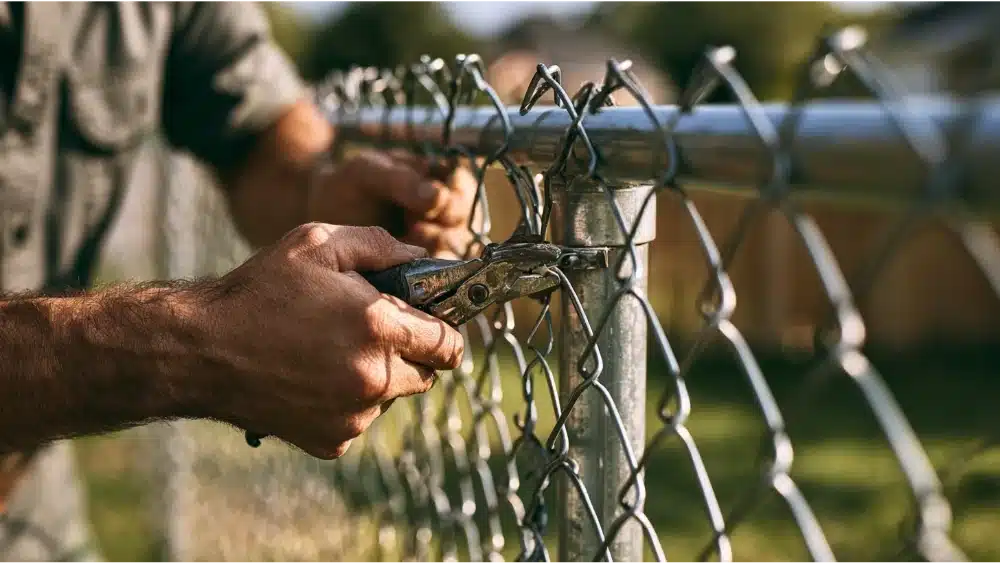
Chain link is practical, durable, and often repairable. When damage is limited to one area, chain link repairs can restore security without replacing the whole run.
Common Chain Link Problems
Common issues include loose mesh, bent top rail, broken ties, rust, leaning posts, and sagging gates. The material may look wavy instead of tight. A rail may bend from impact. Rust may form on older hardware or exposed metal.
Common Chain Link Repair Methods
Chain link repair can include replacing damaged mesh, retensioning fabric, replacing a bent rail, repairing posts, changing ties, adjusting gate hardware, and treating rust. Tension is important. If the mesh is loose, the barrier can feel weak even when the posts are standing, much like automatic gates that stop working due to tension or alignment issues.
When Chain Link Repair Makes Sense
Chain link repair makes sense when the issue is isolated. One bent rail, one loose section, or one gate problem can often be fixed directly. If rust has spread across multiple posts or the structure has lost strength across a long run, replacement may make more sense.
Vinyl Fence Repair
Vinyl fences are clean, bright, and low maintenance, but they can still break from impact, heat, shifting soil, or pressure.
Common Vinyl Problems
Vinyl fences may develop cracked panels, damaged rails, loose posts, missing caps, or alignment problems. A mower, fallen limb, or heavy object can break a panel. Heat and pressure can also cause movement when parts are under stress.
Common Vinyl Repair Methods
Vinyl repair usually means replacing the damaged part instead of covering it. That may include replacing rails, replacing panels, resetting posts, adding caps, or installing new hardware. A clean replacement often looks better and holds better than a patch.
Why Matching Parts Matters
Vinyl systems come in different profiles, colors, sizes, and connection styles. The right materials are important. If the part does not match, the section may not fit securely. With vinyl fences, compatibility is part of the repair.
Metal and Aluminum Fence Repair
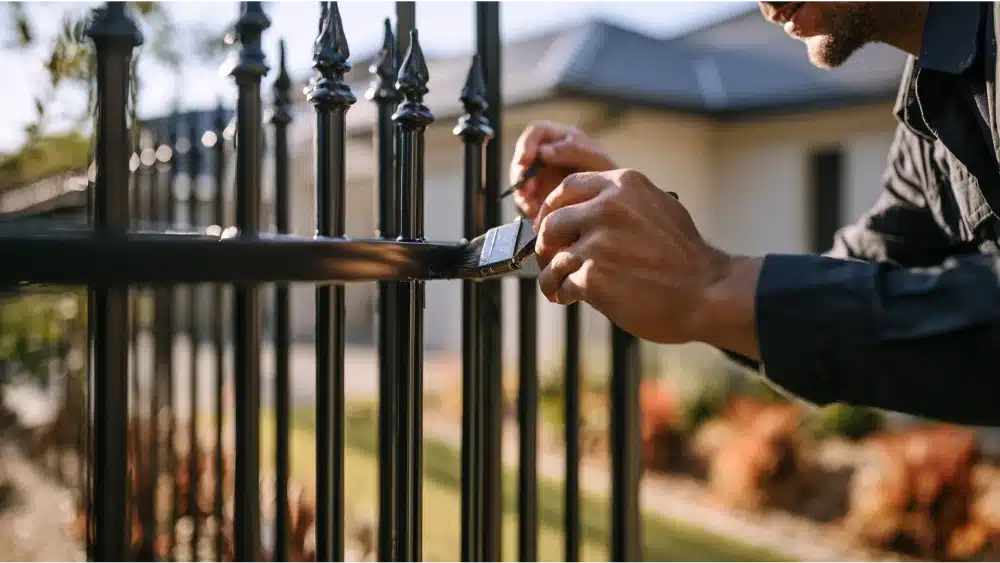
Metal and aluminum styles can add beauty, visibility, and security to a property. They are often used near front yards, pools, gardens, and walkways. Like every material, they still need care.
Common Metal Problems
Metal sections may have rust, bent pickets, loose posts, broken welds, peeling coating, or gate trouble. Aluminum resists rust better than some metals, but coatings and hardware can still wear.
Common Metal Repair Methods
Metal repair may include replacing damaged pickets, tightening connections, repairing hardware, resetting posts, treating rust, and recoating the surface. A rust inhibiting primer can help protect exposed areas before painting. Surface rust is easier to treat than deep corrosion.
When Metal Repair Is Worth It
Metal repair is often worth it when the structure is still sound. Replacing a damaged part, refreshing the finish, or resetting a post can restore both beauty and function. When corrosion affects structural integrity, replacement may be safer.
Cleaning, Staining, Sealing, and Surface Restoration
Not every tired-looking structure is failing. Sometimes it only needs cleaning and protection. Dirt, mildew, sun fading, sprinkler stains, and old finish can make good materials look older than they are.
When a Fence Looks Worse Than It Is
Wood may turn gray from sun exposure. Mildew may form in shaded areas. Vinyl may collect dust or hard water marks. Metal may show small rust spots. These surface problems can affect appearance without meaning the structure is unsafe.
Common Surface Repair Methods
Surface repair can include gentle cleaning, power washing when appropriate, sanding rough wood, staining, sealing, painting, or coating metal. The right method depends on the materials and their condition.
Why Maintenance Can Extend Life
Maintenance helps materials last. Sealed wood resists moisture better. Coated metal resists rust. Clean vinyl keeps its fresh look. A little care at the right time can prevent a bigger break later.
Fence Repair vs. Fence Replacement: How to Know Which One You Need

One of the biggest questions homeowners face is whether fence repair is enough or whether replacement is smarter. The answer depends on the condition of the entire fence, not just the most visible damage.
Repair May Be Enough When Damage Is Isolated
Repair may be enough when the problem affects one area, the posts are solid, the rails are strong, and the materials still have life left. Targeted repairs can be a smart way to protect privacy and avoid unnecessary replacement.
Good Signs for Repair
The line is mostly straight. The posts do not wobble. The rails are firm. The damage came from one clear event. The gate frame is still square. The structure still gives privacy and security.
Replacement May Be Better When Problems Are Widespread
Full replacement may be the better choice when multiple posts are failing, rot has spread, repairs keep repeating, or the barrier no longer serves the home. A new fence may be more practical when the old one has reached the end of its life.
Warning Signs Replacement May Make More Sense
Several posts are soft. Large sections are leaning. Rails are rotten in more than one place. The gate has been repaired many times. A leaning fence affects a long run. Local laws, local codes, and permit requirements may also matter when changing height, location, or certain materials, including a barbed wire fence.
The Honest Answer Depends on the Foundation
The cheapest patch is not always the best fix. A thoughtful repair should protect strength, safety, and long term value. Sometimes that means repairing one section. Sometimes it means replacement. Sometimes full replacement gives the homeowner better value and more peace of mind.
How Much Does Fence Repair Usually Cost?
Repair costs depend on material, damage, access, labor, and whether posts or concrete are involved. A simple board fix usually costs less than replacing posts, resetting a gate, or rebuilding a section.
Common Fence Repair Cost Factors
Common fence repair costs are shaped by the type of materials, the number of damaged sections, the condition of posts, the need to dig, gate hardware, terrain, and access. Structural work usually costs more because it protects the parts that hold everything up.
Material Matters
Wood, vinyl, chain link, aluminum, composite, and other fence materials all repair differently. Wood allows for board replacement. Vinyl often needs matching parts. Chain link may need tensioning. Metal may need coating or hardware work.
Post Problems Usually Raise the Cost
If a crew must dig, remove old concrete, set a new post, and pour fresh concrete, the job is more involved. It is still often worth doing because posts protect the whole structure.
When Replacement Pricing Is Worth Comparing
If repair costs keep rising, it may be wise to compare them with replacement. In California, especially around Sacramento, many privacy installations cost about $2,500 to $3,500 per side of the house, or $7,500 to $10,500 for a full backyard. Costs depend on yard size, terrain, design, access, and materials. Fantastic Fence includes old material removal and disposal at no extra charge, which helps homeowners plan with less stress.
Can You Repair a Fence Yourself?
Some repairs are simple. Others need the right tools, the right depth, and experience with structure.
DIY May Work for Small Repairs
A handy homeowner may be able to tighten a latch, replace one board, clean a stain, or pick up small parts from the hardware store. For simple work, the fix may be quick.
Call a Professional for Structural Problems
Professional help is wise when posts lean, sections sag, gates drag, vinyl cracks, mesh loses tension, or concrete must be removed, and also when an automated gate stops midway or moves erratically. These jobs need more than a surface fix.
The Risk of a Temporary Patch
A quick patch can hide the problem without solving it. If rot is inside the post, replacing a board will not last. If the gate post is moving, a new latch will not stay aligned. The right repair solves the root cause.
How Fantastic Fence Approaches Fence Repair
When we inspect a project, we look at the whole system. We check posts, rails, boards, panels, gates, hinges, latches, alignment, drainage, and overall condition.
We Look at the Whole Fence, Not Just the Broken Spot
A broken board might be simple. It might also reveal rotten rails. A sagging gate may need adjustment, or it may point to a weak gate post. Looking closely helps us recommend a repair that will hold.
We Recommend What Truly Makes Sense
If repair is the right choice, we will say so. If replacement is smarter, we will explain why in plain language and encourage you to consider what to look for when hiring a fence contractor. No pressure, no confusion, just honest guidance from a team that cares.
We Help Your Yard Feel Secure Again
The right repair can change how your yard feels. From loose and frustrating to straight and dependable. From worn and wobbly to clean and cared for. That is the kind of work we believe in.
Frequently Asked Questions About Fence Repair
What Is the Most Common Fence Repair?
The most common fence repair needs include post work, board replacement, rail repair, panel replacement, and gate realignment. The right fix depends on what caused the damage.
Can a Leaning Fence Be Repaired?
Yes, it often can. If the problem is limited, posts can sometimes be reset, reinforced, or replaced. If several areas are failing, replacement may be better.
Is It Better to Repair or Replace a Wood Fence?
A wood fence can often be repaired when damage is isolated and the posts and rails are strong. Replacement may be better when rot, leaning, or instability affects several sections.
How Do I Know If My Post Is Rotten?
Look for softness near the base, wobbling, cracking, dark staining, or movement when pushed. Rot near the ground is a common warning sign.
Can You Replace Just One Panel?
Yes, one panel can often be replaced when the surrounding posts and rails are still strong. Matching the style and materials helps create a clean result.
Why Does My Gate Keep Sagging?
A sagging gate is often caused by loose hinges, weak hardware, a twisted frame, or a leaning gate post. The repair should address the cause, not just the latch.
How Long Does a Repair Last?
It depends on the materials, the quality of the work, and the health of the surrounding structure. A strong repair can add years when the rest of the system is in good condition.
When Should I Call a Professional?
Call a professional when posts lean, gates drag, sections fall, vinyl cracks, chain link loosens, or you are unsure whether the repair will hold.
Final Thoughts: The Right Repair Can Bring Your Yard Back to Life
Damage does not always mean starting over. Sometimes the right fix can bring privacy, strength, and pride back to your home. A stronger post can steady a weak section. Replacing a panel can clean up the view. Repairing a gate can make daily life easier.
The key is knowing whether the problem is cosmetic or structural. You deserve a clear answer, honest workmanship, and a result that feels dependable. Your yard deserves to feel safe, strong, and cared for again. Let’s take a look together and find the repair that truly makes sense.