How do installers tension chain link fencing properly? They use strong posts, steady pull, proper tension wire, and the right tools to create a chain link fence that feels secure without looking strained. A well-built chain link fence should follow the fence line cleanly, hold firm at every terminal post, and stay taut without bending the wire or twisting the mesh, and it is worth comparing chain link vs. wood fences to decide which is better for your property.
Why Proper Chain Link Fence Tension Matters
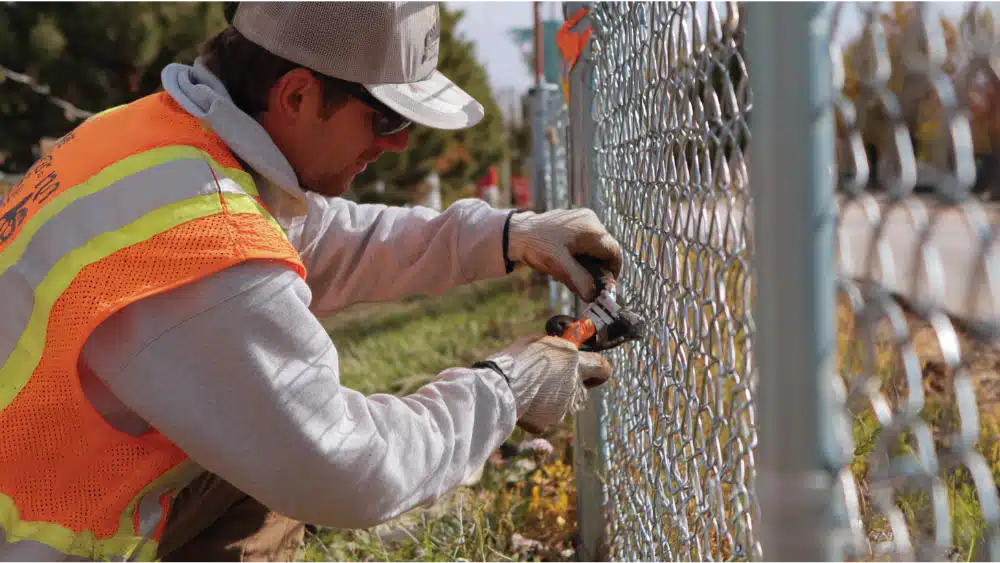
A chain link fence depends on balanced tension. If the tension is too loose, the fence can sag, rattle, and shift. If the tension is too tight, the posts can lean, the wire can bend, and the chain link mesh can lose its clean shape.
A Loose Fence Can Sag, Rattle, and Shift
Loose chain link can make a yard feel unfinished. The fabric may sag between posts, the bottom may lift off the ground, and pets may find a weak point. Tension wire helps hold the lower edge in position and reduces movement over time.
An Over-Tightened Fence Can Cause Damage
Trying to tighten chain link fence material too much can cause problems. A terminal post may lean inward. The tension bar may strain against the tension bands. The wire can twist, bend, or rust faster when the fence is over-pulled.
The Goal Is Firm, Even Tension
The goal is even tension across the full fence line. Chain link should be taut, but not rigid. It should have enough give to handle wind, daily use, and small shifts in the ground.
The First Step: Building a Strong Fence Framework
Before installing chain link fabric, the framework has to be complete. The posts, rails, loop caps, and top rail all work together. If the structure is weak, no amount of tension wire can fix the problem for long.
Terminal Posts Carry the Tension
A terminal post carries the strongest pull in the system. End posts, gate posts, and corner posts must be set solidly because the tension wire and chain link fabric attach there. A weak terminal post can cause the whole fence to sag.
Line Posts Keep the Fence Straight
A line post supports the fence between terminal posts. Each line post helps maintain the fence line and keeps the material from waving. When installing a chain link fence, spacing posts properly helps distribute tension and keeps the line clean.
Rails, Bands, and Bracing Must Be Ready First
The top rail should slide through the loop caps before the fabric is stretched. Tension bands need to be in position on each terminal post. Brace bands, rails, and bolts should be snug before the installer begins to pull.
The Tools Installers Use to Tension Chain Link Fence
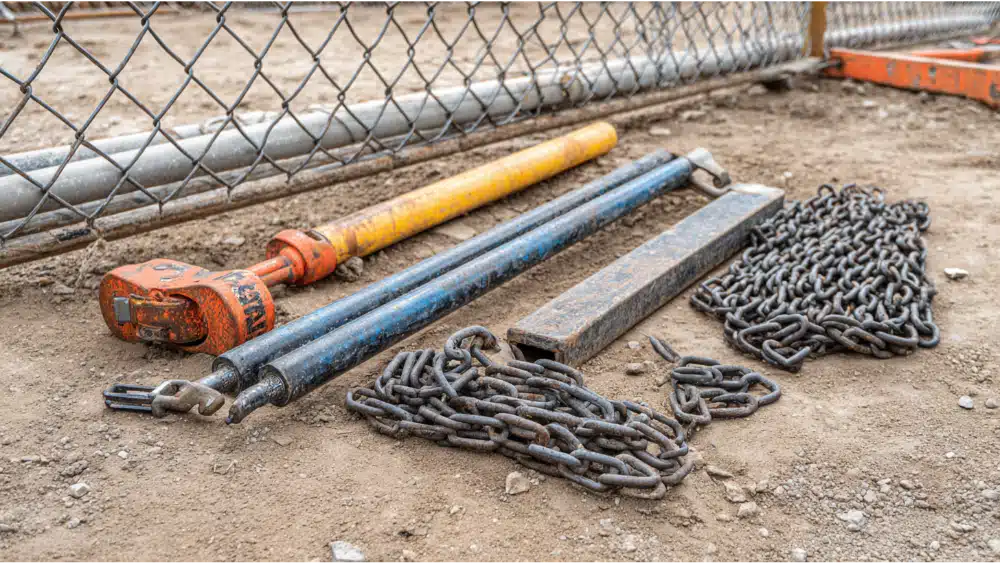
Professional installers use tools that protect the wire and create a clean finish. The right tool makes it easier to tighten chain link fence sections without damaging the material.
Tension Bars
A tension bar is woven vertically through one end of the chain link fabric. It gives the installer a strong point to attach the fence stretcher. The tension bar spreads pull from top to bottom instead of stressing one small spot.
Come-Alongs and Fence Pullers
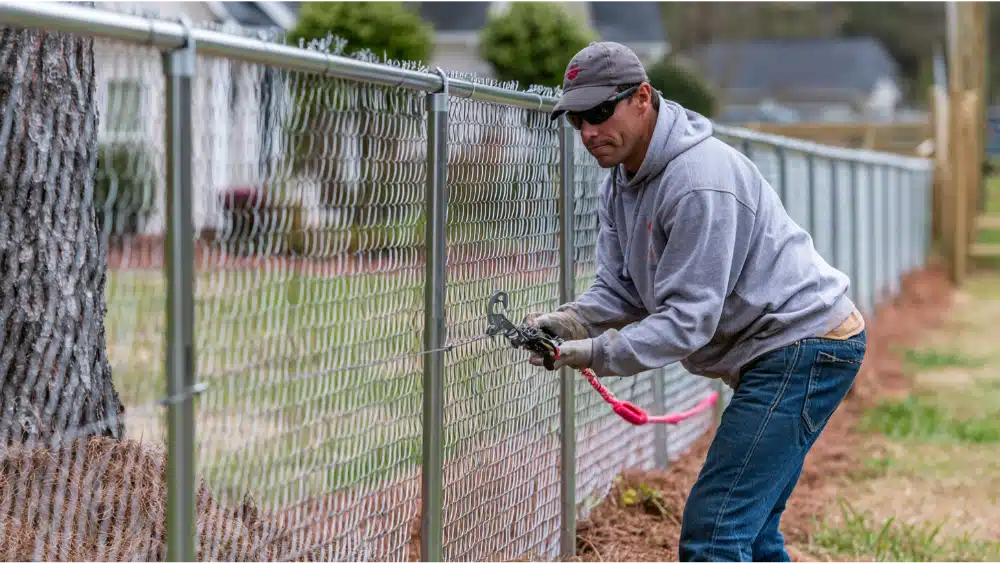
A fence stretcher or fence stretcher tool helps pull the material slowly. The installer may crank the tool a little at a time, then watch the posts, mesh, and tension wire. This steady process creates better tension than pulling by hand.
Stretch Bars and Pul-Jaks
For a longer fence line, a stretch bar helps keep the pull even. Installers may use different tools depending on the length, access, site conditions, and whether the job is residential or commercial.
Hog Rings, Wire Ties, and Pliers
Once the chain link is tight, installers use wire ties, hog rings, fence pliers, and regular pliers to secure the fabric. Wire ties connect the mesh to posts and rails. Hog rings attach the bottom of the fabric to the tension wire.
How Installers Properly Stretch the Chain Link Fabric
This step by step guide explains the basic process installers follow when installing and tensioning chain link.
Attach One End of the Fabric
The installer starts at one terminal post. A tension bar is inserted through one end of the fabric. Then the installer uses tension bands and bolts to attach the bar to the terminal post.
Roll Out the Fabric Along the Fence Line
The installer will roll the chain link along the fence line, keeping the material close to the posts. They watch for twist, excess fabric, and uneven sections. Safety glasses are helpful because wire ends can be sharp.
Insert a Temporary Tension Bar
Near the other end, the installer inserts another tension bar. This gives the fence stretcher a strong point to pull from. The temporary bar helps maintain even tension from the top rail down to the tension wire.
Connect the Pulling Tool
The fence stretcher connects to the tension bar, not directly to the mesh. Pulling straight on chain link mesh can bend the wire. Using the bar helps secure the material without tearing or distorting it.
Apply Slow, Even Tension
The installer begins to tighten the chain link slowly. They pull, pause, and watch the line. The mesh should become taut, but the terminal post should stay plumb. If the post starts to bend, the tension is too high or the post needs a fix.
Check the Mesh Diamonds
As tension increases, the installer watches the diamond shape in the mesh. The wire should look straight and consistent. If the diamonds twist or look squeezed, the material may be too tight.
Secure the Fabric to the Terminal Post
Once the tension is right, the installer will attach the fabric to the terminal post with a final tension bar and tension bands. Any excess fabric is removed. Then wire ties are added along the rails and posts.
How Installers Know the Fence Is Tight Enough
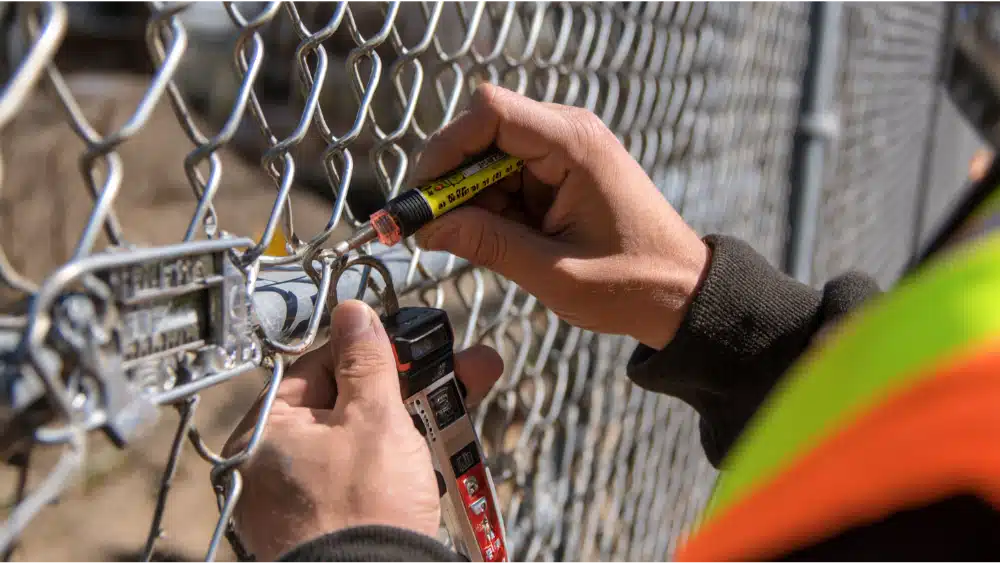
Good installers do not just guess. They watch several signs before making final adjustments.
The Fabric Should Look Straight
The chain link fence should follow the fence line cleanly. There should be no major sag, drop, or loose sections between posts.
The Mesh Should Still Have Slight Give
The fence should be tight enough to feel secure, but not so rigid that every bit of movement strains the wire. Chain link needs controlled flexibility.
The Posts Should Stay Plumb
Each terminal post and line post should stay in alignment. If the posts lean, the installer may need to reduce tension, reset a post, or fix the footing.
The Bottom Edge Should Sit Cleanly
The bottom of the fence should stay close to the ground. Tension wire helps prevent sag and keeps the fabric from pushing outward.
The Role of Bottom Tension Wire
Bottom tension wire is a key part of many chain link installations. It is usually a single strand of wire running along the bottom of the fence.
What Bottom Tension Wire Does
Tension wire helps hold the bottom edge in place. It keeps the chain link from lifting, reduces gaps, and helps the fence maintain its shape.
When Bottom Tension Wire Is Especially Helpful
Installers often install tension wire for pet areas, sloped yards, long runs, and yards where security matters. It is also useful where standing water, soft ground, or uneven soil may cause the bottom of the fence to shift.
Why It Should Not Be Over-Tightened
When installers install tension wire, they pull it taut, but not so tight that it strains the terminal posts. If the wire loses its natural shape or begins wrapping too hard around fittings, it may be over-tensioned.
How Fence Ties Help Hold the Tension
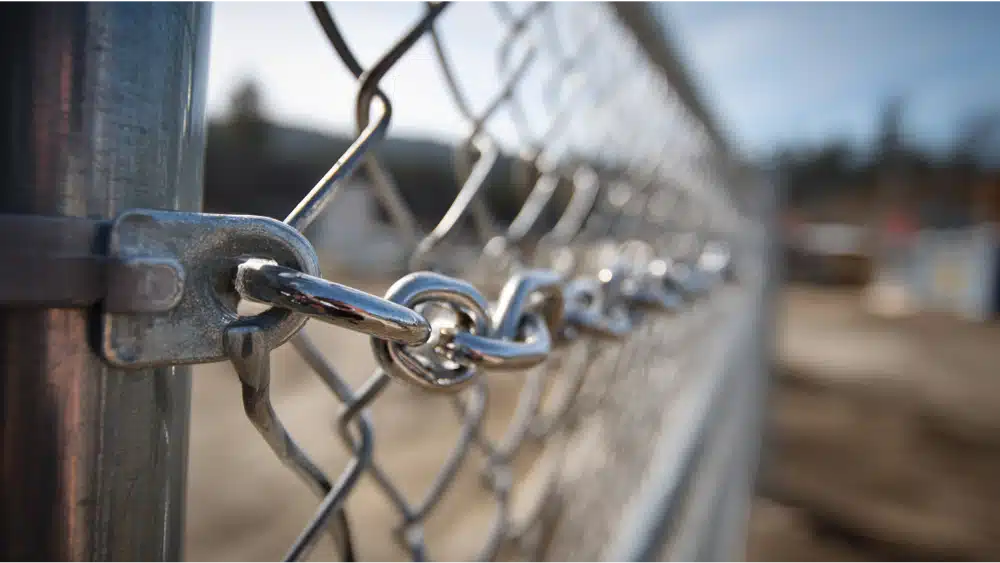
After the stretch is complete, the fence still needs to be tied off properly.
Top Rail Ties
Wire ties attach the chain link to the top rail. This helps secure the upper edge and keeps the material from flapping in wind.
Line Post Ties
Each line post needs wire ties to hold the fabric in position. This helps maintain tension along the full length.
Bottom Wire Connections
Hog rings connect the bottom of the fabric to the tension wire. This helps the wire and fabric work together.
Why Tie Spacing Matters
If ties are too far apart, the fence may loosen, rattle, or sag. Good tie spacing keeps the installation clean and helps the tension last.
Common Chain Link Fence Tensioning Mistakes
A poor tensioning process can lead to repairs sooner than expected.
Pulling the Mesh Directly
Pulling directly on the mesh can bend the wire and twist the pattern. Installers use a tension bar to fix that issue.
Stretching Too Much at Once
A long fence line may need shorter sections. Trying to stretch too many feet at once can create uneven tension.
Ignoring Weak Terminal Posts
If a terminal post is loose, the fence will not stay tight. The post must be fixed before installing or re-tensioning the chain link.
Over-Tightening the Fabric
Too much pull can damage the fence. The goal is taut and secure, not strained.
Skipping Bottom Tension Wire
Skipping tension wire may save a step, but it can lead to sag near the ground. For many yards, it is better to install tension wire from the beginning.
Can Homeowners Tension Chain Link Fence Themselves?
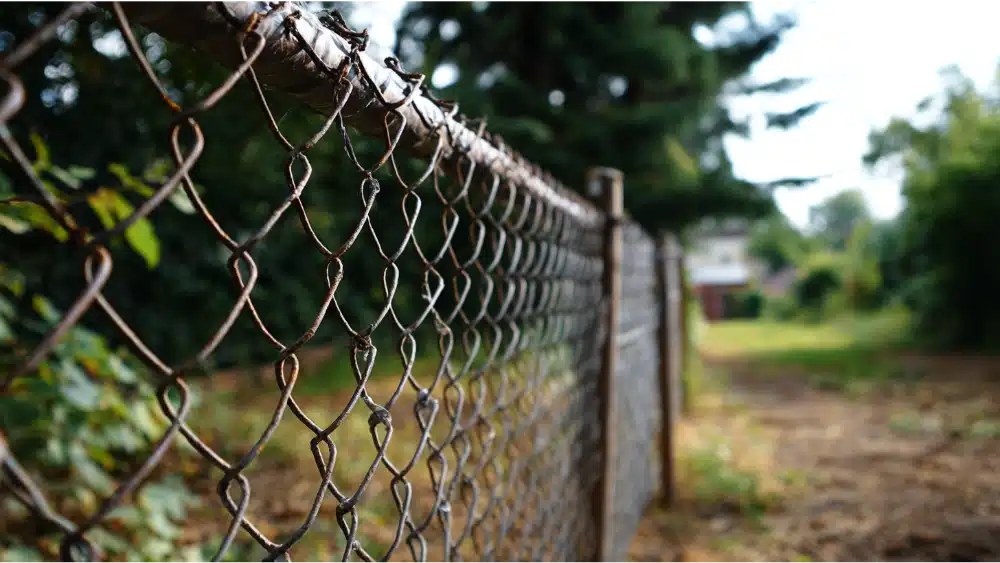
Some small fixes are possible, but full tensioning takes the right tools and experience, and many homeowners choose to work with a professional fence company for installation and repair.
Small Adjustments May Be Possible
A homeowner may replace a missing tie, add hog rings, or tighten a small section of wire. Fence pliers can help with minor repairs.
Full Fence Tensioning Is Better Left to Professionals
To tighten chain link fence properly, an installer needs to understand posts, wire, tension, alignment, and material limits. A video may help explain the process, and another video may show how to install tension wire, but watching a video is not the same as handling a full stretch on site.
When to Call a Fence Installer
Call a professional if the fence has sag, rust, leaning posts, broken wire ties, loose tension wire, or a gate that no longer lines up. A local fence installation, repair, and replacement expert can watch the whole system and fix the true cause.
What Properly Tensioned Chain Link Fencing Looks and Feels Like
A properly tensioned chain link fence looks clean and feels dependable.
Clean and Straight
The line should be smooth from one terminal point to the other. The posts should stand straight, and the rails should look level.
Secure Without Looking Strained
The chain link should be taut, but the wire should not look crushed. The tension wire should support the bottom without pulling the fence out of shape.
Built for Everyday Life
A strong fence handles kids, pets, wind, and daily use. Proper tension helps the material maintain its shape and extend the lifespan of a chain link fence year after year.
A Yard That Feels Protected Again
A loose fence can make a yard feel uncertain. A properly tightened chain link fence brings back that secure, cared-for feeling, and some homeowners choose Durabond steel fencing for even greater strength and durability.
Why Professional Installation Makes a Difference
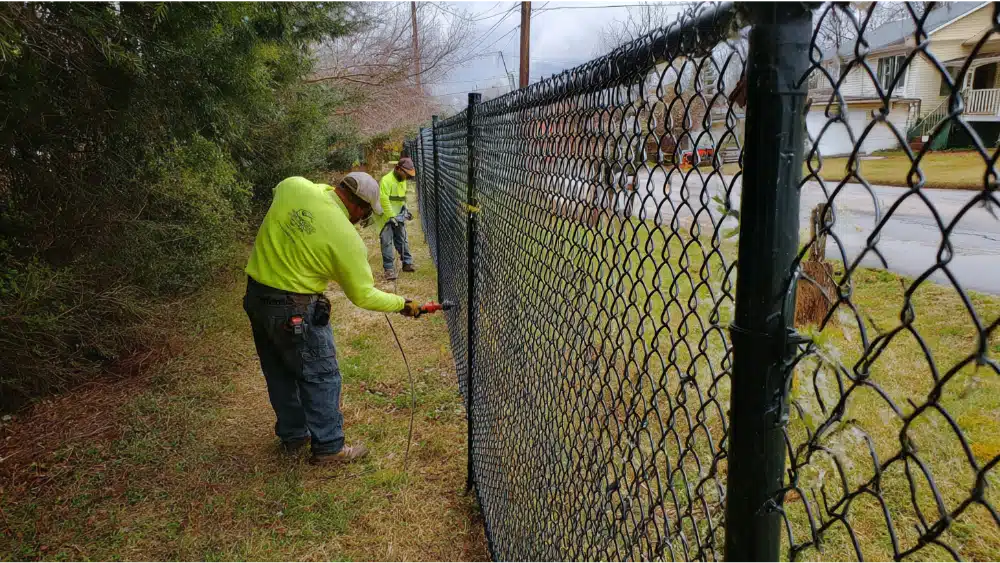
Professional installation matters because every part works together.
Experience Helps Prevent Costly Mistakes
A skilled installer knows when to pull, when to stop, and when a post needs a fix before more tension is added.
The Right Tools Create a Cleaner Finish
A fence stretcher, tension bar, fence pliers, wire ties, hog rings, and proper tension wire all help create a cleaner result.
A Better Fence Brings Peace of Mind
A well-built chain link fence protects your space, improves access control, and helps your yard feel complete. It may cost more than a quick patch, but it helps avoid repeat repairs, especially when you use flexible fence financing options for your new fence.
FAQs About Tensioning Chain Link Fencing
How tight should chain link fence be?
A chain link fence should be taut, straight, and secure, but not so tight that the mesh bends or the posts lean.
Why is my chain link fence sagging?
A fence may sag because of loose wire ties, weak posts, missing tension wire, poor installation, rust, or shifting ground.
Can chain link fence be tightened after installation?
Yes. Installers can often tighten chain link fence sections after installation by adjusting the tension wire, replacing ties, or re-stretching the fabric.
What tool is used to stretch chain link fence?
Installers often use a fence stretcher tool, tension bar, pliers, and fence stretcher equipment to stretch the fabric properly.
Does chain link fence need bottom tension wire?
Many chain link fences benefit from bottom tension wire. It helps secure the bottom edge and reduces sag.
Can you over-tighten chain link fence?
Yes. Too much tension can bend wire, twist mesh, damage posts, and shorten the life of the fence.
How do I know if my fence installer tensioned the fence correctly?
The fence should look straight, the posts should stay aligned, the wire ties should be secure, and the chain link should feel firm without looking strained.
Final Thoughts: Good Tension Creates a Fence You Can Trust
Proper chain link tension is about balance. Installers build a strong frame, attach the material correctly, install tension wire where needed, stretch the fabric with care, and make final adjustments before the job is complete.
They watch the posts, wire, mesh, rails, and ground. They remove excess material, secure each tie, and make sure the fence is tight enough to stand strong without being over-pulled.
Your yard deserves a fence that feels steady, safe, and ready for everyday life. From loose and sagging to clean and secure, Fantastic Fence is here to help you build something strong together.