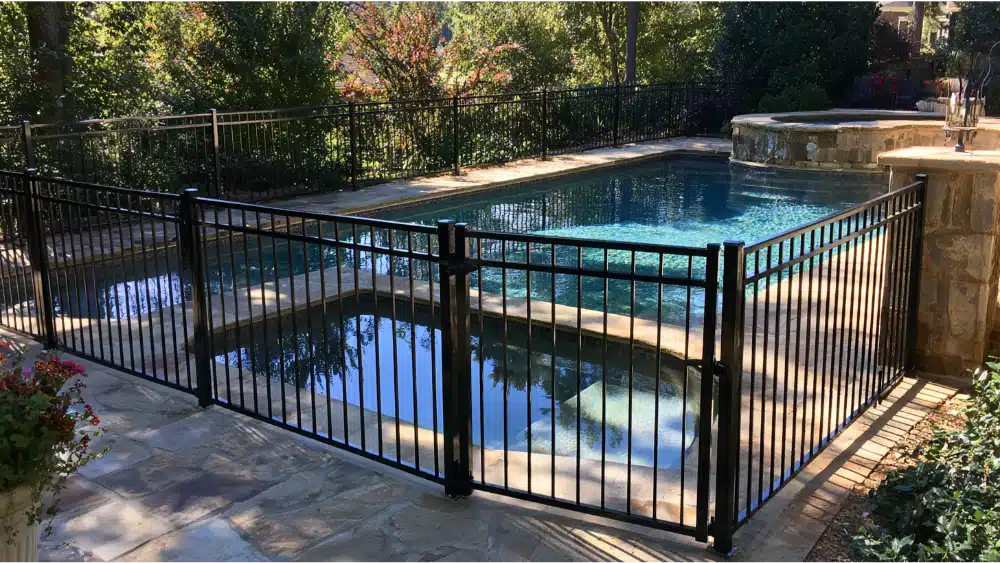
When you have a pool at home, the gate is more than just a way in and out. It is one of the most important parts of the entire pool enclosure. A beautiful pool area should feel peaceful, protected, and easy to enjoy, but that peace of mind starts with the right safety choices. Homeowners often ask, what type of gate is required for pool enclosures? The answer is usually simple: a pool enclosure needs a self-closing, self-latching gate that can open outward, swing away from the pool, and stay locked when not in use.
The gate should be installed correctly, built with durable materials, and designed to help prevent unsupervised access by small children. Local laws, state regulations, and local regulations can vary, so every homeowner should confirm the exact safety standards for their property before installing a new fence or replacing a current gate.
Why Pool Gate Requirements Matter
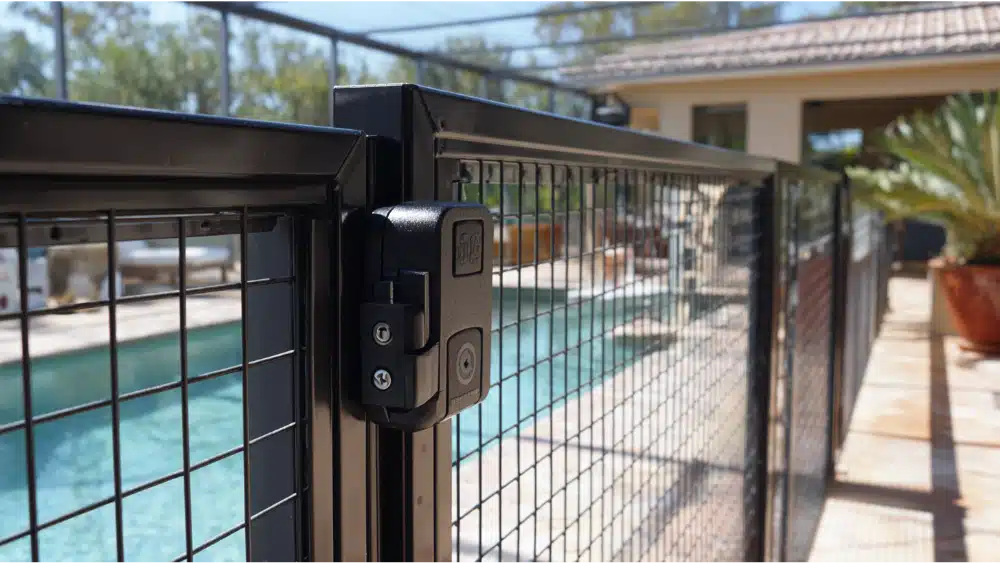
Pool gates matter because they help protect the people you love most. For families with residential pools, backyard pools, pets, guests, and children nearby, a secure gate is a key part of a safer pool yard. The right pool barrier helps reduce the risk of drowning incidents, accidental death, and unauthorized access to the pool when an adult is not present.
A pool fence and gate are not just about legal compliance; they are about creating a safe environment where your family can relax with confidence. Around swimming pools, even one weak latch or one gate left open can create a serious concern.
Safety, Code Compliance, and Everyday Confidence
A strong pool enclosure gives your property structure, security, and peace of mind. When pool gates are self-closing and self-latching, they help protect the pool side even when someone forgets to pull the gate shut.
That matters in everyday life, when kids are running through outdoor spaces, guests are visiting, or access doors leading from the home create direct access to the pool area. A well-built barrier turns worry into relief.
The Main Type of Gate Required for Pool Enclosures
The main type of gate required for a pool enclosure is usually a self-closing and self-latching gate that opens away from the pool. This type of gate is designed to close by itself, latch by itself, and limit access to the pool without needing someone to remember every step.
Pool safety solutions often include a pool fence or approved barrier, a separate barrier, approved gate latches, and sometimes an alarm system for added protection. These layers work together to protect the pool area and support a safer enclosure.
Self-Closing Pool Gates
Self-closing pool gates use special hinges or hardware enabling the gate to return to a closed position on its own. This is important because pool gates get used often.
A current gate that sticks, drags on the ground, or fails to close can create a serious safety concern. The self-closing feature should work smoothly from different open positions, not just when the gate is barely open.
Self-Latching Pool Gates
Self-latching pool gates use a latch or self-latching device that catches automatically when the gate closes. This keeps the gate locked unless someone opens it properly.
The latch should be high enough to keep young children from reaching it, and it should not be installed lower than code allows. Self-latching hardware is one of the most important details in any pool enclosure.
Outward-Swinging Pool Gates
Most pool gates are required to open outward, away from the pool area. This outward movement helps reduce accidental access because a child outside the pool barrier cannot simply push the gate inward toward the water.
Pedestrian gates used for a pool enclosure should be checked carefully to make sure they meet specific safety standards.
Child-Resistant Gate Hardware
The latch, hinges, and locking parts all need to support pool safety. A latch should be placed on the exterior side or high enough that children cannot easily reach it.
A gate should remain locked when the pool is not being used. The goal is not to make life difficult for homeowners but to make access to the pool intentional, controlled, and safer.
Basic Pool Gate Requirements Homeowners Should Know
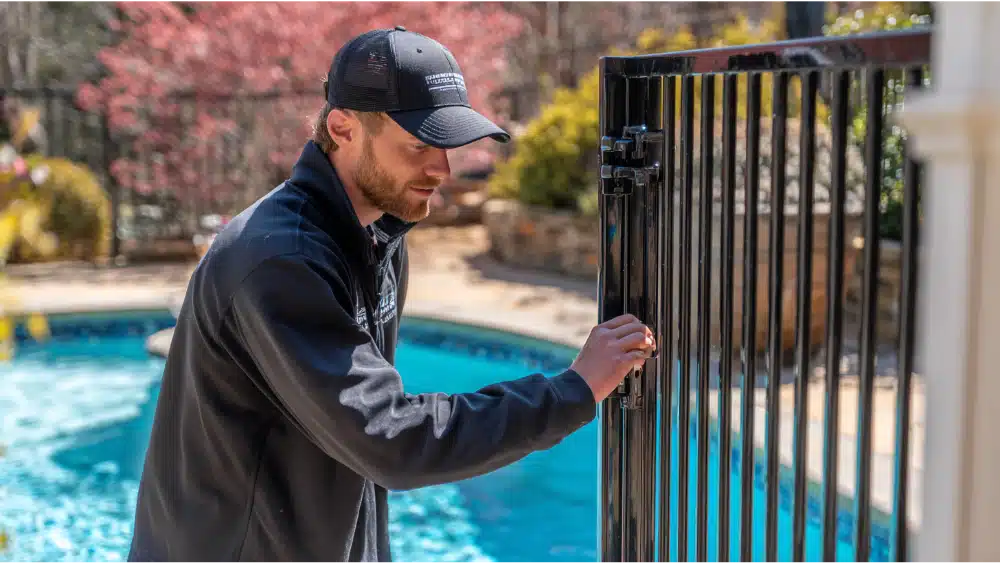
Every pool enclosure should be planned as a complete system. The pool fence, gate, latch, ground clearance, wall connections, and access points all work together. A pool barrier is only as strong as its weakest opening.
Gate Height
Many codes require a minimum height for the fence and gate, often around 48 inches or higher depending on the area. Some places require taller barriers.
The height helps keep children from climbing over the enclosure and gaining access to the pool.
Gate Gaps and Openings
Openings in a pool fence or gate should be small enough to prevent a child from slipping through. The space between vertical pickets, the gap near the ground, and the opening near the latch all matter.
Even a small weak spot can affect safety and lead to non-compliance.
Ground Clearance
The space between the bottom of the gate and the ground should be limited. A sloped yard, uneven floor surface, or shifting soil can affect how the gate works over time.
This is one reason professional installation matters for a pool enclosure.
Non-Climbable Design
A pool fence should not have easy footholds, low horizontal rails, or nearby objects that make climbing simple. Chairs, planters, toys, and storage bins near the barrier can create easy access.
A non-climbable design helps protect children and supports stronger pool safety.
Best Pool Gate Materials for Safety and Durability
The best gate material depends on the home, the pool area, and the style of the fence. The most common choices include aluminum, vinyl, mesh, glass, and wrought iron.
No matter the material, the gate must meet specific safety standards and be installed as part of a complete pool enclosure.
Aluminum Pool Gates
Aluminum pool gates are popular because they resist rust, look clean, and work well around water. They are a strong choice for homeowners who want unobstructed views of swimming pools while still keeping a clear barrier in place.
Regular cleaning can help remove dirt and prevent rust on hardware.
Vinyl Pool Gates
Vinyl pool gates work well when homeowners want privacy around the pool area. A vinyl pool fence can make a backyard feel calm and tucked away.
The key is making sure the gate stays aligned, closes smoothly, and latches every time.
Mesh Safety Pool Gates
Mesh pool gates are often used with removable pool safety solutions. They are common for families with young children because they create a separate barrier around the water without fully closing off the rest of the yard.
These pool gates still need self-closing and self-latching hardware.
Glass and Wrought Iron Pool Gates
Glass gates offer a clean, modern look, while wrought iron gates can bring a classic, strong appearance to a property. Wrought iron must be maintained to prevent rust, especially around moisture.
Any decorative gate needs to be checked for climbable features, spacing, and latch placement.
What Makes a Pool Gate Fail Inspection?
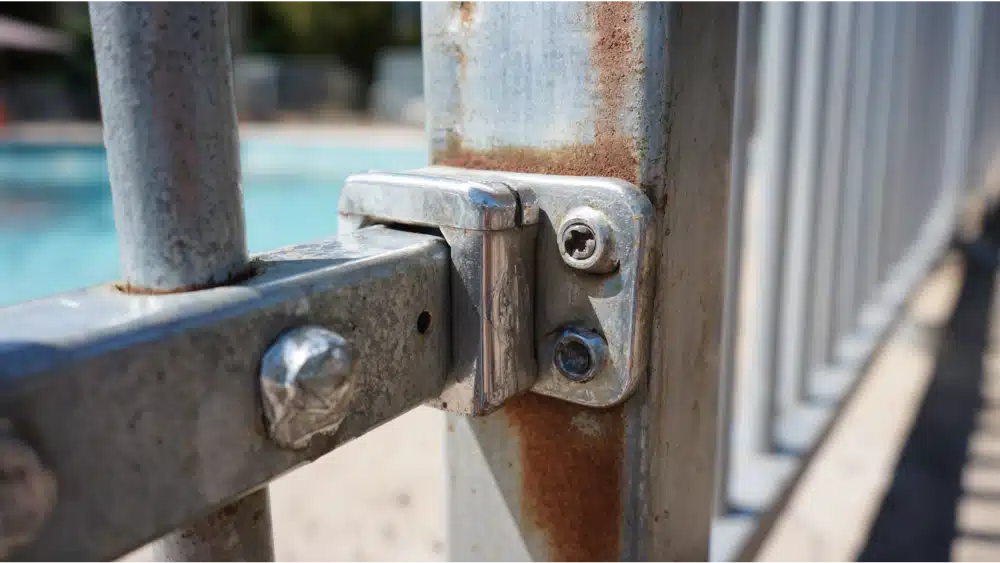
A pool gate can fail inspection for several reasons. Most failures come from simple but serious issues with closing, latching, height, spacing, or direction of swing.
The Gate Does Not Self-Close
If a gate does not self-close, the pool enclosure may not pass inspection. Hinges can wear out, posts can shift, or the gate can drag on the ground.
Proper maintenance and regular inspections help keep the gate working the way it should.
The Gate Does Not Latch Every Time
A gate that closes but does not latch is not enough. The latch should catch automatically and stay locked.
If the latch is misaligned, loose, or worn, access to the pool becomes too easy.
The Latch Is Too Low
If the latch is installed lower than allowed, children may be able to reach it. A pool enclosure should use child-resistant latch placement, especially on pedestrian gates and access doors near the pool.
The Gate Opens the Wrong Direction
A gate that opens toward the pool may not meet safety standards. Most pool gates should open outward, away from the pool side.
This is a small detail with a big safety purpose.
The Gate Has Climbable Features
Decorative patterns, low rails, nearby furniture, and rough wall connections can make a barrier easier to climb. That can lead to non-compliance, potential fines, and increased safety risks.
Pool Gate Requirements in California
California homeowners need to be especially careful with pool enclosure planning. State regulations, local laws, and city rules can all affect what type of pool fence and gate are required.
In many cases, a pool barrier must include self-closing and self-latching pool gates, proper latch height, controlled access, and additional safety features such as alarms on doors leading to the pool area.
Why Local Code Still Matters
Even when general pool safety rules are clear, local regulations can add details. Some cities may require a separate barrier or a permanent pool fence that meets local standards. Some may focus closely on access doors, wall openings, gate height, floor height near access points, or alarm system requirements.
Checking before work begins can help ensure compliance and avoid potential fines.
How to Choose the Right Gate for Your Pool Enclosure
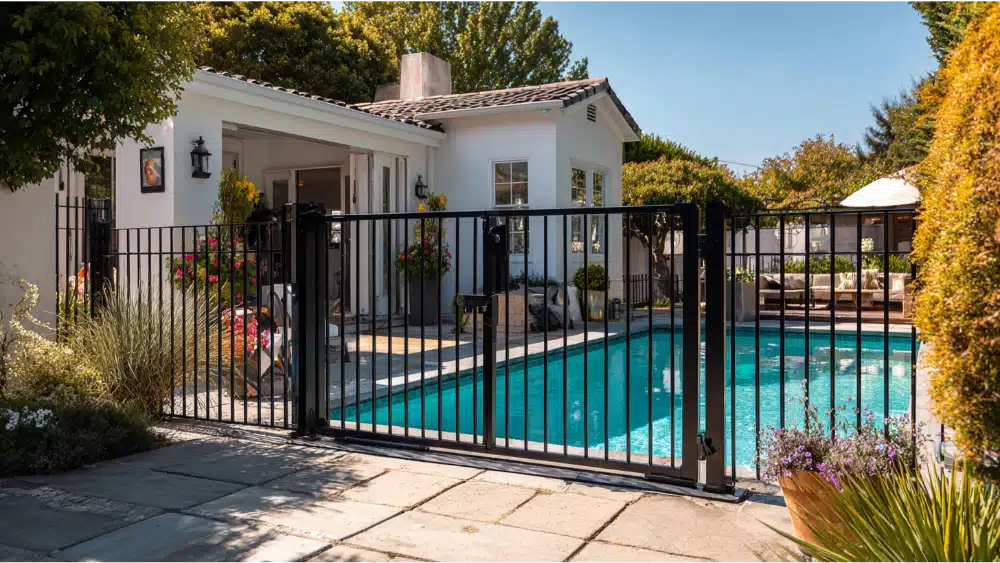
Choosing the right gate starts with safety, but it should also fit your home, your family, and the way you use your outdoor spaces.
Start With Safety
Before choosing color, style, or material, make sure the gate is self-closing, self-latching, and built for pool safety.
The safest pool gates are the ones that work every time without extra effort.
Match the Gate to Your Fence Material
A pool fence should feel like part of your home. Aluminum gates pair well with aluminum fencing. Vinyl gates pair well with privacy fencing. Wrought iron gates can match traditional fence styles. Mesh gates are best for removable pool safety solutions.
Think About Daily Use
Think about who will use the gate every day. Kids, guests, pets, grandparents, and service workers all affect how the gate should function.
The right gate allows easy access for adults while helping protect against unsafe access to the pool, including above ground pools that still require safe barriers.
Plan for Long-Term Durability
A pool enclosure needs to hold up through sun, water, wind, and daily use. Strong posts, solid hardware, careful alignment, and planning for the overall cost of a compliant pool fence help keep the gate working smoothly.
Durable materials and proper maintenance make a big difference.
Why Professional Installation Matters for Pool Gates
A pool gate is not the place to guess. Even quality hardware can fail if it is not installed correctly. A professional installer understands slope, ground clearance, latch height, spacing, and how to create a pool barrier that supports both safety and security.
For homeowners, that means fewer worries, fewer repairs, and a pool area that feels family safe.
Pool Gate Maintenance Tips for Homeowners
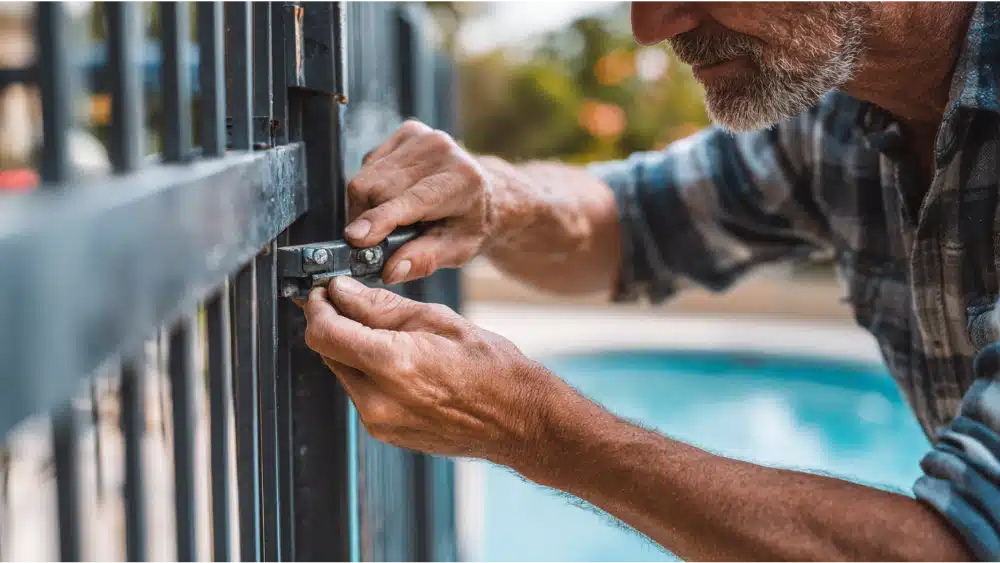
Once your pool enclosure is installed, a little care helps keep everything working well.
Test the Gate Often
Open the gate and let it close on its own. Make sure it self-closes, self-latches, and stays locked.
Keep Hinges Adjusted
If the gate starts to sag, stick, or drag on the floor or ground, have it adjusted quickly.
Check Latch Alignment
The latch should catch every time. If it misses, feels loose, or needs force, it may need repair.
Keep the Area Around the Gate Clear
Keep chairs, toys, planters, and storage away from the fence and gate. Clear space helps protect the barrier and keeps access controlled.
The Fantastic Fence Approach to Pool Gate Safety
At Fantastic Fence, we believe your pool area should feel safe, beautiful, and built with care. A pool enclosure is not just another project on your property; it is part of how your family enjoys home, whether you need help from a trusted fence company in Folsom, CA or another part of our service area.
From a new fence to a replacement gate, we focus on craftsmanship, dependable hardware, and thoughtful design that helps protect what matters most, whether you are working with our Plumas Lake, CA fencing team or exploring additional safety requirements for automatic gates on your property.
Frequently Asked Questions About Pool Enclosure Gates
What type of gate is required for a pool enclosure?
Most pool enclosures require a self-closing, self-latching gate that opens outward away from the pool and includes child-resistant hardware.
Does a pool gate have to open outward?
In most cases, yes. Pool gates are usually required to open outward, away from the pool area.
How high should a pool gate latch be?
Latch height depends on local code, but it usually needs to be high enough that small children cannot reach it.
Can a vinyl gate be used for a pool enclosure?
Yes, as long as the vinyl gate meets pool safety requirements and is installed correctly.
Are aluminum gates good for pool fences?
Yes. Aluminum is a strong, low-maintenance option for pool gates and pool fence systems.
What happens if my pool gate does not self-close?
It may fail inspection and should be repaired or adjusted right away.
Do pool gate requirements vary by city?
Yes. Local laws, local regulations, and state regulations can all affect pool enclosure requirements.
Final Thoughts: A Safer Pool Starts With the Right Gate
The right pool enclosure helps turn your backyard from uncertain to secure, from stressful to peaceful, and from open access to thoughtful protection. The gate is one of the most important parts of that transformation.
With a self-closing and self-latching design, strong hardware, proper height, and careful installation, your pool fence can help create a safer, more beautiful place to gather. Your yard deserves to feel safe, welcoming, and built to last. Let’s build something strong together.