What Homeowners Need to Know
If you are planning to add an above ground pool to your yard, it usually starts with excitement. You picture warm afternoons, kids laughing, and a space where family and friends can gather. Then reality sets in and the questions begin. Are pool fences required for above ground pools? What do local laws say? Do you really need a fence if the pool sits off the ground? These are important questions, and every responsible homeowner should ask them before filling the pool with water. Pool safety is not about fear or rules for the sake of rules. It is about protecting children, pets, and peace of mind while enjoying your swimming pool at home.
The Short Answer: Are Pool Fences Required for Above Ground Pools?
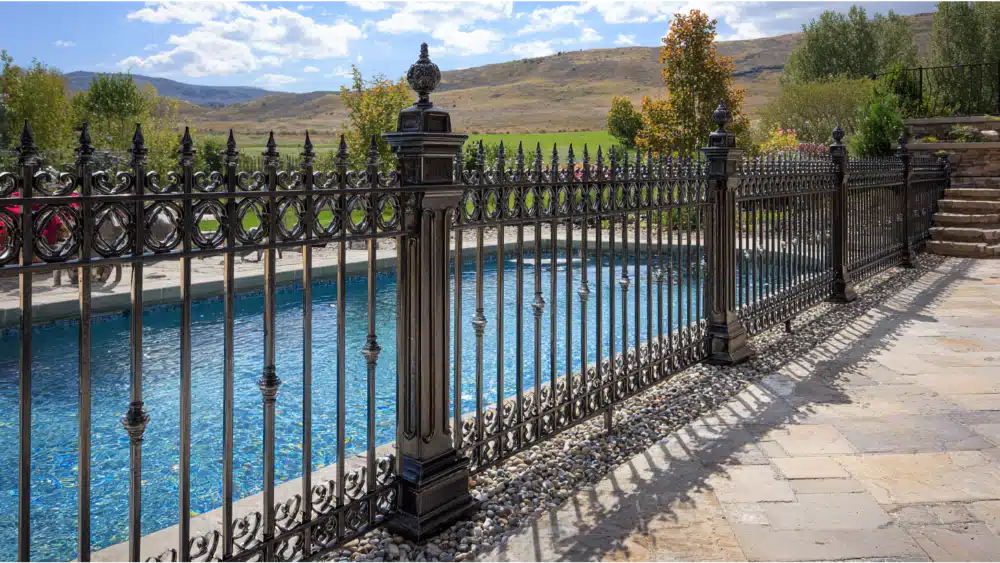
In many areas, the answer is yes. Pool fences are often required for an above ground pool once it reaches a certain depth. Most local regulations focus on safety rather than pool style. If a swimming pool can be accessed easily by children or pets, it is usually regulated. Many codes treat an above ground pool the same as a ground pool when it comes to fencing requirements. The exact rules depend on where you live, but assuming you do not need a fence can lead to violations, fines, and serious safety risks.
Why Pool Fence Laws Exist, Even for Above Ground Pools
Protecting Small Children and Families
The primary reason pool fences exist is to prevent accidental drownings. Small children are curious and fast, and it only takes seconds for an accident to happen. Proper fencing creates a physical barrier that stops unsupervised access to the pool. According to safety standards referenced by the Consumer Product Safety Commission, barriers are one of the most effective ways to prevent accidents around water.
Liability and Responsibility for Pool Owners
Pool owners are responsible for what happens in their yard. A swimming pool is considered an attractive feature that can draw children or pets from nearby homes. Without proper fencing, homeowners can face serious legal and financial consequences if someone is injured. Installing a fence is one of the clearest ways to show you took reasonable steps to ensure safety.
Insurance Company Expectations
Many insurance company policies require fencing around a pool, regardless of whether it is above ground or in ground. If your pool does not meet fencing requirements, coverage can be denied or canceled. That means one accident could turn into a life changing financial burden.
National Safety Guidelines That Apply to Above Ground Pools
International Swimming Pool and Spa Code
The International Swimming Pool and Spa Code sets minimum safety standards that many state and local governments adopt. These regulations typically require barriers at least four feet in height, measured from the ground on the outside of the fence. Gates must be self closing and self latching, with latches positioned high enough to keep them out of reach of children.
Consumer Product Safety Commission Guidance
The Consumer Product Safety Commission recommends isolating the pool from the rest of the yard with proper fencing. While these are guidelines, many local government offices turn them into enforceable rules. The goal is simple, reduce accidents and improve safety around residential swimming pool areas.
State and Local Pool Fence Laws: What Really Matters

National rules are helpful, but state and local laws are what truly apply to your property.
California Pool Fence Requirements in 2025
In California, pool fencing requirements are strict. Most pools, including above ground pools that meet depth thresholds, require fencing that fully encloses the pool area. Fence height is often five feet, and gates must be self closing and self latching. Local regulations are enforced during inspections, and failure to comply can delay pool use.
Other State Level Examples
At the state level, many regions follow similar patterns. Florida, Texas, and several Midwest states require fencing for pools deeper than a certain number of inches, typically 24 inches. Some states allow limited alternatives, but most still require fencing if the pool is located in a yard where children or pets could access it.
Does Pool Depth Matter for Above Ground Pool Fence Laws?
Common Depth Thresholds
Depth is one of the biggest factors in determining whether fencing is required. Many regulations set the threshold between 18 and 24 inches of water. Shallow splash pools may be exempt, but once a pool holds enough water to pose a risk, fencing requirements usually apply.
Permanent Versus Seasonal Pools
Some homeowners assume a seasonal above ground pool does not count. In reality, if the pool stays assembled and filled for weeks or months, most local government agencies consider it permanent for safety purposes. That means fencing is required even if the pool can be taken down later.
Can the Pool Wall Count as the Fence?
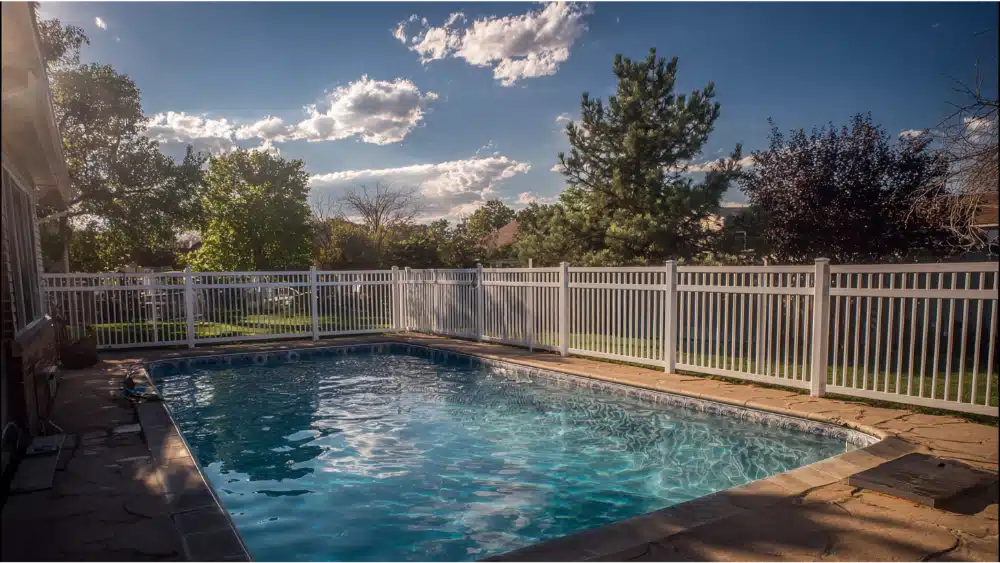
When Pool Walls Qualify
In some cases, the wall of an above ground pool can qualify as a barrier. The wall must meet minimum height requirements, often at least four feet, and must not have features that allow climbing. This includes smooth surfaces with no handholds.
Ladder and Access Rules
Even if the wall qualifies, access points matter. A ladder or stairs must be removable, lockable, or enclosed. Many inspections fail because the ladder does not meet safety standards. Deck access can also trigger the need for additional fencing.
Are There Alternatives to Installing a Fence?
Safety Covers
Some local laws allow safety covers as part of a layered safety approach. However, covers alone rarely replace the need for fencing, especially for an above ground pool.
Alarms
Pool alarms and door alarms can add protection, but most regulations do not accept alarms as a substitute for fencing. They are best used as a secondary safety feature.
Why Physical Barriers Are Preferred
Physical barriers work at all times. Fences, gates, and proper fencing systems create a clear boundary that helps prevent accidents before they happen.
What Happens If You Do Not Install Required Pool Fencing?
Failing to install required fencing can lead to fines, failed inspections, and forced removal of the pool. More importantly, it increases the risk of accidental drownings and injuries. Without proper fencing, homeowners also risk losing insurance coverage and facing lawsuits after accidents.
Choosing the Right Pool Fence for an Above Ground Pool
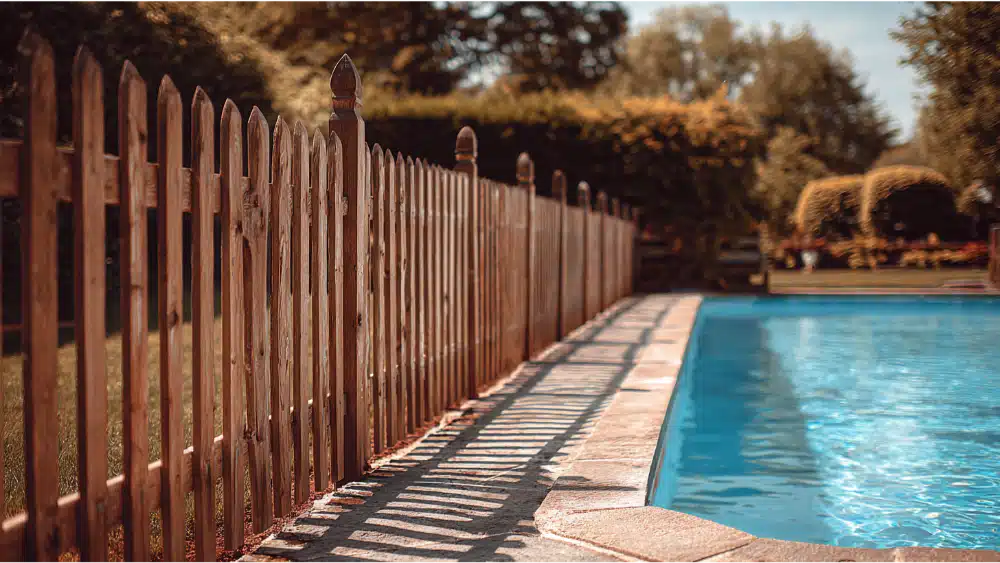
Best Materials for Pool Fencing
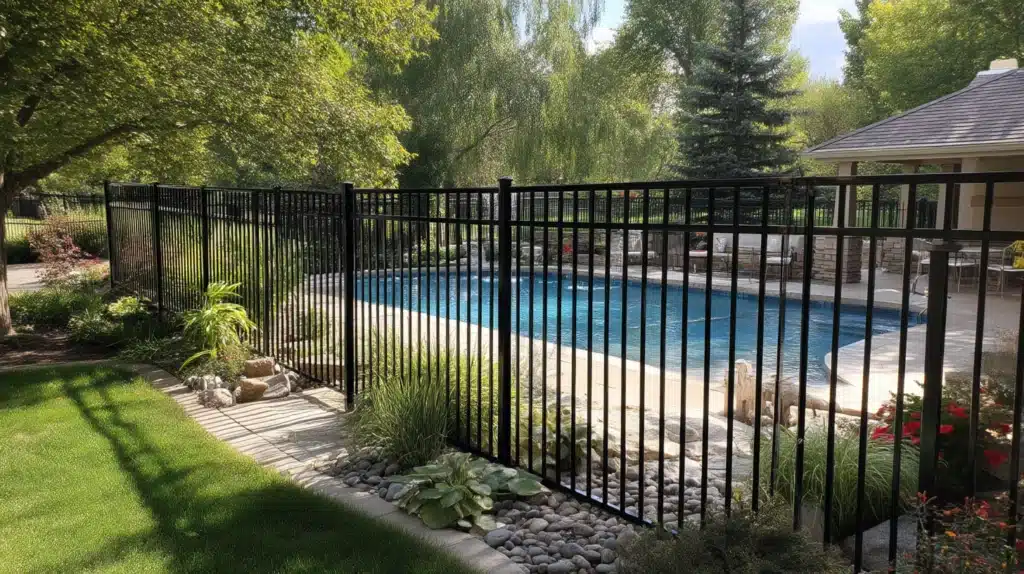
Vinyl, aluminum, and composite materials are popular for pool fences. These materials meet safety standards, resist weather, and reduce maintenance. The right materials also improve the look of your yard while keeping safety front and center.
Fence Height, Spacing, and Gate Requirements
Most fencing requirements specify minimum height, often four or five feet. Spacing between pickets must be small enough to prevent children from squeezing through. Gates must be self closing, self latching, and swing outward. Gate latches must be secure, with latches positioned high to keep them out of reach.
How Much Does a Pool Fence Cost in 2025?
For many homeowners, cost matters. In California, installing a pool fence often costs between $2,500 and $3,500 per side of the yard, depending on materials and layout. Nationally, costs range from $1,800 to $8,000. While it is an investment, proper fencing protects your family, your property, and your peace of mind.
Do You Need a Permit for a Pool Fence?
In most locations, yes. Permits ensure the fence meets all requirements for height, spacing, gates, and safety. Skipping permits can cause problems when selling your home or during inspections. It is always wise to check with your local government before you install a fence.
How Fantastic Fence Helps Homeowners Get It Right
At Fantastic Fence, we help homeowners navigate complex regulations with clarity and care. We understand local laws, state requirements, and inspection standards. We help ensure your pool fencing meets every requirement, from minimum height to proper latches and self closing gates. We take pride in building fences that protect children, pets, and families while enhancing the yard you live in.
Frequently Asked Questions
Do inflatable above ground pools require fencing?
If the depth exceeds local thresholds and the pool remains set up, many regulations require fencing.
Can I use a removable fence?
Some local regulations allow removable barriers if they meet all safety standards.
Do HOA rules apply?
Yes, HOAs can enforce additional rules beyond state and local laws.
What if my pool is located near a neighbor’s yard?
The pool must still be fully enclosed with proper barriers.
How soon must fencing be installed?
Typically, fencing must be in place before the pool is filled or used.
Safety, Compliance, and Peace of Mind
An above ground pool should bring joy, not stress. Understanding fencing requirements helps ensure safety, prevent accidents, and protect everyone who steps into your yard. Local regulations exist to prevent accidental drownings and keep families safe. If you live with children, pets, or frequent visitors, proper fencing is not just required, it is responsible. If you are unsure what your pool needs, take time to learn, check your local laws, and contact professionals who can help ensure everything is done right. Your yard deserves safety, beauty, and confidence. Let’s build something strong together.