
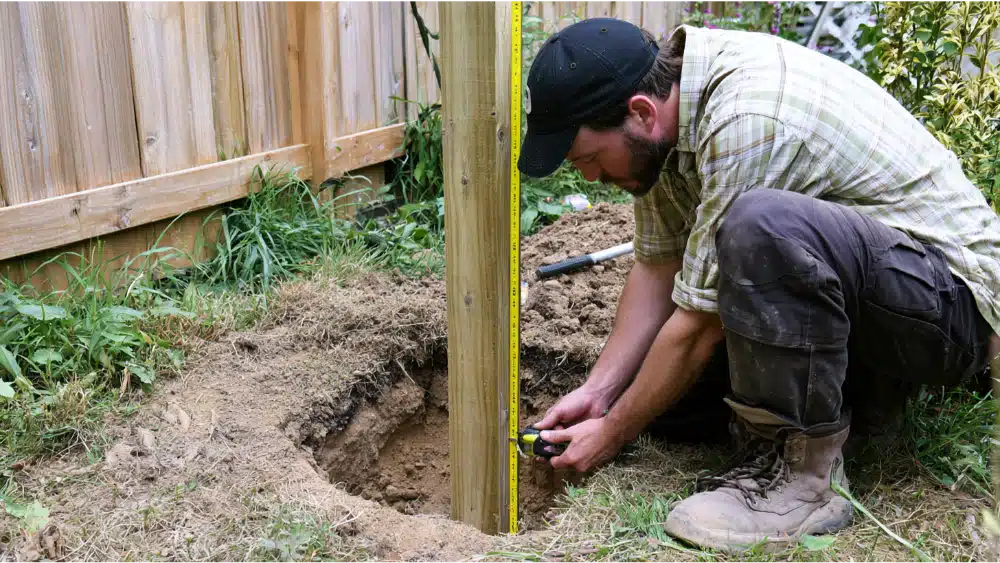
When a fence starts leaning, rocking, or pulling away from the line, the problem often begins below the ground. Homeowners usually notice the visible signs first, a sagging gate, loose rails, or fence panels that no longer sit straight. But the real question is often simple, what depth is required for fence post replacement?
The Short Answer
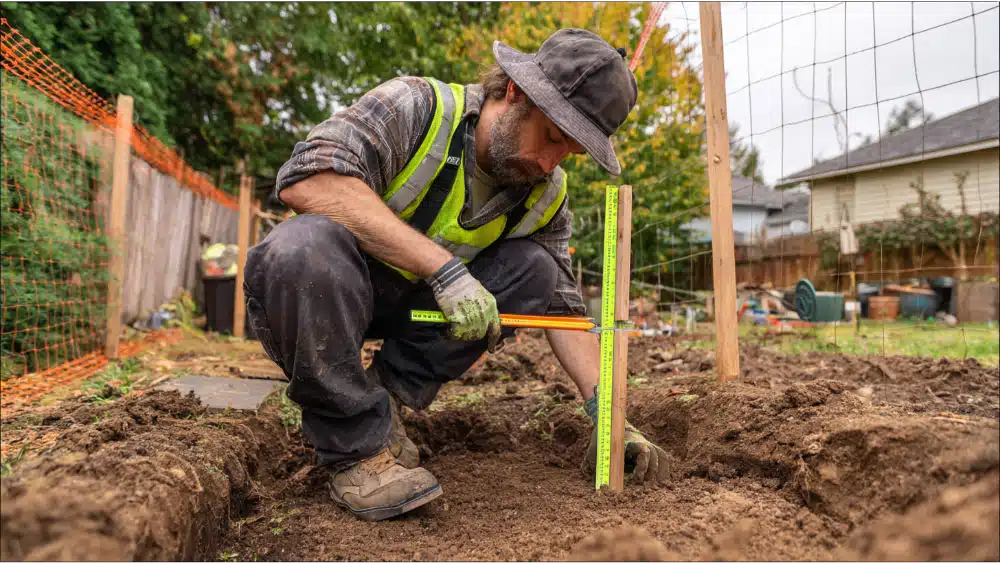
For most 6-foot privacy fence projects, a replacement post should be set about 24 to 36 inches deep. In many yards, 2 feet may be typically sufficient for a shorter or lighter fence, but a taller fence, heavier fence material, or a gate post often needs extra depth. For long-term strength, 36 inches is often the better choice.
Why Fence Post Depth Matters
Fence post depth matters because the post is the backbone of the fence. If shallow posts are used, the whole fence can shift, lean, or loosen over time. A proper depth helps the fence stand tall through daily use, wet weather, dry seasons, and strong winds.
A strong post gives your outdoor space more than structure. It gives your family privacy, comfort, and peace of mind. When the post depth is right, your property stays secure, your yard feels cared for, and your fence has a better chance of standing the test of time.
The General Rule for Fence Post Replacement Depth
The One-Third Rule
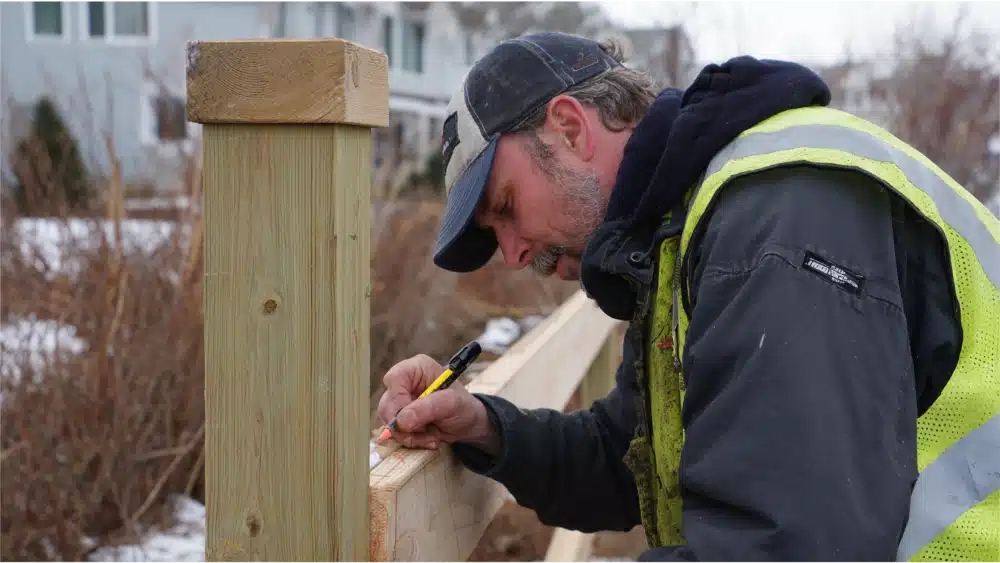
A helpful general rule is to place about one third of the total post length below ground. That means a 6-foot fence may call for a 9-foot post, with about 3 feet deep in the ground.
This one third guide is not the only factor, but it is a solid starting point. Soil type, fence height, wind pressure, and local soil conditions all play a significant role.
Standard Depth for a 6-Foot Privacy Fence
For a typical 6-foot privacy fence, the common post depth is 24 to 36 inches. A hole that is 2 feet deep may work for some lighter sections, but 3 feet deep often provides better support.
If the fence is exposed to high winds, built on loose soil, or connected to a gate, digging deeper can make all the difference. Proper post depth helps prevent shifting and keeps the fence installed correctly.
How Wide Should the Post Hole Be?
The post hole should usually be about three times the width of the post. For a standard 4×4 post, that often means a hole around 10 to 12 inches wide.
The bottom of the hole should be clean and stable before setting posts. If the hole is too narrow, the concrete may not provide optimal support. If the hole is too shallow, the fence post depth may not be deep enough to ensure stability.
Fence Post Depth by Fence Type
Wood Fence Post Depth
Wood fence posts carry real weight, especially in a privacy fence. A wooden fence post also absorbs stress from rails, boards, and wind. For most 6-foot wood fences, a wooden fence post should be set 24 to 36 inches deep.
Wood posts need the correct depth, good drainage, and solid concrete support. When wood posts are set deep and protected from standing water, the fence is more likely to stay strong.
Vinyl Fence Post Depth
Vinyl fencing still needs a solid foundation. Even though the material may not rot like a wooden fence post, the post depth still matters. A solid vinyl privacy fence can catch wind much like wood, so deeper holes may be needed in open yards.
Metal and Aluminum Fence Post Depth
Metal and aluminum fence styles may be lighter, but they still need proper post depth. The best depth depends on fence height, soil conditions, and whether the post supports a gate.
Chain Link Fence Post Depth
A chain link fence is often more open than a solid privacy fence, but post depth is still crucial. For many chain link projects, posts are commonly set about 2 feet deep, though taller chain link fences or gate areas may need deeper post holes.
Chain link terminal posts, corner posts, and gate posts often need more strength than regular line posts. With chain link, the tension of the fabric pulls against the post, so concrete footings and proper depth help the fence stay straight.
Gate Post Depth
Gate posts need extra stability because they carry weight and movement. A gate post is opened, closed, pulled, and pushed again and again.
For that reason, a gate post often needs a deeper hole, more concrete, and careful alignment. If a gate post is not deep enough, the gate may sag, drag, or stop closing at the same level.
What Can Change the Required Depth?
Fence Height
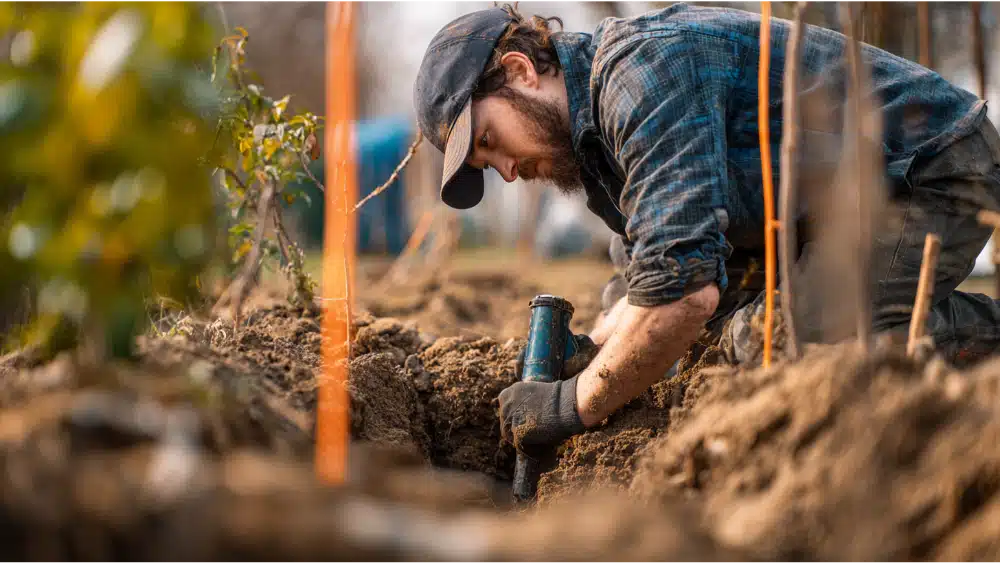
Fence height is one of the biggest factors in post depth. A short fence does not place the same pressure on a post as a tall fence. A tall fence catches more wind and creates more leverage against the ground.
For a tall fence, extra depth is often needed. An 8-foot tall fence may need a much deeper post hole than a 4-foot fence. The taller the fence, the more important proper post depth becomes.
Soil Conditions
Soil type affects everything. Loose soil may not hold a post firmly, even with concrete. Sandy soil can drain quickly but may shift more easily. Rocky soil can make digging difficult and may require special care to create a clean, stable hole.
Clay soil can expand and contract as moisture changes. That soil movement can push against concrete footings and cause the post to lean. Local soil conditions should always be considered before choosing the final depth.
Wind Exposure
A solid privacy fence can act like a sail in high winds. Open yards, corner lots, and long straight runs may face more wind pressure.
In areas with strong winds, the post should be set deep enough to resist movement. Deeper holes, wider concrete footings, and careful setting can help prevent shifting and give the fence optimal stability.
Post Location
Not every post carries the same load. A line post supports normal fence panels. A corner post, end post, or gate post carries more stress.
These high-stress areas may need deeper post holes and more concrete. This small detail can make all the difference between a fence that keeps leaning and a fence that stays strong.
Drainage and Moisture
Water around the bottom of the hole can weaken the installation over time. It can also shorten the life of a wooden fence post. Good drainage is crucial.
Adding gravel at the bottom of the hole can create an extra layer for drainage. Concrete should also be shaped near the ground so water runs away from the post instead of pooling around it.
Sacramento-Area Fence Post Replacement Considerations
In the Sacramento area, frost depth is usually not the main concern the way it is in colder regions. But that does not mean depth can be ignored, or that you can skip checking whether you need a permit to repair or replace a fence in Sacramento. Heat, dry soil, wet winters, termites, and seasonal soil movement all create unique challenges.
Frost Line Is Less of a Concern Locally
In colder places, the frost line matters because frost heave can lift or shift a post. Frost heave happens when moisture in the ground freezes and expands. If the post is not below the frost line, the fence can move over time.
In Sacramento, the frost line is not usually the guiding issue, and frost depth is less important than in snowy climates. Still, homeowners who live in nearby foothill areas or colder pockets should pay attention to frost depth, frost heave, and whether deeper holes are needed, and West Sacramento residents may want to consult a trusted local fence company in West Sacramento.
Local Soil and Weather Still Matter
Even without a deep frost line, a fence still needs proper depth. Dry seasons can harden soil. Wet seasons can soften it. High winds can push against a tall fence. These environmental factors affect how deep the post should be.
A strong installation accounts for several factors, not just one measurement.
Termites, Rot, and Wood Protection
Wooden fence post replacement should also consider termites and moisture. Post caps can help protect the top of some posts, but the base needs care too, and many homeowners pair post work with broader wood fence replacement services.
The bottom of the hole, the concrete, and the drainage around the post all work together. When these details are handled well, the fence has a better chance of lasting.
Should You Reuse the Old Fence Post Hole?
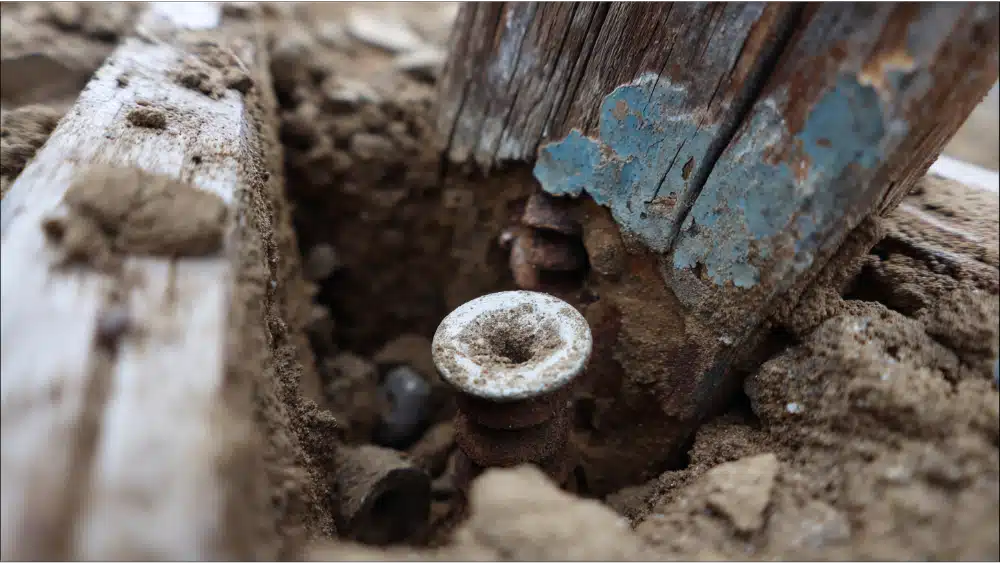
Sometimes an old post hole can be reused, but only if it is deep enough, wide enough, and stable. If the old post failed because it was too shallow, the new post may fail the same way.
If the old concrete is cracked, loose, or sitting in a shallow hole, it should usually be removed. Temporary braces may help hold a fence in place during repair, but they are not a replacement for proper depth.
A new fence post should not simply be dropped into a weak opening. Digging deeper, cleaning out the old material, and resetting the post at the correct depth helps create a solid foundation.
Concrete, Gravel, and Drainage
Why Concrete Is Common
Concrete is a go to choice for many fence post replacements because it holds the post firmly in place. Concrete helps prevent shifting, especially for a privacy fence, chain link fence, gate post, or tall fence.
Concrete footings should be deep enough and wide enough to support the post. The concrete should surround the post evenly, with no large empty spaces in the hole.
Why Gravel Can Help
Gravel at the bottom of the hole helps water move away from the base. This is especially helpful for wood posts and any wooden fence post that could be damaged by trapped moisture.
The bottom of the hole should not be muddy or loose. A clean base, gravel where appropriate, and properly placed concrete can add extra stability.
Why the Top Finish Matters
The top of the concrete should slope away from the post. This helps keep water from sitting at the base.
It may seem like a small detail, but water control is crucial. A fence often fails slowly, and moisture at the ground line is one of the common reasons.
Signs Your Fence Post Was Not Set Deep Enough
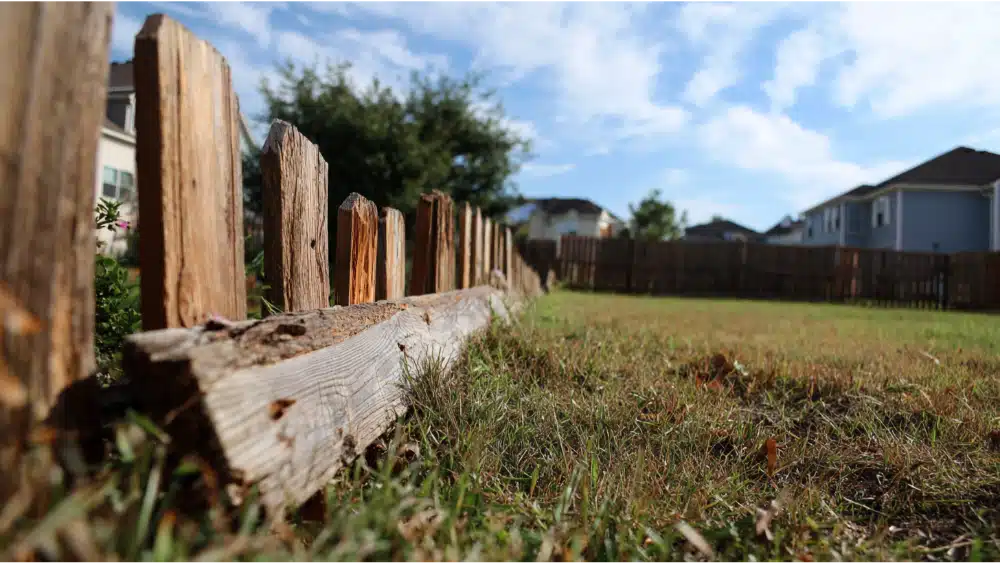
A post may not be deep enough if the fence rocks when pushed, leans after rain, shifts after high winds, or pulls nearby fence panels out of line.
Other signs include concrete moving in the ground, a gate dragging, or a post that no longer sits at the same level as the rest of the fence. If the same repair keeps coming back, the problem may be post depth, not just the visible damage.
DIY vs. Professional Fence Post Replacement
When DIY May Be Reasonable
A homeowner may be able to replace one simple line post if the fence is easy to access, the soil type is stable, and no gate is attached. The project still requires digging, removing old concrete, measuring depth, and setting the post straight, and many people also research the best fence company in Sacramento to help.
Even one wooden fence post can be harder to replace than it looks, especially if the old concrete is heavy or the hole needs to be deeper.
When to Call a Professional
It is smart to call a professional when several fence posts are failing, a gate is sagging, the fence is leaning across a long run, or the ground is unstable, especially if you need comprehensive fence post replacement services.
A professional can decide whether deeper holes, larger concrete footings, or a different post approach is needed. The goal is not just to make the fence stand again today. The goal is to help it stand tall for years.
How Fantastic Fence Handles Post Replacement
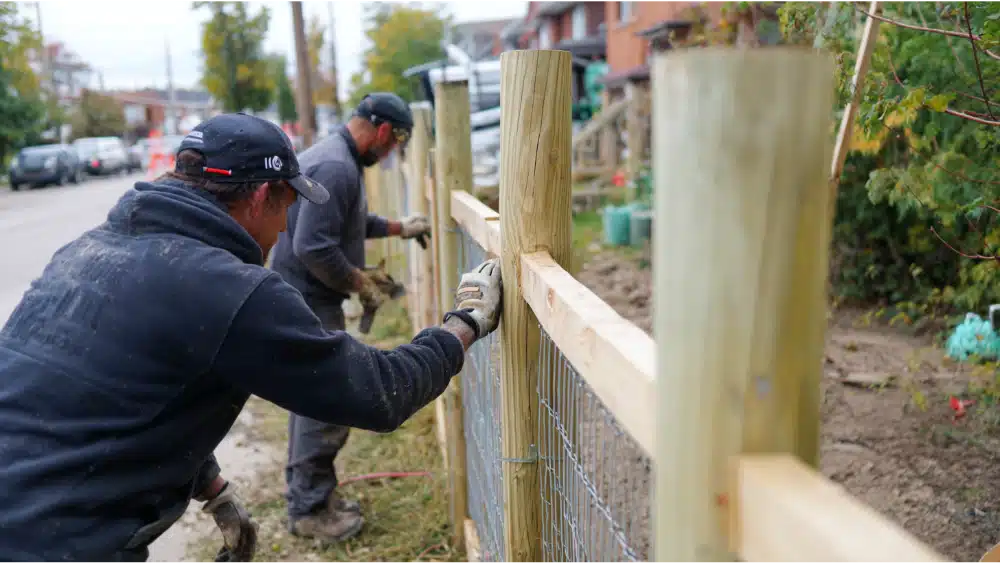
At Fantastic Fence, we look at more than the damaged post. We look at the fence height, soil type, nearby panels, gate weight, drainage, old concrete, and overall fence condition, drawing on our broader fence repair, replacement, and installation services.
We know a fence protects more than a property line. It protects pets, gives kids room to play, adds privacy, and helps your outdoor space feel like home, which is why we address common issues like why fences lean and how to fix them.
When we replace a post, we focus on proper post depth, clean work, and strong support from the bottom of the hole up. From loose and leaning to steady and secure, we want your fence to feel right again.
How Much Does Fence Post Replacement Cost?
Fence post replacement cost depends on the number of fence posts, fence material, access, old concrete removal, soil conditions, and whether a gate is involved, and is closely related to the average price of a fence in the Sacramento area.
For larger projects, Sacramento-area privacy fence installations often run about $2,500 to $3,500 per side of the house, or about $7,500 to $10,500 for a full backyard. Replacing a weak post early can help protect the larger fence investment you already have.
FAQs
Is 2 Feet Deep Enough for a Fence Post?
Sometimes, 2 feet is deep enough for a shorter or lighter fence. For a 6-foot privacy fence, 3 feet deep is often a stronger choice, especially when the fence faces high winds or loose soil.
How Deep Should a 4×4 Fence Post Be?
A 4×4 post for a 6-foot fence is often set 24 to 36 inches deep. The proper depth depends on fence height, soil conditions, and whether the post supports a gate.
Should Fence Posts Be Set in Concrete?
In many cases, yes. Should fence posts be set in concrete for a privacy fence or chain link fence? Usually, concrete gives better support, helps prevent shifting, and improves long-term stability.
Do Gate Posts Need to Be Deeper Than Regular Posts?
Often, yes. Gate posts carry more movement and weight, so deeper holes and stronger concrete footings are usually helpful.
Can I Replace One Fence Post Without Replacing the Whole Fence?
Yes. If the rest of the fence is still strong, one post can often be replaced. The key is making sure the replacement post is set at the correct depth and installed correctly.
Why Do Wood Fence Posts Rot at Ground Level?
Wood fence posts often rot at ground level because moisture collects where the post meets the soil and concrete. Better drainage, quality materials, and careful concrete finishing, along with understanding the causes of wood fence rot and how to prevent it, can help.
What Is the Frost Line, and Does It Matter?
The frost line is the depth where the ground may freeze in cold climates. In areas with frost heave, posts often need to extend below the frost line. In Sacramento, frost depth is usually less of a concern, but colder areas may still need to account for frost heave.
Should Old Concrete Be Removed?
Usually, yes. Old concrete should be removed if it is cracked, loose, shallow, or poorly placed. A new post needs a clean hole and solid concrete to perform well.
How Deep Should Fence Posts Be in Sacramento?
For many Sacramento-area fences, 24 to 36 inches is common. A 6-foot privacy fence often benefits from a 36-inch depth, especially in loose soil, windy areas, or gate sections.
Ready for a Stronger Fence?
Your yard deserves a fence that feels safe, steady, and built with care. If your post is leaning, rotting, or making the whole fence feel uncertain, we are here to help.
Let’s build something strong together.
Final Answer: How Deep Should a Replacement Fence Post Be?
For most 6-foot fences, the answer is 24 to 36 inches deep. For a tall fence, gate post, corner post, loose soil, sandy soil, rocky soil, or high winds, digging deeper may be the better choice.
A 2 feet deep hole may work in lighter situations, but 3 feet deep is often stronger for a privacy fence. The correct depth depends on fence height, soil type, wind exposure, fence material, and local conditions.
The best fence post depth is the one that gives the post proper depth, keeps the fence stable, and helps the whole fence stand the test of time. So, what depth is required for fence post replacement? In most cases, deep enough to anchor the post below weak surface soil and support the fence through wind, weather, and daily use.