Which Fence Is Stronger for Your Yard
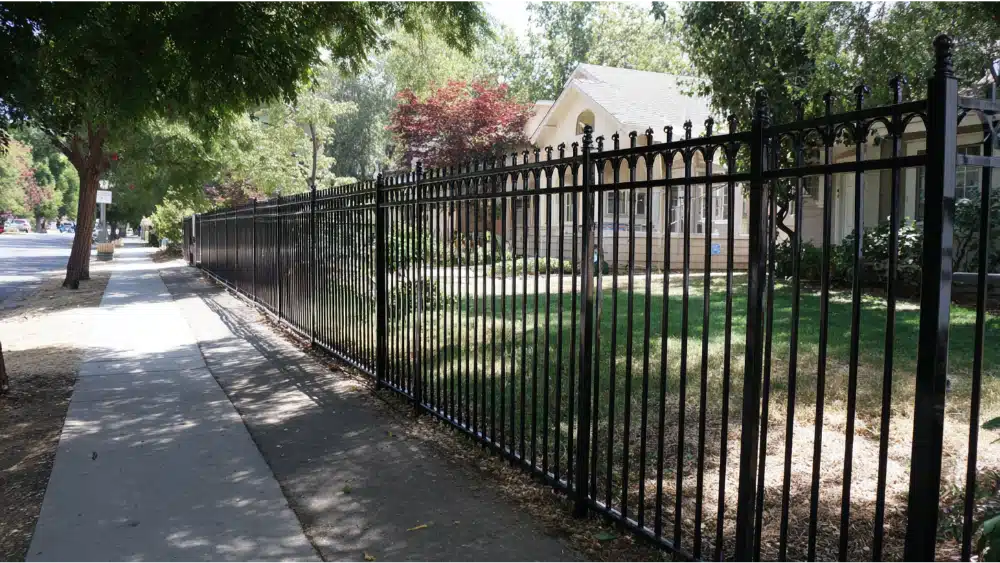
When homeowners start researching metal fences, one question appears quickly, welded steel fence vs bolted panels. The answer is not always obvious at first glance. Two fence systems can look almost identical from the street, yet the way the metal components connect inside the panels changes strength, flexibility, security, and long term durability. Understanding these differences helps homeowners choose a fence that protects their property and looks beautiful for many years. A fence is more than a border around a yard. It protects privacy, supports safety, and adds curb appeal to residential and commercial properties. When comparing welded steel fence systems with bolted panels, it helps to understand how each fence is built and why those design choices matter. Once you understand the welding process, the role of fasteners, and how rackable fence systems work, especially when comparing sloped versus stepped fence installation on hills, choosing the best choice for your yard becomes much easier.
Understanding How Steel Fence Panels Are Built
Most steel fence projects begin with a simple structure made of posts, rails, and vertical pickets, but the quality of the finished fence also depends on hiring a qualified, professional fence contractor. These metal components form the framework of the fence panels that run between the posts. The difference between a welded fence and a bolted panel system is the method used to connect those parts. A welded fence uses welded connections created through a welding process that fuses steel pickets to steel rails. Bolted systems rely on fasteners such as screws, bolts, clips, sleeves, or brackets that connect the rails and pickets during installation. Both approaches can create durable metal fences, but the structure of the connections affects structural integrity, flexibility, maintenance needs, and cost.
What Is a Welded Steel Fence Panel
A welded fence panel is built in a factory where pickets and rails are permanently fused together using professional welding equipment. During this welding process, intense heat bonds the steel pieces together. The result is a rigid panel with welded joints at every connection point. These welded joints create strong welded connections that hold the pickets tightly to the rails. Once welded, the panels are often coated with corrosion protection such as galvanizing and powder coating. Many welded steel panels are made from galvanized steel to improve corrosion resistance and extend the lifespan of the fence, and understanding how steel fencing resists rust over time can help homeowners set realistic expectations for maintenance. The fusion of metal during the welding process creates a single solid frame. Because the rails and pickets are welded together, the panel does not rely on screws or bolts that could loosen later. That solid construction is one reason welded steel fence systems are a first choice for commercial security projects and many residential installations.
What Are Bolted or Mechanically Fastened Fence Panels
Bolted fence panels rely on mechanical fasteners instead of welded joints. In these systems the rails and pickets connect with bolts, screws, brackets, or sleeves during installation. Some systems also use clips or hidden fasteners that connect metal components inside the rails. These mechanical connections allow the panels to remain slightly flexible during installation. Many bolted fence designs are built as rackable fence panels, while gates on these systems often benefit from welded steel gate frames for added strength and stability. A rackable fence can tilt along slopes and follow uneven terrain without leaving large gaps beneath the fence. That flexibility can make installation easier on sloped properties. Because these systems use fasteners instead of welded connections, certain parts may be adjusted later by tightening bolts or replacing hardware when needed. For some projects that flexibility makes sense.
Welded Wire Fencing: Core Differences Between Welded Steel Fence and Bolted Panels

When comparing welded steel fence systems and bolted panel systems, several key differences appear. Strength, flexibility, installation method, and appearance all influence which fence becomes the best choice for a specific property.
Structural Strength
A welded fence is known for strong structural integrity. The welding process permanently bonds the pickets and rails, which creates rigid panels that resist movement. Because the welded connections fuse the metal together, each panel behaves as a single piece of steel. This solid construction often provides excellent security for residential and commercial properties. Many commercial projects choose welded steel fence panels for this reason. Facilities that store equipment, protect vehicles, or require high security often rely on welded panels because the rigid structure is difficult to bend or damage. Bolted panels can still be strong, but their strength depends on the quality of the fasteners and the way the metal components connect. Bolts and screws must be tightened properly to keep the structure stable. Over time, vibration or environmental changes may require occasional tightening to maintain structural integrity.
Flexibility and Rackable Fence Performance
One advantage of bolted systems is their flexible structure. Because the panels connect with fasteners instead of welded joints, they can tilt slightly during installation. Many systems are designed as rackable fence panels. A rackable fence can follow uneven terrain without stepping each section like stairs. This ability to adjust to uneven terrain is valuable for projects where the ground slopes significantly. Some welded panels can rack slightly depending on the design, but most welded fence panels are more rigid. When installed on uneven terrain they may require stepped installation between posts. This is an important consideration when planning fence projects in landscapes with hills or changing elevation.
Appearance and Aesthetics
For many homeowners aesthetics matter as much as strength. A welded fence typically offers a clean appearance because there are no visible bolts or screws connecting the pickets to the rails. The welded joints are smooth and often hidden beneath the protective coating. This creates sleek metal fences with strong visual appeal. Bolted panels may show small fasteners along the rails depending on the design. Some manufacturers hide these fasteners inside the rails using sleeves or clips. While the appearance can still look attractive, welded panels usually provide the most seamless aesthetics. For homeowners who value curb appeal and architectural design, this difference may influence the best choice.
Durability and Lifespan
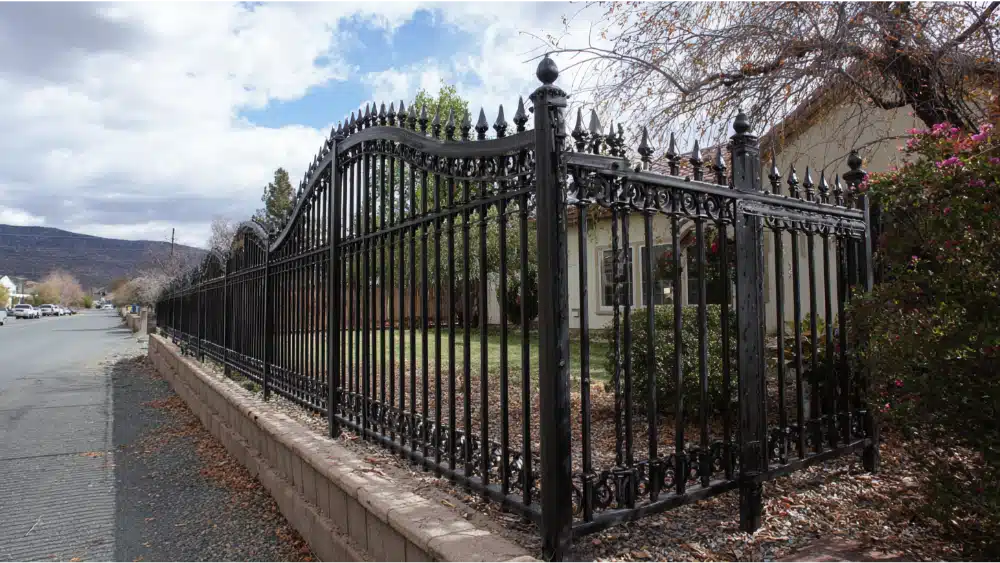
Durability plays a major role when choosing a fence. Homeowners expect a fence to last decades, especially when investing in steel or other metal materials.
Welded Panels and Long Term Stability
A welded fence often provides excellent durability because the welded joints create permanent connections between pickets and rails. Without bolts or screws to loosen, the panels remain stable for many years. Many welded wire fencing systems use similar construction where welded wire panels form rigid mesh structures. Welded wire fencing is widely used in commercial environments and agricultural projects because the welded connections create strong support across the entire panel, and labor for these installations is typically estimated using fencing contractor rates per hour and per linear foot. When coated with galvanizing and powder coating, these welded steel panels become highly resistant to corrosion and weather exposure. With proper corrosion protection, a welded fence can last decades with limited maintenance.
Bolted Panels and Maintenance Considerations
Bolted panels rely on mechanical fasteners to maintain stability. While modern fasteners are strong and corrosion resistant, they still introduce moving parts into the fence structure. Over time bolts or screws may loosen slightly due to temperature changes or environmental movement. Periodic tightening may be needed as part of regular maintenance. The advantage of this design is easier repair. If one part of the panel becomes damaged, replacement of individual pieces may be possible without removing an entire welded panel. For some projects that repair flexibility can save time and cost.
Which Fence Handles Weather Better
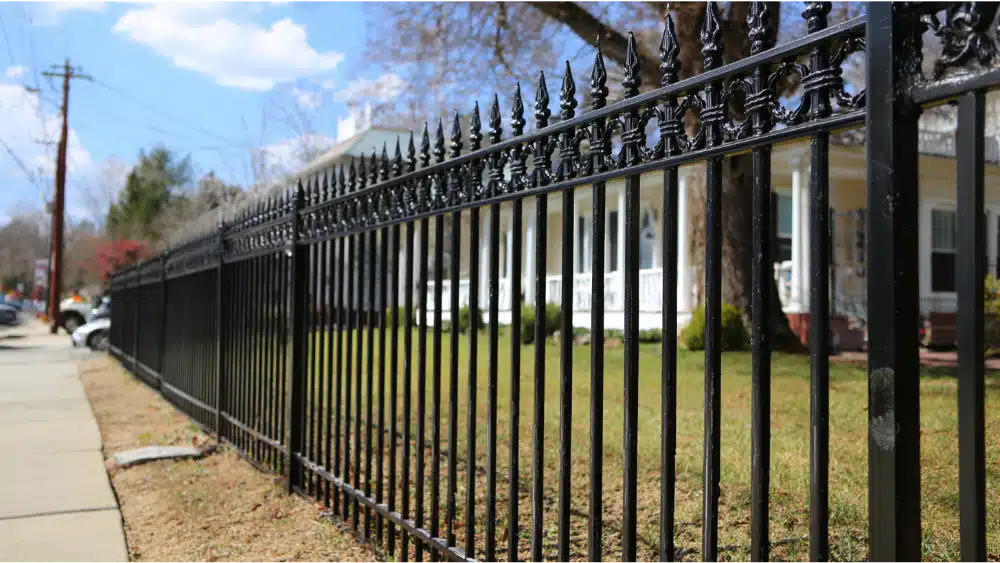
Outdoor metal fences must withstand rain, sunlight, and changing temperatures. Weather exposure can cause corrosion if materials are not properly protected.
Galvanized Steel and Corrosion Protection
Most modern steel fence systems use galvanized steel combined with powder coating to improve corrosion protection, similar to the protective coatings that help extend the lifespan of a chain link fence. Galvanized steel includes a zinc layer that helps protect the metal from moisture and oxidation. Powder coating adds another protective barrier while improving aesthetics. These coatings help prevent corrosion and extend the lifespan of the fence. Both welded panels and bolted systems benefit from these protective materials. Proper corrosion protection ensures the fence remains strong and attractive even after decades outdoors.
Connection Points and Moisture Exposure
Connection points sometimes create small areas where moisture may collect. Welded joints must be coated carefully so that corrosion does not form around the weld. Bolted panels rely on corrosion resistant fasteners to protect screws and bolts from rust. In either system, high quality materials and coatings are the most important factor for long term durability.
Installation Differences Homeowners Should Know
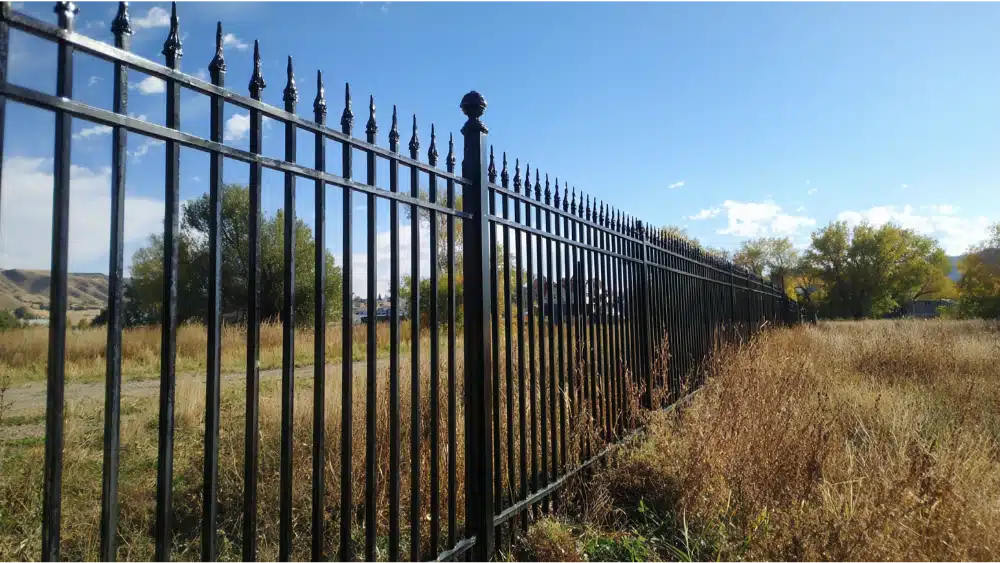
Installation methods also differ between welded panels and bolted systems. Understanding these differences helps homeowners prepare for their fence projects.
Installing Welded Steel Panels
Welded steel panels arrive at the job site as complete units. During installation, the panels are attached to fence posts using brackets or clips designed for the system. Because the panels are already assembled, installers must position posts precisely so each panel fits perfectly between them. This method can make installation efficient for flat properties. The rigid panels slide into position between the posts, then brackets secure them tightly. Many residential and commercial projects prefer this process because it creates a strong fence quickly once the posts are installed.
Installing Bolted Panel Systems
Bolted systems sometimes require partial assembly at the site. Installers connect rails, pickets, and panels using fasteners such as screws or bolts. This allows the structure to remain flexible during installation. For complex projects with uneven terrain, this flexibility can help installers adjust the fence as they work. A rackable fence design may allow the panels to angle along slopes while maintaining consistent spacing. Although the installation may involve more steps, the adaptable design can simplify projects with challenging landscapes.
Cost Differences Between Welded and Bolted Steel Fences

Budget is always an important consideration when planning a fence. The cost of metal fences varies depending on materials, property size, and design complexity. Steel fence projects often require a higher initial investment compared to chain link fencing or basic wood fences. However the durability and longevity of steel often justify that investment over time. In many areas, ornamental steel fence installation averages roughly forty eight to fifty five dollars per linear foot, while homeowners considering other materials should also review current wood fence installation costs in 2025. A typical backyard project of about one hundred fifty feet may cost between seven thousand two hundred and eight thousand two hundred fifty dollars. Chain link fencing is often more affordable and may be chosen when budget is the primary concern, especially when you compare chain link versus wood fences for cost and maintenance.
A chain link fence uses woven wire instead of welded pickets and rails. While chain link fencing provides good security and visibility, it usually does not offer the same aesthetics as ornamental steel panels. For homeowners comparing chain link and steel fence systems, aesthetics and durability often influence the final decision. Bolted panel systems and welded panels may have similar price ranges depending on materials and coatings. Additional gates, custom features, or difficult terrain can increase the cost of installation. When planning fence projects it helps to evaluate the long term value rather than focusing only on the initial price.
When a Welded Steel Fence Is the Best Choice
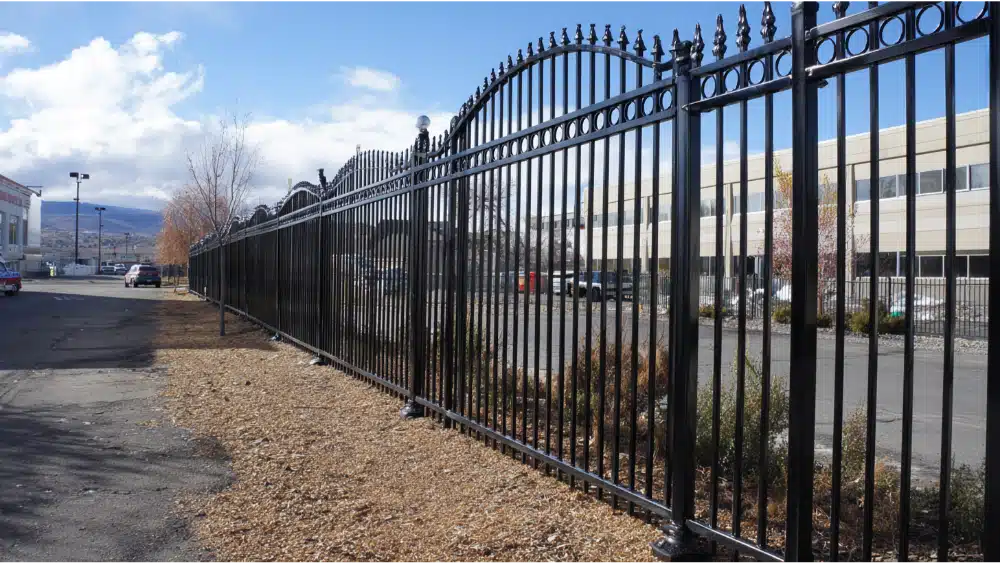
For many residential and commercial properties, a welded fence is the best choice when strength and security are the highest priorities. The rigid welded panels create a barrier that is difficult to bend or climb. Facilities that protect vehicles, equipment, or restricted areas often rely on welded steel fence systems because they provide dependable security. Welded wire fencing and welded wire panels are also widely used in commercial environments because their rigid mesh design discourages climbing. A welded fence can also enhance aesthetics because the seamless welded joints create clean lines across the panels. Homeowners who want elegant metal fences with long lasting durability often prefer welded steel systems.
When Bolted Fence Panels Make More Sense
Bolted panels may be the best choice for properties with uneven terrain or complex landscapes. A rackable fence system can follow slopes without leaving large gaps beneath the fence. This ability is valuable for residential yards with hills or landscaping features. Bolted systems can also make repair easier if damage occurs. Individual metal components may be replaced without removing an entire welded panel. For projects where adaptability is important, a customizable bolted design can provide a practical solution. In some situations this flexible approach may also help save labor during installation.
How to Choose the Right Steel Fence for Your Home
Choosing the right fence requires careful consideration of several factors. Property layout is often the first consideration. A flat property may work perfectly with welded panels, while uneven terrain might benefit from a rackable fence design. Budget is another important factor, and some homeowners explore fence financing and payment options to spread project costs over time. Homeowners should evaluate both the initial investment and the long term maintenance needs of the fence. Security needs also influence the best choice. Properties that require stronger barriers may benefit from rigid welded steel panels. Aesthetics and visibility can also shape the decision. Some homeowners prefer open designs that maintain visibility across the yard, while others prefer panels that reduce the ability to climb. By evaluating these differences homeowners can choose a fence that balances strength, beauty, and value.
Common Homeowner Mistakes When Comparing Steel Fences
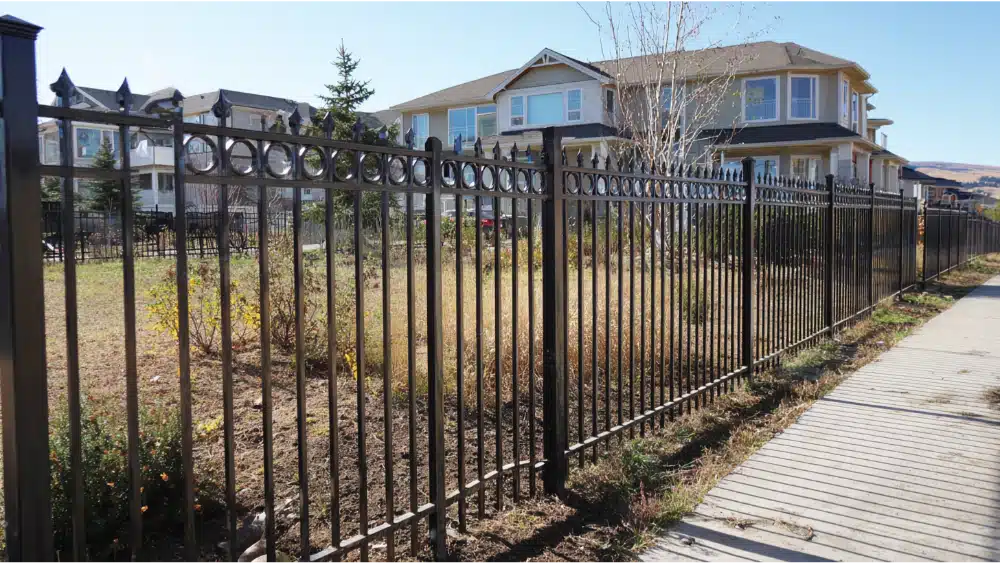
Many homeowners assume that all metal fences offer the same performance. In reality the construction methods, materials, and coatings create important differences. One common mistake is focusing only on cost instead of long term durability and lifespan. A cheaper fence may require more maintenance or earlier replacement. Another mistake is ignoring terrain conditions before installation. Uneven terrain can complicate installation if the fence system is not designed to adjust to slopes. Homeowners should also consider repair needs, aesthetics, and security goals when planning fence projects.
Frequently Asked Questions
Are welded fences stronger than bolted fences
In most situations welded fences provide stronger structural integrity because the welded joints permanently fuse the pickets to the rails. This creates rigid panels that resist movement and improve security.
Do welded fences rust faster
Rust resistance depends on corrosion protection rather than the welding method. Galvanized steel and powder coating help prevent corrosion in both welded and bolted systems.
Are bolted fences less secure
Bolted systems can still provide good security when high quality fasteners are used. However welded panels often offer stronger resistance to climbing or tampering.
Which fence lasts longer
Both welded steel fences and bolted systems can last decades when installed correctly and maintained properly. Quality materials and coatings have the greatest impact on longevity.
Can welded panels be repaired
Repair may require replacing an entire welded panel depending on the damage. Bolted systems sometimes allow easier replacement of individual metal components.
Final Thoughts, Choosing Strength Style and Peace of Mind
A well built fence protects more than property lines. It protects families, homes, and businesses. The decision between welded steel fence panels and bolted systems comes down to the needs of the property. Welded panels provide strength, security, and seamless aesthetics that many homeowners prefer. Bolted panels offer flexibility for uneven terrain and easier repair in certain situations. Both systems can create strong metal fences that last decades when installed with quality materials and proper corrosion protection. The most important step is choosing a fence that fits the landscape, the budget, and the long term goals for the property. When homeowners take time to understand the differences between welded and bolted fence panels, they can move forward with confidence knowing their investment will protect their space for many years.