When the wind starts to pick up across your property, the first thing many homeowners notice is how their fence reacts. Panels begin to rattle, rails shift slightly, and posts may start to lean. After enough storms, sections can become loose or even break. A fence should bring security and peace of mind, but strong weather can quickly turn it into a concern. That is why many homeowners begin researching steel fencing for high wind areas when they are planning a new installation or replacing an older fence. The right design can improve wind resistance, protect your property, and provide extra protection during storms and hurricane season. In many windy areas, the best fence design is not just about looks. It is about choosing durable materials, planning a strong installation, and creating a system that allows the fence to withstand high winds without failing. Metal fencing offers a strong solution that balances strength, airflow, and long lasting durability. In this guide we will walk through why wind damages fences, how steel fences improve wind resistance, and what homeowners should know before installing a fence in wind prone environments.
Why Wind Resistance Is One of the Biggest Threats to Backyard Fences
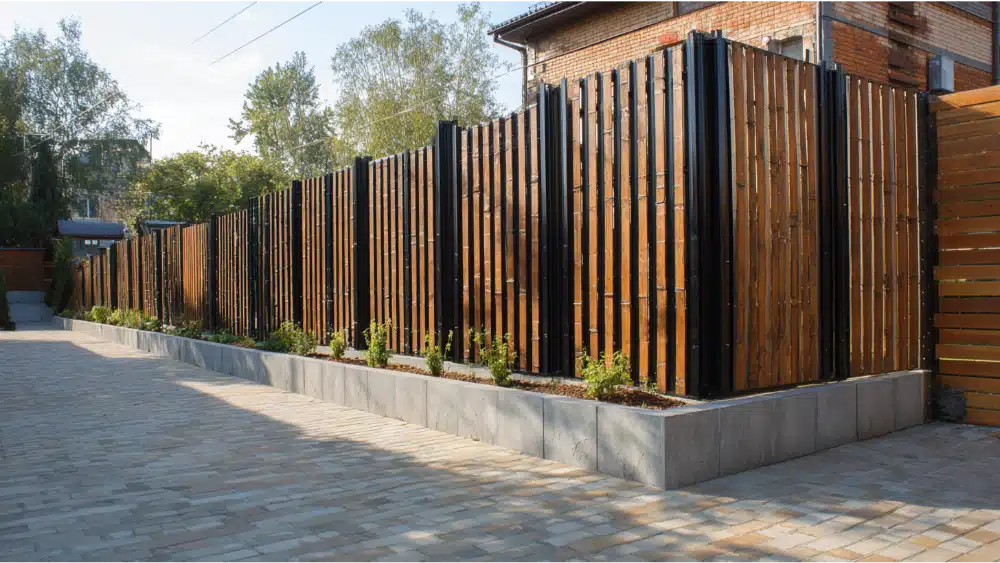
Wind places constant pressure on a fence structure. While light breezes cause little damage, strong winds and sudden gusts can strain the entire fence system. When wind pushes against large panels, the force transfers to the posts and rails. Over time that pressure can cause posts to loosen in the ground or shift in the soil. During major storms, especially hurricane level weather in states like Florida, entire fence sections may break or blow over. This happens because the wind behaves like water pushing against a barrier. Solid surfaces create a sail effect. The larger the surface area, the more pressure builds across the fence panels. Eventually the structure reaches a point where it cannot withstand the load. Many wood fences fail this way during strong storms. The boards catch the wind like a sail and transfer all that pressure to the posts. Once the posts move or the fasteners loosen, the whole fence line becomes unstable. In wind prone areas this process can happen quickly. Even moderate gusts repeated over time can weaken the fence structure. That is why homeowners in windy areas often search for fencing materials designed to improve wind resistance and withstand high winds more reliably.
How Wind Pressure Damages Fences
Wind pressure builds quickly across fence panels. When gusts hit a solid panel fence, the air cannot pass through the surface. Instead the pressure increases across the entire panel. This pressure transfers to the rails and posts. Over time the constant stress may cause rails to bend or fasteners to loosen. Eventually the posts begin to shift in the ground. When that happens the whole fence starts to lean. Once posts move out of alignment the panels can break or separate. Debris carried by the wind may also strike the fence and damage boards or panels. Storms that include heavy gusts and debris are especially damaging. Hurricane conditions amplify these effects because sustained wind continues pushing against the fence for hours. That is why wind resistant designs focus on reducing pressure and allowing air to pass through the structure.
The Most Common Fence Failures in Windy Areas
In windy areas several common fence problems appear again and again. Posts may become loose in the soil after repeated storms. Fence panels can break when strong gusts push against them. Boards on wood fences may crack or separate from rails. Sometimes entire panels blow out when fasteners pull free. Vinyl fences may snap or split if strong winds cause the panels to flex beyond their limits. Even aluminum fencing can bend if it lacks proper support. The biggest issue usually starts below ground. If posts are not secured in concrete or if the soil around the holes weakens, the posts begin to shift. Once posts move, the stability of the whole fence declines quickly. That is why professional installation and strong materials are so important in wind prone regions.
Locations Where Wind Damage Is Most Common
Wind damage happens more often in certain environments. Homes located near open farmland or livestock areas often experience steady winds. Properties near ridges or hillsides also face stronger gusts because wind accelerates as it moves over the terrain. Coastal regions such as Florida face hurricane conditions that bring intense storms and flying debris. In these wind prone environments homeowners must think carefully about fence design. A fence may also need to act as a windbreak to protect gardens, crops, or livestock areas. Choosing a wind resistant fence design helps reduce damage while still protecting the property.
What Makes Steel Fencing a Strong Option for Windy Areas
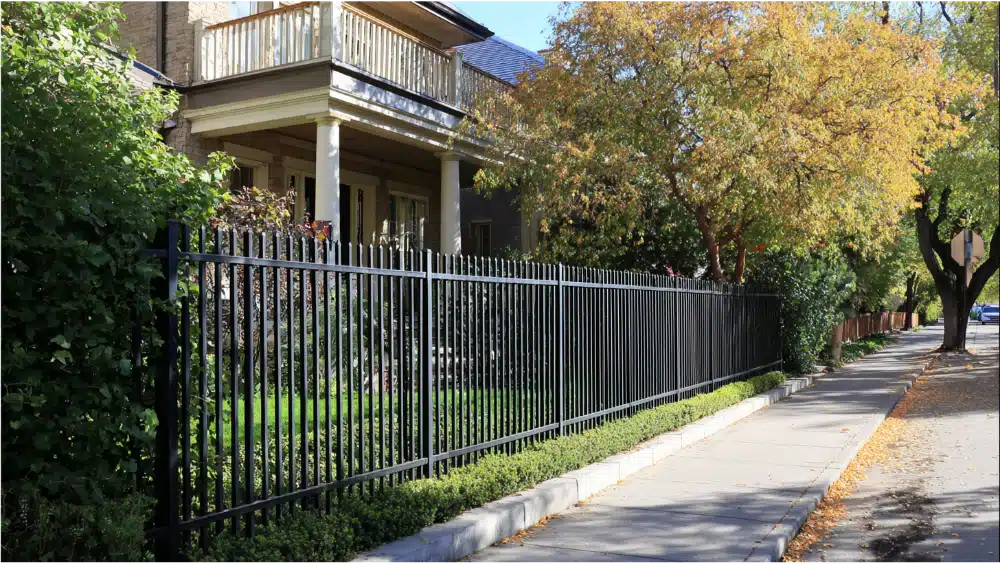
Steel fencing offers excellent wind resistance because of its strength and durability. Steel is an engineered material designed to maintain its shape under pressure. Unlike wood that can rot or warp, steel maintains structural stability over time. That strength helps the fence withstand high winds and repeated storms. Many metal fencing systems use open panels or picket spacing that allows air to pass through. This design reduces pressure during storms and improves overall performance. When wind can pass through the fence, less force pushes against the posts and rails. Steel also provides excellent durability against weather exposure. Galvanized coatings help prevent rust while powder coatings protect the surface from the elements. These protective layers allow steel fences to remain durable and long lasting even in coastal environments where salt and moisture can damage other materials. Because of this strength, steel fencing is often considered an ideal choice for wind prone properties.
The Natural Strength of Steel
Steel has a unique combination of strength and flexibility that improves wind resistance. It can withstand significant pressure without breaking or bending permanently. This allows the fence system to handle gusts and shifting weather conditions. Steel also maintains its shape better than many fencing materials. That consistency helps the whole fence remain stable during storms.
Steel Posts vs Traditional Wood Posts
Fence posts provide the backbone of the fence structure. Wood posts may look strong at first, but moisture in the soil eventually causes rot. When wood posts weaken, the entire fence system becomes unstable. Steel posts remain durable because they resist rot and moisture damage. They also maintain stronger connections with rails and panels. When posts remain strong and firmly installed in concrete, the fence can withstand strong winds much more effectively.
Steel Fences Are Designed to Work With the Wind
Many steel fence designs include open panels or decorative pickets. These openings allow airflow and reduce pressure on the structure. Instead of acting like a sail, the fence allows wind to pass through. This simple design change dramatically improves wind resistance. Chain link fencing works in a similar way because the mesh allows air to move through easily. Both chain link and wood fencing options provide different levels of protection while maintaining airflow and privacy, depending on design. This combination of strength and airflow makes metal fencing a reliable option in windy areas.
Fence Panels and Design Matter More Than Material Alone
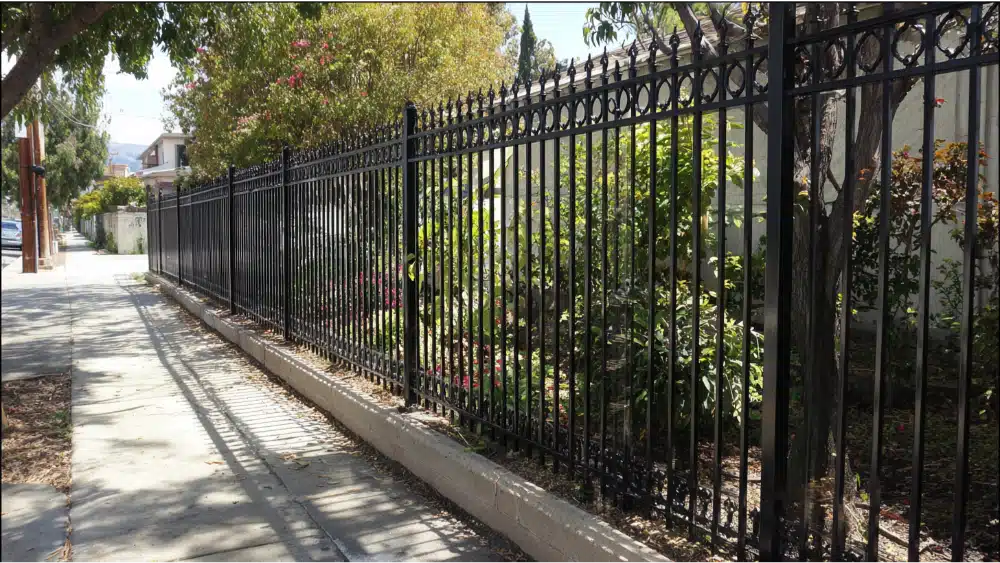
Although steel provides excellent durability, fence design plays a major role in wind resistance. The structure of the fence must be engineered to handle wind pressure and gusts.
Why Open Fences Handle Wind Better
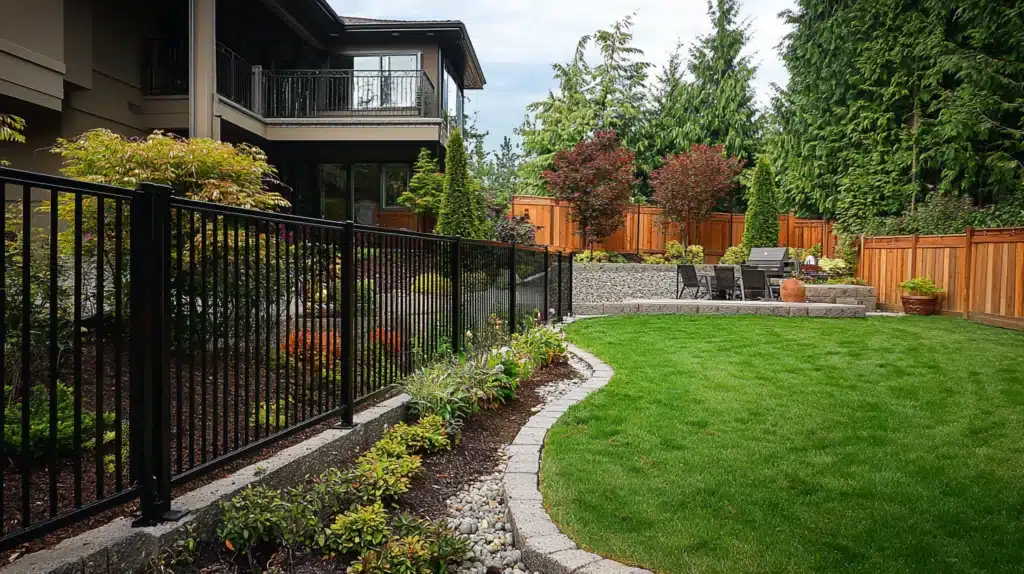
Open fence designs reduce pressure because wind can pass through the panels. Chain link fencing is a good example. The open mesh reduces the sail effect and allows the fence to withstand high winds more easily. Ornamental metal fencing with spaced pickets works the same way. These designs create a natural windbreak while still providing security and property definition.
The Sail Effect of Solid Privacy Fences
Solid panels create more resistance because they catch the wind like a sail. This increases pressure across the rails and posts. Wood fences with solid boards are particularly vulnerable to this effect. When strong winds hit the boards, the panels may break or pull away from the rails. Vinyl fences with solid panels can experience similar issues. Although vinyl is lightweight, large panels can flex under pressure during storms.
Combining Steel Posts With Privacy Panels
Some homeowners want privacy but still need strength. In these situations steel posts can support welded steel gate and fence frames with wood boards or composite panels. The steel structure improves stability while the boards provide privacy. Proper spacing and engineered installation help these fences withstand strong winds.
Key Structural Features That Help Steel Fences Handle High Winds
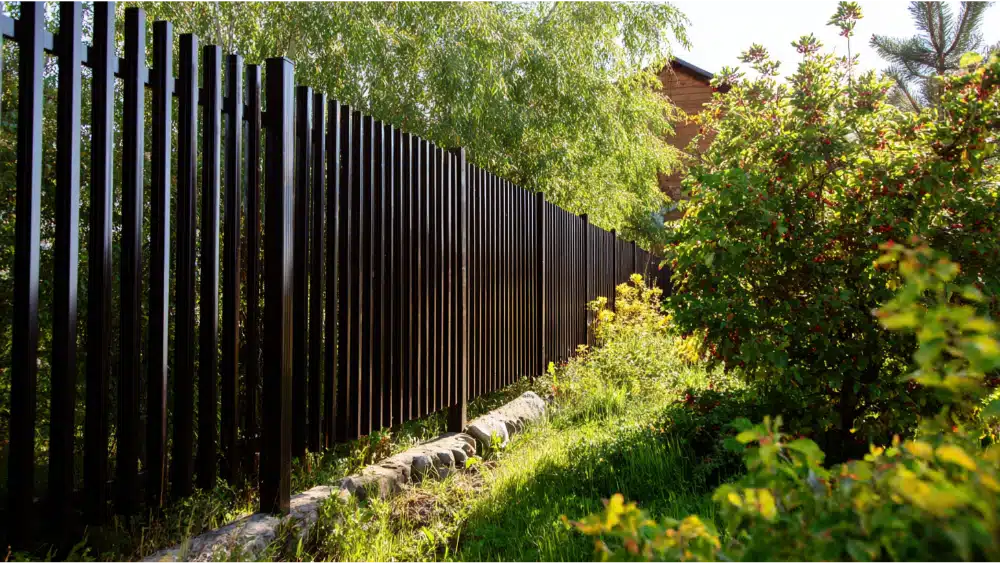
A strong fence requires more than good materials. Several key details determine how well a fence will perform during storms.
Proper Post Spacing
Post spacing affects how much pressure each post must carry. When posts are placed too far apart the rails and panels must handle more stress. Closer spacing distributes the load across the fence system. This improves stability and helps the fence withstand high winds.
Deeper, Stronger Fence Footings
Posts should be secured in concrete footings to anchor them firmly in the ground. Concrete prevents posts from shifting in the soil during storms. In wind prone regions deeper holes may be required to reach stable soil. Properly installed concrete footings give the fence strong support.
Heavy Duty Steel Fence Posts
High quality steel posts provide exceptional durability and wind resistance. These posts are engineered to handle pressure and maintain structural stability. Their strength helps the fence withstand hurricane level gusts.
Professional Installation Matters
Installation plays a critical role in fence performance, and understanding what fencing contractors charge can help you budget for a quality job. Posts must be aligned carefully and secured with strong fasteners. Rails and panels should be attached tightly with the best fasteners for fence installation so they do not loosen over time. Proper installation ensures the fence system functions as designed.
Comparing Steel Fencing to Other Fence Materials in Windy Areas
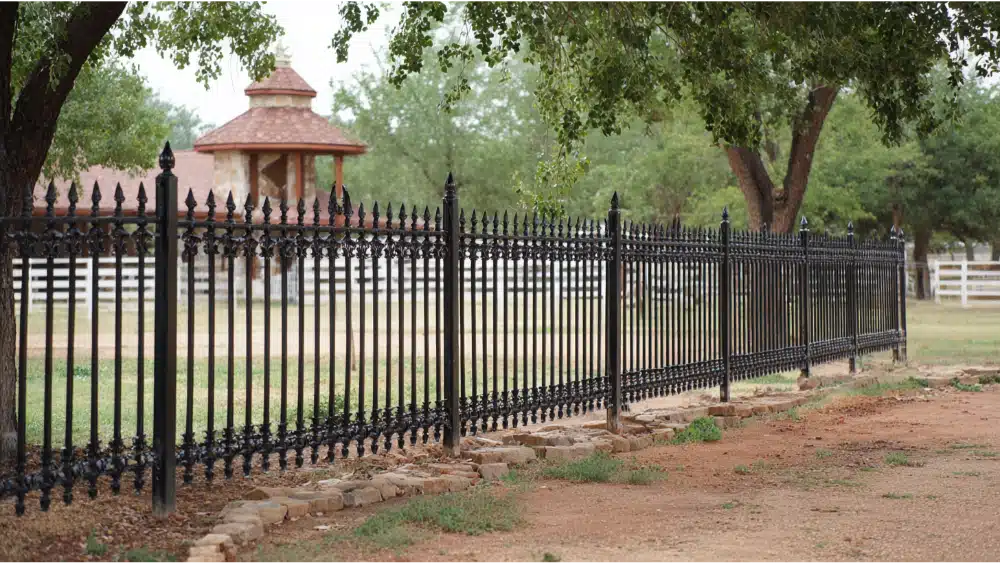
Different fencing materials respond differently to wind and weather.
Steel vs Wood Fencing
Wood fences offer traditional beauty but they are vulnerable to rot and weather damage. Over time wood posts weaken and boards can break during storms. This reduces wind resistance and shortens the life of the fence.
Steel vs Vinyl Fencing
Vinyl fences require little maintenance but they can become brittle with age. Large vinyl panels may flex under pressure from gusts. During hurricane conditions the panels may crack or break.
Steel vs Aluminum Fencing
Aluminum fencing is lightweight and attractive. However aluminum is softer than steel and may bend under heavy pressure. Steel offers greater durability and structural strength in windy environments.
When a Steel Fence Is the Best Choice for Your Property
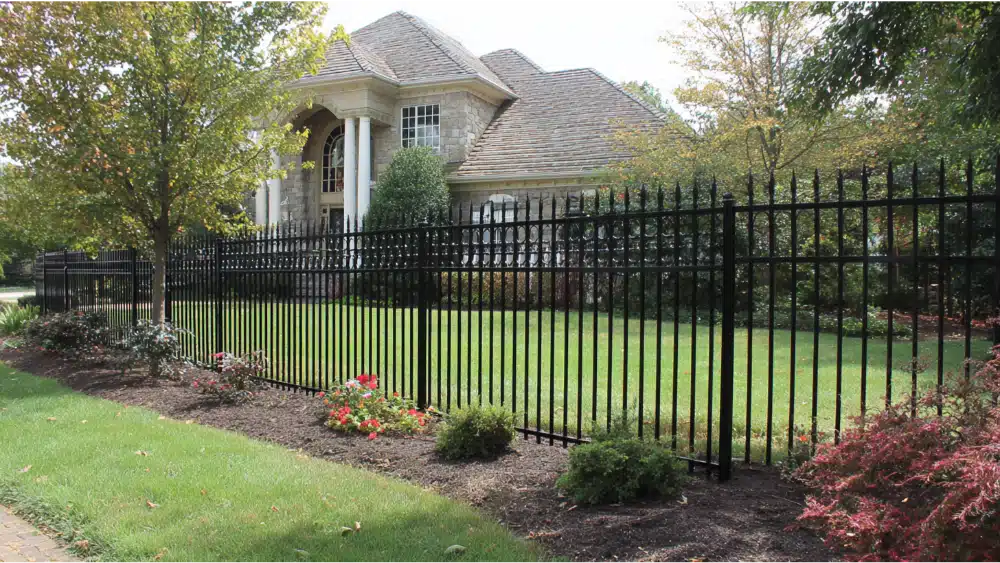
Steel fencing is especially valuable in areas that regularly experience strong winds or hurricane level storms.
Homes in Open or Rural Areas
Properties surrounded by open fields or livestock land often experience steady wind patterns. Steel fencing provides strong protection in these conditions.
Properties Near the Coast or Large Bodies of Water
Coastal environments expose fences to wind, moisture, and salt air. Steel fencing with protective coatings resists rust and maintains durability.
Homes That Experience Frequent Storms
If storms frequently pass through your region, investing in a wind resistant fence helps reduce repairs and protect your property.
Homeowners Who Want Long Term Durability
Steel fencing offers long lasting performance with minimal maintenance. Its durability makes it a reliable solution for homeowners who want a fence that can withstand the elements.
The Cost of Installing Steel Fencing
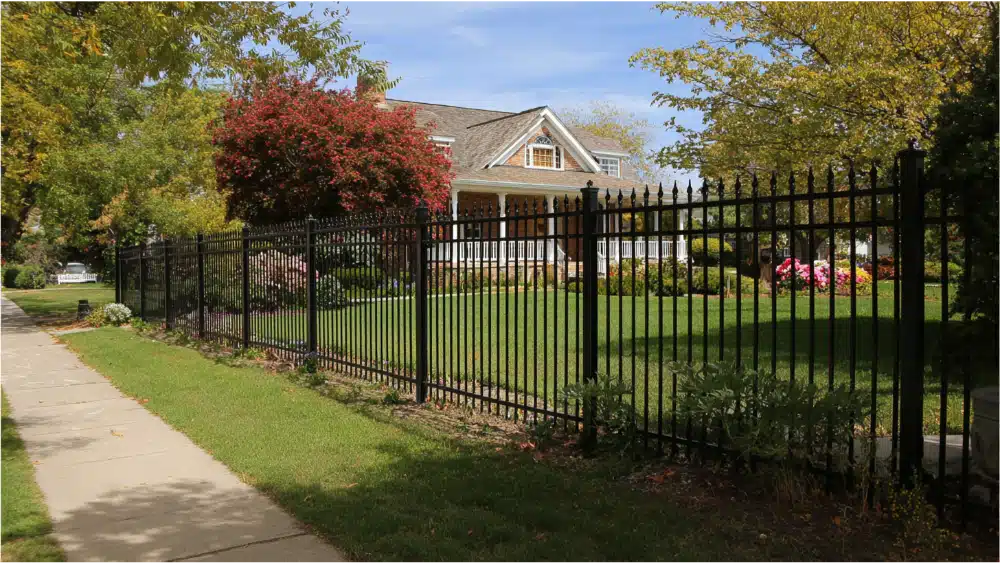
The cost of installing a steel fence depends on several factors including materials, property size, and installation complexity. Some metal fencing options cost slightly more than wood fences initially, but flexible fence financing options can make these upgrades more affordable. However their durability often reduces maintenance costs over time. The price may also vary depending on terrain, soil conditions, and gate installations. A well engineered fence system may cost more at first but it provides better protection and long lasting performance.
Tips for Choosing the Right Fence for Windy Conditions
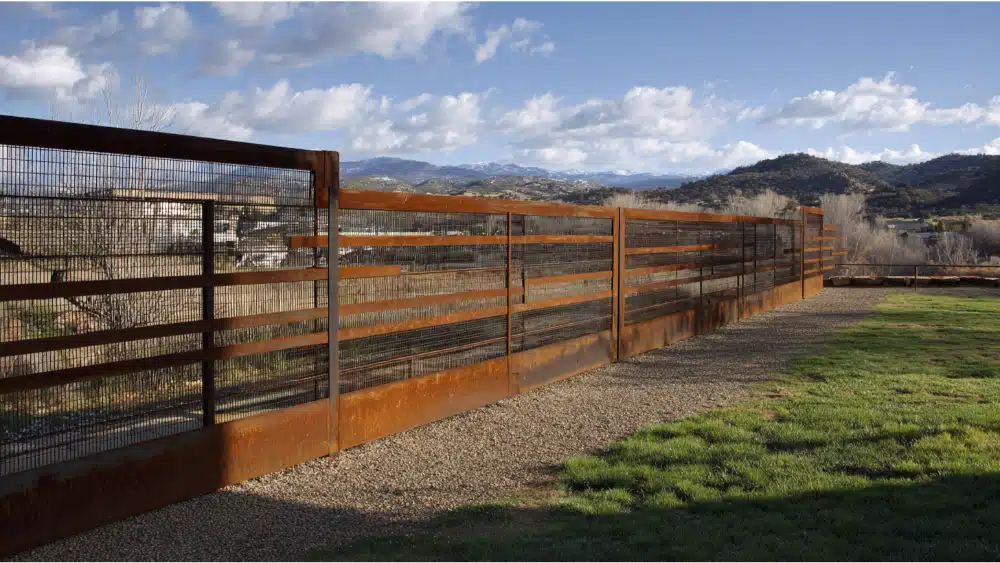
Choosing the right fence requires careful planning.
Choose Airflow Over Solid Panels When Possible
Open fence panels allow wind to pass through and reduce pressure during storms.
Ask About Post Strength and Installation Methods
Ask contractors about post materials, spacing, and concrete installation methods.
Work With a Fence Contractor Who Understands Wind Loads
Experienced installers understand the factors that affect wind resistance.
Consider Long Term Maintenance and Durability
Choose durable materials that require less maintenance and offer long lasting protection.
Steel Fence Maintenance, Simple and Long Lasting
Maintenance for steel fencing is straightforward compared to other fencing materials.
Rust Protection and Coatings
Protective coatings prevent rust and help maintain durability in harsh weather conditions.
Inspecting Posts After Severe Weather
After storms inspect posts, rails, and panels for loose fasteners or shifting.
Keeping Your Fence Looking New
Routine maintenance such as cleaning and inspections helps the fence remain strong and attractive.
FAQ, Steel Fencing for High Wind Areas
Are steel fences windproof
No fence is completely windproof. However properly engineered steel fencing systems offer excellent wind resistance and can withstand high winds better than many other fencing materials.
What wind speeds can a steel fence withstand
Wind resistance depends on installation quality, post spacing, and fence design.
Is steel fencing better than wood in windy areas
Steel fencing typically provides greater durability and stability than wood fences.
Do steel fences require concrete footings
Yes most installations use concrete footings to anchor posts securely in the ground.
Can I still have privacy with a steel fence
Yes steel posts can support privacy boards or panels while maintaining structural strength.
How long does a steel fence last
A well installed steel fence can remain durable and long lasting for decades.
Building a Fence That Stands Strong for Years
A well designed fence should protect your property, provide security, and stand strong through changing weather. In wind prone environments the right materials and installation make all the difference. Steel fencing combines durability, engineered strength, and reliable performance to help homeowners withstand high winds and hurricane conditions, reducing the risk of fences leaning or failing over time. With proper planning and installation, a steel fence can provide lasting protection for your property while maintaining beauty and security for years to come.