What Really Holds Your Fence Together
When most homeowners think about building a fence, they focus on the wood, the height, and how it will look around their yard. Very few think about the fasteners. But in every fence installation project, the fasteners are what quietly determine whether that fence stays strong for decades or starts failing far too soon. Choosing the best fasteners for wood fence installation is one of the most important decisions in fence construction, even though it is often overlooked. A wood fence depends on hundreds or even thousands of screws and nails working together. If the wrong ones are used, the fence can loosen, rust, or suffer structural failure long before the wood itself wears out.
Why Fasteners Matter More Than You Think
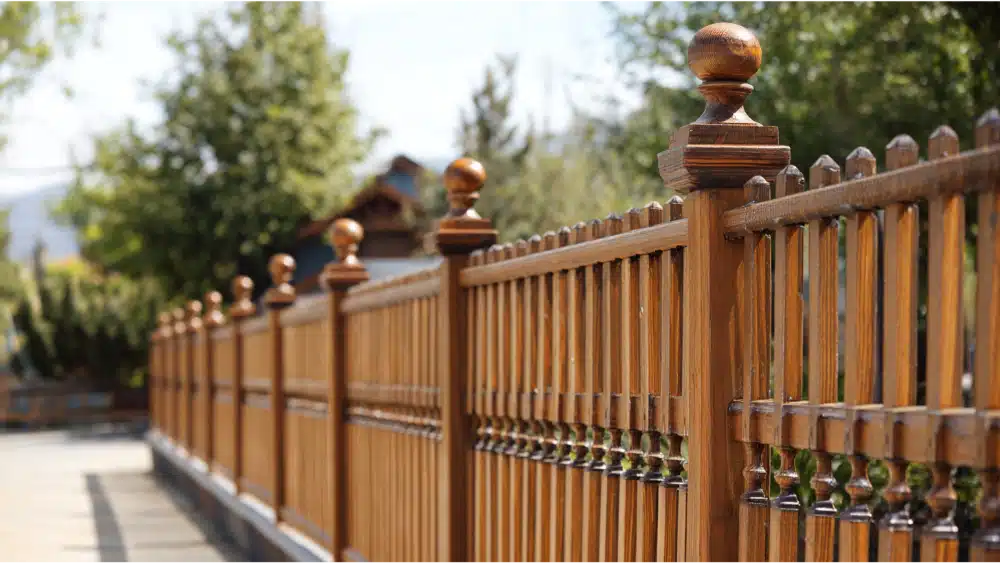
Every fence relies on fasteners to connect fence posts, rails, and fence pickets into one solid structure. Wind, rain, uv rays, and temperature changes constantly stress these connections. Wood naturally expands and contracts, especially pressure treated lumber and treated wood used outdoors. If fasteners do not have the proper holding power or corrosion resistance, the entire fence can weaken over time. Loose fence boards, leaning sections, and visible rust stains are usually signs that the correct fasteners were not used during installation. Using the right screws or nails from the beginning helps protect your investment and keeps your property lines secure and clearly defined.
The Two Main Types of Wood Fence Fasteners
In wood fence installation, fasteners generally fall into two categories, screws and nails. Both are used in modern fence construction, but they perform differently and serve different purposes.
Screws for Wood Fences
Screws are increasingly popular for fence installation because they provide superior holding power. Exterior wood screws grip wood fibers with threads, which makes them less likely to loosen over time. Screws are especially helpful when attaching rails to fence posts and when securing pickets that need to stay tight for years. They also make future repairs easier because boards can be removed without damaging surrounding wood.
Best Screw Types for Fence Installation
Galvanized screws are commonly used with pressure treated wood because they resist corrosion caused by wood preservatives. Hot dipped galvanized screws have a thicker protective coating and perform well in outdoor use, including areas with ground contact or high humidity. Stainless steel screws are highly resistant to rust and corrosion and are ideal for cedar, redwood, and untreated wood that contains natural tannins. Stainless steel fasteners also help maintain aesthetic appeal by preventing dark streaks around fastener heads. Exterior wood screws with polymer or ceramic coatings are another option designed to prevent rust and provide weather resistance.
Nails for Wood Fences
Nails are still widely used in fence installation, especially for installing fence pickets quickly. Many installers prefer nails because they allow slight movement as wood expands and contracts. This flexibility can help prevent splitting in certain situations.
Best Nail Types for Fence Installation
Ring shank nails are the most common nails used in fence construction. Their ridged design increases holding power compared to smooth nails. Galvanized nails and polymer coated nails are suitable for outdoor applications because they resist corrosion. Nails are often driven with power tools, which speeds up installation but requires care to avoid overdriving and damaging the wood.
Screws vs Nails for Wood Fences
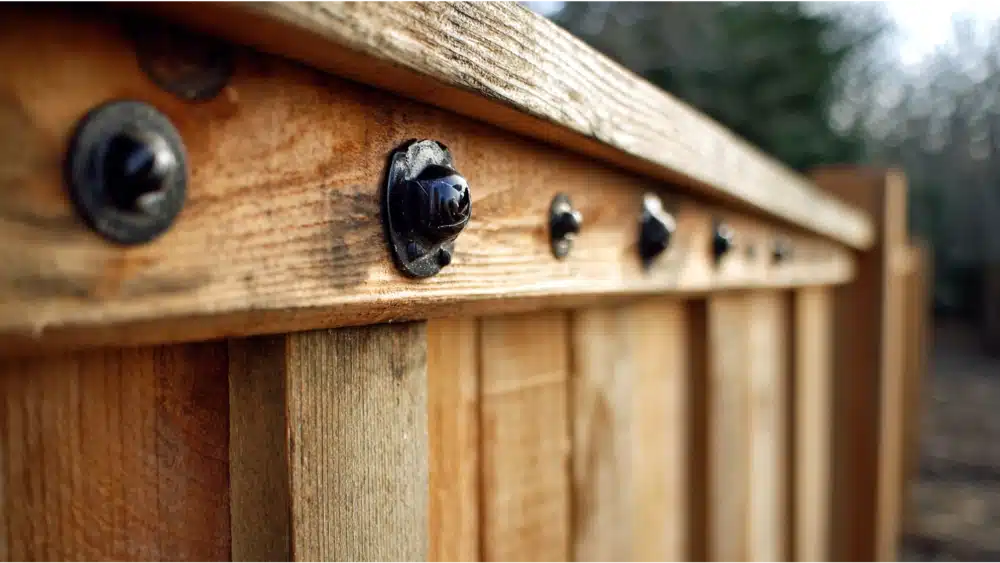
Choosing between screws and nails depends on priorities. Screws provide stronger connections and long term durability. They are less likely to loosen and are easier to replace during repairs. Nails install faster and cost less upfront, which can matter in large fence projects. However, nails can back out over time, especially if the wrong type is used. For many homeowners, screws are the best choice for a new fence because they offer reliability and peace of mind.
Choosing the Right Fastener Based on Fence Wood Type
Different wood types react differently with fasteners, so matching materials is critical.
Fasteners for Pressure Treated Wood
Pressure treated wood contains chemicals that protect against rot and insects. These chemicals can corrode certain metals. Hot dipped galvanized or stainless steel screws are recommended for pressure treated lumber. Using untreated fasteners with treated lumber can lead to rust and early failure.
Fasteners for Cedar Fences
Cedar is naturally resistant to decay but contains natural tannins that react with certain metals. Stainless steel fasteners are the safest choice for cedar fences because they prevent staining and corrosion.
Fasteners for Redwood Fences
Redwood behaves similarly to cedar. Stainless steel screws or nails help maintain the appearance of the wooden fence and protect against corrosion.
Climate Matters: Best Fence Fasteners for Your Environment
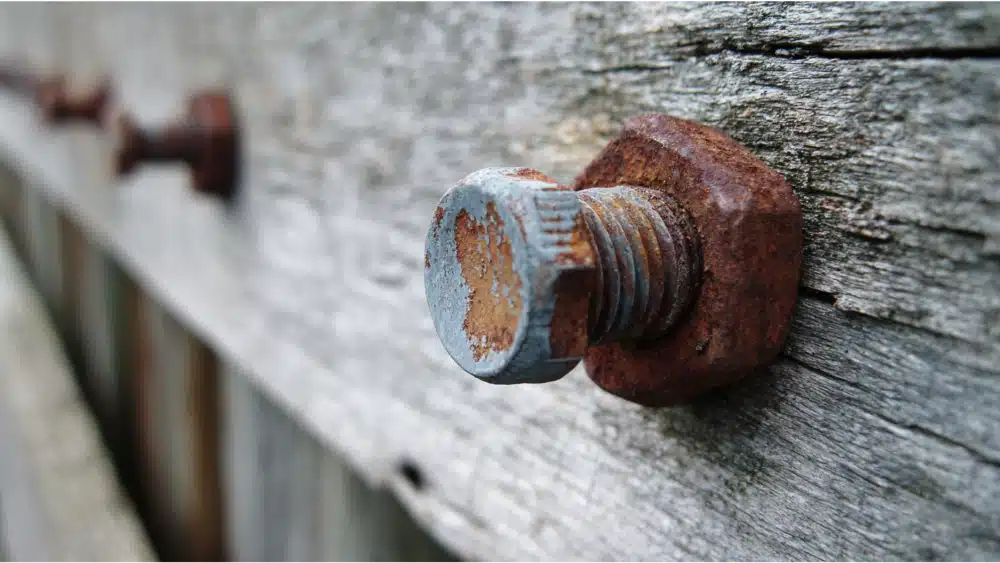
Climate has a major impact on fastener performance.
Fasteners for Rainy or High Moisture Areas
In areas with frequent rain or high humidity, corrosion resistance is essential. Stainless steel screws and hot dipped galvanized fasteners perform well in these conditions.
Fasteners for Hot and Dry Climates
In hot climates, wood movement is a major concern. Screws with strong threads help maintain holding power as wood expands and contracts.
Fasteners for Coastal or Salt Air Areas
Salt air accelerates rust. Stainless steel fasteners are highly resistant and often the best option near coastal environments.
Common Fence Fastener Mistakes Homeowners Make
Many fence problems come from simple mistakes. Using indoor screws for outdoor use is a common error. Choosing fasteners that are too short can weaken connections. Mixing incompatible metals and wood can cause corrosion. Failing to pre drill pilot holes can lead to splitting, especially near the ends of fence boards. Following manufacturer’s instructions and using correct fasteners helps avoid these issues.
How Many Fasteners Does a Wood Fence Need
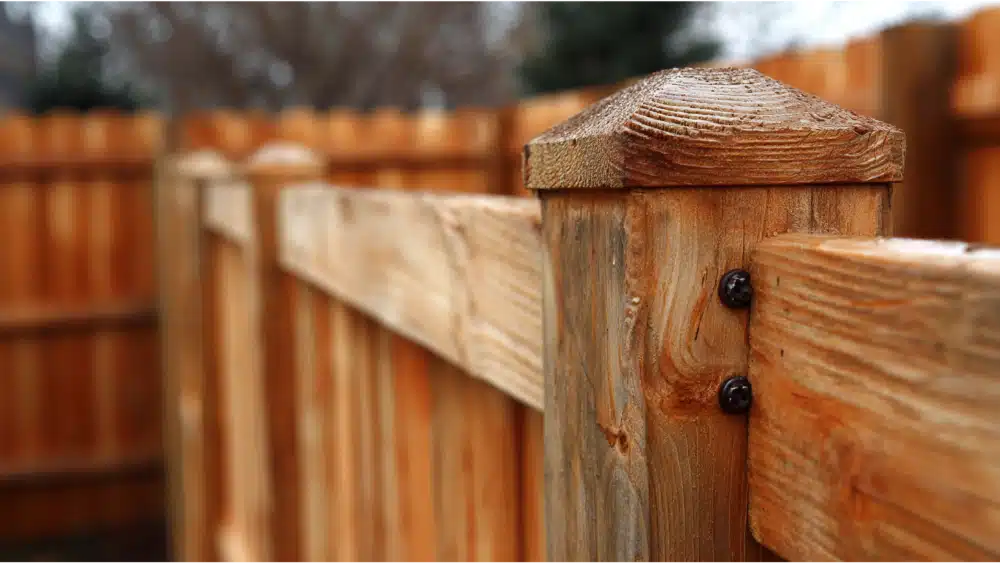
A typical wood fence installation uses two screws or nails per picket per rail. With multiple rails and hundreds of pickets, the total number of fasteners adds up quickly. Backer rails, fence posts, and gate hardware also require additional fasteners. Planning for extra fasteners is wise in case of mistakes or future repairs.
Do Better Fasteners Increase Fence Cost
High quality fasteners cost more initially, but they reduce maintenance and extend the life of the fence. Investing in the best screws and nails often prevents rust, loose boards, and structural failure. Over time, the savings from fewer repairs outweigh the upfront cost.
What Fasteners Professional Fence Installers Use
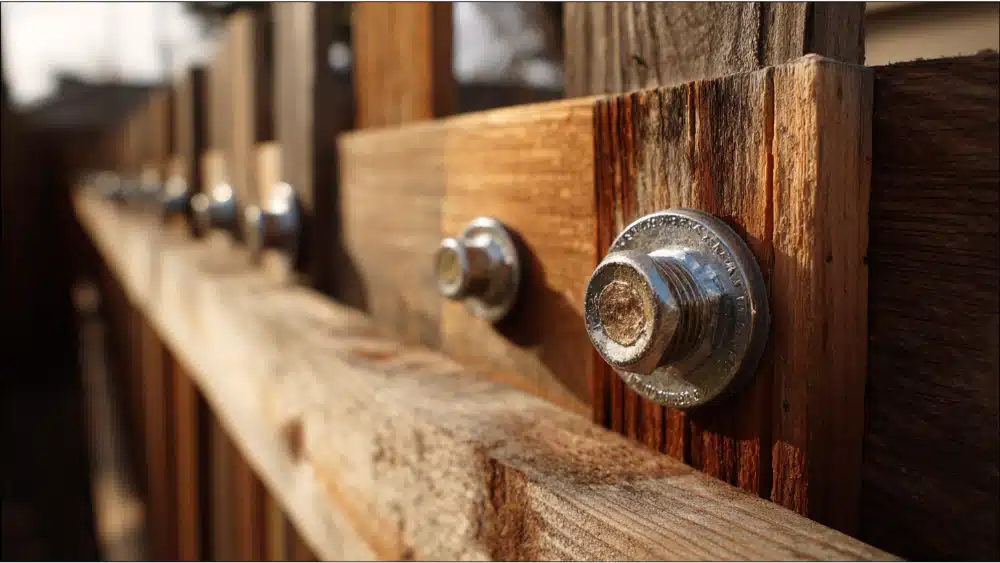
Professional installers choose fasteners based on performance, not just price. Stainless steel screws, galvanized screws, and exterior wood screws are commonly used because they provide reliable results. Consistency across the entire fence installation ensures even strength and appearance. Gate hinges and gate hardware also require fasteners designed for outdoor use and heavy loads.
Fence Installation Planning Considerations
Before starting a fence project, it is important to check local codes and local regulations. Height restrictions, setback requirements, and property lines can affect fence design. Checking for underground utilities is also essential before setting fence posts. Following local codes and manufacturer’s instructions helps ensure a safe and compliant installation.
Attaching Rails and Pickets Correctly
Attaching rails to fence posts requires strong fasteners with sufficient length to penetrate deeply without protruding. When attaching pickets, using two screws per connection helps secure pickets evenly. Pre drilling or pre drilling pilot holes can help prevent splitting, especially when working close to the edges of wood. Installing fence pickets carefully improves both strength and appearance.
Fence Fasteners and Long Term Performance
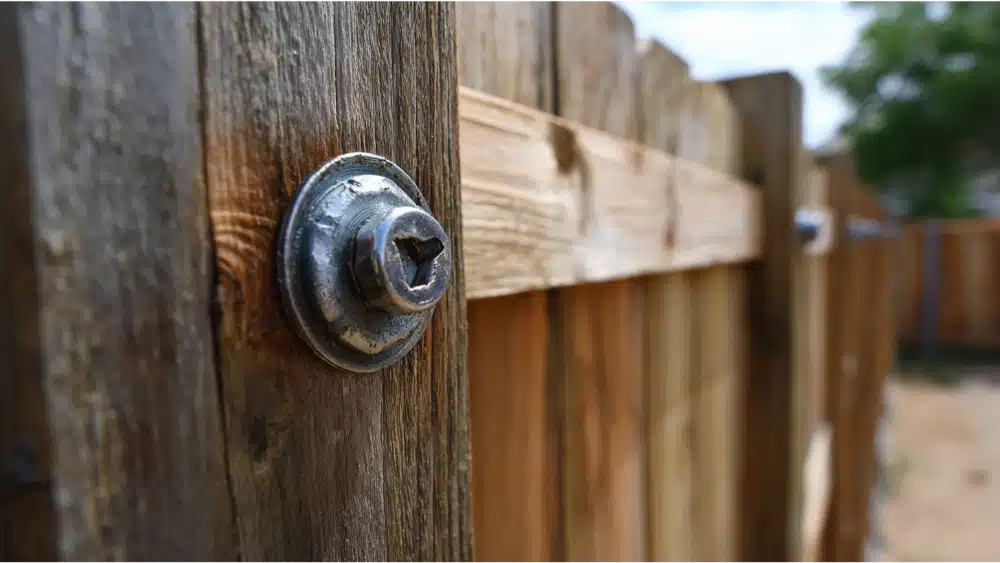
Fasteners must handle constant exposure to weather. Rust and corrosion weaken metal over time. Choosing fasteners designed for outdoor use improves weather resistance and long term durability. Highly resistant materials like stainless steel help protect against corrosion even in challenging environments.
Fence Height and Structural Strength
Taller fences experience more wind load, which places additional stress on fasteners. Using the right screws and nails becomes even more important as fence height increases. Strong fasteners help distribute forces evenly across rails and fence posts.
Building a Fence That Lasts
Building a fence is about more than just putting wood together. It is about creating a structure that protects your yard, enhances aesthetic appeal, and stands up to years of use. Using pressure treated wood where appropriate, choosing correct fasteners, and following proper installation practices all contribute to a successful fence installation.
Frequently Asked Questions (FAQs)
What type of fasteners are best for wood fence installation?
The best fasteners for wood fence installation are galvanized screws, hot dipped galvanized screws, and stainless steel screws. These materials offer excellent corrosion resistance and holding power, ensuring long-term durability and structural integrity.
How many screws or nails should I use per fence picket?
Typically, two screws or nails per picket per rail are recommended. This ensures that the pickets are securely attached and evenly supported to withstand weather and wear over time.
Should I pre drill pilot holes before installing screws?
Yes, pre drilling pilot holes is important, especially near the edges of fence boards or pickets. This helps prevent splitting and makes driving screws easier, resulting in a cleaner, more durable installation.
Can I use the same fasteners for all types of wood fences?
No, different wood types require specific fasteners. For example, stainless steel fasteners are best for cedar and redwood to prevent staining, while hot dipped galvanized screws are recommended for pressure treated wood to resist corrosion from wood preservatives.
How can I prevent rust and corrosion on fence fasteners?
Using corrosion-resistant fasteners such as stainless steel, hot dipped galvanized, or polymer-coated screws is key. Additionally, avoid mixing incompatible metals and always follow manufacturer’s instructions for installation to maximize rust prevention.
Final Thoughts
A strong fence depends on details that are easy to overlook. Fasteners may be small, but they play a huge role in performance. By choosing the best fasteners for wood fence installation, you protect your fence from rust, corrosion, and premature failure. From securing pickets to attaching rails and supporting gate hardware, the right fasteners make all the difference. A well built fence brings confidence, security, and pride to your home, and it all starts with the right choices from the ground up.