If you live in an area where rain is common, mornings feel damp, and the ground rarely stays dry for long, it is completely reasonable to wonder how long does a wood fence last in wet climates. Many homeowners love the warmth and character that a fence made from wood brings to their yard, but they also worry about rot, insects, and whether the investment will hold up over time.Those concerns are valid. Moisture can affect wood more than almost any other environmental factor. Still, not all wood performs the same, and not all fences are built the same. With the right wood, proper installation, and thoughtful care, a wooden fence can stand strong and beautiful for many years, even in wet climates.This guide walks through what really determines the lifespan of a wood fence, what shortens it, and how homeowners protect their fence line for the long haul.
What Counts as a Wet Climate for Fencing?
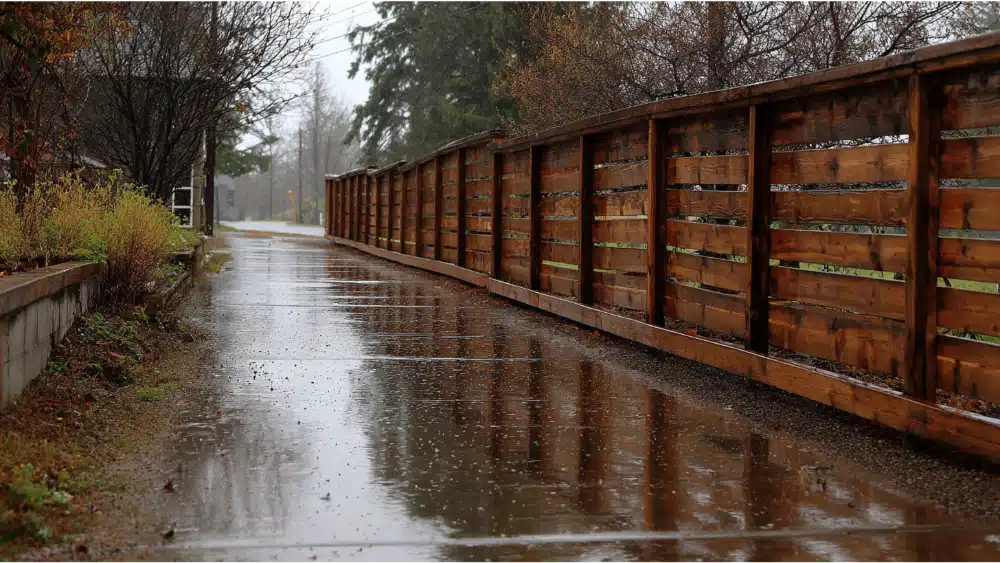
Wet climates are not defined only by heavy rain. They also include places with high humidity, frequent fog, long rainy seasons, shaded yards that dry slowly, and soil that holds water near the surface. The Pacific Northwest is a classic example, but many neighborhoods across Northern California and coastal regions experience similar moisture exposure.In these areas, ground moisture and constant exposure to damp conditions create the perfect environment for rot, mildew growth, and insect damage. Local climate plays a major role in how long a fence will last, especially when wood is the chosen fencing material.
Average Lifespan of a Wood Fence in Wet Climates
So, how long does a wood fence last in wet climates on average? Most experts agree the lifespan of a wood fence in these conditions typically ranges from 10 to 20 years. The wide range exists because several factors influence the fence’s lifespan, including the type of wood, how the fence is installed, and how well it is cared for over time.A poorly built fence using untreated wood can fail in just a few years. A well maintained fence made from the right wood species and installed correctly can last two decades or longer. Understanding these differences helps many homeowners make confident decisions instead of guessing.
How Moisture Damages Wood Fences Over Time
Rot and Wood Decay
Wood rot occurs when wood stays damp long enough for fungi to break down its fibers. Ground contact is the most common starting point. Fence posts that sit below the soil line are especially vulnerable. Once rot sets in, structural integrity is compromised, even if the fence panels above ground still look fine.
Mold, Mildew, and Fungal Growth
Mildew growth and surface mold thrive where wood can absorb moisture but cannot dry out fully. Shaded yards, tight board spacing, and poor airflow allow moisture exposure to linger. Over time, this affects wood strength and appearance.
Warping, Swelling, and Cracking
Wood expands when wet and contracts when dry. In wet climates, that cycle happens repeatedly. This movement can loosen fasteners, create loose boards, and lead to cracks that allow even more water to enter. Constant exposure accelerates wear and shortens the fence’s life.
Which Wood Types Last Longest in Wet Climates?
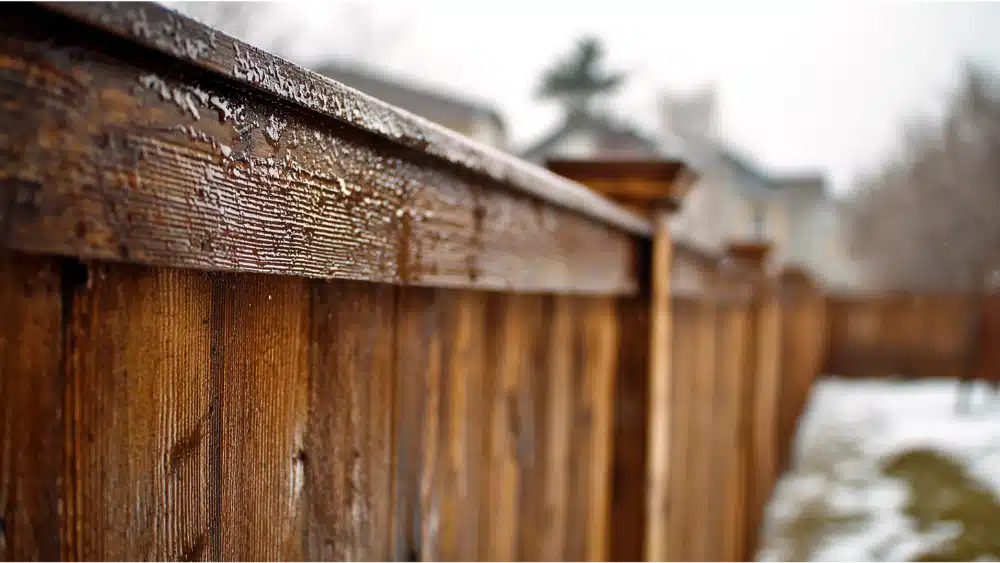
Not all wood performs the same. The type of wood chosen has a direct impact on how long a fence last in damp environments.
Cedar Fences
A cedar fence is popular in wet climates because cedar contains natural oils that help resist rot and insects. Those natural oils provide natural resistance without chemical treatment. With proper care, cedar fences commonly last 15 to 20 years, even where moisture is frequent. Cedar is a natural material that balances durability and natural beauty.
Redwood and Exotic Hardwoods
Redwood and some exotic hardwoods offer excellent weather resistance. Their dense structure and natural tannins make them naturally resistant to decay. In wet climates, these wood species can reach 20 to 25 years or more when maintained. Exotic hardwoods are often chosen for their extended lifespan and rich appearance, though they come with a higher upfront cost.
Pressure Treated Pine
Pressure treated pine is widely used due to its lower upfront cost. Pressure treated wood is infused with preservatives that help resist rot and insect infestations. In wet climates, pine fences made from pressure treated lumber generally last 10 to 15 years. They require regular maintenance to reach the upper end of that range.
Untreated Wood and Other Softwoods
Untreated wood does not perform well in wet climates. Without preservatives or natural resistance, it can absorb moisture quickly and fail in just a few years. Not all wood is suitable for fencing in damp conditions, which is why wood type matters so much.
Installation Matters More Than Most Homeowners Realize
Post Depth and Proper Drainage
Fence posts are the foundation of the entire structure. Installing posts at the correct depth with gravel and proper drainage helps prevent water from sitting against the wood. Poor drainage leads to rot at ground contact, even when the rest of the fence looks healthy.
Airflow and Proper Spacing
Proper spacing between boards allows air to circulate and moisture to evaporate. When boards are packed too tightly, they trap moisture, creating the perfect environment for decay. Proper spacing supports weather resistance and helps the fence dry after rain.
Why Professional Installation Extends Fence Life
Proper installation accounts for slope, soil conditions, wind resistance, and drainage patterns. An installed correctly fence is far more likely to reach its expected lifespan. Many failures trace back to shortcuts taken during installing posts or setting fence panels too close to the ground.
Maintenance: The Difference Between 10 Years and 20 Plus Years
Staining and Sealing
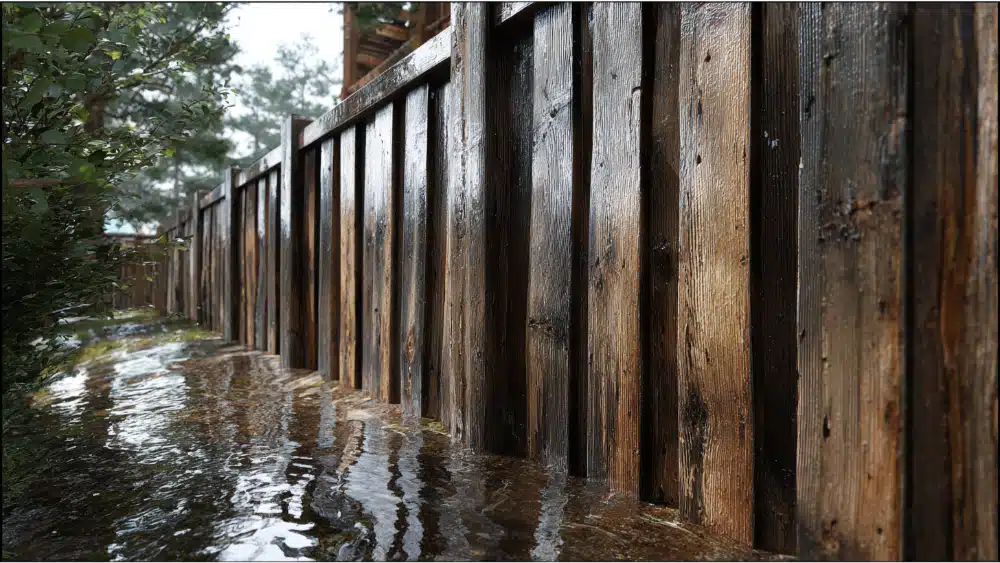
Applying a protective sealant or stain adds a protective layer that slows moisture absorption. In wet climates, sealing every two to three years helps preserve the wood’s natural color and strength.
Cleaning and Regular Inspections
Regular inspections catch early signs of trouble. Checking for soft spots, insect damage, mildew growth, and loose boards allows homeowners to address problems before they spread. Regular maintenance adds years to a fence’s life.
Small Repairs That Matter
Replacing a damaged board, improving drainage around posts, or tightening hardware may seem minor, but these actions prevent larger failures. Proper maintenance is one of the most cost effective ways to protect a fence.
How Long Do Fence Posts Last in Wet Soil?
Fence posts take the brunt of moisture exposure. Pressure treated posts typically last 10 to 15 years in wet soil. Steel posts offer a longer-lasting alternative. Steel posts do not rot and can significantly extend the lifespan of a wood fence when used beneath wooden fence panels. Steel fencing components or steel posts wrapped in wood combine strength with natural beauty.
Wood vs Vinyl vs Composite in Wet Climates
Wood Fences
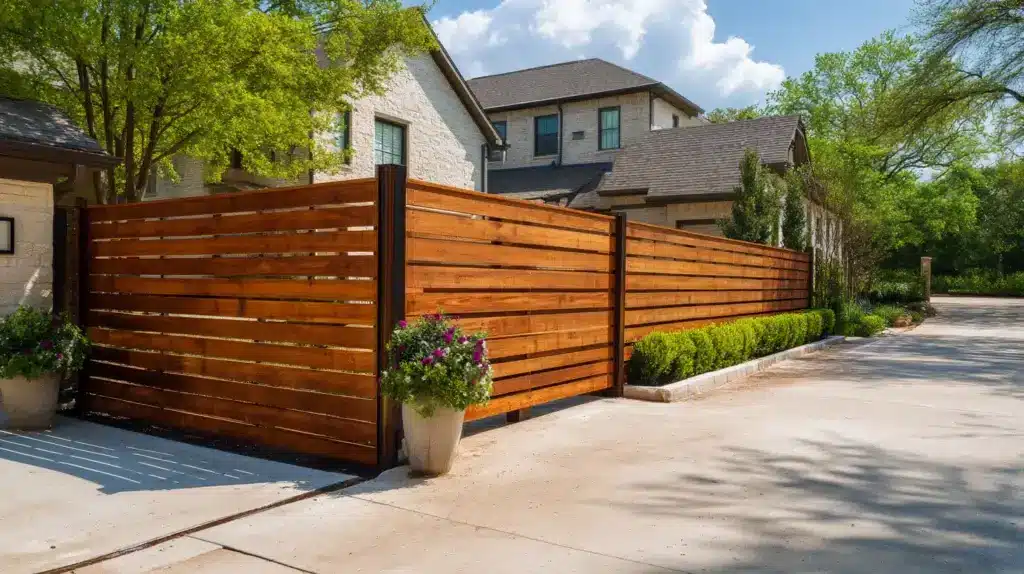
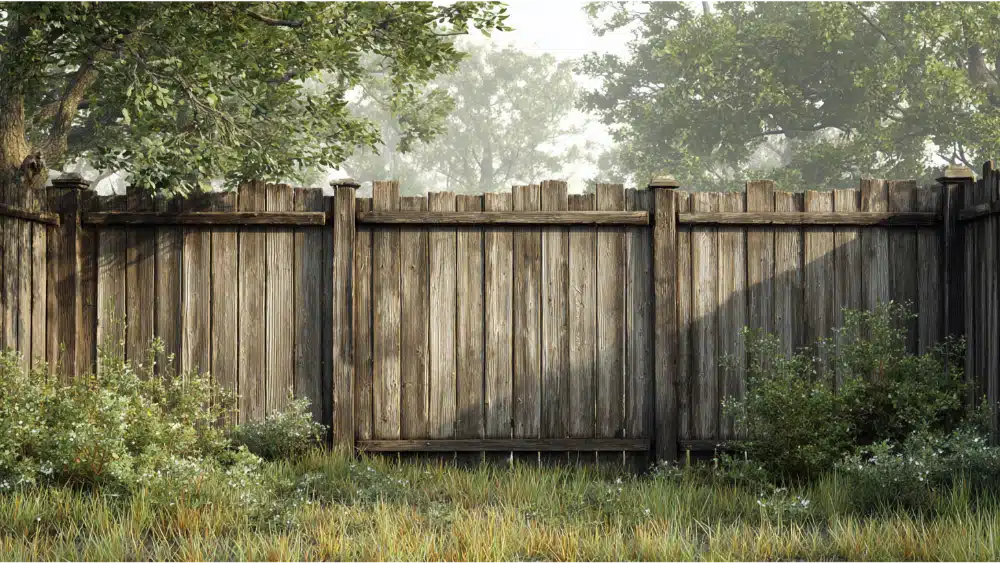
Wood fences offer warmth, charm, and curb appeal that many homeowners value. They require proper care and regular maintenance, especially in wet climates. When well built, they remain a dependable fencing option.
Vinyl and Composite Fences
Unlike wood, vinyl does not absorb moisture and requires less maintenance. Composite fencing also performs well in damp environments. These options offer low maintenance and strong weather resistance, but they lack the feel of a natural material and often come with higher costs.
Cost Reality: Is Wood Still Worth It in Wet Climates?
In 2025, wood fencing remains a cost effective option for many homeowners. Pine fences and pressure treated pine offer a lower upfront cost, while cedar and exotic hardwoods cost more but deliver longer service life. The right wood choice balances budget, appearance, and expected fence last timeline. For many homeowners, the natural beauty and flexibility of wood outweigh the need for occasional upkeep.
Signs Your Wood Fence Is Reaching the End of Its Life
Early signs of failure include soft or crumbling boards, leaning sections, and persistent mildew growth. Carpenter ants and other insect infestations may appear where moisture has weakened the wood. Loose boards and visible rot near the soil line are indicators that the fence’s lifespan is nearing its end.
Can You Make a Wood Fence Last Longer in a Wet Climate?
Yes, you can. Choosing the right wood, using pressure treated wood where appropriate, ensuring proper installation, and committing to regular inspections all contribute to an extended lifespan. Avoid direct contact between wood and soil where possible. Maintain a protective sealant and address moisture exposure early. These steps help a fence resist rot and maintain structural integrity.
FAQs About Wood Fences in Wet Climates
How long does a cedar fence last in a rainy climate?
A cedar fence typically lasts 15 to 20 years in wet climates when properly installed and maintained.
Will sealing a fence really help?
Yes. Sealing creates a protective layer that slows moisture absorption and reduces damage.
Is pressure treated wood enough for wet areas?
Pressure treated wood improves durability, but it still needs proper care, drainage, and inspections.
How often should a fence be inspected?
Annual inspections are ideal, especially after harsh weather conditions.
Should I replace wood with another fencing option?
It depends on your priorities. Wood offers natural beauty and flexibility, while other fencing options offer low maintenance.
From Worry to Confidence
A wet climate does not mean a wood fence is a poor choice. It means details matter more. The right wood type, thoughtful design, proper spacing, and consistent care turn a vulnerable fence into a durable one. Many homeowners find that a well maintained fence brings pride, privacy, and lasting value to their property.A fence is more than a boundary. It protects what matters and frames your home. With the right approach, even in wet climates, a wood fence can stand strong for years to come.