A fence is more than boards and posts, it is part of how your home feels every day. It protects your space, frames your yard, and quietly supports your family’s sense of safety and pride. Many homeowners install a wood fence expecting it to last, but time, weather, and neglect can shorten its fence life faster than expected. That is why having a clear wood fence maintenance checklist matters. With regular attention, proper care, and simple habits, wooden fences can stay strong, attractive, and reliable for many years. This guide is designed to walk you through fence maintenance in a calm, practical way so your fencing investment keeps paying you back.
Why Wood Fence Maintenance Matters More Than You Think
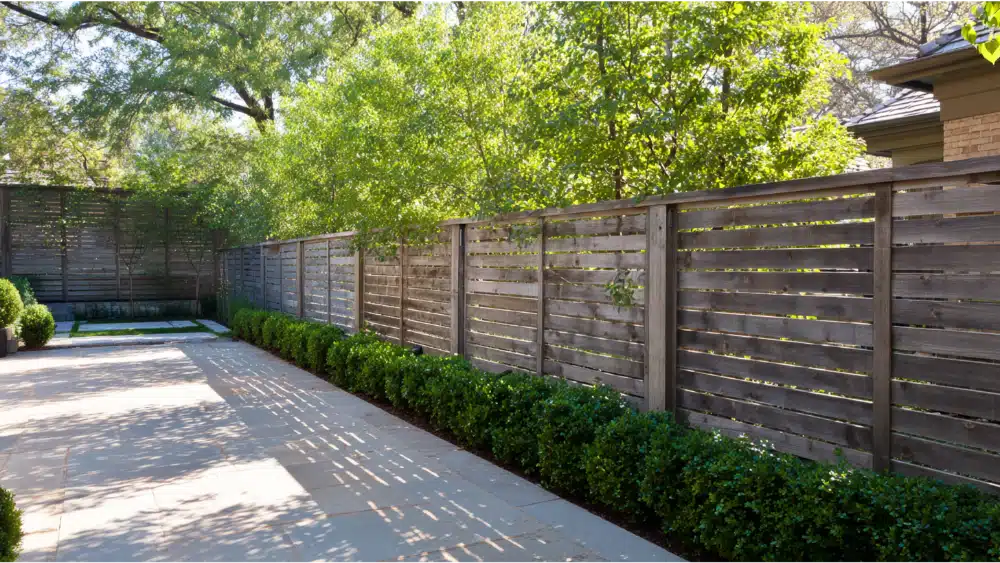
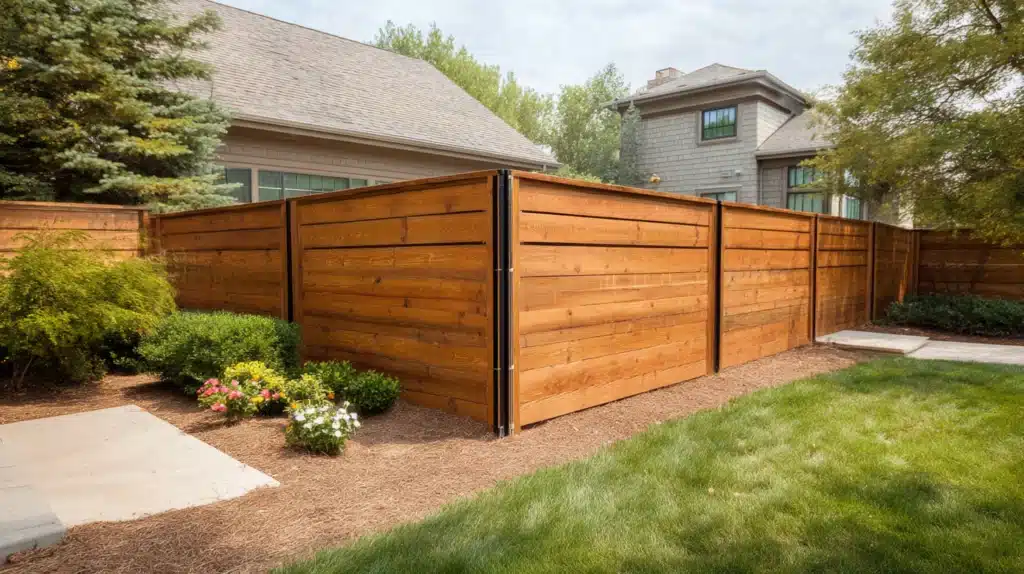
Wood is durable, but it is not indestructible. A wood fence faces sun damage, heavy rains, winter weather, and moisture buildup year after year. Without proper fence maintenance, small problems slowly turn into costly repairs. Fence posts begin to weaken, loose boards appear, and wood rot can take hold near ground level. Many homeowners do not realize that regular maintenance can double a fence’s lifespan. Compared to metal fences, vinyl fence options, or chain link fences, wooden fences need more hands on care, but they also offer warmth, privacy, and curb appeal that many other fence materials cannot match. When you maintain a fence regularly, you protect the entire fence structure and keep it looking strong instead of tired.
The Ultimate Wood Fence Maintenance Checklist (2025)
A good fence maintenance checklist helps you stay ahead of problems before they grow. Think of this as a routine that supports proper fence maintenance, not a one time project.
Annual Wood Fence Inspection Checklist
Once a year, walk the fence line slowly and look closely. Check fence posts for loose posts, leaning posts, or signs of wood rot at the base. Posts are the backbone of the fence, and early issues here often lead to major problems later. Look at rails and connection points to ensure everything feels solid. Inspect boards for warped boards, damaged boards, or loose boards that may allow increased moisture to enter. Pay attention to loose nails or fasteners that have backed out. These small details affect smooth operation of gates and overall stability. Walk both sides of the fence if possible and inspect the entire fence, not just the side you see most often.
Cleaning Your Wood Fence the Right Way
Cleaning is a core part of fence maintenance. Dirt, algae, and mildew can hold moisture against the wood and trap moisture where it causes damage. Once a year is usually enough. Start with a garden hose to rinse off loose debris. Use a soft brush with a mild soap solution or mild detergent to scrub problem areas. Avoid harsh chemicals that strip protective coatings from the wood. A pressure washer or power washer can be used carefully, but keep the setting low to avoid damaging wood fibers. Gentle cleaning supports proper care and prepares the fence for protective coatings later.
Sealing and Staining Checklist
Every few years, a fresh coat of sealer or stain protects the wood from uv radiation and intense heat. This step is essential for wood fence maintenance. If water no longer beads on the surface, the wood needs protection. Stains add color while sealers focus on moisture resistance. Applying a fresh coat evenly helps protect the entire fence and slows flaking paint or fading. Protective coatings are one of the best ways to extend a fence’s lifespan and maintain top shape over time.
Ground and Moisture Control Checklist
Moisture is the enemy of wood. Soil, mulch, and falling leaves near ground level can hold moisture and cause wood rot. Keep the fence clear with two to three inches of space between boards and soil. Improve drainage where water pools, especially after heavy rains. Check for increased moisture around posts and address issues early. Sprinklers should not constantly spray the fence. This step alone prevents many costly repairs and helps maintain fence life.
Seasonal Wood Fence Maintenance Checklist
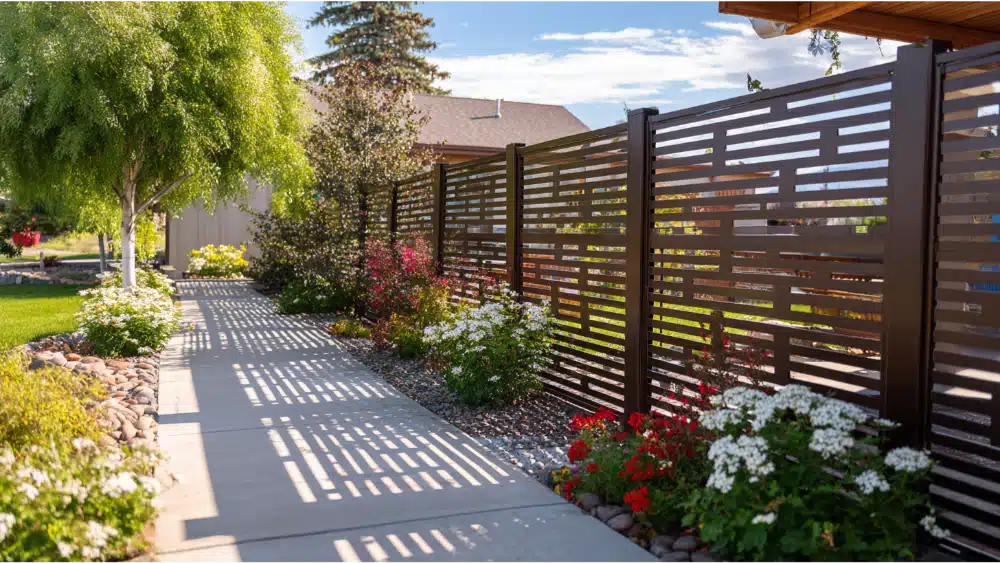
Breaking fence maintenance into seasons makes it easier and more realistic for busy homeowners.
Spring Fence Maintenance Checklist
Spring is ideal for inspections and cleaning. Remove debris, check for winter damage, tighten loose nails, and repair damaged boards. Spring cleaning with a garden hose and soft brush refreshes the fence and prepares it for warmer months.
Summer Fence Maintenance Checklist
Summer heat and sun damage make this the best time for sealing or staining. Choose dry days and avoid intense heat during application. Summer maintenance tasks help protect the fence from uv radiation and drying conditions that can warp boards.
Fall Fence Maintenance Checklist
Fall is about preparation. Remove falling leaves, trim plant life, and cut back tree limbs that may rub against the fence. Check drainage before heavy rains arrive and make sure the fence clear of debris that could cause moisture buildup.
Winter Fence Maintenance Checklist
When winter arrives, focus on monitoring. Winter conditions and winter weather can loosen posts or damage boards. After storms, inspect for winter damage and heavy snow or rain effects. Avoid major repairs when soil is saturated, but address visible issues quickly.
Common Wood Fence Problems and What They Mean
A leaning fence often signals loose posts or soil erosion. Warped boards usually indicate uneven moisture or sun exposure. Dark spots near ground level often mean wood rot. Rust spots on hardware suggest the need for rust resistant coating. Flaking paint shows it is time for a fresh coat. These signs are warnings, not failures. Address issues early to protect fence life and avoid major problems later.
DIY vs Professional Fence Maintenance
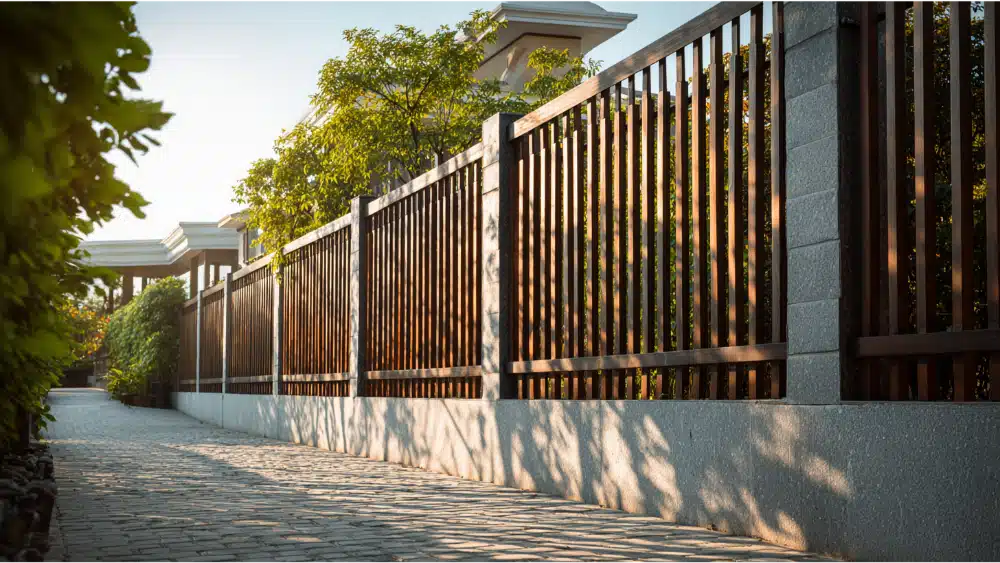
Many maintenance tips are safe for homeowners. Cleaning, sealing, replacing loose boards, and trimming plant life are manageable tasks. Structural repairs involving fence posts, concrete, or widespread rot often require professional help. Knowing when to call for support protects your fencing investment and ensures smooth operation long term.
How Maintenance Extends Fence Life
Proper fence maintenance can extend a wood fence from seven years to fifteen or more. Regular maintenance keeps wood strong, connection points secure, and moisture under control. Compared to low maintenance options like vinyl fence systems or metal fences, wooden fences reward attention with beauty and warmth. When cared for, they remain a strong part of your home’s identity and curb appeal.
Fence Maintenance Across Fence Types
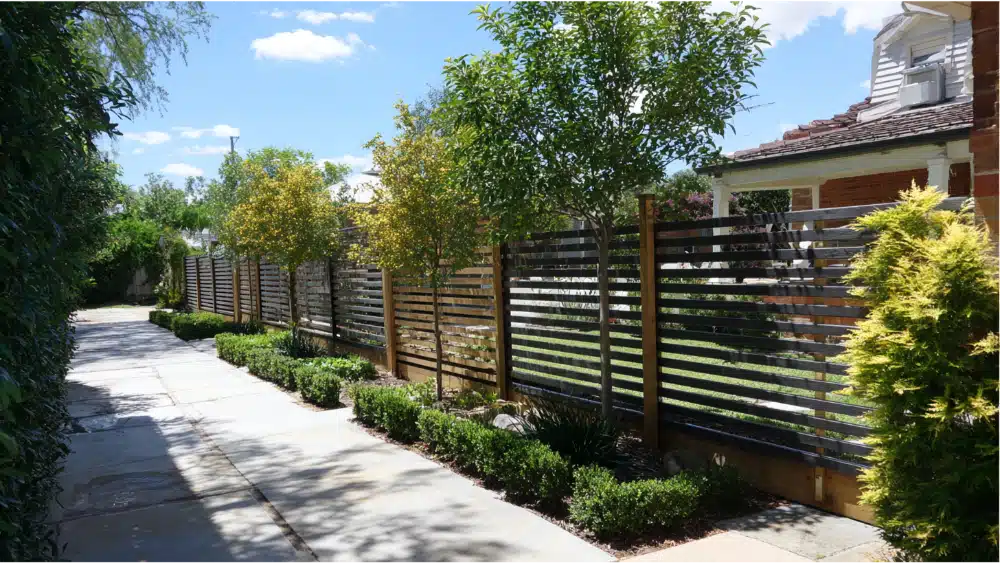
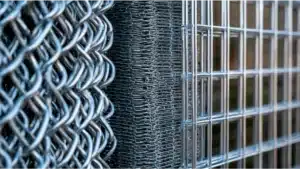
Different fence type options require different approaches. Wooden fences need sealing and inspections. Vinyl fence systems focus on cleaning and checking connection points. Chain link fences need rust prevention and tension checks. Metal fences benefit from rust resistant coating to protect metal fences from corrosion. Understanding fence materials helps you apply the right maintenance checklist to the right fence.
FAQs About Wood Fence Maintenance
How often should fence maintenance be done?
Fence maintenance should include quarterly inspections, annual cleaning, and sealing every few years depending on climate and exposure.
Can a pressure washer be used safely?
Yes, but carefully. Use low pressure and keep distance from the wood to avoid damage.
What causes wood rot most often?
Wood rot is caused by moisture buildup, ground contact, and areas that hold moisture for long periods.
Is fence maintenance worth the effort?
Absolutely. Regular maintenance prevents costly repairs, improves fence life, and protects your fencing investment.
A Final Neighborly Reminder
A fence quietly does its job every day. With a thoughtful wood fence maintenance checklist, a little time each year, and regular maintenance habits, you protect something that protects you. Keep the fence clear, stay aware of changes, and respond early. Proper care keeps your fence strong, safe, and something you are proud to see every time you step outside.