If you have ever stood in your yard and wondered what is the strongest type of fencing, you are not alone. Many homeowners ask this question when safety, durability, and long term value become a top priority. A fence is not just a boundary. It is protection for your family, your pets, and your property. The strongest fence is the one that holds steady through time, weather, and everyday life, while still fitting the way you live.
This guide breaks down the strongest fence materials available in 2025, explains how different types of fencing perform, and helps you make an informed decision for your residential property. Strength is not only about material. It is about design, installation, and how the fence is cared for over the years.
First, Let’s Define “Strong” (Because It Means Different Things to Different Homes)
Before choosing the strongest type, it helps to understand what fence strength really means. Fence strength is not one single trait. It is a combination of several key factors.
Structural Strength and Fence Height
Structural strength refers to how well a fence resists bending, breaking, or leaning. Fence height plays a role here, because taller fences face more wind pressure and leverage. Steel posts, proper spacing, and quality footings all increase a fence’s strength when installed properly.
Security Strength and Maximum Security Needs
Security strength is about preventing unwanted entry and providing security. High security fences are designed to resist climbing, cutting, and forced entry. Many homeowners choose fencing options that offer excellent security and are even used on commercial properties and government buildings.
Weather Strength and High Winds
A strong fence must withstand high winds and strong winds without failing. Designs that allow airflow reduce wind pressure and help the fence last longer in harsh conditions. Metal fencing systems are especially effective in areas that experience high winds.
Emotional Strength and Peace of Mind
A fence should make you feel confident. When you know your fence is incredibly strong and reliable, you stop worrying and start enjoying your yard.
The Strongest Fence Materials Ranked for 2025
There are many fencing material options on the market. Below are the strongest fence materials homeowners consider today.
Steel Fences and Wrought Iron Fencing
Steel fences consistently rank among the strongest type of fencing for residential properties. Modern steel fencing systems are engineered for maximum strength and long term durability. Steel is incredibly strong, resists impact, and holds its shape over decades.
Wrought iron fencing is often mentioned alongside steel fences. True wrought iron is made from malleable iron, which allows for intricate designs and aesthetic appeal. Many modern wrought iron fences are actually steel designed to look like iron. Both options provide high security and are known for offering maximum security.
Steel fences and wrought iron fencing are commonly seen around high security properties, commercial properties, and even government buildings. With proper coatings to prevent corrosion and rust, steel fencing requires minimal maintenance and offers excellent security.
Pros include durability, curb appeal, and strong resistance to harsh conditions. Cons include higher upfront cost and less privacy unless paired with other materials.
Chain Link Fence and Galvanized Steel
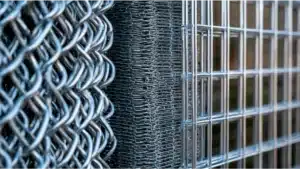
A chain link fence is one of the most durable and cost effective fence options available. Made from galvanized steel, chain link fencing is surprisingly durable and capable of handling heavy impact. The strength of chain link depends on wire gauge and steel posts.
Chain link is widely used on residential properties and commercial properties because it provides security at a low cost. While it does not offer privacy on its own, it is incredibly strong and easy to maintain. Chain link fences are known for low maintenance requirements and long term durability.
This type of fencing performs well in strong winds because it allows airflow, reducing wind pressure on the structure.
Aluminum Fencing
Aluminum fencing is lighter than steel but still a durable option. It resists corrosion and rust, making it suitable for areas with moisture or coastal air. Aluminum fencing offers good strength and low maintenance, though it is not as impact resistant as steel.
Homeowners appreciate aluminum fencing for its clean look, aesthetic appeal, and very low maintenance. It can withstand high winds when designed with spacing that allows airflow.
Vinyl Fences and Reinforced Vinyl
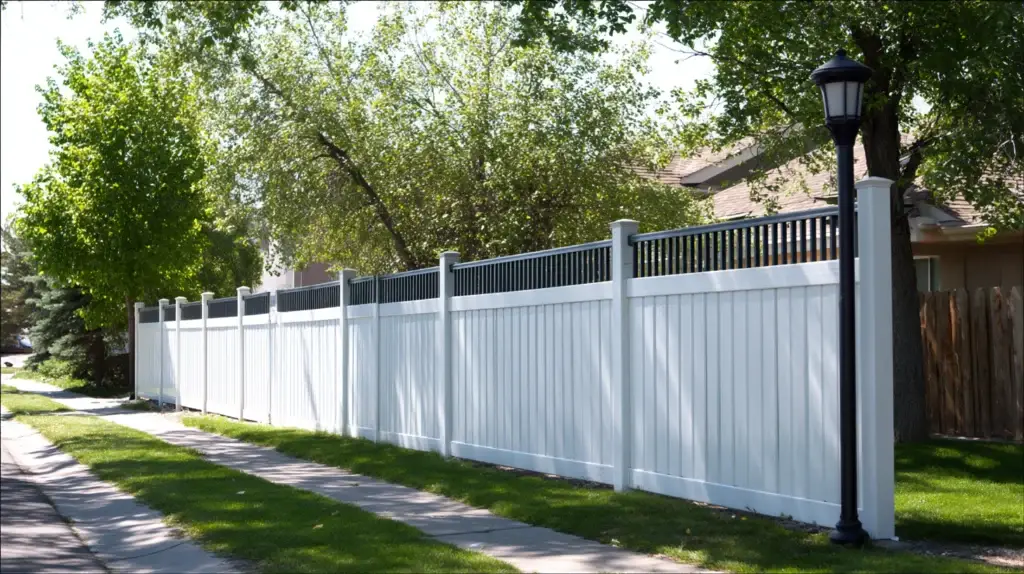
Vinyl fences have improved significantly in recent years. Reinforced vinyl fencing uses internal supports to increase fence strength. Vinyl is resistant to moisture, insects, and corrosion, making it a low maintenance fencing material.
Vinyl fences are popular privacy fences for a backyard fence because they provide a clean look and require minimal maintenance. While vinyl is not the strongest material for impact, reinforced vinyl can be a durable option when installed properly.
Vinyl fencing does not require painting and is easy to care for, making it ideal for busy homeowners.
Wood Fence Options
A wood fence remains a classic choice for many homeowners. Wood fencing can be strong when built with quality wood, steel posts, and proper care. Cedar and redwood are popular wood options because they resist decay better than other materials.
Wood fences offer warmth and curb appeal, but they require regular maintenance. Without proper care, wood can rot, warp, or weaken over time. A well built wood fence can still be a strong fence, especially for privacy fences, but it demands attention.
Concrete Fencing
Concrete fencing is one of the strongest materials available. Concrete fences offer maximum strength, excellent security, and resistance to harsh conditions. Concrete is often used for sound walls, perimeter security, and high security areas.
While concrete fencing is extremely durable, it comes with higher costs and limited design flexibility. It is often chosen when maximum security and durability outweigh aesthetic concerns.
Electric Fence Considerations
An electric fence is sometimes added to other fencing types for offering maximum security. Electric fencing is not typically used alone in residential settings but can provide security when paired with other materials. It is more common in rural or agricultural areas.
Strength Is Not Just About Material
The strongest fence is a system. Even the strongest type of fencing can fail if it is not installed properly.
The Role of Steel Posts
Steel posts significantly increase fence strength. They provide stability and help the fence withstand strong winds and shifting soil.
Installation and Proper Care
A fence installed properly will last far longer than one that is rushed. Proper care and occasional maintenance help ensure the fence lasts and maintains its strength over time.
Design Choices That Matter
Fence height, spacing, and layout all affect durability. Designs that allow airflow reduce stress during high winds.
Strongest Fence for Common Homeowner Needs
Strongest Fence for Security
Steel fences, wrought iron fencing, and concrete fencing are top choices for high security and providing security. These materials are often used where excellent security is required.
Strongest Fence for High Winds
Chain link, aluminum fencing, and steel fencing systems that allow airflow are best suited to withstand high winds.
Strongest Fence for a Backyard Fence
For a backyard fence, reinforced vinyl, composite, and well built wood fences balance privacy and durability.
Strongest Fence for Low Maintenance Living
Vinyl fences, aluminum fencing, and steel fences offer low maintenance or very low maintenance options. These materials are ideal for busy homeowners who want minimal maintenance.
Cost, Maintenance, and Long Term Value

A cost effective fence balances strength, durability, and maintenance. Chain link is often the low cost choice with excellent durability. Vinyl and aluminum offer low maintenance and long term durability with moderate costs. Steel and concrete cost more upfront but deliver maximum strength and longevity.
Maintenance requirements vary widely. Wood requires regular maintenance and proper care. Steel fences may require painting or coatings to prevent corrosion. Vinyl and aluminum have minimal maintenance needs.
How to Choose the Right Fence
Choosing the right fence means matching your priorities with the right fencing material. Consider security, durability, maintenance, aesthetic appeal, and budget. The strongest fence for one property may not be the strongest fence for another.
An informed decision comes from understanding how each type of fencing performs over time.
Frequently Asked Questions (FAQs)
What is the strongest type of fencing for security?
Steel fences and wrought iron fencing are considered the strongest options for maximum security. They offer durability, resistance to forced entry, and long-term reliability, making them ideal for protecting residential and commercial properties.
Which fencing material requires the least maintenance?
Vinyl fences and aluminum fencing are known for their low maintenance requirements. They resist rot, rust, and corrosion, and typically only need occasional cleaning to maintain their appearance and strength.
Can a fence withstand high winds?
Yes, fences made from steel, chain link, and aluminum are designed to withstand high winds. Additionally, designs that allow airflow, such as chain link fences, help reduce wind pressure and prevent damage during storms.
How long does a typical fence last?
The lifespan of a fence depends on the material and maintenance. Steel and wrought iron fences can last 60 to 100 years with proper care. Vinyl and aluminum fences generally last 10 to 30 years, while wood fences last around 10 to 15 years with regular upkeep.
Is concrete fencing a good option for privacy and security?
Absolutely. Concrete fencing provides maximum strength, excellent security, and privacy. It is highly durable and resistant to harsh weather conditions, making it suitable for high-security areas and sound barriers.
Final Thoughts on the Strongest Type of Fencing
So, what is the strongest type of fencing? For most homeowners, steel fences and wrought iron fencing rank at the top for strength, security, and durability. Chain link fencing offers incredible strength at a low cost. Concrete fencing delivers maximum strength where security is the top priority. Vinyl fences, wood fences, and aluminum fencing each provide their own balance of strength, maintenance, and aesthetic appeal.
The strongest fence is the one that fits your property, protects what matters most, and stands strong for years to come. When you choose quality materials, thoughtful design, and proper installation, your new fence becomes more than a boundary. It becomes peace of mind.