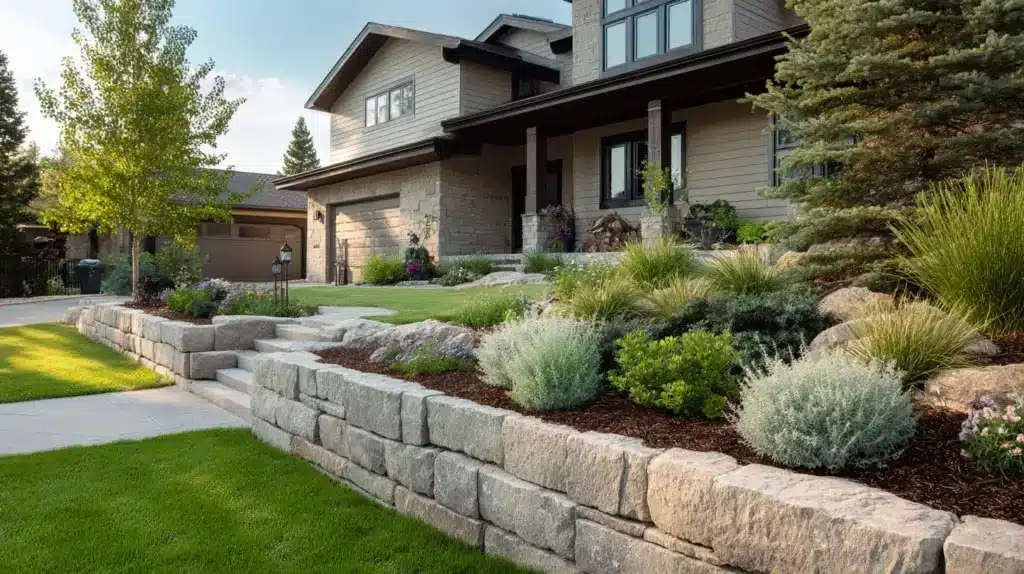
If you have ever looked at a sloped yard and wondered what could actually be done with it, you are already asking the right question. What is a retaining wall, and why do so many homeowners rely on one to bring order, safety, and beauty back to their property? A retaining wall is a retaining structure built to restrain soil where ground levels change. Retaining walls work by holding retained material in place, managing earth pressure, and creating usable spaces where nature would otherwise keep shifting. At its core, a retaining wall structure is about stability, control, and peace of mind.
Why Retaining Walls Matter More Than Most Homeowners Realize
Slopes, erosion, and everyday stress
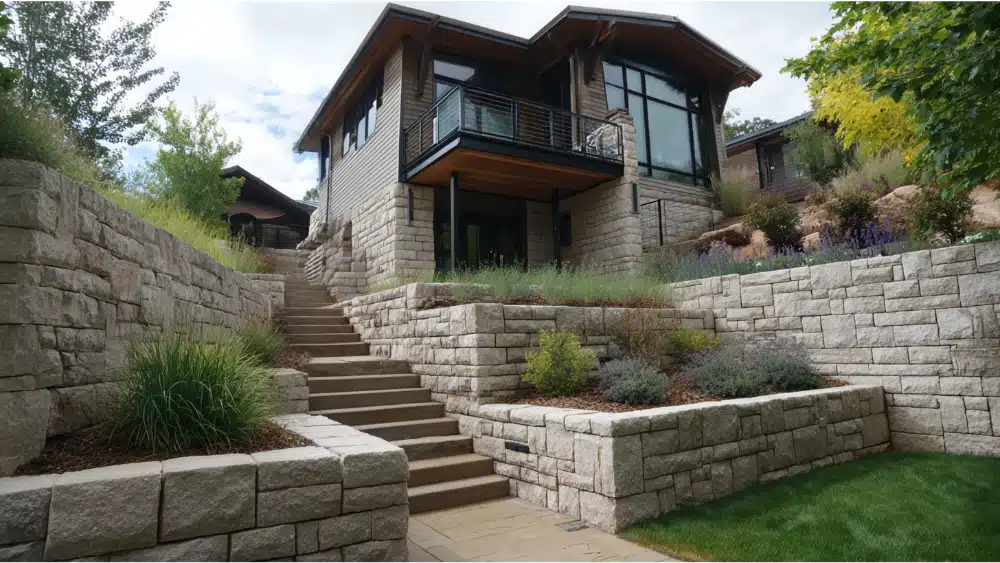
Sloping sites create more than an awkward lawn. Over time, soil erosion slowly steals your yard, washes mulch downhill, and exposes roots or concrete edges. Many homeowners deal with soil pressure without realizing it until cracks, leaning fences, or muddy runoff appear. Steep slopes can make parts of a property feel unsafe or unusable, especially for kids, pets, or gatherings.
Protection that leads to transformation
A properly installed retaining wall does not just stop problems. It transforms outdoor space. Retaining walls retain soil, prevent erosion, and create flat areas that feel intentional and welcoming. When earth walls are designed correctly, the yard stops fighting gravity and starts working for you.
What Does a Retaining Wall Actually Do?
Holding soil in place
Retaining walls work by resisting lateral earth pressure from the soil behind the wall. As soil gets deeper or wetter, earth pressure increases. A well designed retaining structure counters that force so the wall remains stable. This is especially important behind the wall where soil pressure builds steadily over time.
Managing water and pressure
Water changes everything. Hydrostatic pressure from trapped water adds excessive pressure to any wall. Managing water drainage is one of the most critical parts of wall construction. Proper drainage allows water flow to move safely away instead of building up. Gravel backfill, crushed stone, perforated pipes, and weep holes all help control water flow and protect structural integrity.
Supporting nearby structures
Retaining walls often support more than soil. Driveways, patios, walkways, and fences rely on the ground staying where it belongs. When a retaining wall is properly installed, it helps protect surrounding structures designed to last for decades.
Types of Retaining Walls and Where They Are Used
Gravity retaining walls
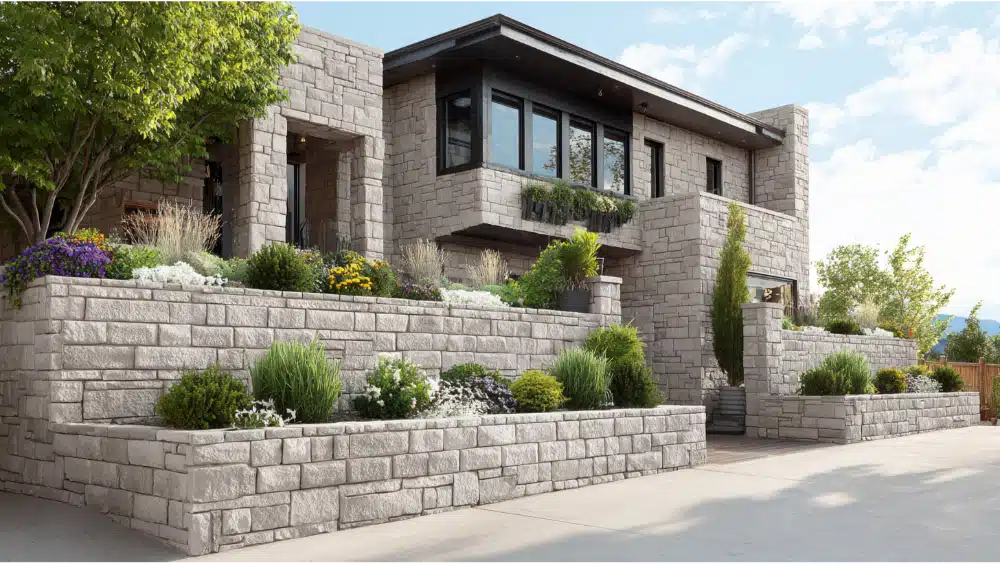
Gravity retaining walls rely on their own weight to resist lateral pressure. Simple gravity walls are often built with concrete blocks, stone walls, or brick retaining walls. Gravity walls work best for shorter heights where own weight alone can restrain soil. Gravity retaining walls are common in gardens and terraces.
Reinforced retaining walls
Reinforced retaining walls use reinforced soil and added materials to increase strength. Segmental retaining walls combine interlocking concrete blocks with reinforced soil layers behind the wall. These reinforced retaining walls are popular for residential yards because they balance strength and appearance.
Cantilever retaining walls
Cantilever retaining walls are engineered systems made from reinforced concrete. Cantilever walls use a footing that extends under the retained material, allowing earth pressure to be redirected into the ground. These wall types are common when heights increase or when space is limited.
Anchored retaining walls
Anchored retaining walls, also called anchored walls, use anchors driven into the soil or rock behind the wall. Anchored retaining walls are useful when excessive pressure is present or when building on sloping sites with limited space.
Pile retaining walls
Pile retaining walls, sometimes called pile walls, use vertical piles driven deep into the ground. Pile retaining walls are often used near water, on steep slopes, or where soil conditions are weak. Diaphragm walls and crib walls fall into specialized categories used in certain conditions.
Other wall types
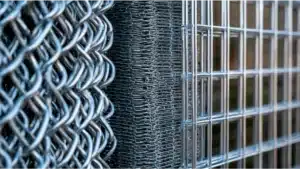
Gabion walls use wire baskets filled with stone and are effective for drainage. Earth walls rely on reinforced soil systems. Curved walls can help distribute lateral earth pressure more evenly while adding visual appeal.
Retaining Wall Materials and Visual Impact
Concrete retaining walls
Concrete retaining walls are among the most durable options. Poured concrete and precast concrete systems provide long lasting strength and clean architectural styles. Concrete blocks are commonly used in segmental retaining walls because they are modular and reliable.
Natural stone and stone walls
Natural stone walls offer timeless beauty. Natural stone and stone walls blend well with landscaping and can last for decades when properly installed. Natural stone walls are often chosen for their texture and classic appearance.
Brick retaining walls
Brick retaining walls provide a traditional look and are usually used for shorter walls where loads are moderate. They require careful wall design and solid foundations.
Wood retaining walls
Wood retaining walls, sometimes called wood walls, bring warmth to outdoor space. They are often built with treated lumber or recycled materials. Wood retaining walls work best for low heights and require ongoing maintenance.
Choosing materials wisely
Retaining wall materials affect lifespan, maintenance, and appearance. The right choice balances budget, wall design, and long term performance.
How Tall Can a Retaining Wall Be Before Permits Are Required?
Understanding height rules
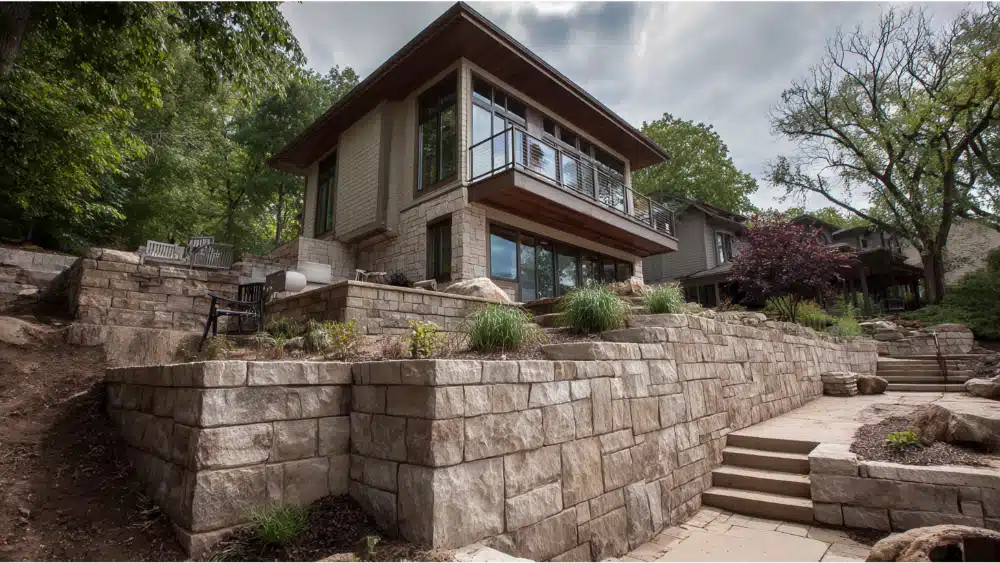
Many local guidelines follow standards influenced by the International Residential Code. Walls under four feet may not require permits, but measurement often starts from the base, not the visible height.
Added loads matter
Walls supporting driveways, fences, or sloping sites above them face additional soil pressure. These conditions often require engineering regardless of height.
Local regulations
Local rules vary widely, especially in California. Checking requirements early helps ensure a new retaining wall is safe and compliant.
Signs You May Need a Retaining Wall
Visible soil movement
If you notice soil erosion, exposed roots, or shifting ground, you may need a retaining wall to restrain soil and prevent erosion.
Damage to existing walls
Cracks, leaning, or bulging indicate excessive pressure or poor drainage behind the wall.
Drainage problems
Standing water suggests water drainage issues that can threaten wall stability.
Lost usable space
When slopes limit outdoor enjoyment, retaining walls can create flat, usable spaces for living and gathering.
Retaining Walls and Fences Working Together
Shared support
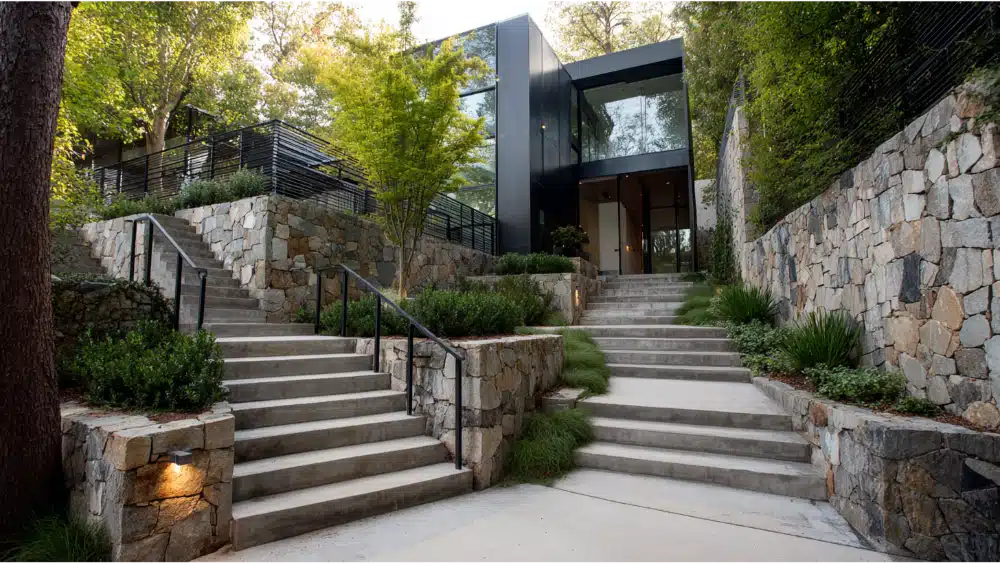
Fences often rely on stable ground. Retaining walls provide the support needed so fence posts stay straight and secure.
Smarter planning
Combining projects reduces disruption and ensures wall construction and fencing work together.
Retaining Wall FAQs
How long does a retaining wall last?
With proper drainage and quality materials, many last 30 to 50 years. Regular inspections and timely repairs can extend the lifespan even further, ensuring your wall remains strong and effective for decades.
Do retaining walls prevent soil erosion?
Yes, retaining walls prevent soil erosion by restraining soil and managing water flow. By stabilizing slopes and reducing runoff velocity, they help protect your landscape from washouts and sediment loss.
How do retaining walls work?
Retaining walls work by resisting earth pressure and lateral pressure from soil behind the wall. They are engineered to balance these forces, often incorporating drainage systems to relieve hydrostatic pressure and maintain structural integrity.
Do retaining walls need maintenance?
Minimal maintenance is needed, mainly checking drainage and water flow. It’s important to clear debris from drainage materials like weep holes and french drains to prevent water buildup that could compromise the wall’s stability.
Final Thoughts
A retaining wall is more than a wall. It is a solution to soil pressure, erosion, and lost space. When designed correctly, retaining walls retain soil, control water drainage, and create flat, safe, and beautiful areas. If you are wondering whether you need a retaining wall or how to approach a new retaining wall project, thoughtful planning and proper installation make all the difference. Your yard can move from stressful to strong, from sloped to stable, and from unusable to welcoming.