Choosing between residential fence types is one of those decisions that seems simple at first and then suddenly feels overwhelming. There are many fence types, many materials, and many opinions. Homeowners seeking the right fence are not just comparing prices, they are thinking about safety, privacy, pets, curb appeal, and how their property will feel every day. This complete guide is designed to walk you through the most common types of fences in 2025, explain how they work in real life, and help homeowners feel confident choosing a fence that protects, lasts, and looks right for their home.
What Are the Main Residential Fence Types?
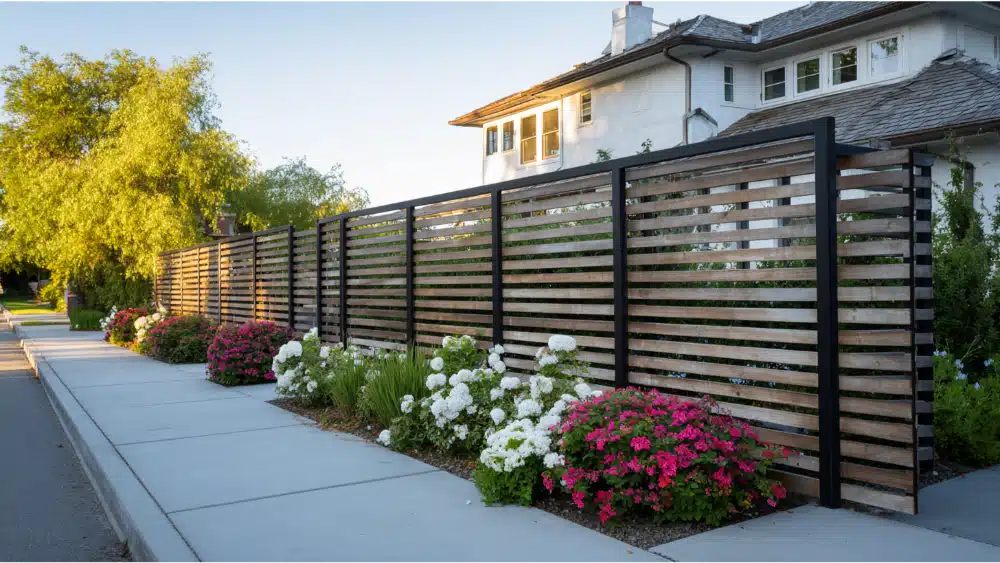
When people talk about residential fences, they are usually talking about fencing materials first. Material affects durability, maintenance costs, appearance, and long term value. Below are the most common types of fences used around homes today.
Wood Fencing
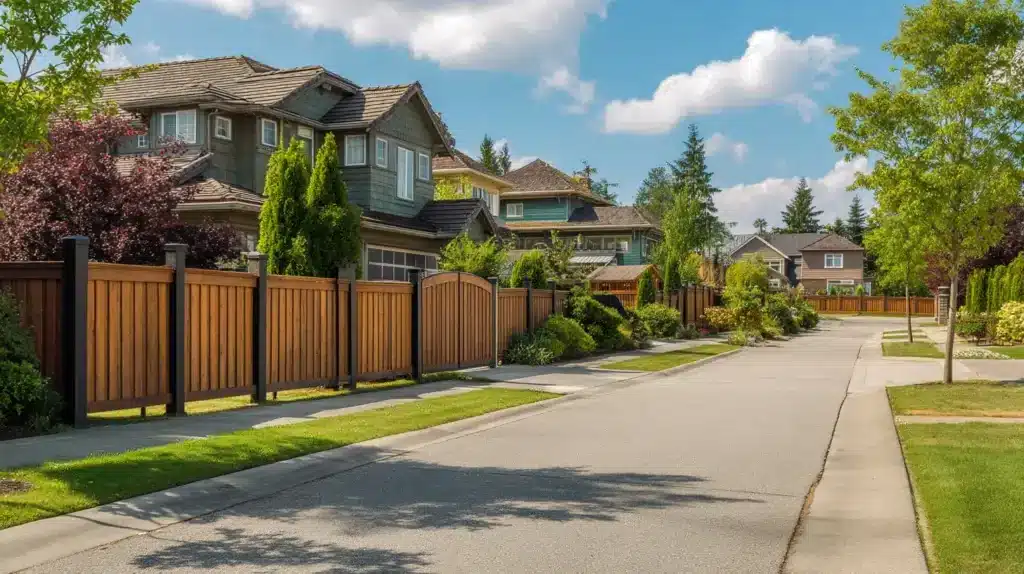
Wood fences remain one of the most popular residential fence types because they feel natural and familiar. A wooden fence can be built in various styles, including privacy fences, split rail designs, and decorative picket fences. Many homeowners choose wood because it offers warmth and flexibility. Wood fencing works well for backyards, front yards, and garden fencing.
Wood fences can be built from cedar, redwood, or pressure treated wood. Cedar and redwood resist rot and insect damage better than untreated wood, while pine is often chosen for affordability. Wood allows for various styles and can be customized to match property lines and landscaping. The tradeoff is maintenance. Wood requires proper care, including staining or sealing, to reduce rot and weather damage. Without proper care, wood can become high maintenance over time. Still, for homeowners who enjoy a natural look, wood remains a trusted fencing option.
Vinyl Fencing
Vinyl fencing has grown quickly in popularity due to its low maintenance benefits. Vinyl fences are made from plastic materials that do not rot, splinter, or suffer insect damage. Vinyl fencing offers a clean appearance and is available in privacy fences, picket fences, and decorative panels.
Many homeowners choose vinyl because it requires minimal upkeep. Washing with water is usually enough to keep it looking new. Vinyl is considered low maintenance and fits well with busy lifestyles. While vinyl may cost more per linear foot than basic wood, it often saves on maintenance costs over time. Vinyl fencing works well for homeowners association rules because of its uniform look and durability.
Composite Fencing
Composite fences are made using wood fibers blended with plastic materials. This combination creates fencing that looks like wood but performs more like vinyl. Composite fences resist rot, moisture, and insect damage, making them a long term investment for many homeowners.
Composite fencing is known for durability and minimal maintenance. It does not require staining or painting and holds its color well in severe weather. Composite fences are often chosen by homeowners who want a modern look with excellent strength. While composite fencing sits at a higher price point, many see it as a highly durable option that balances beauty and performance.
Aluminum Fencing
Aluminum fences are part of the broader category of metal fences. Aluminum fencing offers a clean appearance, rust resistant performance, and excellent visibility. Aluminum fences are commonly used as pool fences, along front yards, and around decorative garden areas.
Aluminum fencing offers security without creating a solid barrier. It is weather resistant and performs well in extreme cold or heat. Aluminum fences are considered low maintenance and long lasting. Homeowners often choose aluminum because it provides security while preserving curb appeal. Aluminum fencing offers flexibility for various styles and works well with driveway gates.
Steel and Wrought Iron Style Fencing
Wrought iron fences and iron fence styles are chosen for strength and presence. Modern wrought iron fences are often made from steel with protective coatings to improve rust resistance. Wrought iron is known for excellent security and durability.
Wrought iron fences provide security and a classic appearance. They are highly durable and suitable for properties where security matters most. While wrought iron fencing can require maintenance to manage rust, modern finishes help reduce upkeep. Many homeowners choose wrought iron fencing for its timeless design and ability to protect property boundaries.
Chain Link Fencing
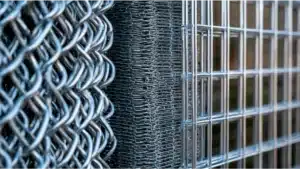
Chain link fences remain one of the most common types of fences for practical needs. Chain link fencing is affordable, durable, and effective for pet containment. Many homeowners use chain link fences to secure yards, protect pets, and define property lines.
Chain link fences can be galvanized or vinyl coated for added durability and appearance. While chain link does not provide privacy on its own, privacy slats or metal panels can be added. Chain link fencing is often chosen for side yards, large properties, and areas where function matters more than appearance.
Natural and Garden Fencing
Garden fencing and natural fencing options include hedges, low wood barriers, and decorative metal designs. Garden fencing is often used to protect plants, define garden spaces, and guide movement through yards. While garden fencing adds charm, it usually works best when paired with another fence type for full security.
Fence Styles Explained: Material vs Style
Fence styles describe how a fence looks and functions, not what it is made of. Many fencing options can be built in different styles depending on homeowner needs.
Privacy Fences
Privacy fences are designed to create a solid barrier that blocks visibility. These fences are usually six feet tall and built from wood, vinyl, or composite materials. Privacy fences are ideal for backyards where families want quiet, protection, and separation.
Semi Privacy and Good Neighbor Styles
Semi privacy fences allow airflow and light while still offering separation. Shadowbox designs look the same from both sides, which helps maintain good relationships with neighbors.
Picket Fences
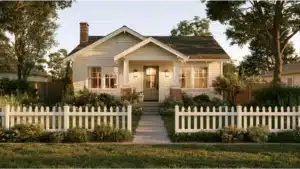
Picket fences are shorter fences commonly used in front yards. Picket fences add charm and curb appeal while defining property boundaries. They are often chosen to meet homeowners association guidelines.
Ranch Rail and Split Rail
Split rail fencing is an open style that works well on larger properties. Split rail fences are commonly used to mark property lines without blocking views.
Pool Fences
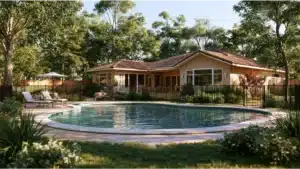
Pool fences are designed to provide security while maintaining visibility. Aluminum fences are commonly used as pool fences because they are rust resistant and durable.
How to Choose the Right Fence for Your Home

Choosing the right fence starts with understanding your goals.
Purpose Comes First
Some homeowners need privacy, others need pet containment, and some want to protect children. Knowing whether your goal is security, appearance, or boundary definition helps narrow fencing options.
Maintenance Expectations
Maintenance requirements vary widely between materials. Wood fences may be high maintenance without proper care, while vinyl and aluminum offer minimal upkeep. Homeowners should choose materials that fit their lifestyle.
Rules and Regulations
Local codes and homeowners association rules may limit fence height, materials, or placement. Front yards often have stricter rules than backyards.
Matching Style to Property
The right fence should complement the home and yard. A modern look pairs well with metal fences or composite panels, while traditional homes often match wood or picket designs.
Residential Fence Costs in 2025
Fence pricing depends on materials, labor, and property conditions. Nationally, fence projects range widely, but in California and areas like Sacramento, labor and materials increase costs.
Wood fences often cost $40 to $60 per linear foot. Vinyl fencing commonly ranges from $50 to $60 per linear foot. Composite fences range from $70 to $90 per linear foot. Aluminum fences average $48 to $55 per linear foot. Chain link fences remain the most affordable option.
What Affects Cost
Slope, soil, driveway gates, and design complexity affect pricing. Removal of old fencing and access challenges also play a role.
Common Mistakes Homeowners Make

Choosing the cheapest option without considering durability and maintenance often leads to regret. Ignoring property boundaries or property lines can cause disputes. Skipping permits or association approval creates delays.
Why Professional Installation Matters
Proper installation ensures long lasting performance. Correct post depth, alignment, and materials protect the fence from severe weather and movement. Professional installation helps fences provide security and maintain durability.
Frequently Asked Questions
What fence lasts the longest?
Vinyl, aluminum, and composite fences are known for long lasting performance.
What fence is best for pets?
Chain link, vinyl, and wood privacy fences work well for pets safe containment.
Are metal fences safe for families?
Yes, modern metal fences are designed to protect without sharp edges.
Do fences add value?
The right fence improves curb appeal, security, and overall property value.
Bringing It All Together
Residential fence types vary widely, but the right fence always aligns with purpose, maintenance expectations, and style. From wood and vinyl to aluminum and wrought iron, the best fence is the one that fits your home and life.
Your Yard Deserves the Right Fence
A fence is more than a boundary. It protects, defines, and enhances your property. With the right materials, styles, and installation, your fence becomes a long term investment that provides security, beauty, and peace of mind.