
Building a fence is one of those projects that feels simple at first. Posts in the ground, panels in between, and suddenly your yard feels private and secure. But in reality, fence building is a significant investment, and small mistakes can turn into big problems. We have seen homeowners make the same missteps over and over, and those mistakes often lead to costly repairs, neighbor disputes, and fences that fail far sooner than they should. If you want to protect your property, improve curb appeal, and feel confident in your fencing project, it helps to know exactly what not to do when building a fence.
Skipping the Planning Phase and Paying for It Later
Not Measuring Your Yard Correctly
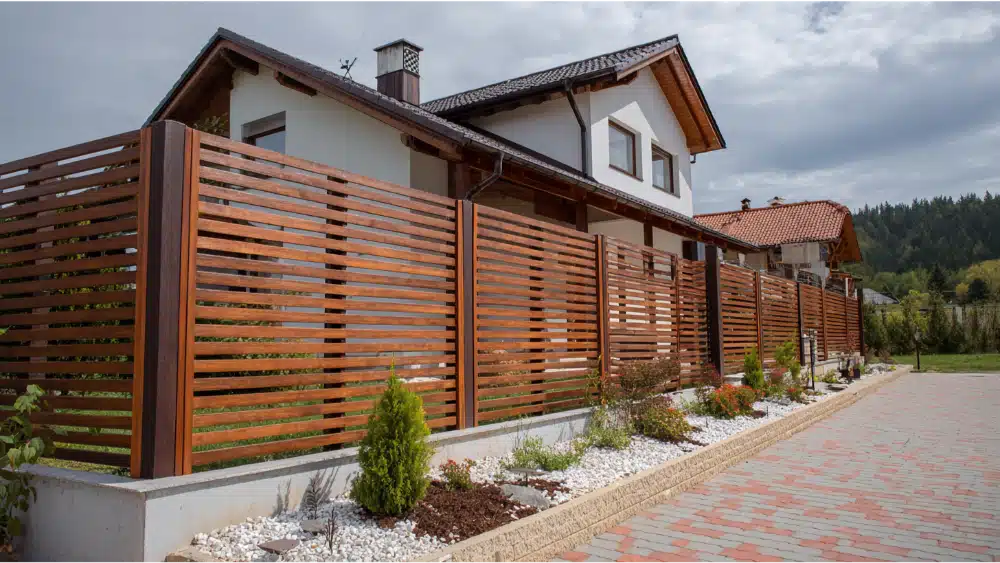
One of the most common mistakes in fence installation is poor planning. Homeowners often underestimate how much time it takes to properly measure a yard and map out a straight fence line. Without accurate measurements, you risk uneven fence lines, too much space between sections, or panels that do not fit the layout of the ground. Using a string line to mark the fence line helps keep everything straight and aligned. Taking the time to measure twice and mark clearly can help you avoid costly mistakes that affect both function and aesthetic appeal.
Failing to Visualize the Final Fence
Another planning issue is not thinking through how the new fence will look and function once it is complete. Fence height, spacing, and style all matter. A fence that feels right during planning may block light or views once installed. Homeowners sometimes forget to plan enough space for gates or fail to consider how the fence will interact with landscaping. Visualizing the finished fence before you start digging helps ensure the result feels intentional, sturdy, and right for your property.
Building Without Checking Property Lines
Why Guessing Property Boundaries Is Risky
One of the biggest mistakes homeowners make is assuming they know where their property lines are. An incorrect property line assessment can result in a fence being built on a neighbor’s property. This can lead to disputes, legal action, or being forced to remove a new fence entirely. Even a small error can create long term tension with neighbors and undo the sense of security you were hoping to gain.
How to Verify Boundaries the Right Way
A property survey is the safest way to confirm property lines before fence construction begins. Surveys, deeds, and markers help ensure the fence line stays where it belongs. This step protects your investment and preserves good relationships with neighbors. Taking the time to confirm boundaries helps you avoid costly repairs and unnecessary stress later.
Ignoring Permits, Codes, and HOA Rules
Common Fence Regulations Homeowners Overlook
Many municipalities have zoning laws that regulate fence height, materials, and placement. Some neighborhoods also have HOA guidelines that restrict design or color. Ignoring these local regulations can lead to fines or removal orders.
What Happens When You Skip Permits
Failing to check with the local building department before installing a fence can stop a project halfway through. Permits exist to ensure safety and consistency. Skipping them often results in delays and extra costs that could have been avoided.
Why Local Knowledge Matters
Understanding legal requirements and zoning laws before you build keeps the project moving smoothly. Many municipalities enforce these rules strictly, and knowing them upfront helps you avoid unnecessary mistakes.
Forgetting to Call Before You Dig
Underground Utilities You Cannot See
Before you start digging post holes, it is critical to consider underground utilities. Gas lines, water lines, electrical cables, and irrigation systems often run just below the ground.
The Real Risks of Skipping Utility Marking
Hitting utility lines can cause serious injury, service disruptions, and expensive repairs. Utility companies require homeowners to request markings before digging for a reason.
The Simple Step That Prevents Big Problems
Calling utility companies before you start digging helps identify underground utilities and keeps everyone safe. This small step can prevent costly mistakes and protect your home.
Setting Fence Posts Incorrectly
Digging Holes Too Shallow
Fence posts are the backbone of any fence installation. Shallow post holes often lead to a leaning fence over time. Posts must be set below the frost line to withstand freeze thaw cycles and ground movement.
Improper Post Spacing
Spacing posts too far apart creates weak sections and sagging panels. Too much space between posts also affects security and stability.
Skipping or Rushing Concrete
Concrete anchors posts and keeps them secure. Skipping concrete or not allowing it to cure properly can cause posts to shift. Adding gravel at the bottom of post holes improves drainage and helps posts stay set properly.
Why Post Work Is Where DIY Projects Fail Most
Many fence building failures happen at the post level. Dig deep, level frequently, and allow concrete to fully set. These steps require patience and proper skills.
Choosing the Wrong Fence Materials
Picking Materials Based on Price Alone
Choosing materials based solely on cost often leads to problems. Wrong materials can warp, rust, or fail prematurely.
Ignoring Climate and Soil Conditions
Wood expands and contracts with moisture. Some materials handle damp ground better than others. Selecting materials that suit your climate protects the fence in the long run.
Matching Materials to Lifestyle Needs
A wood fence offers warmth and charm but requires maintenance. Vinyl and composite options reduce upkeep. Different materials suit different needs, and choosing wisely prevents future repairs.
Overview of Popular Fence Materials
Wood remains popular for its natural look. Aluminum offers strength and visibility. Composite blends durability with style. Selecting the right materials improves both security and curb appeal.
Poor Gate Planning
Gates Installed as an Afterthought
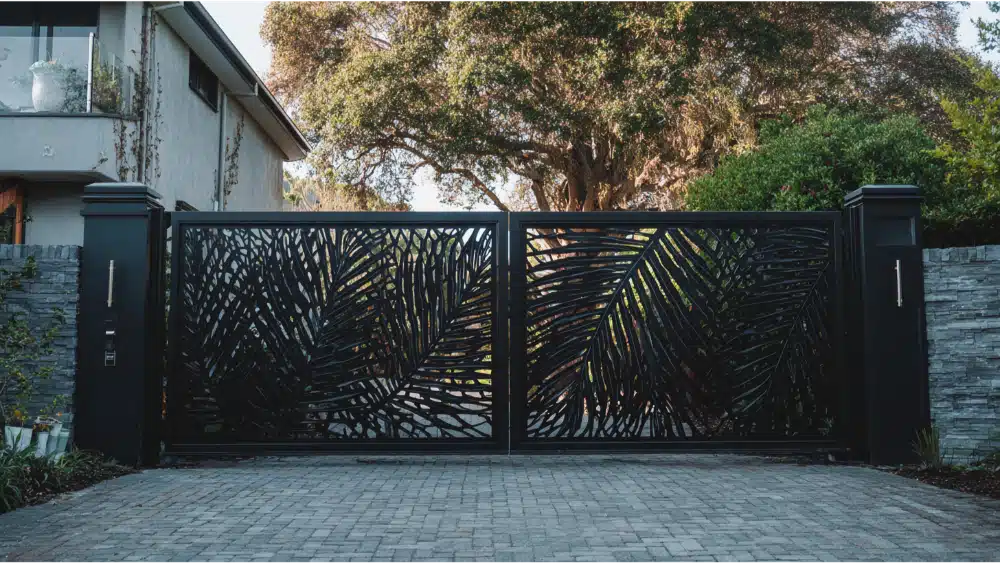
A gate sees more daily use than any other part of the fence. Poor gate planning often results in sagging or failing hardware.
Incorrect Gate Width and Placement
Gates must be the right size for access needs. Too narrow or poorly placed gates quickly become frustrating.
Why Gates Require Extra Reinforcement
Gates need heavy duty hardware and reinforced posts to stay straight and secure over time.
Rushing the Installation
Trying to Finish in a Weekend
Fence installation takes time. Rushing leads to mistakes that compromise strength and appearance.
Using the Wrong Tools or Shortcuts
Shortcuts often result in uneven fence lines and weak connections. Proper installation requires patience and the right tools.
Not Accounting for Long Term Maintenance
Forgetting About Weather Exposure
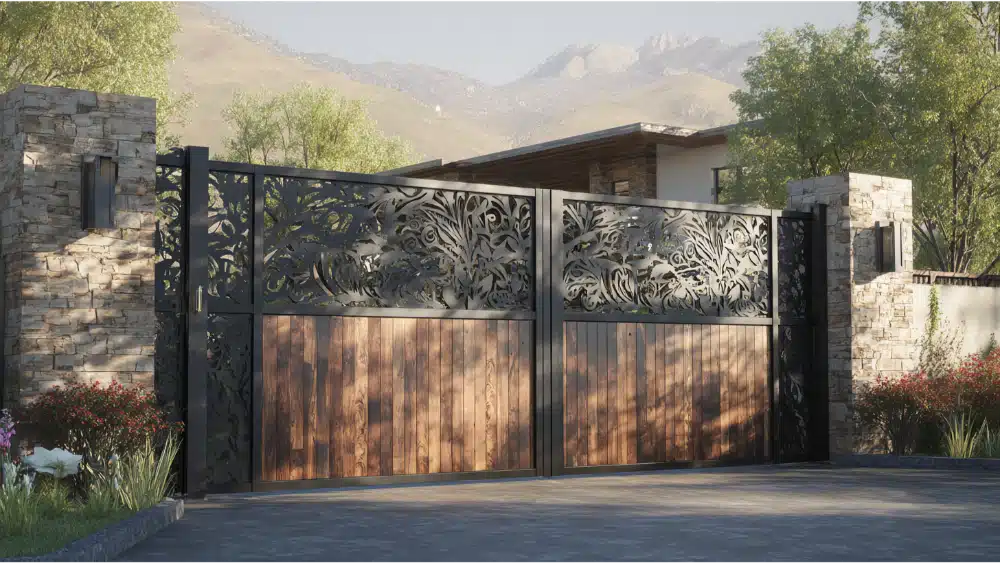
Sun, rain, and soil conditions affect every fence. Planning for weather exposure helps extend the life of the installation.
Skipping Protective Treatments or Finishes
Stains and sealants protect wood and help prevent failing over time.
Planning for Longevity, Not Just Day One
Regular inspections and small repairs help maintain a sturdy and straight fence for years.
Underestimating Total Project Cost
Hidden Costs Homeowners Do Not Expect
Removing an old fence, disposing of materials, and fixing mistakes all add to the final cost.
DIY vs Professional Cost Comparison
DIY fence installation often appears cheaper, but tools, time, and costly repairs can narrow the gap quickly.
Transparent Pricing Builds Confidence
Understanding the full cost helps homeowners plan and avoid surprises.
When DIY Makes Sense and When It Does Not
Projects That Homeowners Can Handle
Small repairs or short sections can be manageable for experienced homeowners.
Situations That Call for Professionals
Large yards, complex terrain, and strict legal requirements often require contractors with proper skills.
How to Build a Fence the Right Way Without the Stress
Avoiding common mistakes transforms the experience of fence building. With careful planning, correct installation, and quality materials, a fence becomes a source of pride, security, and protection.
Frequently Asked Questions About Fence Installation
What is the biggest mistake when building a fence?
Skipping planning and setting fence posts incorrectly are the biggest mistakes.
How deep should fence posts be?
Posts should extend below the frost line and be set in concrete for stability.
Do I need a permit to build a fence?
Many municipalities require permits. Always check local regulations.
Is DIY fence installation worth it?
DIY can work for small projects, but professional installation often saves time and prevents mistakes.
How long should a properly installed fence last?
With quality materials and regular inspections, a fence can last decades.
Final Thoughts
A fence is more than a boundary. It protects your property, enhances security, and adds beauty to your yard. By understanding what not to do when building a fence, you can avoid costly mistakes and create something that truly lasts. If you are ready to move forward or need guidance, contact a trusted professional who understands fence construction and cares about doing it right.