Wood fences continue to be a popular style because they balance form and function so naturally. Homeowners value wood for its warmth, flexibility, and timeless aesthetic appeal. Unlike other materials, wood works with traditional fences and modern layouts alike. It complements natural materials in the landscape and feels right in almost every neighborhood. Wood fences are also easier to repair, modify, and enhance over time. If one board is damaged, it can be replaced without disturbing the entire fence. In 2025, many homeowners still see wood as the perfect fence material because it feels authentic, sturdy, and adaptable to changing needs.
How to Choose the Right Wood Fence Design for Your Yard
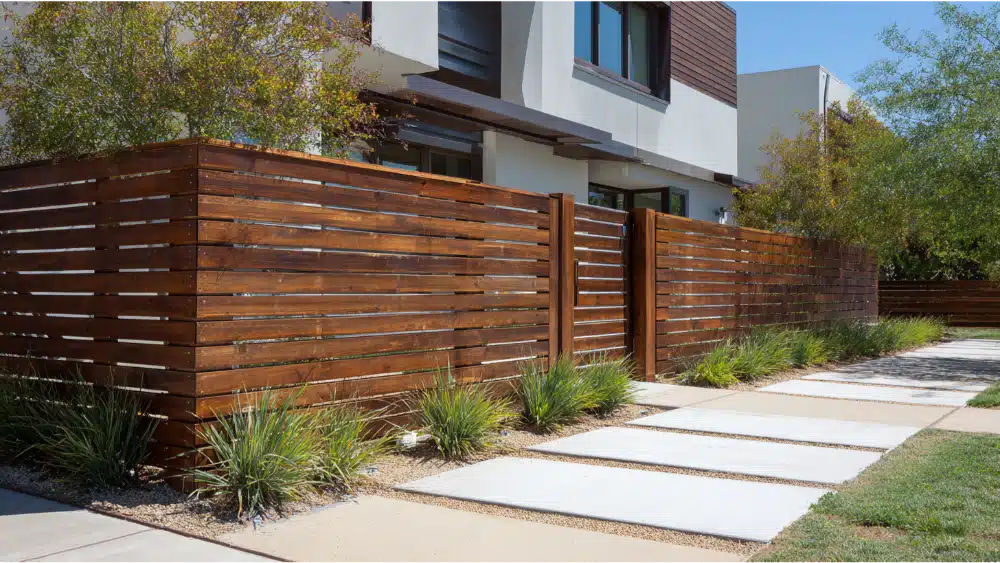
Choosing from different wood fence designs can feel overwhelming at first, but the decision becomes easier when you focus on purpose.
Start With the Feeling You Want
Ask yourself how you want your yard to feel. Do you want a privacy fence that creates a quiet retreat? Do you want an attractive option that feels open and welcoming from the other side? Some homeowners want full enclosure for security, while others want a balance between openness and definition. The right fence style should support how you live in your outdoor space every day.
Consider Practical Factors That Shape Design
Every property has its own challenges. Sloped ground, wind exposure, and soil conditions all affect installation and durability. Fence height, spacing, and orientation matter along the perimeter. Maintenance comfort is another key point. Some wood fence styles require more care than others. Thinking through these factors early helps create a fence that stands strong and looks good long term.
Board on Board Fence: Maximum Privacy Option
A board on board fence is one of the most trusted privacy fence designs available. This style uses overlapping pickets so there are no direct gaps along the fence line. The overlapping pickets block sightlines and reduce noise, making this a great option for busy streets or close neighbors. Board on board fence construction uses more boards and rails, but the result is a solid, secure barrier that feels calm and protected. Many homeowners choose cedar boards with dog ear tops for a classic look, though modern versions with straight edges are also popular. This fence style offers strong security and a sense of enclosure that helps families relax in their backyard.
Shadowbox / Good-Neighbor Fence Design
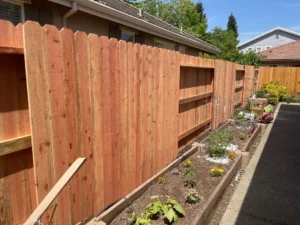
A shadowbox fence alternates pickets on one side and the other, creating a balanced appearance from both yards. This is why it is often called a good neighbor fence. The design allows airflow through the panels while still providing privacy when viewed straight on. Shadowbox fence styles are a popular style for shared property lines because they look finished on both sides and reduce tension between neighbors. Homeowners who want a privacy fence that feels lighter often choose this option.
Traditional Vertical Privacy Fence (With Upgrade Options)
Traditional fences with vertical pickets remain a cornerstone of residential fencing. This wood fence design uses vertical boards attached to horizontal rails and supported by strong fence posts. It is simple, effective, and highly customizable.
Cap and Trim Design
Adding cap and trim details creates a framed top edge that enhances durability and aesthetic appeal. This small upgrade protects boards from weather and adds architectural design interest.
Post Caps
Decorative post caps add personality while helping shed water away from post tops. They are both functional and visually pleasing.
Kickboard / Rot Board
A kickboard protects the bottom edges of pickets from ground moisture and sprinkler spray. It is a smart addition for durability and long term performance.
Horizontal Wood Fence Designs (Modern & Clean)
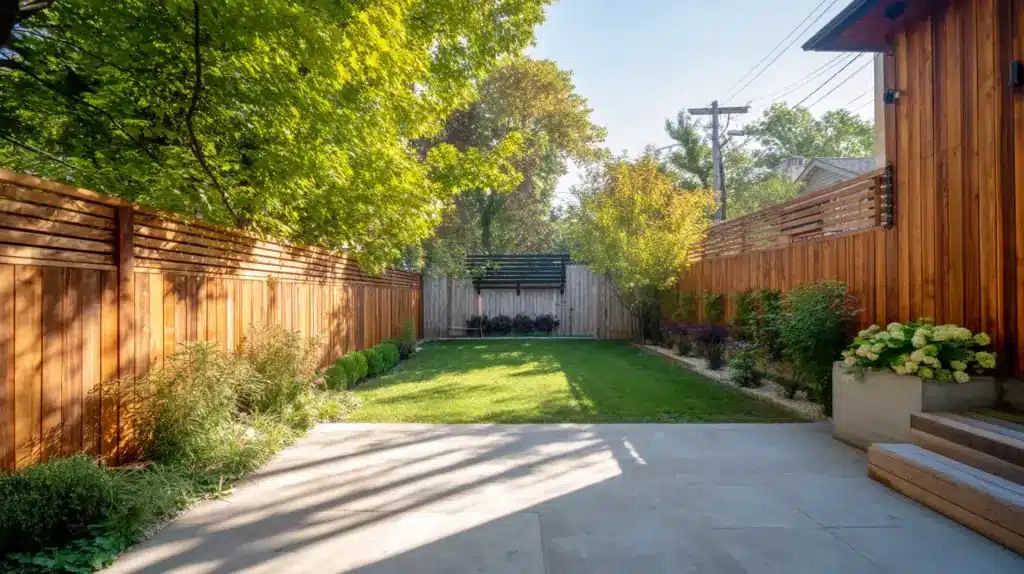
Horizontal fence layouts are a defining modern trend. A modern wood fence with horizontal rails and boards creates clean lines and a sleek shape. Homeowners can adjust spacing in the middle of panels to control privacy and airflow. Horizontal wood fence designs require careful construction, with sturdy fence posts and quality rails to support the load. When constructed correctly, a horizontal fence is striking, durable, and aesthetically pleasing. It pairs well with modern homes and minimalist landscapes.
Lattice-Top Wood Fence Designs
Lattice-top designs combine solid privacy fence panels with decorative lattice at the top. This form softens tall fences and allows light into the garden. Lattice also supports climbing plants, helping the fence blend into the landscape. Many homeowners choose this attractive option to enhance visual interest without sacrificing privacy.
Choosing the Best Wood Type for Your Fence Design
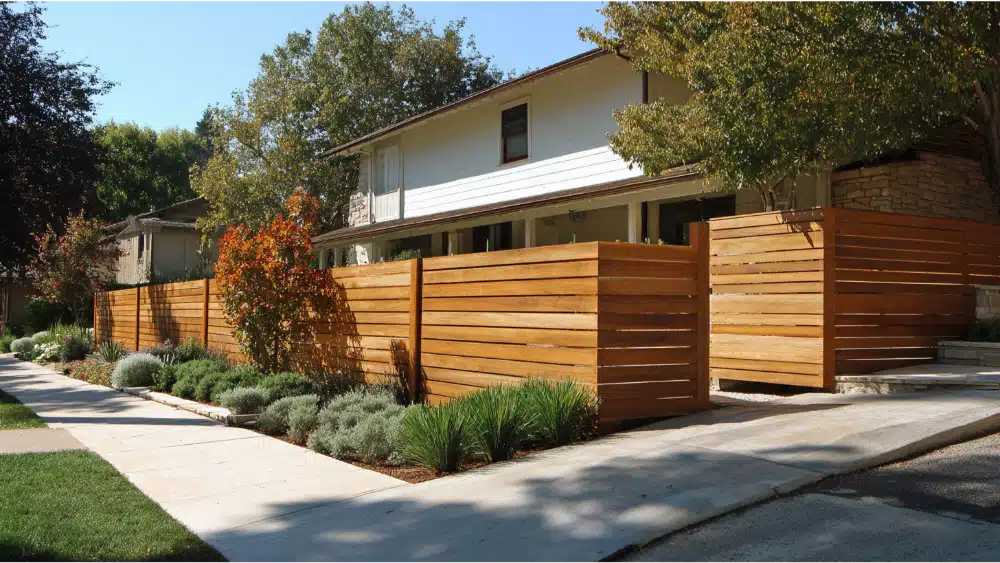
The type of wood used in your fence affects durability, maintenance, and cost.
Cedar
Cedar is one of the most popular materials for wood fences. It resists rot naturally, holds its shape well, and offers rich color. Cedar boards, panels, pickets, and rails work beautifully in both traditional fences and modern wood fence designs.
Pressure-Treated Pine
Pressure treated pine is a budget friendly great option. It is strong and widely available. Proper sealing and installation are important to ensure long term durability.
Redwood
Redwood offers natural resistance and beauty, though availability and cost can vary.
Why Ground-Contact Rated Posts Matter
Fence posts are the foundation of every fence. Using properly rated posts, including steel posts when appropriate, helps the fence stand straight and resist moisture where wood meets ground. Steel posts hidden inside wood panels are increasingly popular for added strength.
Design Details That Make a Fence Feel Custom (Not Cookie-Cutter)
Custom fence styles come down to details. Board width, spacing, dog ear versus straight tops, decorative accents, and matching gate design all contribute to the home’s aesthetic. Clean lines feel modern, while decorative touches add charm. Thoughtful choices create an aesthetically pleasing fence that feels intentional.
How Much Do Different Wood Fence Designs Cost in 2025
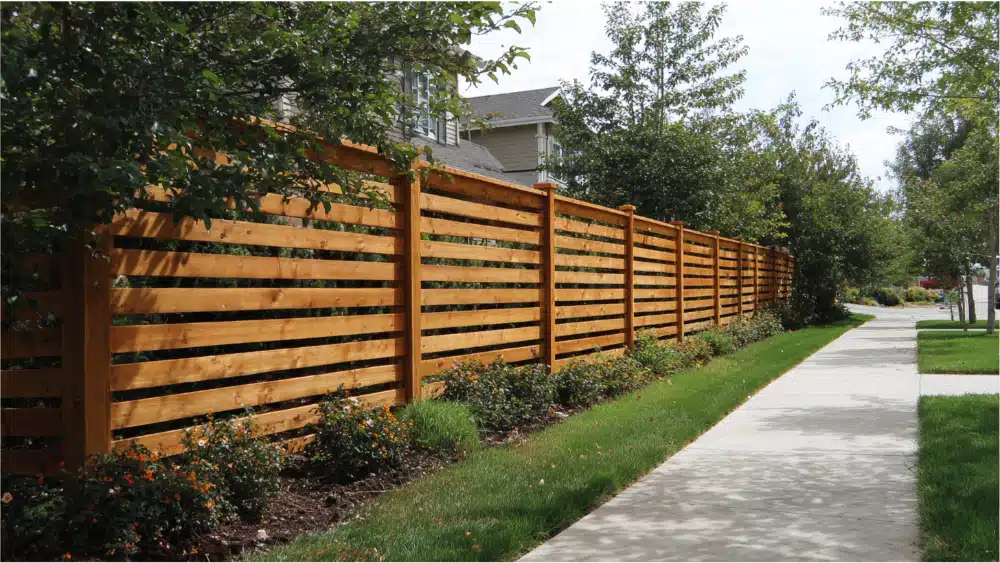
Cost depends on style, materials, and installation complexity. In 2025, most wood fences range from $40 to $60 per linear foot. A full backyard privacy fence often falls between $7,500 and $10,500 in California, while national averages sit lower. Board on board fence styles and modern wood fence layouts cost more due to added materials and labor. The goal is value, not just price.
Common Mistakes Homeowners Make When Choosing a Wood Fence Design
Common mistakes include ignoring wind exposure, choosing the wrong fence posts, or skipping protective details. Some homeowners focus only on cost and regret it later when repairs are needed. Proper planning helps create a durable, functional fence that lasts.
FAQs About Wood Fence Designs
What is the most private wood fence design?
Board on board fence styles offer the highest privacy due to overlapping pickets. This design effectively blocks sightlines and noise, making it ideal for creating a secluded backyard retreat.
Are horizontal wood fences strong enough?
Yes, with proper rails, posts, and installation, horizontal fence designs are sturdy and secure. Using quality materials like steel posts and well-constructed horizontal rails ensures long-lasting durability and stability.
How tall can a wood fence be?
Most residential fences range from six to seven feet, depending on local rules. It’s important to check local regulations before installation to ensure compliance and avoid potential fines.
Which wood fence design lasts the longest?
Durability depends on materials, posts, and construction, not just style. Choosing rot-resistant woods like cedar or redwood and using ground-contact rated posts can significantly extend your fence’s lifespan.
Can I mix fence designs in one yard?
Yes, many homeowners mix styles to suit different areas. Combining designs can enhance both functionality and aesthetic appeal, tailoring the fence to meet diverse needs across your property.
How often does a wood fence need maintenance?
Cleaning and sealing every few years helps maintain durability. Regular inspections for damage or wear also ensure your fence remains strong and attractive over time.
From Worn and Wobbly to Strong and Beautiful
The right wood fence design transforms a yard. It creates security, enhances property value, and shapes how you enjoy your outdoor space. From picket fence charm in the front to a strong privacy fence in the backyard, wood fences continue to define homes across the world. With careful planning, quality materials, and skilled installation, your fence becomes more than a boundary. It becomes the perfect fence for your life, your landscape, and your peace of mind.