Choosing between a wood vs vinyl fence can feel heavier than it should. You are not just picking a fencing material, you are choosing how your outdoor space will look, feel, and function for years. This choice affects privacy, safety, curb appeal, and how much time you want to spend on fence maintenance. Homeowners ask us about wood or vinyl every day, because both options promise something different. One offers warmth and tradition. The other offers simplicity and relief. Let us walk through vinyl and wood fences together so you can feel confident choosing the right fence for your home.
Why the Wood vs Vinyl Fence Decision Matters More Than You Think
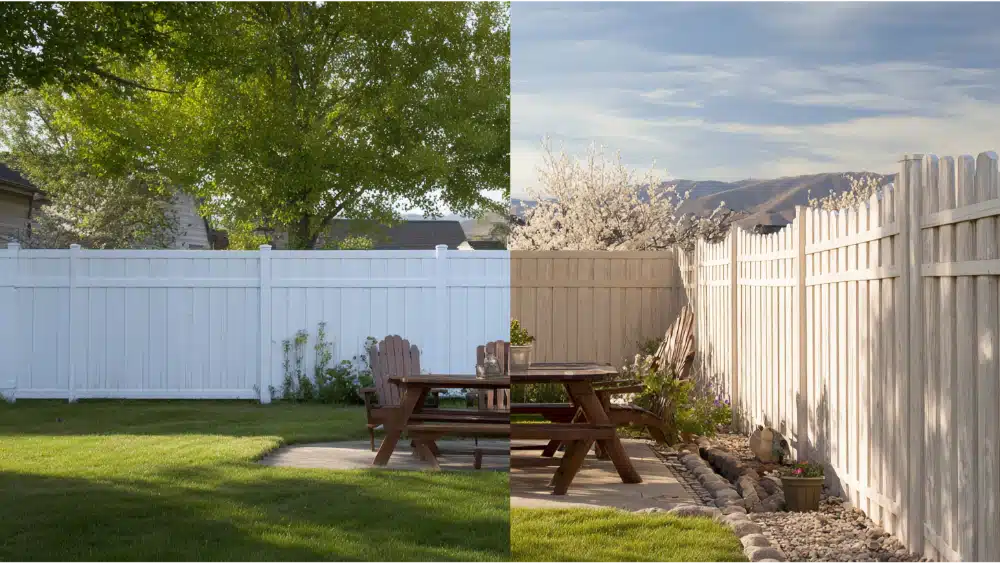
A fence shapes how you experience your yard. It defines your privacy fence, protects kids and pets, and frames your outdoor space. When comparing wood vs vinyl, many homeowners focus only on price, but the decision reaches further. Initial cost, ongoing maintenance, desired aesthetic, and long term satisfaction all matter. The best fencing material is the one that fits your life, not just your budget.
Wood Fence vs Vinyl Fence at a Glance
Both wood and vinyl fences create strong, beautiful residential fencing. A wood fence usually has a lower initial cost and a natural appearance that many homeowners love. Vinyl fences come with a higher initial cost but offer a low maintenance option that stays in good shape for decades. Both wood options and vinyl materials can be used for a privacy fence with solid panels and reliable structural integrity.
Cost Comparison in 2025: What Homeowners Actually Pay
Wood Fence Cost Breakdown
A wood fence remains a cost effective choice for many families. In 2025, a typical wood privacy fence ranges from about $40 to $60 per linear foot, depending on height, design, and the type of wood used. Pressure treated pine is common because it balances durability and affordability. Cedar and redwood cost more but offer added natural resistance to decay. The lower initial cost makes a wooden fence appealing when planning a new fence without stretching the budget too far.
Vinyl Fence Cost Breakdown
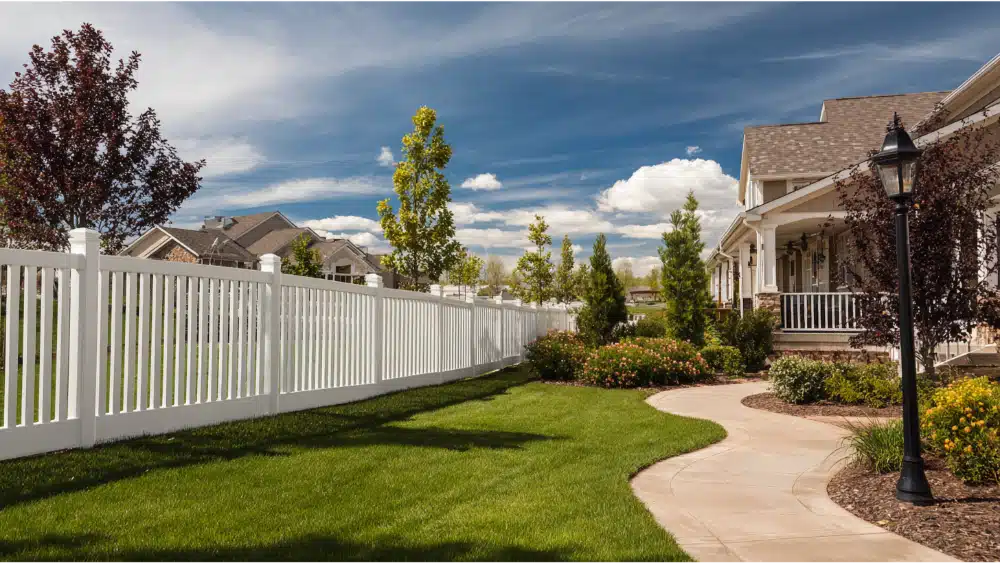
Vinyl fences usually fall between $50 and $60 per linear foot installed. That higher initial cost reflects the manufacturing process of polyvinyl chloride, reinforced posts, and long lasting fence panels. Many homeowners see vinyl privacy as an investment in time saved, because vinyl fencing does not require staining or sealing. The initial installation cost is higher, but the maintenance cost stays low.
The Hidden Cost Most Homeowners Miss
When comparing wood vs vinyl fence costs, it helps to look beyond the first invoice. A wood fence requires regular maintenance over its life. Staining, sealing, and occasional repairs add up. Vinyl fences, by contrast, focus on minimal upkeep. Over twenty years, vinyl vs wood often becomes a question of time as much as money. Replacement costs can also factor in if a fence is not maintained properly.
Maintenance Reality: What Your Weekends Will Look Like
Maintaining a Wood Fence
A wood fence requires attention to stay beautiful. Most wood fence annually needs staining or sealing every two to three years. Proper maintenance helps prevent rot, insect damage, and fading. Without regular maintenance, a wooden privacy fence can lose its fence’s appearance and strength. Many homeowners enjoy caring for a natural wood fence, but it is important to be honest about the time commitment.
Maintaining a Vinyl Fence
Vinyl fences are known for their low maintenance nature. Occasional cleaning with a garden hose and mild soap is usually enough to remove dirt. Vinyl fencing does not splinter, peel, or need paint. This makes vinyl a popular maintenance free fence choice for busy households looking for low maintenance solutions and minimal maintenance demands.
Lifestyle Fit
When choosing between vinyl and wood, lifestyle matters. If you enjoy hands on projects and like working with a natural material, wood offers satisfaction. If you want minimal upkeep and predictable results, vinyl fences provide peace of mind. Both wood styles and vinyl options can work beautifully when matched to the homeowner.
Durability and Lifespan: How Long Will Each Fence Really Last?
How Long Wood Fences Last
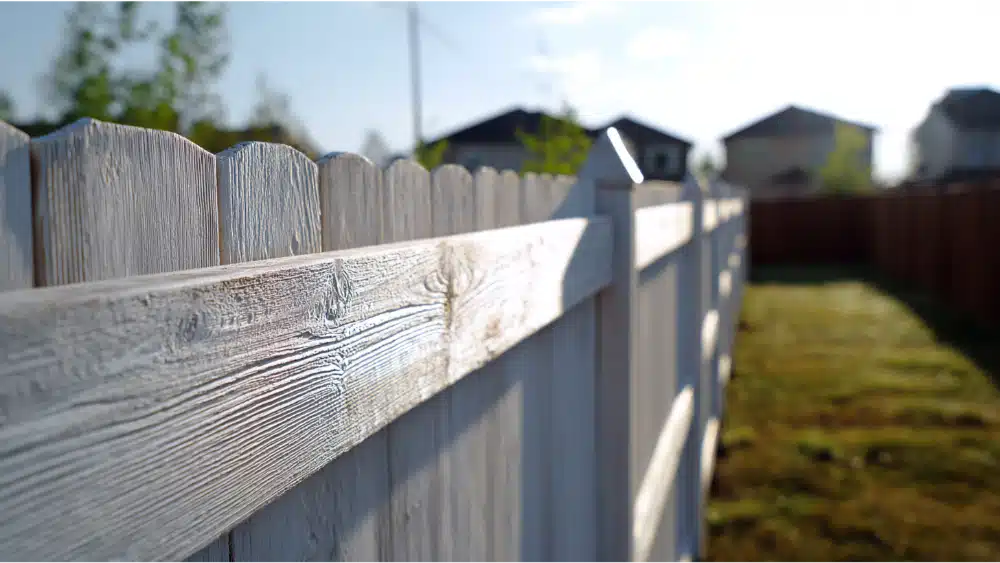
A well built wood privacy fence can last twenty to thirty years with proper maintenance. Pressure treated pine posts rated for ground contact help prevent rot and maintain structural integrity. Wood offers flexibility because individual fence panels or boards can be replaced over time. Natural resistance improves with quality materials and good drainage.
How Long Vinyl Fences Last
Vinyl fences often match or exceed the lifespan of wood with far less effort. Many vinyl privacy installations last twenty to thirty years while staying in good shape. Vinyl materials resist rot, moisture, and insect damage naturally. Professional installation plays a key role in ensuring an extended lifespan for vinyl fencing.
Weather Performance: Sun, Heat, Rain, and Cold
Wood in the Elements
Wood responds to weather. Sun can fade a natural wood finish. Rain and moisture can challenge a wooden fence if water pools around posts. Regular maintenance helps wood resists rot and maintains natural beauty. In many climates, wood remains a reliable and attractive fencing material when cared for.
Vinyl in the Elements
Vinyl fencing is designed to handle sun and moisture with ease. It resists rot and does not absorb water. Vinyl does expand and contract with temperature changes, which is why correct spacing during initial installation matters. High quality vinyl privacy systems hold up well in heat and rain with minimal maintenance.
Repairs: When Something Goes Wrong
Repairing a Wood Fence
Wood offers repair flexibility. If a section breaks or warps, individual boards or fence panels can be replaced. A wooden fence can be refinished to restore curb appeal and maintain a beautiful fence. This adaptability makes wood appealing for homeowners who expect changes over time.
Repairing a Vinyl Fence
Vinyl fences stay consistent until a hard impact causes damage. When that happens, replacing entire panels may be necessary to maintain uniform appearance. Repairs are less frequent, but they can be more involved. Vinyl vs wood repairs highlight a tradeoff between frequency and complexity.
Looks and Curb Appeal: What Feels Like Home?
The Warmth of Wood
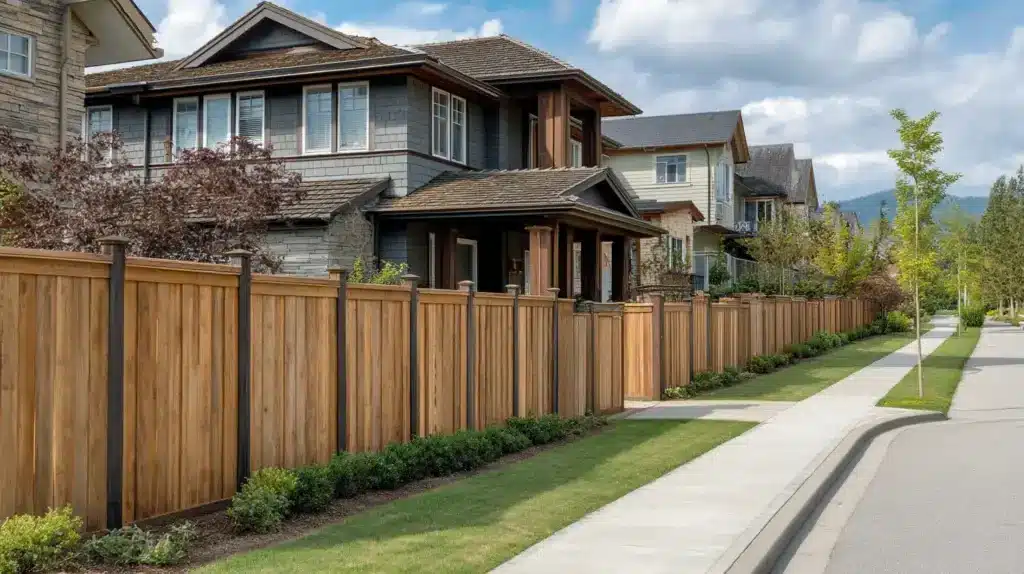
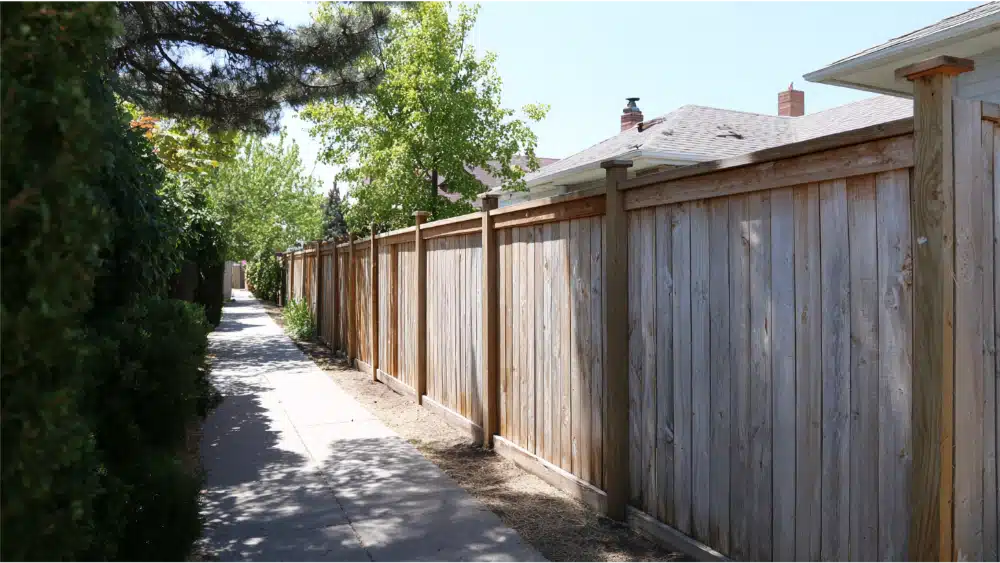
A natural wood fence brings rustic charm and a traditional aesthetic. Wood offers customization through stains and paints, allowing homeowners to match their desired aesthetic. The natural appearance and texture of wood connect a home to its landscape and add timeless curb appeal.
The Clean Consistency of Vinyl
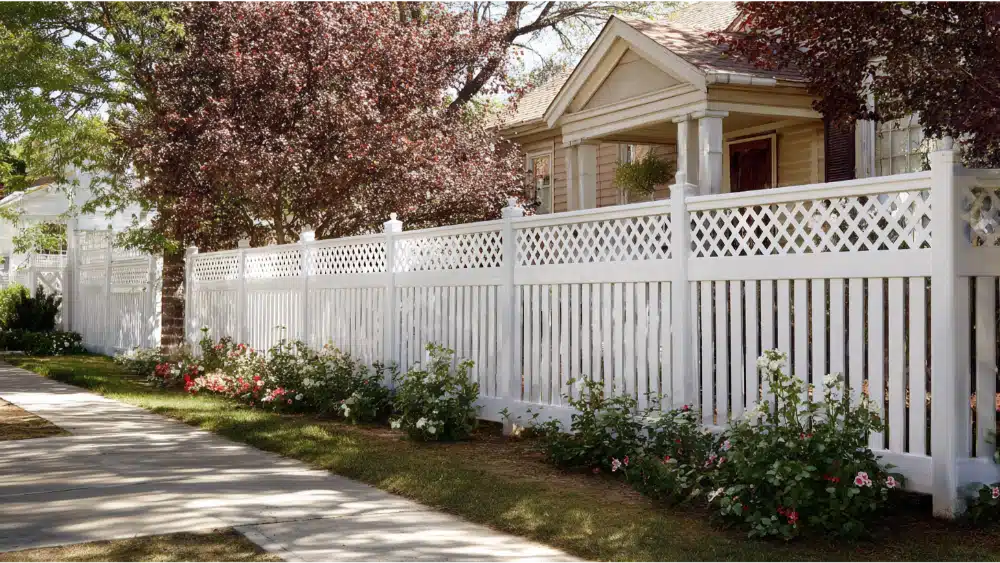
Vinyl fences deliver a clean, polished look that stays consistent year after year. Many homeowners appreciate how vinyl privacy fencing frames their outdoor space without visual clutter. Vinyl vs wood aesthetics often come down to whether you value uniformity or organic character.
Environmental Considerations: A Balanced View
Environmental impact matters to many homeowners. Wood sourced from sustainably managed forests is renewable and biodegradable. Vinyl fencing is durable and long lasting, but its manufacturing process involves synthetic materials. Choosing between vinyl and wood often comes down to balancing longevity with natural material preferences. The most environmentally responsible fence is often the one that does not need early replacement.
Privacy, Security, and Family Life
Both wood privacy fence designs and vinyl privacy options provide excellent screening when built with solid panels. A privacy fence creates comfort and security for families. Vinyl fences offer smooth surfaces that are friendly for kids and pets. Wood and vinyl both deliver strong residential fencing solutions when installed with care.
Which Fence Is Best for You?
Choose Wood If You
Appreciate natural beauty, want a cost effective option with lower initial cost, and are comfortable with regular maintenance. A wooden fence suits homeowners who value a natural aesthetic and hands on care.
Choose Vinyl If You
Prefer a low maintenance option, want minimal upkeep, and plan to stay in your home long term. Vinyl fencing suits homeowners seeking a maintenance free fence feel and predictable appearance.
Wood vs Vinyl Fence FAQs
Is wood or vinyl cheaper in the long run?
Wood has a lower initial cost, but vinyl often balances out over time due to lower maintenance cost and fewer repairs.
Does vinyl crack or turn yellow?
High quality vinyl materials resist discoloration. Proper installation and occasional cleaning help vinyl stay bright.
Can a wood fence last as long as vinyl?
Yes, with proper maintenance, quality materials, and attention to prevent rot and insect damage.
Which fence adds more home value?
Both wood and vinyl can boost curb appeal and value when they match the home and are well maintained.
What is better for a new fence in sunny climates?
Vinyl privacy performs well with sun exposure, while wood performs well when protected with proper maintenance.
Final Thoughts: From Uncertainty to Confidence
Choosing between wood vs vinyl fence options does not need to be stressful. Both wood and vinyl fences offer strength, privacy, and beauty when thoughtfully selected. The perfect fence is the one that fits your lifestyle, your budget, and how you want to enjoy your outdoor space. From a natural wood fence with rustic charm to a vinyl privacy solution with minimal maintenance, the right fence brings confidence every time you step outside.
A Friendly Invitation
If you are ready to choose the right fence and want guidance you can trust, we are here. From planning a new fence to ensuring professional installation, your yard deserves a beautiful fence built to last. Let us build something strong together.