A wood fence should bring comfort, privacy, and pride the moment it goes up. It should frame your yard, protect what matters most, and quietly do its job year after year. But when rot starts creeping in, that sense of security fades fast. Fence rot can turn solid posts into weak points, beautiful boards into soft spots, and a once sturdy fence line into a costly headache. The good news is that proven wood fence rot prevention methods exist, and when they are done right, a fence stands strong for decades instead of years.
This guide is written to help homeowners understand why rot happens, how to stop it, and how to protect the structural integrity and aesthetic appeal of a wooden fence over the long term.
What Actually Causes Wood Fence Rot? (And Why It’s So Common)
Fence rot is not random. It is the result of environmental factors working against wood over time. When wood is constantly exposed to water, oxygen, and organic material, fungal growth begins. That fungal growth feeds on the fibers inside the wood, weakening it from the inside out.
The Science Behind Wood Rot (In Plain English)
Wood rot is a biological process. Microscopic fungi thrive when moisture levels stay high. Once moisture penetration occurs, fungi begin breaking down the wood cells. Over time, this leads to moisture damage, loss of strength, and visible decay. Ground line rot is especially dangerous because it attacks fence posts where they carry the most load.
The Most Common Moisture Sources Around Fences
Moisture buildup often comes from everyday conditions. Ground moisture wicks upward from soil. Sprinkler systems spray the same sections repeatedly. Poor drainage allows water pooling near post holes. Harsh weather brings rain followed by slow drying. Together, these factors create prolonged exposure that leads to wood rot and insect damage.
Why Most Fence Rot Starts at the Ground Line
The ground level is where moisture, oxygen, and soil organisms meet. Fence posts set directly in soil or improperly protected concrete footings absorb moisture continuously. Over time, absorbing moisture weakens the post, leading to fence rot that compromises the entire structure.
The #1 Rule of Wood Fence Rot Prevention: Control Moisture
If there is one rule that matters more than any other, it is moisture control. Prevent rot by limiting direct contact between wood and water, and by giving water a way to drain and evaporate. A wood fence fails not because it gets wet, but because it stays wet.
Preventing excess moisture means addressing drainage issues, improving airflow, and avoiding conditions that trap moisture around posts and boards.
Choosing the Right Wood to Resist Rot From the Start
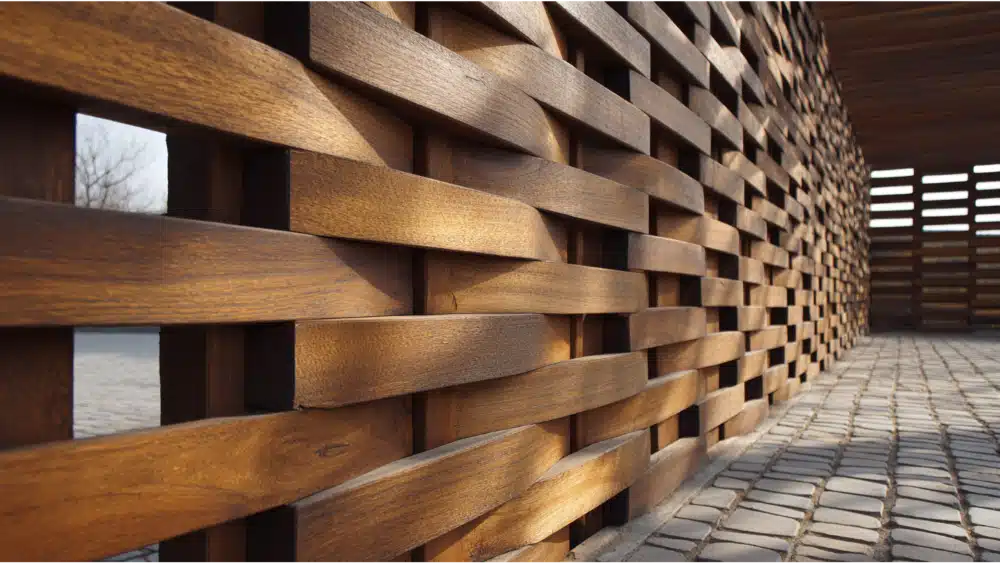
Pressure Treated Wood and What Ground Contact Rated Really Means
Pressure treated wood is treated with preservatives that resist rot and insect infestation. However, not all pressure treated lumber is created equal. Fence posts must be rated for ground contact. Using above ground material in soil is one of the most common reasons fences fail early.
Pressure treated wood slows moisture absorption and helps prevent decay, but it does not make wood waterproof. Cut ends still need a wood preservative to protect against moisture penetration.
Cedar vs Redwood vs Pine
Cedar and redwood offer natural resistance to rot because of their oils. Pine and fir rely more heavily on pressure treated protection. While natural resistance helps, no wood species survives poor drainage or constant ground contact.
Why Wood Choice Alone Is Never Enough
Many homeowners believe the right materials alone will prevent rot. In reality, proper installation techniques matter more. A modest material installed correctly often outperforms premium materials that are improperly installed.
Fence Post Installation Methods That Prevent Rot Long-Term
Gravel vs Concrete: What Actually Works Best
Concrete footings are common, but they can trap moisture if installed incorrectly. When concrete is flat or cracked, water collects around the post. Adding gravel beneath and around the post improves adequate drainage and reduces moisture buildup.
Gravel allows water runoff instead of water pooling, which significantly extend the life of fence posts.
The Importance of a Gravel Base and Proper Sloping
Post holes should include adding gravel at the bottom. This layer supports drainage and prevents prolonged exposure to standing water. When concrete is used, it should be sloped to divert water away from the post rather than holding it in place.
Post Wraps and Ground Line Barriers
A protective barrier at the ground line blocks moisture and oxygen where rot starts most often. These barriers help prevent rot and insect damage, especially in areas with poor drainage or frequent irrigation.
Keep Wood Off the Ground Everywhere
Proper Clearance for Fence Boards
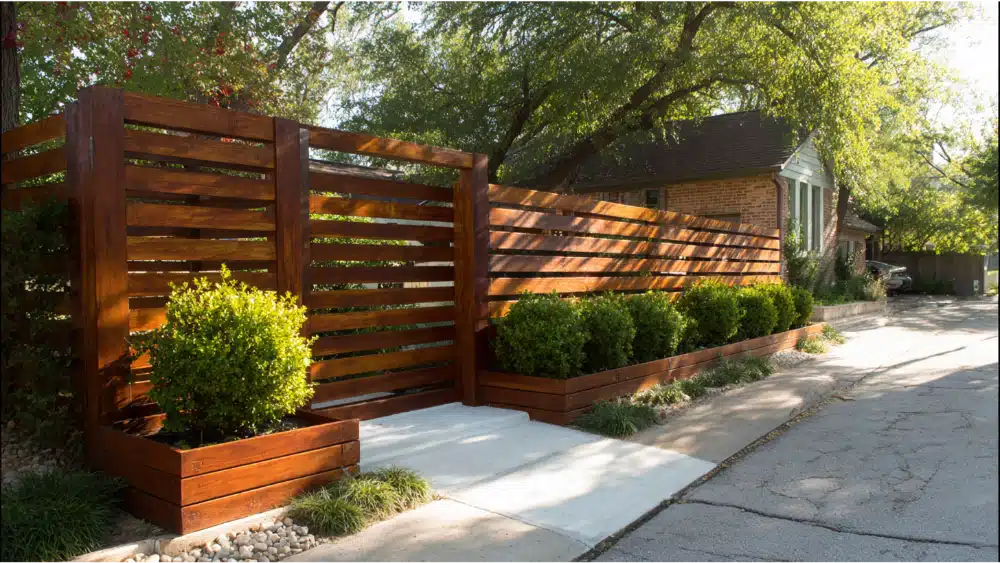
Fence boards should never sit in direct contact with soil. Even small gaps reduce moisture absorption and allow airflow. This simple detail plays a major role in preventing moisture damage.
Bottom Rails and Kick Boards
A sacrificial bottom rail protects the main fence boards from ground moisture and debris. When rotted sections appear, replacing a rail is far less expensive than rebuilding an entire fence.
Landscaping Mistakes That Cause Rot Over Time
Mulch piled against a fence, soil pushed up during gardening, and raised beds touching wood all create moisture traps. These conditions cause further deterioration over time.
Sealing and Staining: Your Fence’s Weather Armor
Why Penetrating Oil Based Stains Work Best
Oil based stains penetrate deeply into the wood surface. This deep penetration helps prevents moisture while still allowing the wood to breathe. A good fence stain forms a water tight seal without trapping moisture inside.
Clear vs Semi Transparent vs Solid Stains
Clear products offer minimal protection. Semi transparent and solid wood stain options protect against uv rays, sun damage, and moisture penetration while preserving aesthetic appeal.
When to Seal a New Fence
New fences should dry before staining. Sealing too early traps moisture and leads to rot. Following manufacturer’s instructions ensures the wood is ready for treatment.
How Often You Should Re Seal
Regular maintenance includes reapplying stain every two to three years, depending on weather damage and exposure. Areas near ground contact need more frequent attention.
Small Yard Habits That Make a Big Difference
Sprinkler Placement and Overspray
Sprinkler systems that soak fence boards daily accelerate rot. Adjusting heads to divert water away reduces prolonged exposure and moisture buildup.
Airflow, Sunlight, and Vegetation
Fences surrounded by plants stay damp longer. Trimming vegetation improves airflow and drying, helping prevent decay.
Seasonal Fence Checkups
Regular inspections help catch early signs before costly repairs are needed. Look for soft spots, discoloration, or loose boards.
Common Wood Fence Rot Myths (That Cost Homeowners Money)
Pressure treated lumber can still rot. Concrete does not automatically protect posts. Paint can trap moisture and cause peeling. Rot is not inevitable when proper care is taken.
How Long Should a Properly Installed Wood Fence Last?
A properly installed and maintained fence can last 20 to 30 years or more. Without moisture control and regular maintenance, many fences fail in under a decade. Preventing rot protects your investment and avoids costly repairs.
When Rot Is Already Starting, What You Can and Cannot Save
Early Signs of Fence Rot
Soft spots near the ground level, dark staining, leaning posts, and crumbling fibers are early detection clues. These signs often appear before full failure.
When Repair Makes Sense
If rot is limited to small areas, replacing rotted sections or individual fence posts can restore structural integrity.
When Replacement Is the Safer Choice
When multiple posts show damage, the fence may be unsafe. Replacement prevents further deterioration and ensures long term safety.
Why Professional Installation Makes the Biggest Difference
Improperly installed fences fail early. Professionals understand drainage, ground contact, and environmental factors that affect longevity. Using the right materials and installation methods helps a fence stands strong through weather damage, insect infestation, and time.
FAQs – Wood Fence Rot Prevention
How do you stop a wood fence from rotting at the bottom?
Improve drainage, keep wood off soil, seal exposed areas, and prevent moisture buildup.
Is gravel or concrete better for fence posts?
Gravel or gravel combined with sloped concrete footings offers better moisture control than concrete alone.
How often should I seal my wood fence?
Every two to three years, with attention to harsh weather exposure.
Can a rotting fence post be repaired?
Yes, if caught early. Severe rot often requires replacement.
What is the best wood for rot resistance?
Cedar and redwood have natural resistance, but installation quality matters more.
Do post caps help prevent rot?
Post caps reduce water entry from above and help protect posts.
From Constant Worry to Confidence
A fence is more than boards and posts. It protects families, defines space, and adds beauty to a home. Using proven wood fence rot prevention methods, practicing proper maintenance, and controlling moisture can significantly extend the life of a fence. With the right care, your fence can resist rot, maintain its strength, and serve your home for decades with confidence and pride.