
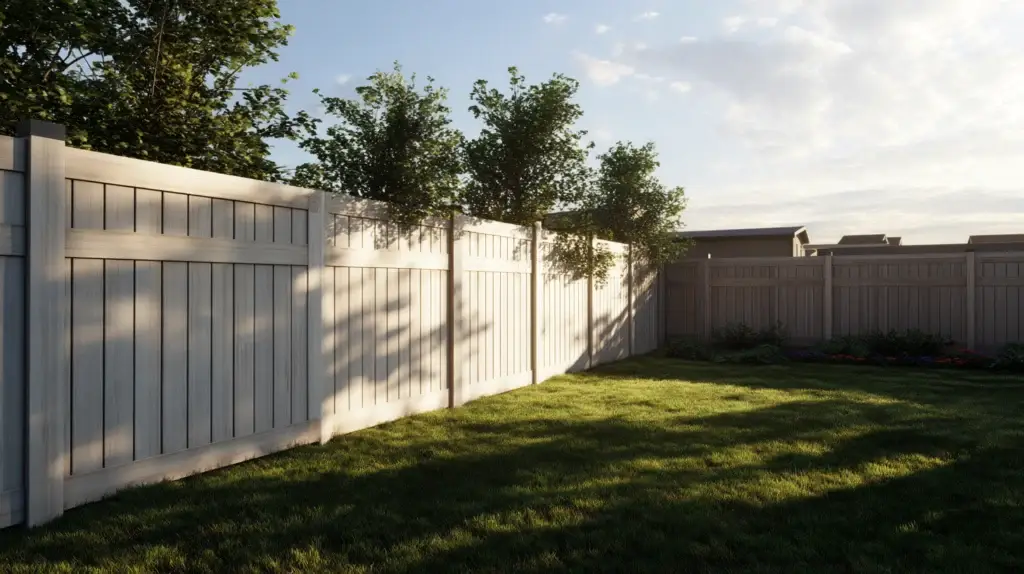
When homeowners ask us what fence provides the most privacy without blocking airflow, they are really asking how to protect their family, enjoy their outdoor space, and still feel comfortable when the breeze rolls through. No one wants an exposed yard, but no one wants to sit behind a solid wall that traps heat and air either. The right fence can turn an ordinary yard into a private backyard oasis that feels open, calm, and welcoming. With thoughtful fence style choices, smart fence material selection, and careful attention to fence height and layout along property lines, privacy and airflow can absolutely work together.
Why Privacy and Airflow Often Work Against Each Other
A privacy fence is designed to block sightlines, but airflow depends on openings that allow air to pass. Solid panels create complete privacy, but they also form a solid barrier that stops breezes and pushes wind pressure directly into fence posts and the entire fence structure. Over time, this pressure can affect wood posts, metal posts, and even the fence panels themselves. Many homeowners seeking comfort in their outdoor living space do not realize that airflow also helps with moisture control, heat reduction, and noise reduction from reflected sound waves. The challenge is finding a fence style that balances maximum privacy with airflow so the yard feels protected but not closed in.
The Best Fence Styles for Privacy Without Blocking Airflow
Louvered Privacy Fence Designs
Louvered designs are often the best answer to what fence provides the most privacy without blocking airflow. The angled boards interrupt direct views while still allowing air to pass between slats. This fence style creates complete privacy from normal angles without acting like a solid fence. Homeowners love louvered privacy fence ideas because they provide innovative fencing solutions that feel modern and intentional. Louvered designs work beautifully as wood privacy fences and can also be adapted to composite materials for minimal upkeep. With the right fence height and spacing, they protect an exposed yard while improving curb appeal and creating a private sanctuary.
Shadowbox Fence Styles
A shadowbox fence is a classic choice for balancing privacy and airflow. Overlapping boards are attached on alternating sides of the fence line, which blocks straight on views while letting air move through the gaps. Shadowbox fence designs feel neighbor friendly because both sides of the fence look finished. They are a popular semi private option for homeowners who want privacy screens without building a solid panel fence. When installed with pressure treated pine fence boards and strong wood posts, a shadowbox fence can be a long lasting fence that handles harsh weather well.
Semi Private and Semi Privacy Fence Options
Semi private and semi privacy fence designs use controlled spacing to block sightlines without sealing off the yard. These designs are often seen in horizontal fences where fence boards are spaced evenly. The spacing allows air to pass, reduces wind pressure, and keeps the outdoor space comfortable. Semi private fences are especially effective when paired with climbing plants or climbing vines that soften the look while increasing privacy over time. These privacy fence ideas are cost effective and flexible, making them a favorite for homeowners seeking comfort and aesthetic appeal.
Lattice and Privacy Screens
Adding lattice sections or privacy screens above solid sections is another way to balance privacy and airflow. The lower portion of the fence provides maximum privacy, while the upper section allows air to pass freely. This approach helps maintain complete privacy at eye level without creating a solid wall from ground to top. Lattice works well with wood fences, vinyl fences, and even composite fences, and it adds natural beauty and visual interest to the sides of the fence.
Fence Styles That Maximize Privacy but Block Airflow
Solid Privacy Fences and Solid Panels
Solid privacy fences use solid panels or board on board construction to eliminate gaps. These solid fence designs create maximum privacy and noise reduction, but they also block airflow almost entirely. A solid panel fence acts like a solid barrier, pushing wind force into fence posts and along the entire fence structure. Solid panels make sense along busy roads or where sound waves from traffic are a concern, but they are not ideal for homeowners who want airflow in their outdoor space.
Stockade and Solid Wall Designs
Stockade fences and solid wall designs provide complete privacy at a lower upfront cost, but they create an enclosed feeling. These solid fences can make an exposed yard feel boxed in and warm during summer months. While cost effective initially, they may require more maintenance due to wind stress and moisture buildup.
How Airflow Friendly Fences Handle Wind Better
Fences that allow air to pass reduce pressure on fence posts, wood posts, and metal posts. When wind flows through rather than pushing against a solid barrier, the fence experiences less strain. This improves durability and helps create a long lasting fence. Airflow friendly designs also help reduce moisture buildup, which can resist rot in wood fences and protect composite materials from unnecessary wear. This difference can make all the difference in how a new fence performs over time.
Choosing the Right Fence for Your Yard
Questions to Ask Before You Choose
Start by thinking about how you use your outdoor living space. Do you want complete privacy around a patio or pool, or just along one fence line near property lines? How tall does the fence height need to be to block neighboring views? Are you replacing an existing fence or building a new fence from scratch? These questions help narrow down the right fence style and fence material for your needs.
Matching Fence Style to Layout
Smaller yards benefit from airflow friendly designs that do not feel like a solid wall. Larger properties can mix fence styles, using solid privacy fences where maximum privacy is needed and semi private sections elsewhere. Corner lots often require special attention to curb appeal since both sides of the fence are visible.
Fence Materials That Work Best
Wood Fences and Wood Privacy Fences
Wood fences offer unmatched flexibility. Wood privacy fences can be built with louvers, overlapping boards, shadowbox designs, or semi private spacing. Pressure treated pine is commonly used because it resists rot and holds up well in harsh weather. Wood posts provide strength, and wood fibers give the fence its natural beauty. Unlike wood alternatives, wood fences are easy to customize for airflow and privacy.
Vinyl Fences and Vinyl Panels
Vinyl fences are known for minimal maintenance and minimal upkeep. Vinyl panels often come as solid panels, which limits airflow, but some designs include privacy slats or lattice tops. Vinyl fences are popular for homeowners seeking low maintenance durability, but airflow options are more limited compared to wood.
Composite Fences and Composite Materials
Composite fences are made from composite materials that often include recycled wood fibers. These fences offer durability, resist rot, and require minimal upkeep. Composite fences can be designed with spacing or decorative sections, but many composite fences lean toward solid panels. When designed thoughtfully, composite materials can still support semi private layouts and privacy fence ideas that allow air to pass.
Metal Fences and Aluminum Fencing
Metal fences, including aluminum fencing and wrought iron, naturally allow airflow but offer less privacy on their own. Privacy slats or privacy screens can be added to metal fences to increase privacy. Corrugated metal sheets can also be used creatively in semi private designs, blending industrial style with airflow. Chain link fences and an existing chain link fence can be upgraded with privacy screens or slats for a cost effective solution.
Cost Expectations and Value
Privacy fence installation costs vary by fence material, fence height, and design complexity. In many cases, airflow friendly designs cost slightly more upfront due to customization, but they add property value, comfort, and longevity. A high quality fencing solutions approach focuses on long term value rather than just initial price.
Common Mistakes Homeowners Make
A common mistake is choosing a solid fence without considering airflow or local building codes. Another is assuming complete privacy is necessary everywhere, instead of focusing on key areas. Ignoring fence posts strength, property lines, or the sides of the fence can also lead to issues later.
Privacy Fence Ideas That Balance Comfort and Style
Privacy fence ideas that combine airflow and protection include horizontal fences with spacing, semi privacy fence layouts, lattice toppers, and mixed material designs. Best privacy fence ideas focus on innovative fencing solutions that enhance curb appeal, create a private backyard oasis, and turn the yard into a private sanctuary rather than a sealed enclosure.
Frequently Asked Questions
What fence provides the most privacy without blocking airflow?
Louvered fences, shadowbox fences, and semi-private designs with intentional gaps or angled slats offer maximum privacy while allowing air to pass through, maintaining airflow in your outdoor space.
Are solid privacy fences bad for airflow?
Yes, solid privacy fences block airflow completely, which can trap heat and increase wind pressure on fence posts and panels. They are best used in areas where maximum privacy and noise reduction are needed but not where ventilation is a priority.
Can I add privacy to an existing chain link fence without blocking airflow?
Yes, adding privacy slats or privacy screens to an existing chain link fence can increase privacy while still allowing air to flow through the gaps in the mesh, making it a cost-effective solution.
What fence materials are best for balancing privacy and airflow?
Wood fences with louvered or shadowbox designs, vinyl fences with lattice tops, and metal fences with privacy slats provide a good balance of privacy and airflow. Composite fences can also be designed with spacing to allow air passage.
How does fence design affect durability in windy areas?
Fences that allow air to pass through, like shadowbox or louvered styles, reduce wind pressure on fence posts and panels, improving durability and longevity compared to solid panel fences that act like sails and face higher wind loads.
Final Thoughts
The right fence is about more than blocking views. It is about creating a protective barrier that feels comfortable, looks beautiful, and supports how you live outdoors. Whether you choose wood fences, vinyl fences, composite fences, or metal fences, thoughtful design makes all the difference. With the right fence style, proper fence panels, strong fence posts, and professional installation, you can enjoy maximum privacy while still letting air to pass. The result is an outdoor space that feels peaceful, functional, and truly your own.


