
Choosing what type of wood fence is best for my climate is one of the most important decisions a homeowner can make for their outdoor space. A fence is not just a boundary. It protects your family, frames your yard, and adds pride to your home. But not every type of wood performs the same once it is exposed to sun, rain, wind, and seasonal changes. Many homeowners learn this the hard way when a fence starts to lean, crack, or eventually rot far sooner than expected. The good news is that when the right material is paired with your local climate, a wood fence can be a long lasting fence that delivers natural beauty, strength, and peace of mind for years.
Why Climate Matters More Than Most Fence Guides Admit

Climate plays a larger role in fence performance than style or color. Wood reacts constantly to its environment. Temperature, moisture, and sun exposure all influence how wood fibers expand, contract, and age. Ignoring climate often leads to frequent repairs and frustration.
The Real Enemies of a Wood Fence
Moisture is the biggest threat to any wood fence. When boards absorb moisture and cannot dry out, decay begins. Prolonged exposure to damp conditions encourages rot and insects, which slowly weaken the fence from the inside. Sunlight is another challenge. Strong uv rays dry out wood, leading to splitting and warping over time. In colder climates, freeze and thaw cycles force moisture in and out of the wood, stressing the structure and reducing its fence’s lifespan.
Why the Same Fence Performs Differently From Yard to Yard
Two wooden fences built with similar fence materials can age very differently. One yard drains well and gets sun, while another remains shaded and wet. Sprinklers that constantly hit the boards cause wood to absorb moisture daily. This is why understanding your local climate and yard conditions makes all the difference when choosing the right fence.
The Best Wood Fence Types by Climate
The best wood for fencing depends on how your climate treats wood over time. Matching the type of wood to your environment protects structural integrity and reduces maintenance stress.
Best Wood Fence for Humid and Wet Climates
In wet climates and humid climates, the fence must handle constant moisture. Cedar wood and western red cedar are naturally resistant to decay because of their natural oils. These oils provide natural resistance to rot and insect infestations, making cedar fence designs a durable choice. Redwood also performs well in damp conditions and offers rich color and aesthetic appeal. However, posts are the most vulnerable part of any fence in wet climates. Using pressure treated wood for fence posts is critical to resist rot and maintain strength.
Best Wood Fence for Coastal Climates
Coastal environments combine moisture with salt air, which is especially hard on fencing options. Cedar wood and redwood remain popular because they offer resistance to rot and maintain visual appeal near the ocean. Fasteners and hardware must also be chosen carefully to prevent corrosion. Fence panels that allow airflow help wood stands dry faster, which reduces the risk of damage.
Best Wood Fence for Hot and Dry Climates
Dry climates reduce moisture issues but introduce intense sun exposure. Uv rays break down wood fibers over time, causing cracking and fading. Cedar fence installations perform well here due to straight grain and dimensional stability. Pressure treated pine can also be used for fence posts, while boards benefit from proper sealing to protect against sun damage. In these regions, proper maintenance focuses more on sun protection than moisture protection.
Best Wood Fence for Cold and Snowy Climates
In colder climates, snow can trap moisture against the bottom of a fence for long periods. This prolonged exposure weakens untreated wood. Pressure treated wood rated for ground contact is essential for fence posts. Boards should be installed with clearance from the ground so they can dry when snow melts. This approach supports a durable fence that stands up to winter stress.
Cedar vs Redwood vs Pressure Treated Wood

Comparing fence materials helps homeowners feel confident about their choice.
Cedar Fence Benefits and Considerations
A cedar fence is valued for natural beauty, rich color, and minimal maintenance compared to many other wood types. Cedar wood contains natural oils that provide resistance to rot and insects. This makes cedar naturally resistant and a durable wood option for many climates. With proper maintenance, cedar offers long lasting fence performance and strong aesthetic appeal.
Redwood Fence Strengths
Redwood offers exceptional durability and visual appeal. Its natural durability and resistance to rot make it highly durable in many climates. Heartwood redwood performs best, while sapwood is less resistant. Redwood often has a higher initial cost, but many homeowners appreciate its timeless look and durability.
Pressure Treated Wood and Pressure Treated Pine
Pressure treated wood is essential where wood comes into contact with soil. Pressure treated pine is commonly used for fence posts because it is extremely durable and resists rot and insects when properly treated. Modern pressure treated lumber is designed for outdoor use and provides excellent moisture resistance. While pressure treated boards can be used above ground, many homeowners prefer cedar or redwood boards paired with pressure treated posts for balance.
The Most Important Part of Any Wood Fence
The strength of a fence depends on what holds it up.
Why Fence Posts Matter Most
Fence posts remain in contact with soil and absorb moisture constantly. This makes them the first place failures occur. Choosing pressure treated wood for posts protects the entire fence and supports long lasting fence performance.
Understanding Ground Contact Ratings
Not all pressure treated wood is the same. Ground rated pressure treated materials are designed for constant exposure to moisture and soil organisms. Using untreated wood in these areas leads to early failure and frequent repairs.
How the Right Posts Protect the Whole Fence
Strong posts maintain alignment, prevent sagging, and preserve structural integrity. This single choice can double the fence’s lifespan in many environments.
Fence Design Choices That Matter as Much as Wood Type

Even the best wood needs thoughtful design.
Keeping Wood Off the Ground
Allowing space between boards and soil reduces moisture exposure. This simple protective measure helps resist rot and reduces maintenance needs.
Airflow and Drying Time
Fence panels designed with airflow in mind dry faster after rain or irrigation. Faster drying means less chance for rot and insects to take hold.
Small Details With Big Impact
Post caps, proper rail placement, and quality fasteners protect the fence from prolonged exposure to water. These details support a durable choice that lasts.
How Long Should a Wood Fence Last in Your Climate?
A properly built wood fence can last many years when materials and installation match the environment.
Average Lifespan Expectations
In dry climates, a professionally installed wood fence may last 15 to 20 years. In wet climates or coastal regions, 12 to 15 years is common with pressure treated posts and durable wood boards. Colder climates often fall in between depending on snow exposure and maintenance.
Maintenance Versus Replacement
Regular maintenance such as sealing and staining extends life. Eventually rot or damage may require replacement, but good materials delay that moment significantly.
Wood Fence Costs in 2025
Understanding cost helps homeowners plan with confidence.
What Influences the Initial Cost
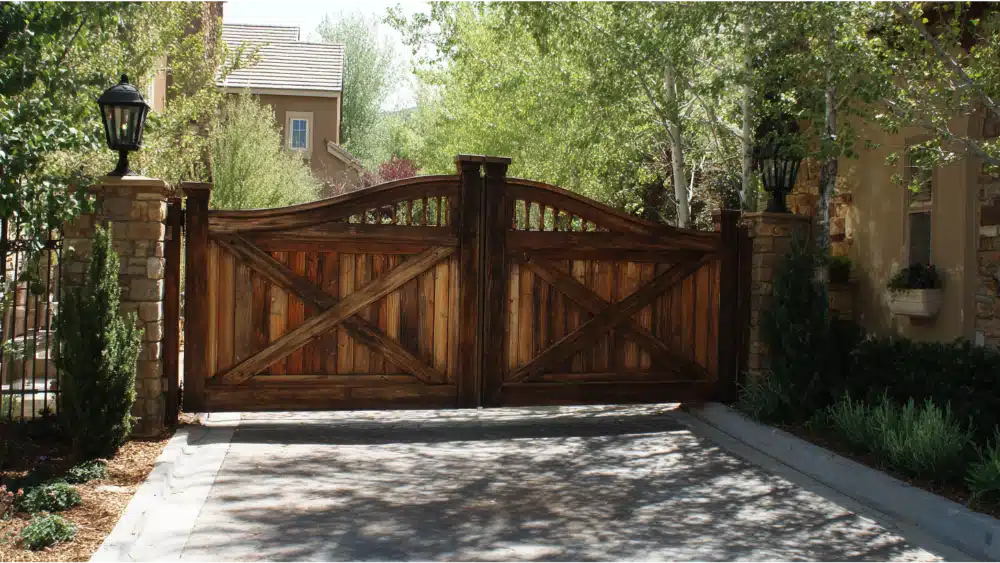
Fence size, wood types, and labor affect pricing. Wood fencing remains one of the most popular traditional materials because it balances cost, beauty, and performance. While vinyl fencing and composite fencing offer low maintenance options, many homeowners still prefer wood for its natural beauty and warmth.
Why the Right Material Saves Money
Choosing the best wood for your climate reduces frequent repairs and ongoing expenses. Spending wisely upfront often results in less maintenance and lower lifetime costs.
What Professional Fence Installation Includes
Professional installation ensures proper depth, alignment, and material use. Old fence removal, quality hardware, and correct spacing protect the investment and deliver peace of mind.
How to Choose the Right Wood Fence Without Guessing
Start by evaluating your local climate and yard conditions. Think about moisture, sun exposure, and how much regular maintenance you are comfortable with. Consider your maintenance preferences and long term goals for your outdoor space. Selecting the right fence materials and working with professionals ensures proper installation and lasting results.
Frequently Asked Questions Homeowners Ask
What type of wood fence lasts the longest?
Fences built with pressure treated posts and naturally resistant boards like cedar or redwood last the longest in most climates.
Is cedar or redwood better?
Both are durable fence materials. The right material depends on availability, budget, and desired visual appeal.
Do I really need pressure treated posts?
Yes. Pressure treated wood protects the fence where moisture exposure is highest and prevents early failure.
Can different wood types be combined?
Yes. Many wooden fences combine pressure treated pine posts with cedar fence boards for strength and beauty.
How do sprinklers affect a fence?
Constant moisture causes wood to absorb moisture and accelerates decay. Design and placement adjustments help protect the fence.
Let’s Build a Fence That Fits Your Climate and Your Life
A fence should feel solid, beautiful, and dependable. When you choose the best wood for your climate and invest in professional installation, you create a long lasting fence that protects what matters most. With the right material, proper installation, and care, your fence can stand strong, look beautiful, and make all the difference for your home and family.