A Straightforward, Homeowner-to-Homeowner Guide
Can I install a wood fence by myself is one of the most common questions many homeowners ask when they look out at their yard and imagine a cleaner line, more privacy, or a safer space for family and small dogs. The idea of building your own fence feels empowering. You picture a solid fence line, neat pickets, and the pride of saying you built your own fence with your own hands. At the same time, there is uncertainty. You wonder about the work, the tools, the digging, and whether the finished fence will truly last. This guide walks you through the reality of installing a wood fence yourself, without hype, and with the kind of honesty we would share with a neighbor over the fence.
You’re Not Alone for Wondering This
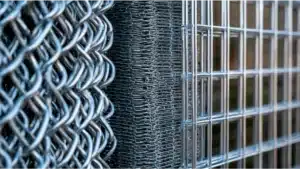
Many homeowners reach this point after noticing a leaning fence, broken picket, or outdated fence style that no longer fits their house or backyard. You may be comparing a new fence to an old chain link fence and imagining something warmer and more private. The question is not just about saving money. It is about control, pride, and whether you can realistically handle a labor intensive project in your yard. Building your own fence can feel like a rite of passage, but it also comes with real responsibility.
The Short Answer (And the Honest One)
Yes, you can install a wood fence by yourself. Many homeowners do exactly that. The more honest answer is that success depends on planning, patience, and respect for the work involved. Installing a fence is not difficult in theory, but it is demanding in practice. The project often takes a few weekends, sometimes more, and most of the effort happens before the first picket is ever attached.
What It Really Takes to Install a Wood Fence Yourself

A wood fence project is about preparation. The visible fence panels and pickets are only part of the story. The real work is below ground.
Step-by-Step Overview of a DIY Wood Fence Install
The process begins with layout. You measure the length of the fence line, place stake markers, and run a line to keep everything straight. Batter boards are often used at corners to keep reference points consistent. You confirm property lines and check desired height based on local rules. Next comes digging post holes along the entire run. This step alone involves significant digging and lifting. After digging holes to the correct depth, you set fence posts, check each post with a bubble level, and fill holes with concrete. Once the concrete sets and the concrete cure is complete, you attach rails, then fence panels or pickets individually, install gates, and finish with paint or stain. Cleanup and removal of excess dirt and soil come last.
The Most Important Part: Setting Fence Posts and Post Holes Correctly
Fence posts determine whether your fence stands straight or leans over time. Each post must be set below the frost line when applicable and deep enough to resist high winds. Post holes should be wide enough for proper concrete placement and drainage. Dry concrete or wet concrete mix can be used depending on preference, but either way the post must stay plumb until the concrete sets. Skipping this care often leads to problems. One post slightly off at ground level can throw off the entire fence line. When all the posts are aligned correctly, the rest of the fence becomes much easier.
Tools You’ll Need (And What Most Homeowners Don’t Own)
Most DIY projects require more than a hammer. A post hole digger or power auger is essential for digging holes efficiently. You will also need a bubble level, measuring tape, stakes, string line, screws, and the right tools for cutting wood. Mixing concrete by hand is tiring, especially when dealing with more posts. Renting tools helps, but it adds pressure to work quickly and can turn a calm project into a rushed one.
Permits, Property Lines, and Local Rules (The Part Most DIY Guides Skip)
A fence is a structure, not just decoration. Rules matter.
Do I Need a Permit to Build a Wood Fence?
Permit requirements vary by city and fence style. Height is often the deciding factor. Backyard fences may be allowed up to a certain foot measurement without a permit, while front yard fences are more restricted. Ignoring these rules can lead to fines or being asked to remove a new fence after all the work is done.
Property Lines and Neighbor Considerations
Property lines must be confirmed before digging holes. Building on the wrong side of the line can cause disputes that last longer than the fence itself. Shared fences require communication. Even if you build your own fence, neighbors may be affected by placement, height, and appearance.
Safety and Liability — What You’re Responsible For as a DIYer

When you build it yourself, you carry the risk.
Underground Utilities and 811 Calls
Before digging post holes, you must identify underground utilities. This step protects you from serious injury and costly damage. Digging without confirmation is one of the most dangerous mistakes in DIY fence installation.
Physical Risks of DIY Fence Installation
Fence installation is physically demanding. Digging holes, lifting wood posts, handling concrete, and carrying fence panels across the yard take a toll. Fatigue increases the chance of mistakes, especially when working over a few weekends.
Cost Breakdown — Is DIY Really Cheaper in 2025?
Cost is a major reason many homeowners consider DIY.
DIY Wood Fence Costs (Materials + Hidden Expenses)
Materials include pressure treated posts, rails, pickets, fence panels, concrete mix, screws, gates, and paint. You may need more posts than expected if spacing changes. Tool rental, disposal of old fence materials, and replacement of mistakes add to the cost. The yard size, soil condition, and distance between posts all affect the final number.
Professional Wood Fence Costs (What You’re Actually Paying For)
Professional installation includes labor, expertise, and efficiency. Crews set posts quickly, align rails precisely, and install pickets evenly. Cleanup is included, and the fence is usually completed in days rather than weeks.
When DIY Saves Money — And When It Doesn’t
DIY saves money on small projects with short length and simple layout. Large backyard projects, uneven ground, or multiple gates reduce savings. Rework due to mistakes can erase the initial budget advantage.
Common DIY Fence Mistakes (And How They Show Up Later)
Common mistakes include shallow holes, uneven spacing, and rushing the first post. If the first post is not perfect, every post after it is affected. Fence panels may not line up, pickets may not sit flush, and gates may sag. Poor soil compaction and incorrect concrete cure times lead to movement. High winds expose weak spots quickly.
When DIY Makes Sense — And When It’s Smarter to Call a Pro
DIY Might Be Right If…
DIY makes sense if the yard is flat, the fence line is short, property lines are clear, and you enjoy hands on work. Decorative picket fence projects or interior yard dividers are good candidates. Many homeowners enjoy the process when expectations are realistic.
Professional Installation Is Usually Better If…
Full backyard fences, sloped ground, tight corners, and shared boundaries benefit from professional help. Large projects with many posts, long rails, and multiple gates are more efficient with a crew.
A Realistic Question to Ask Yourself Before You Start
Ask yourself how you will feel if the fence leans after the first winter. Consider whether you want to spend a few weekends digging holes or enjoy the finished fence sooner. Think about the value of your time and the stress level you are willing to accept.
FAQs — Homeowners Also Ask
How long does it take to install a wood fence?
Most DIY projects take a few weekends, sometimes longer depending on weather, soil, and experience. Professionals often complete the same project in a few days.
Can I install a fence without concrete?
Some homeowners use gravel, but concrete provides better long term stability for most wood fence posts.
What type of wood is best for a DIY fence?
Pressure treated wood is common for posts due to durability. Cedar and redwood are popular for pickets and panels because of appearance.
Will a DIY fence last as long as a professionally installed one?
A DIY fence can last if posts are set correctly, depth is sufficient, and maintenance is consistent. Mistakes below ground shorten lifespan quickly.
So, Can I Install a Wood Fence by Myself?
You can install a wood fence by yourself if you plan carefully, respect the work, and commit to doing it right. A fence defines your space, protects your yard, and adds pride to your house. Whether you choose DIY or professional installation, the goal is the same, a strong, straight fence that you can trust every time you step outside.
Attaching Fence Panels: The Final Steps to a Beautiful Fence
Once all the posts are set and rails attached, hanging the fence panels is the last major step. Proper alignment and securing the panels with screws ensures a neat, long-lasting fence. Taking care to maintain consistent spacing and height creates a polished look that enhances your yard’s curb appeal.