A privacy fence brings peace, security, and beauty to a backyard. It creates a space where families relax, children play, and neighbors enjoy quiet evenings outdoors. Like any outdoor structure, a fence benefits from regular care. Without attention, exposure to weather, moisture, and sunlight can slowly weaken materials and shorten a fence’s lifespan. A thoughtful privacy fence maintenance schedule helps homeowners protect their fencing investment while preserving curb appeal and safety. The good news is that fence maintenance does not need to be complicated. With a clear plan and a simple fence maintenance checklist, homeowners can care for their fence regularly and avoid costly repairs later. Whether you own a classic wood fence, a vinyl fence, aluminum fences, chain link fences, or composite fencing, understanding the right fence maintenance schedule keeps the entire fence structure looking great and standing strong.
Why a Privacy Fence Maintenance Schedule Matters
Extends the Life of Your Fence
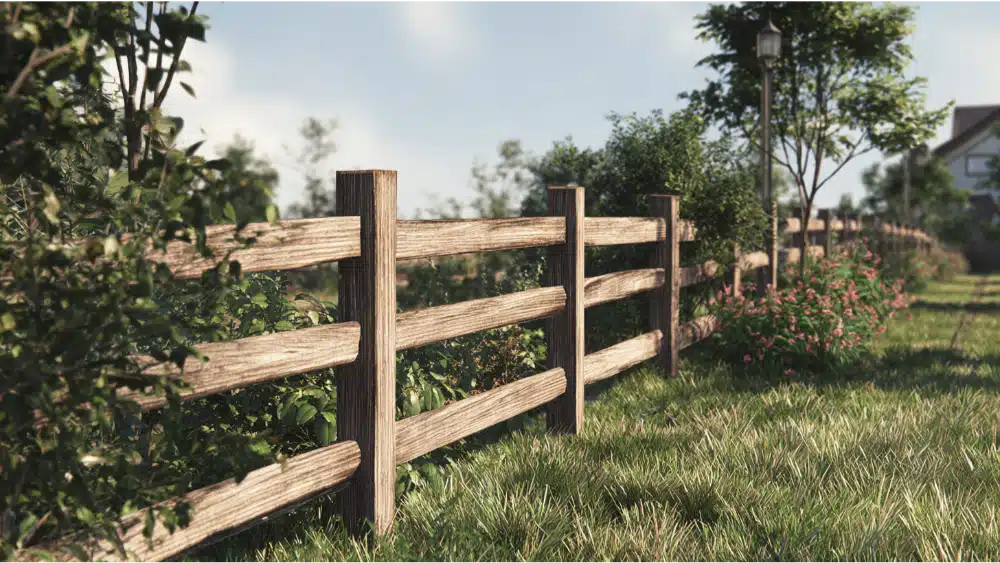
A fence stands outdoors every day of the year. Rain, winter weather, intense heat, and uv rays all place stress on fence materials. Over time, this exposure can cause sun damage, wood rot, rust spots, or loose components that affect the entire fence. Regular maintenance helps prevent these problems before they spread. By following a consistent fence maintenance schedule, homeowners extend fence life and preserve the fence’s lifespan for many years. Even simple maintenance tasks such as checking for loose boards or cleaning the fence line contribute to proper fence maintenance. The fencing industry consistently emphasizes routine maintenance as one of the most important factors in maximizing fence life.
Protects Your Home’s Security and Privacy
A fence is meant to protect the privacy of your yard and create a secure boundary around your property. If the fence line begins to lean or if loose posts develop near fence posts at ground level, the entire fence structure may weaken. Proper maintenance ensures the fence remains sturdy and dependable. Regular inspections allow homeowners to catch problems like loose boards, damaged boards, loose nails, or loose screws before they threaten the entire fence line.
Protects Your Fencing Investment
Installing a fence represents a meaningful investment in your property. A well maintained fence improves curb appeal and protects property boundaries. Neglecting fence maintenance may lead to wood rot, corrosion on metal fences, or structural damage that requires costly repairs. A simple general fence maintenance checklist ensures that small issues are addressed early, saving homeowners money while protecting their fencing investment.
The Simple Yearly Privacy Fence Maintenance Schedule
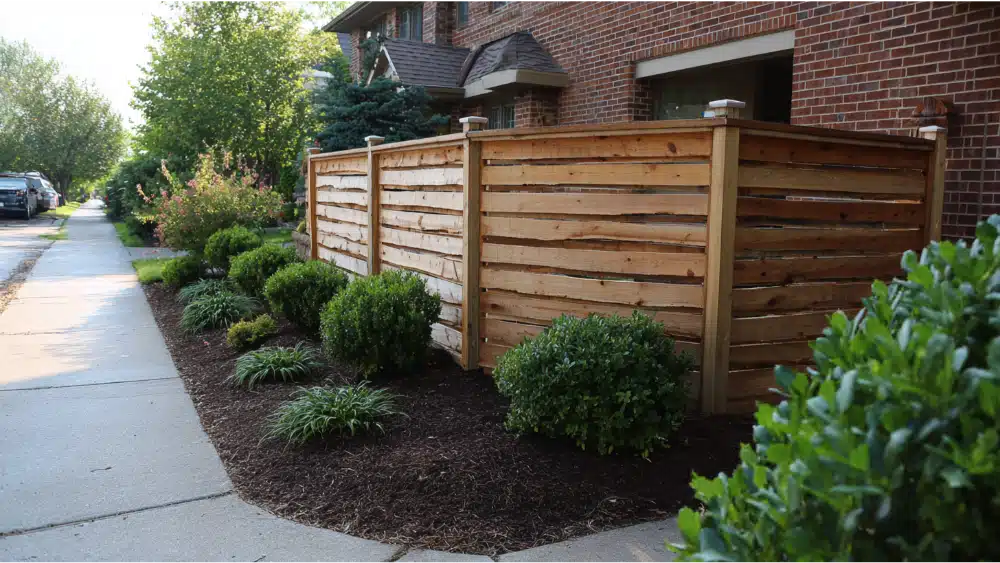
Following a clear privacy fence maintenance schedule makes caring for a fence much easier. Rather than waiting for problems to appear, homeowners can rely on routine maintenance and seasonal inspections. A simple fence maintenance checklist performed throughout the year helps keep the entire fence strong and attractive.
Monthly Walk Around Checks
A quick walk along the fence line every month helps homeowners identify small issues before they spread. Look closely at the entire fence line and inspect each section for loose boards, loose nails, loose screws, or damaged boards. Check fence posts at ground level to ensure they remain stable and secure. Loose posts can weaken the entire fence structure if left unattended. During these inspections, also check connection points between panels and rails. Tightening loose components helps maintain the fence’s smooth operation and prevents future fence repairs. These quick checks are a valuable part of proper fence maintenance and help protect the fence life over time.
Spring Fence Maintenance
Spring is the most important time for fence maintenance. Winter weather often leaves behind winter damage such as moisture buildup, soil erosion near fence posts, and debris along the fence line. Begin by cleaning the entire fence using a garden hose or mild soap solution. For stubborn buildup, a soft brush can help remove dirt without damaging the fence materials. Some homeowners use a pressure washer, though gentle pressure is recommended to avoid damaging wood fibers or protective coatings.
Spring is also the perfect time to trim vegetation and control vegetation growing against the fence. Plants pressed tightly against the fence can trap moisture and prevent proper air circulation. Increased moisture can lead to wood rot in wooden fences or corrosion in metal fences. Maintaining proper spacing between plants and the fence helps prevent these issues.
During spring maintenance, inspect the entire fence line carefully. Look for loose boards, loose posts, loose nails, and damaged boards. Examine gate hardware and gate hinges to ensure smooth operation. Tightening connection points and securing loose components now prevents more serious fence repairs later.
Summer Fence Care
Summer brings intense heat and strong uv rays that can cause sun damage to many fence materials. Wooden fences and a classic wood fence benefit from additional wood fence maintenance during the summer months. Inspect the wood fence for signs of fading, cracking, or wood rot. If necessary, apply a fresh coat of protective coatings or stain to protect the wood fence from uv rays and moisture.
When performing wood fence maintenance, ensure the wood surface is clean before applying a fresh coat. Cleaning with a garden hose and mild soap helps remove dirt that may interfere with protective coatings. A soft brush can assist in cleaning areas where debris collects. Proper maintenance during the summer months helps prevent insect damage and preserves the beauty of a wood fence.
Summer is also a good time to examine fence posts and check for soil erosion around the base. Poor drainage can weaken posts at ground level, especially in areas that experience heavy watering or rainfall. Ensuring proper drainage helps protect fence posts and prevents structural issues along the entire fence line.
Fall Fence Maintenance
Fall is an ideal season for another round of fence maintenance. Falling leaves and organic debris often collect along the fence line and trap moisture against fence materials. Increased moisture can accelerate wood rot in wooden fences or cause corrosion on metal fences. Removing debris allows proper air circulation and helps prevent long term damage.
During fall maintenance, walk along the entire fence and inspect connection points again. Tighten loose screws, replace loose nails, and check for loose boards or damaged boards. Ensure gate hardware and gate hinges remain secure so the gate continues to operate with smooth operation.
Cleaning the fence again with a garden hose and mild soap solution removes dirt and prepares the fence for winter weather. Many homeowners include these tasks in a seasonal fence maintenance checklist to maintain consistent maintenance throughout the year.
After Major Storms
Storms, high winds, and heavy rain can stress any fence. After severe weather, inspect the entire fence structure carefully. Check for loose posts, broken boards, and loose components that may have shifted during the storm. Look for tree limbs that may have fallen against the fence or sections where soil erosion may have exposed fence posts. Addressing storm damage quickly prevents larger structural problems and helps protect fence life.
Maintenance Schedule by Fence Material
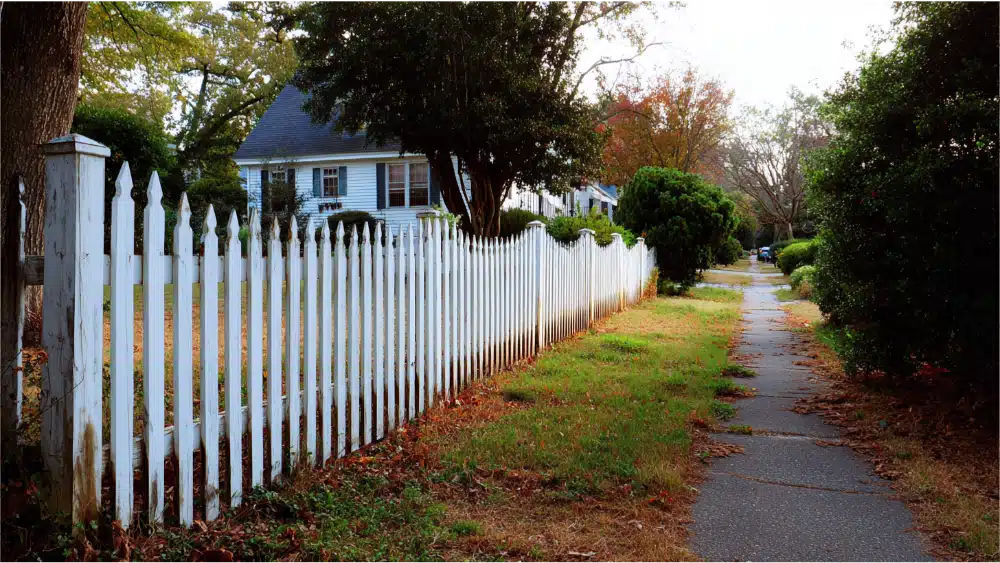
Different fence materials require different levels of care. Understanding the specific needs of each fence type helps homeowners create an effective fence maintenance schedule.
Wood Privacy Fence Maintenance Schedule
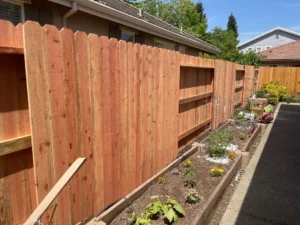
Wooden fences remain one of the most popular privacy options. A classic wood fence provides warmth, natural beauty, and strong privacy for many homes. However, wood fence maintenance is essential to protect wooden fences from moisture and sun exposure.
Cleaning
Cleaning a wood fence should be part of every general fence maintenance checklist. Wash the wood fence with a garden hose and mild soap solution once or twice each year. Use a soft brush to remove buildup that can trap moisture. This simple cleaning routine helps prevent wood rot and protects the entire fence structure.
Sealing or Staining
Wood fence maintenance also includes applying protective coatings. A fresh coat of stain or sealant every few years protects wooden fences from uv rays, sun damage, and increased moisture. Protective coatings help extend the fence’s lifespan and maintain curb appeal.
Repairs
Inspect wooden fences regularly for damaged boards, loose nails, and loose boards. Small repairs made early prevent wood rot from spreading. Pay close attention to fence posts at ground level where moisture exposure is highest.
Common Wood Fence Problems
Common issues in wooden fences include wood rot, insect damage, loose boards, and sun damage. Proper fence maintenance and consistent maintenance help prevent these problems and extend fence life.
Vinyl Privacy Fence Maintenance Schedule
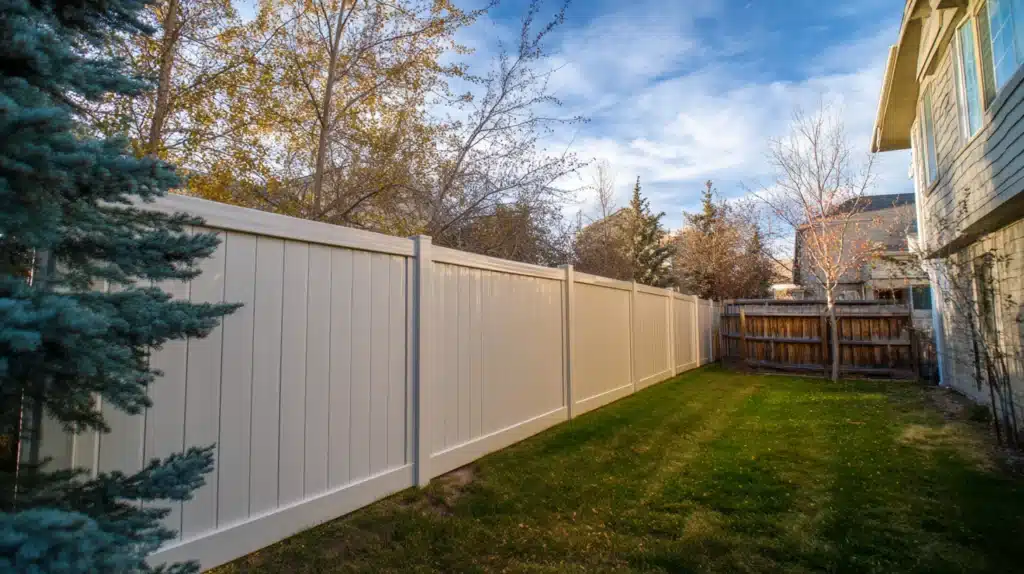
A vinyl fence offers a low maintenance option for homeowners who want privacy without frequent upkeep. Vinyl fence panels resist moisture and do not suffer from wood rot.
Cleaning
Vinyl fence maintenance usually involves cleaning the fence annually or twice per year. Use a garden hose and mild soap to remove dirt, pollen, or stains. A soft brush works well for areas where buildup occurs.
Inspection
Although vinyl fence panels require less maintenance than wooden fences, homeowners should still inspect connection points and gate hardware regularly. Check for loose components and ensure the entire fence remains aligned.
Benefits
Vinyl fence systems offer low maintenance durability and excellent curb appeal. Because they resist insect damage and do not require protective coatings, vinyl fence installations are considered a low maintenance choice among modern fence materials.
Aluminum Fence Maintenance Schedule
Aluminum fences provide strength and elegance with relatively low maintenance needs. Many aluminum fences include a rust resistant coating that protects against corrosion.
Cleaning
Clean aluminum fences once or twice per year using a garden hose and mild soap solution. A soft brush helps remove debris along the fence line.
Inspection
Inspect aluminum fences for rust spots or scratches that could compromise the rust resistant coating. Early rust prevention keeps metal fences in excellent condition.
Hardware
Check gate hinges, gate hardware, and connection points to ensure smooth operation. Tightening loose screws helps maintain the stability of metal fences.
Composite Fence Maintenance Schedule
Composite fencing blends recycled wood fibers with durable polymers. This fence type offers a balance between natural appearance and low maintenance durability.
Cleaning
Composite fencing generally requires only occasional cleaning with a garden hose and mild soap.
Inspection
Even with composite fencing, homeowners should inspect connection points and ensure loose components are secured.
Benefits
Composite fencing resists wood rot, insect damage, and sun damage, making it an appealing low maintenance option among fence materials.
Chain Link Fence Maintenance Schedule
Although this guide focuses on privacy fences, chain link fence maintenance is worth mentioning because chain link fences are common in many properties.
Chain link fences require routine inspections to check for rust spots and loose components along the entire fence line. Cleaning chain link with a garden hose helps remove dirt and debris. Rust prevention is especially important for chain link fence maintenance. Protective coatings may be applied if rust spots appear. Chain link fences are considered durable and low maintenance compared to wooden fences, though periodic inspections help preserve fence life.
7 Easy Fence Maintenance Tips That Save Homeowners Money
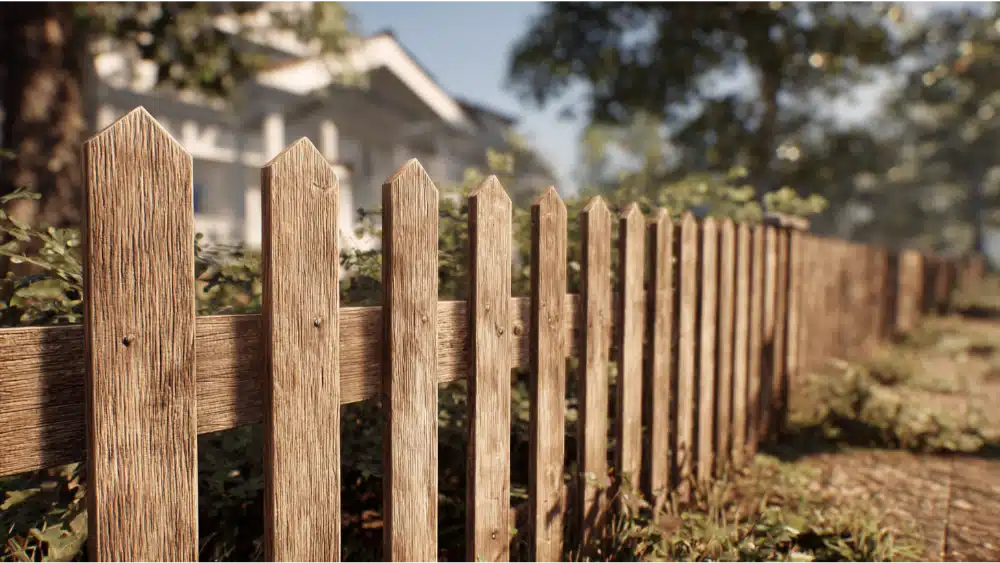
Good fence maintenance habits protect your fencing investment and extend fence life. These maintenance tips are simple but effective.
First, fence regularly to spot problems early. Walk along the entire fence line during quarterly inspections to check for loose boards, damaged boards, and loose posts.
Second, trim vegetation and control vegetation near the fence. Plants pressed tightly against the fence can trap moisture and cause increased moisture problems.
Third, ensure proper drainage along the fence line. Poor drainage and soil erosion can weaken fence posts and cause structural problems at ground level.
Fourth, remove falling leaves and debris that accumulate along the fence line. Organic buildup can trap moisture and accelerate wood rot.
Fifth, check gate hardware, gate hinges, and connection points to ensure smooth operation.
These simple maintenance tips support proper maintenance and help prevent costly repairs.
Signs Your Privacy Fence Needs Professional Repair
Sometimes a fence requires more than routine maintenance. If you notice loose posts, significant leaning sections, or damaged boards across the entire fence structure, professional fence repairs may be necessary. Fence contractors can evaluate the entire fence line and reinforce weak areas before the damage spreads. Prompt fence repairs help protect the fence’s lifespan and preserve the stability of the entire fence.
When Fence Maintenance Isn’t Enough
Even with consistent maintenance and a detailed fence maintenance checklist, every fence eventually reaches the end of its useful life. Extensive wood rot, widespread rust on metal fences, or structural instability across the entire fence line may signal that replacement is the better option. Upgrading to a new fence type can restore security, improve curb appeal, and extend fence life for decades.
Privacy Fence Maintenance FAQs
How often should you maintain a fence?
Most experts recommend performing fence maintenance several times throughout the year. Quarterly inspections, seasonal cleaning, and routine maintenance help preserve fence life and prevent costly repairs.
What fence type requires the least maintenance?
Vinyl fence systems, aluminum fences, and composite fencing are considered low maintenance options because they resist moisture damage, rust prevention concerns, and insect damage.
How long does a fence typically last?
Fence life depends on the fence type and the level of consistent maintenance. Wooden fences often last 15 to 20 years with proper fence maintenance, while vinyl fence and aluminum fences may last much longer.
Should you pressure wash a fence?
A pressure washer can help clean a fence when used carefully. Many homeowners prefer using a garden hose, mild soap solution, and soft brush to avoid damaging fence materials.
What is included in a general fence maintenance checklist?
A good fence maintenance checklist includes inspecting fence posts, checking connection points, tightening loose screws or loose nails, cleaning the fence line, and watching for wood rot or rust spots.
A Simple Way to Protect the Fence That Protects Your Home
A fence quietly protects your yard every day. It provides privacy, safety, and beautiful curb appeal for your home. With a simple privacy fence maintenance schedule, homeowners can keep the entire fence strong, attractive, and reliable for many years. Regular maintenance, consistent inspections, and attention to small details help prevent costly repairs and extend the fence’s lifespan. When a fence is cared for properly, it continues to protect the space where life happens, right in your own backyard. Your yard deserves a fence that stands strong and looks beautiful year after year. Let’s build something strong together.