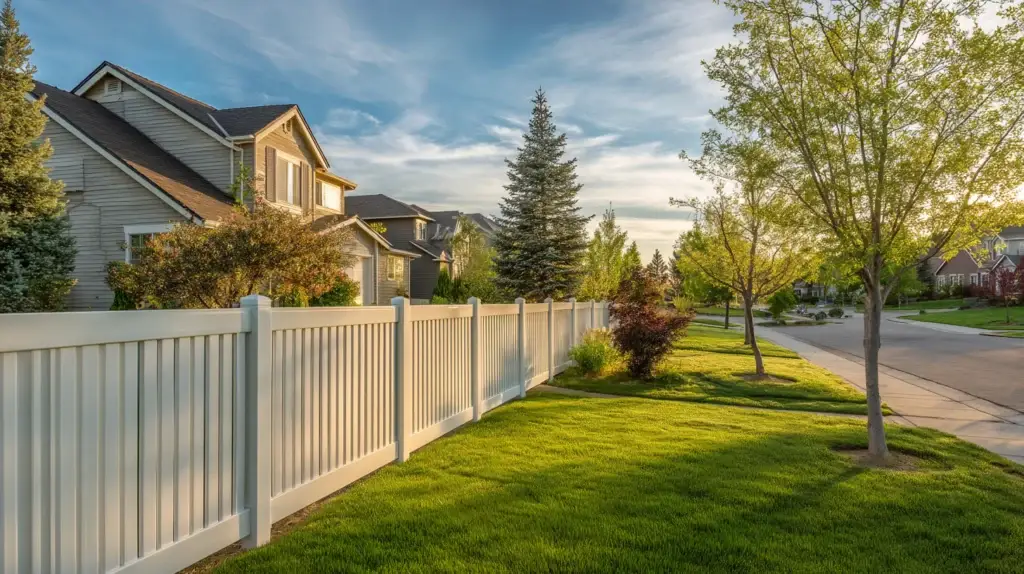
Homeowners love vinyl fencing because it combines clean design, lasting strength, and virtually no maintenance. But when planning a new fence, one question always comes up first: how much does a 100-foot vinyl fence cost? In 2026, the average vinyl fence cost ranges between $2,500 and $5,000 for a professional installation. That figure can rise or fall depending on fence height, fence style, and material quality. Understanding what goes into the vinyl fence installation cost helps homeowners make confident decisions and plan their budget for a successful vinyl fence project.
A vinyl fence is one of the most popular choices for residential properties because it provides a long lifespan, low maintenance costs, and strong curb appeal. Whether you’re replacing an old fence or installing a new one from scratch, knowing the numbers behind your project helps set realistic expectations and ensures you get the best value for your investment.
The Average Cost of a 100-Foot Vinyl Fence
Across the country, the typical vinyl fence cost per linear foot in 2026 falls between $25 and $50, depending on location and design. That means a 100-foot vinyl fence installed usually totals $2,500 to $5,000. This cost includes fence materials, labor fees, site preparation, and cleanup. More decorative or premium vinyl fence styles can reach up to $80 per linear foot installed.
In Illinois and nearby states, local labor rates and building permits influence the final cost. The overall vinyl fence installation costs also vary depending on the fence length, layout, and terrain. Homeowners can use a vinyl fence cost estimator to get a rough idea, but an accurate estimate always requires a professional evaluation of the property.
What Affects the Cost of a Vinyl Fence?

Every vinyl fence project is different, and several key factors determine the total cost.
Fence Style and Height
The fence style and fence height are the most obvious cost drivers. A vinyl picket fence that stands 3 or 4 feet tall may cost as little as $15 per linear foot installed, while full privacy fences around 6 feet tall often cost closer to $40 per linear foot. Taller fences require more vinyl fence materials, stronger corner posts, and deeper post holes, which increase both material costs and labor costs. Some homeowners also choose rail vinyl fence designs or split rail fences, which use fewer panels and can be a more cost-effective choice for larger properties.
Vinyl Quality and Thickness
The vinyl material itself plays a big role in pricing. Thin or hollow panels are less expensive but may crack over time. Higher-grade vinyl fencing uses reinforced solid panels and thicker horizontal rails for better strength and stability. Premium fence materials add around $5 to $15 per linear foot but provide decades of performance with minimal upkeep.
Gates and Decorative Features
Adding gates, post caps, or decorative embellishments affects your final cost. A single decorative gate or swing gate can cost anywhere from $300 to $1,500, depending on size and hardware. These upgrades improve curb appeal and make your vinyl fence stand out.
Site Preparation and Labor
The landscape beneath your fence line influences installation. Uneven ground, rocky soil, or an old fence that needs removal adds to labor fees. Fence removal usually costs $3 to $5 per foot. Slopes, large roots, and tight spaces can also increase site preparation time. Professional crews handle these challenges safely, using the right tools to dig post holes and pour concrete footings that ensure long-term stability.
Permits and Local Requirements
Most municipalities require building permits for new fence installation. Permit fees vary by city and sometimes depend on fence height or placement near property lines. Experienced fence contractors understand local building codes and handle this step for you. Professional oversight guarantees compliance and helps avoid delays or fines later in the process.
Cost Breakdown: Materials, Labor, and Extras

The average vinyl fence costs can be divided into two main categories: material costs and labor costs.
Material Costs
Vinyl fence materials typically range from $10 to $30 per linear foot. That includes fence panels, posts, rails, concrete, and hardware. The type of fencing materials you select affects the total cost. Higher-end vinyl with UV protection or wood-grain texture costs more upfront but lasts significantly longer.
Labor Costs
The labor costs for vinyl fence installation usually fall between $5 and $10 per linear foot. Labor covers layout, digging post holes, mixing concrete, and assembling the panels. A complex installation—such as working around landscaping or existing structures—may cost more due to the extra time required. When hiring fence contractors, it’s smart to choose companies with proven experience in professional installation. Skilled installers ensure straight lines, sturdy posts, and a clean finish that adds instant curb appeal.
Example Budget Scenarios
| Style | Height | Cost per linear foot | 100-ft Total | Best For |
|---|---|---|---|---|
| Rail vinyl fence | 4 ft | $15–$25 | $1,500–$2,500 | Large open yards |
| Vinyl picket fence | 4 ft | $20–$35 | $2,000–$3,500 | Front yard areas |
| Vinyl privacy fence | 6 ft | $25–$60 | $2,500–$6,000 | Backyards and side lots |
| Premium privacy style | 6–8 ft | $60–$80 | $6,000–$8,000 | Decorative or HOA neighborhoods |
| These examples show how style, fence height, and fence materials affect total cost. Each vinyl fence project has unique variables, so getting a tailored estimate from a professional is always best. |
Comparing Vinyl Fence to Other Materials

Vinyl vs. Wood
When comparing vinyl fence options to wood fences, the biggest difference is maintenance. Wood fencing often costs less upfront, around $15–$30 per linear foot, but requires staining and sealing every few years. Vinyl fences, by contrast, need minimal maintenance and stay attractive for decades. Unlike wood, vinyl doesn’t rot, warp, or attract insects. Over time, homeowners save money thanks to lower maintenance costs and low maintenance costs.
Vinyl vs. Metal
Some homeowners compare vinyl fences to metal fences like aluminum or wrought iron. While metal fencing offers a traditional look, it can rust or fade without regular care. Vinyl fencing offers a smoother, cleaner appearance and comes in privacy fences, picket fences, and rail fences to suit any property style.
Vinyl vs. Chain Link
A chain link fence is an economical option but lacks privacy and style. Vinyl fences cost more upfront, but they provide better curb appeal, security, and long-term value. For families or homeowners in suburban areas, vinyl is a cost effective choice that balances beauty with function.
Why On-Site Estimates Matter
Even with online calculators, only a professional can give an accurate estimate for your vinyl fence project. Soil type, layout, slope, and obstacles all affect the final cost. An expert evaluation ensures no surprises when installation begins.
During an estimate, the installer measures your fence length, checks property boundaries, and plans where to dig post holes. This step helps avoid underground hazards and ensures compliance with local building codes. A professional’s insight can also help you choose the best fence style and design for your yard.
What to Expect During Vinyl Fence Installation
Preparation
Before installation starts, contractors mark property lines and utility areas. Site preparation includes leveling uneven ground, removing debris, and removing any existing fence that might interfere with the new structure.
Installation
Next comes digging post holes, setting posts in concrete, and aligning fence panels. Each section is leveled and reinforced to prevent leaning or shifting over time. Proper fence installation ensures the fence stands straight and secure even in strong winds.
Finishing Touches
Once the vinyl fence is built, installers add post caps, gates, and decorative embellishments. Homeowners can choose plain tops for simplicity or detailed designs for added charm. After installation, the area is cleaned up, and the fence is ready for use immediately.
Maintenance and Long-Term Value

Minimal Upkeep and Longevity
Vinyl fencing is designed for minimal maintenance and long-term durability. Unlike wood fences, it never needs staining or painting. Homeowners can keep it looking fresh with an occasional cleaning using soap and water. Because it resists moisture, vinyl doesn’t rust, rot, or attract termites. This minimal upkeep keeps your yard looking neat without ongoing expense.
Cost Savings Over Time
When you add up repairs, repainting, and sealing, wood fencing or metal fencing can cost more in the long run. Vinyl offers low maintenance and long-lasting performance, making it a smart investment for homeowners who want style and savings combined.
Curb Appeal and Resale Value
A well-built vinyl fence adds beauty and boosts curb appeal instantly. Clean lines and bright finishes make properties look well cared for. Potential buyers notice these details, and that can make a significant difference when selling your home.
Choosing the Right Fence Contractor
Picking experienced fence contractors matters as much as choosing the right materials. Skilled professionals understand local building codes, manage permit fees, and know how to handle every step of installation safely. They can also identify ways to reduce extra costs by adjusting layout or choosing the right fencing materials for your property.
At Fantastic Fence, we specialize in vinyl fence installation and have worked on countless vinyl fence projects throughout Illinois. Our team is known for precision, clear communication, and craftsmanship. We handle everything from site preparation to cleanup so homeowners can enjoy a hassle-free experience from start to finish.
Real-World Examples and Customer Feedback
Local Projects
We’ve completed hundreds of vinyl fence installations ranging from classic vinyl picket fences in suburban front yards to full privacy fences around family backyards. Every vinyl fence project is tailored to the homeowner’s goals, property layout, and budget.
Customer Experience
Customers often mention how easy the process is. “Fantastic Fence was professional, quick, and transparent about pricing,” one client said. “Our vinyl fence installed perfectly, and it still looks brand new after a year.”
Satisfied customers consistently highlight our attention to detail, professional installation, and reliability, showing why we’re a trusted choice for homeowners seeking a long-lasting, cost effective choice.
FAQs About Vinyl Fence Costs in 2026
How much does a 100-foot vinyl fence cost?
Most homeowners spend between $2,500 and $5,000 depending on fence height, fence style, and site conditions.
What is the cost per linear foot for a vinyl fence?
On average, vinyl fence costs range from $25 to $50 per linear foot installed, including fence materials and labor.
How long does vinyl fencing last?
Most vinyl fences last 20 to 30 years or more with proper care.
Can vinyl fences be installed on uneven terrain?
Yes, but it may add to the labor costs due to additional grading and alignment.
Do I need permits for a vinyl fence?
Most cities require building permits, and experienced fence contractors can handle those for you.
Can I install a vinyl fence myself?
A DIY installation is possible but challenging without the right equipment. Professional crews handle digging post holes and alignment precisely, ensuring the fence stands straight for years.
Get Your Free Vinyl Fence Estimate
A 100-foot vinyl fence delivers beauty, privacy, and long-lasting durability. While the total cost varies based on materials, layout, and extras, the average homeowner can expect to spend around $2,500 to $5,000. Vinyl fencing is a cost effective choice that provides style, strength, and minimal upkeep compared to wood fences or metal fences.
Whether you’re replacing an existing fence, starting a new fence, or adding a decorative border to your front yard, choosing professional installers ensures your fencing project runs smoothly. At Fantastic Fence, our experts provide detailed estimates, transparent pricing, and high-quality workmanship on every job. We use top-grade vinyl fence materials and proven installation techniques to guarantee results that last.
If you’re ready to start your vinyl fence project, reach out for your accurate estimate today. Experience the difference a trusted local team makes with professional service, clear communication, and craftsmanship built to last. A well-built vinyl fence not only enhances your property’s appearance but also provides lasting value and peace of mind for years to come.