
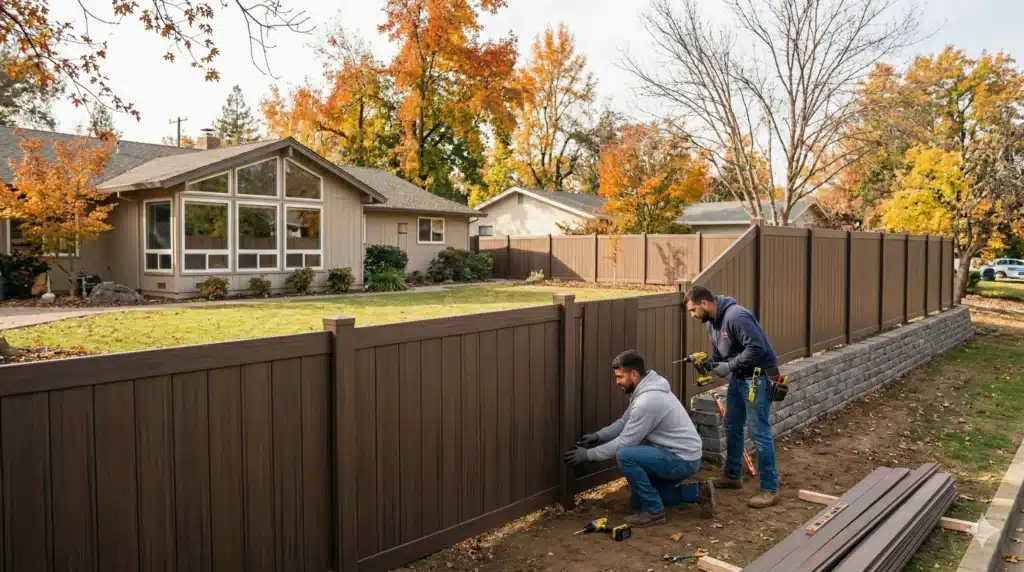
How Seasonal Demand, Holiday Spending, and Weather Shape Fencing Prices
Serving Roseville • Rocklin • Sacramento • and Surrounding Areas
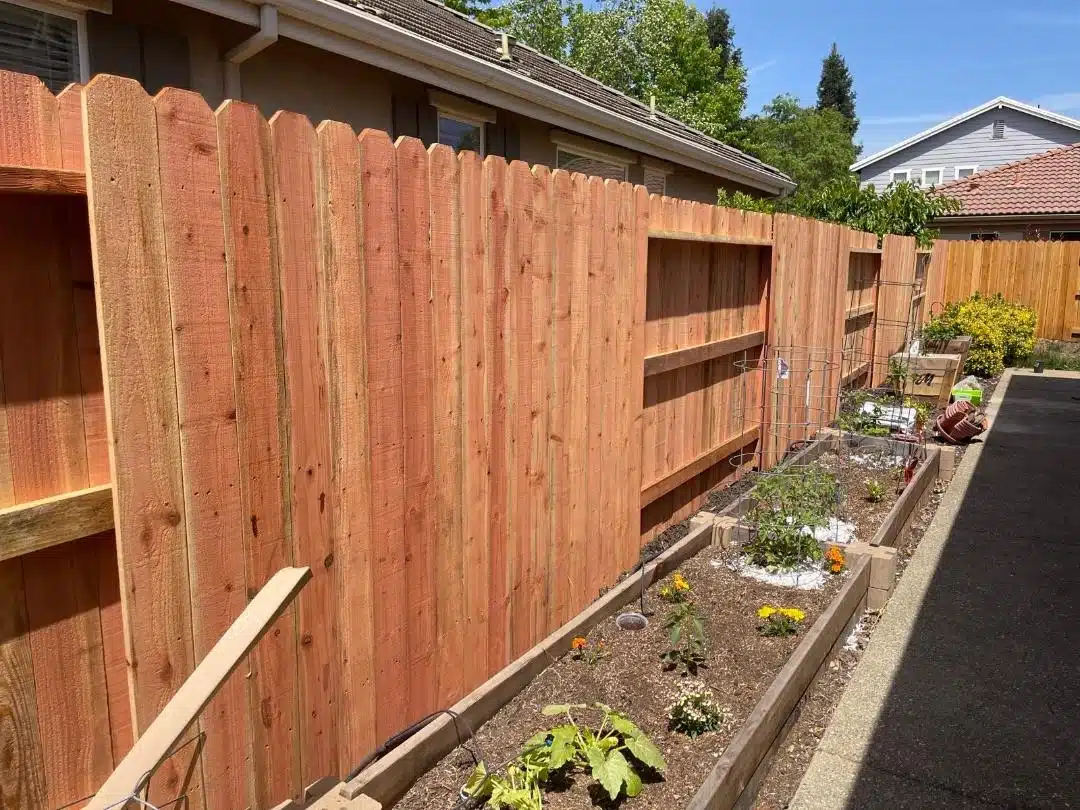
If you’re thinking about getting a new fence or replacing an old one, you’ve probably wondered: is there a time of year when it’s actually cheaper to get the work done? The answer is yes—and understanding the seasonal rhythm of the fencing industry can save you real money on both labor and materials.
Like most home service businesses, fencing companies experience a predictable cycle of busy and slow seasons. That cycle is driven by a combination of consumer spending habits, weather patterns, and material costs—and if you know how it works, you can time your project to get the best possible deal.
Here in the Roseville, Rocklin, and Sacramento area, our mild California winters give us an even bigger advantage: fence installation can happen year-round without the frozen-ground problems that shut down contractors in colder states. That means the savings that come with the off-season are fully available to you—without the weather-related drawbacks.
The Short Answer: Q4 Is Your Best Bet
October • November • December. The 4th quarter is typically the most affordable time to have a fence installed in the Sacramento region.
The fourth quarter of the year—October, November, and December—is consistently the slowest period for home service companies, including fence contractors. And when business slows down, you benefit. Contractors have more availability, scheduling is easier, and you’re more likely to find competitive pricing and flexible terms.
But why does the fencing business slow down so dramatically in Q4? The reason is surprisingly simple—and it has a lot to do with a certain guy in a red suit.
The Santa Claus Effect: Why Q4 Is Slow for Home Services
Here’s something most people don’t think about: Santa Claus is one of the toughest competitors for the American dollar during the fourth quarter of the year.
From October through December, consumer spending shifts dramatically. Families start budgeting for Halloween, Thanksgiving travel, Black Friday shopping, holiday gifts, end-of-year parties, and all the other expenses that pile up between October and the New Year. When the holiday season is absorbing that much of the household budget, home improvement projects—including fencing—get pushed to the back burner.
This isn’t just a fencing phenomenon. It happens across the entire home services industry. Landscapers, painters, roofers, and contractors of all kinds see a noticeable dip in demand during Q4 because homeowners are spending their discretionary dollars on gifts, travel, and holiday festivities instead of home projects.
What this means for you:
- Less demand means more availability. Fence companies that are booked out 2–3 weeks in the summer may be able to schedule you within days during Q4.
- Contractors are more motivated to win your business. When the phone isn’t ringing as much, companies are more willing to offer competitive pricing, flexible scheduling, and faster turnaround.
- You get more personal attention. With fewer projects on the board, crews can dedicate more time and care to your job without being rushed to the next one.
- Industry data supports it. According to national fencing cost guides, fall and winter installations can yield savings of 5–15% compared to peak summer pricing, with some contractors offering discounts of up to 25% during the off-season.
Q1 (January–March): The Wild Card Quarter

If Q4 is the most predictably affordable time to install a fence, then Q1 is the wild card. The first quarter of the year (January, February, March) can swing either way—it might bring you incredible deals, or it might be one of the most expensive times to buy fencing materials. It all depends on what Mother Nature decides to do.
The Best-Case Scenario: A Mild, Dry Winter
When Northern California has a mild winter with minimal storms, the first quarter can be an extension of the Q4 sweet spot. Demand is still relatively low coming off the holiday season, lumber prices stay stable, and contractors are eager to fill their schedules after a quiet December. In this scenario, you may find some of the best deals of the entire year in January and February.
Lumber suppliers typically do not raise their prices during Q1 under normal conditions. If the weather cooperates, material costs stay flat or even dip slightly as suppliers work to move inventory before the spring rush. This is the window where savvy homeowners can lock in excellent pricing on both labor and materials.
The Worst-Case Scenario: Storms Hit

Here’s where it gets tricky. If Northern California gets hit with significant storms or severe weather during the winter months, everything changes—and it changes fast.
When major storms roll through the Sacramento region, two things happen simultaneously that drive fencing costs up:
- Demand skyrockets overnight. Wind storms, heavy rain, and flooding knock down fences across the area. Suddenly, hundreds of homeowners who weren’t planning on a fence project are now scrambling for emergency repairs and replacements. Fencing companies go from quiet to slammed in a matter of days, and that surge in demand means less scheduling flexibility and less incentive to offer discounts.
- Lumber prices jump immediately. This is a critical point that most homeowners don’t realize: lumber suppliers raise their prices as soon as storm-driven demand hits. They know that the surge is coming, and they adjust accordingly. Fencing materials that were stable in price just days earlier can jump significantly after a major weather event. And those higher prices don’t come back down quickly—they tend to stick for weeks or even months as the backlog of storm-related work works its way through the system.
The Storm Price Effect: Lumber suppliers in the Sacramento area generally hold their pricing steady through Q1 under normal conditions. But as soon as major storms or severe weather create a surge in fence damage and replacement demand, they raise their prices immediately—and those increases can stick around for weeks. If you’re planning a Q1 fence project, getting your quote and locking in materials before any major weather event is the smartest move you can make.
The Full Year at a Glance: Seasonal Pricing Guide
|
Quarter |
Demand |
Material Cost |
Labor Cost |
What to Expect |
|
Q1 (Jan–Mar) |
Low to VERY HIGH |
Stable OR spikes after storms |
Low to moderate |
Wild card — Amazing deals if weather is mild; prices spike fast after storms |
|
Q2 (Apr–Jun) |
High and rising |
Rising with spring demand |
Rising |
Busy season begins — Contractors book out, prices increase as demand surges |
|
Q3 (Jul–Sep) |
Peak season |
Highest of the year |
Highest |
Most expensive — Maximum demand, longest wait times, premium pricing |
|
Q4 (Oct–Dec) |
Low |
Stable to lower |
Lowest |
Best value — Holiday spending diverts dollars away from home projects; contractors are hungry |
The California Advantage: Year-Round Installation
One of the biggest advantages of living in the Roseville, Rocklin, and Sacramento area is that our climate allows fence installation year-round. In states with harsh winters, fence companies often shut down entirely from December through February because the ground freezes solid and concrete can’t cure properly. That means homeowners in those regions can’t take advantage of off-season pricing even if they wanted to.
Here in Northern California, our winters are mild enough that the ground never freezes, concrete sets just fine, and crews can work comfortably throughout the season. A fence installed in November or December is going to perform every bit as well as one installed in June—you’re just likely to pay less for it.
The only real weather consideration is rain. During wetter periods, installation may need to be scheduled around rainy days, which can occasionally cause short delays. But in most Q4 and early Q1 windows, there are plenty of dry days to get the work done without issue.
Smart Strategies to Get the Best Price
- Book in Q4 if you can plan ahead. If you know you’re going to need a new fence in the coming year, getting your quote and scheduling the work for October, November, or early December gives you the best combination of contractor availability, stable material pricing, and motivated salespeople.
- Watch the weather in Q1. If we’re having a mild, dry winter, January and February can offer terrific deals. But if storms are in the forecast, act fast—get your quote and lock in materials before prices jump. Once storm damage creates a rush, both labor and materials get more expensive quickly.
- Avoid the spring and summer rush. Q2 and Q3 (April through September) are when demand peaks. Everyone who put off their fence project over the winter is now calling at the same time, contractors are booked solid, and material prices are at their annual highs. If budget is your top priority, this is the most expensive window.
- Get multiple quotes. Regardless of the season, always get at least two or three quotes from reputable fence companies. Even in the off-season, pricing can vary, and comparing quotes ensures you’re getting a fair deal.
- Ask about off-season specials. Some fence companies run promotions during their slower months to keep crews busy. It never hurts to ask if there are any current specials, package deals, or incentives for scheduling during Q4 or early Q1.
- Don’t sacrifice quality for price. The cheapest quote isn’t always the best value. A fence built with quality materials and expert craftsmanship will last years longer than a bargain-basement job. The goal is to find the best price for excellent work—and timing your project for the off-season is one of the smartest ways to do that.
The Bottom Line
The fencing business follows a predictable cycle: spring and summer are expensive, fall is the sweet spot, and winter is a wild card. If you have the flexibility to plan ahead, scheduling your fence installation during October, November, or December will almost always give you the best value—lower labor costs, stable material prices, faster scheduling, and contractors who are genuinely motivated to earn your business.
Q1 can be equally attractive if the weather cooperates, but it carries risk. A single major storm can flip the market from buyer-friendly to seller-friendly almost overnight, with lumber prices jumping immediately and demand for fence companies surging. If you’re eyeing a Q1 project, the key is to move quickly and lock in your pricing before the weather has a chance to change the equation.
You’re Busy. We Make Fences Easy.

Whether you’re ready to take advantage of off-season pricing right now or you’re planning ahead for the best time to pull the trigger, we’re here to help. We serve homeowners and property managers across Roseville, Rocklin, Sacramento, and the surrounding communities, and we’d love to talk about your project.
We’ll give you an honest quote, walk you through your options, and help you time your project to get the most value for your investment. No pressure, no gimmicks—just straight talk from people who build fences every day.
Contact us today for a free estimate.
Let’s find the right time—and the right fence—for you.
You’re busy. We make fences easy.