Key Takeaway
A galvanized fence post is a steel post coated in zinc, which corrodes sacrificially to protect the steel even when scratched. Coating process matters: hot-dip galvanizing (governed by ASTM A123) coats inside, outside, and cut edges, while pre-galvanized posts leave welds and cut ends bare. Documented service life ranges from about 28 years in poor soil conditions to more than 120 years in favorable soil, depending on wall thickness, drainage, and gate loads.
A galvanized fence post is a steel fence support coated in zinc. The zinc works two ways: it shields the steel, and it corrodes sacrificially to keep protecting nicks and scratches where bare steel shows. That makes galvanized posts a durable choice for wood, chain link, ornamental, and agricultural fencing. But the word “galvanized” on a bid tells you almost nothing by itself. Coating process, wall thickness, the post’s role in the fence, and installation quality decide how long it holds up. Two posts with the same label can be very different products.
Search this topic and you will hit a wall of DIY videos where the viewer is asked to subscribe before the basics ever land, and the comments end up answering what the video skipped. Here is the short version instead.
How Does Galvanizing Protect Steel Fence Posts?
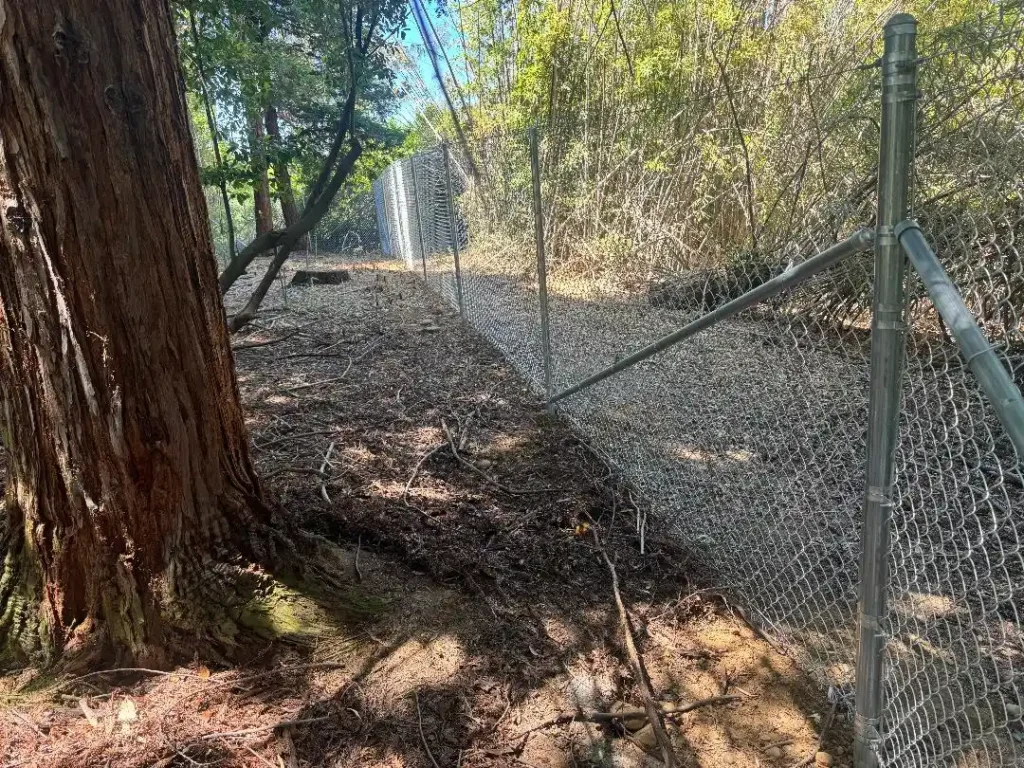
Zinc bonds to the steel and takes the weather first. Scratch or drill a galvanized post and the nearby zinc corrodes first, protecting the exposed steel, so a small nick matters far less than it would on painted steel. Galvanized is not rust-proof forever. It is corrosion-resistant for as long as the zinc lasts.
White powdery residue scares homeowners unnecessarily. The American Galvanizers Association calls it wet storage stain, and it weathers off. Red rust is the signal that the coating is gone.
Hot-Dip vs. Pre-Galvanized: Why Not All Galvanized Fence Posts Are Equal
Batch hot-dip galvanizing happens after the part is fabricated. The finished post is dipped in molten zinc, coating the inside, the outside, and the cut edges. ASTM A123/A123M-24 governs it.
Continuous or pre-galvanizing coats flat steel before it is rolled into a post, using ASTM A653 coating grades like G60 and G90. G90 means 0.90 oz/ft² across both sides, roughly 0.77 mil per side. AGA guidance suggests about 3.0 mils or more for soil contact. Pre-galvanized posts can be appropriate; they just leave cut ends and welds bare.
ASTM F1083 covers hot-dip zinc-coated welded fence pipe from 1.315 to 8.625 inches outside diameter, coated inside and out. Ask which process was used, and ask for post specifications in writing instead of stopping at “is it galvanized.”
The Main Types of Galvanized Fence Posts
| Post type | Typical use | Strength and coating notes |
|---|---|---|
| Round tubular pipe | Chain link, gates, commercial framework | Heavy duty thicker-wall pipe for commercial runs; lighter wall in residential |
| Square tubular | Ornamental iron and Durabond steel panels | Finished as a system with the panels, often in black |
| Roll-formed hidden posts | Wood privacy and good neighbor fences | Rails bolt to the post; pickets conceal it |
| T-posts | Agricultural and livestock fencing | Stocked from 5 to 12 feet |
| Line vs. end, corner, and gate posts | Every fence | Terminal and gate posts carry far more load and step up to heavy duty sizes |
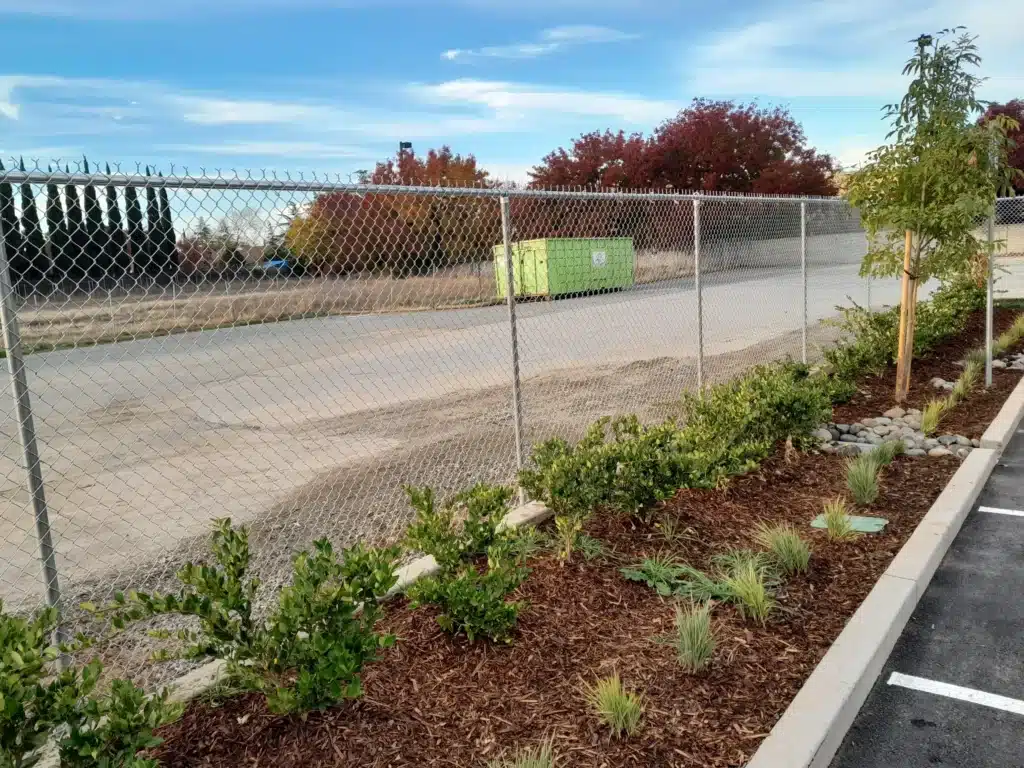
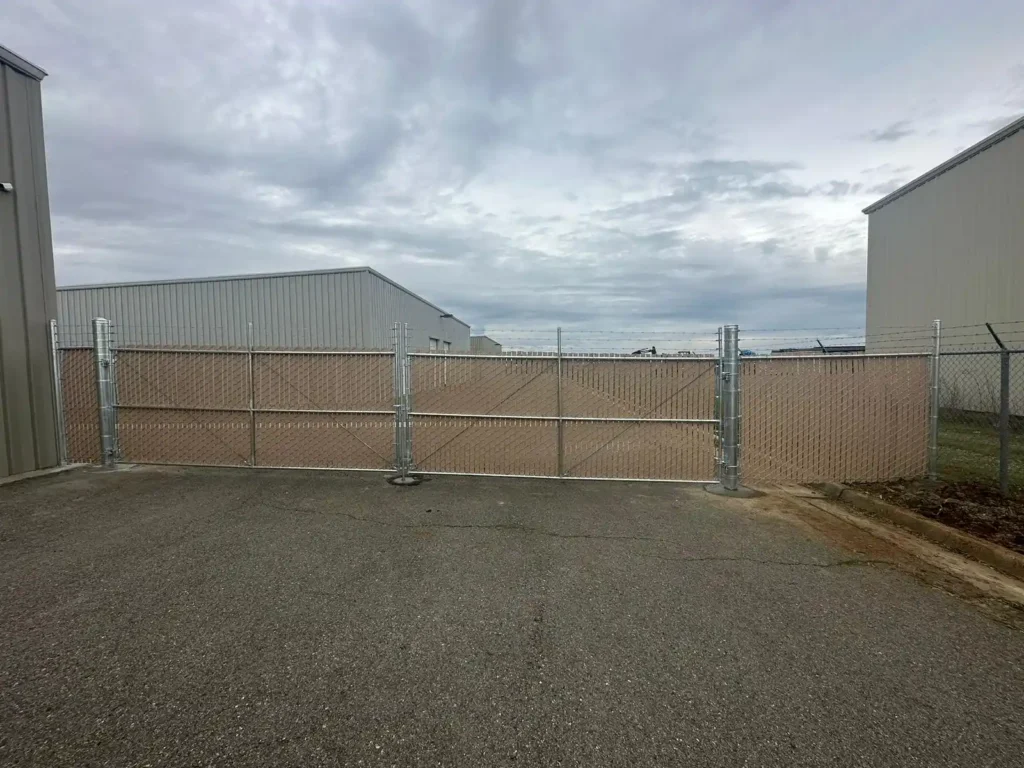
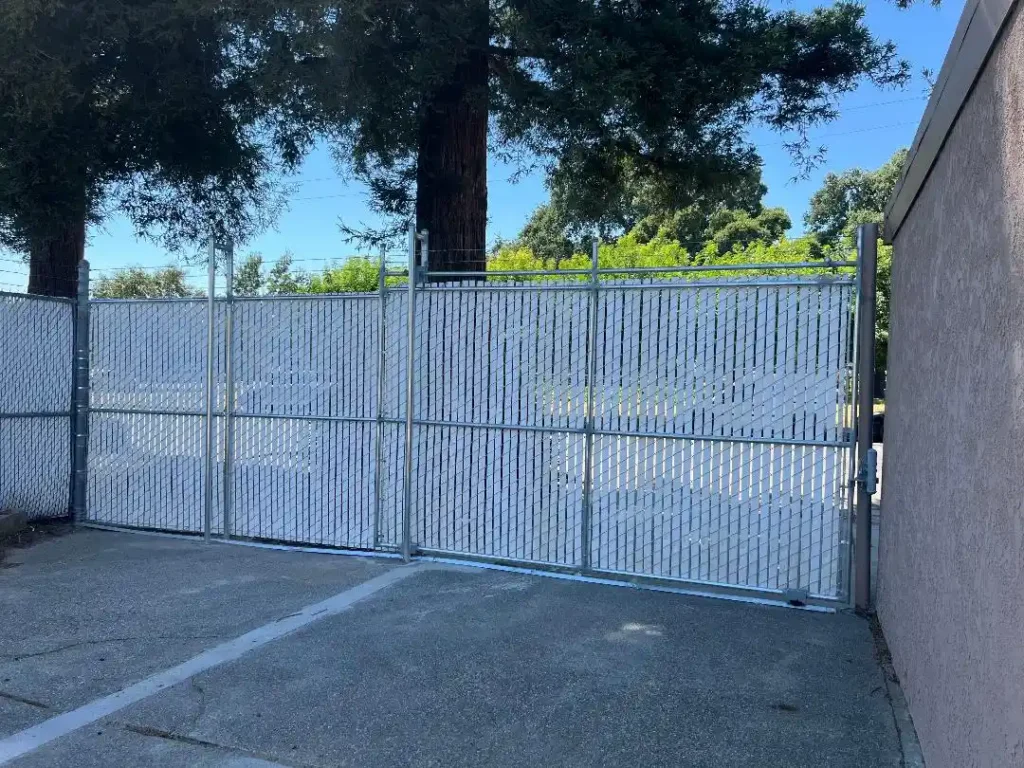
These are all galvanized products, and they are not interchangeable. Weight per foot and wall thickness tell you more than diameter. A supplier’s online cart usually lists diameter and length only, so orders placed that way can arrive lighter than the job needs. Chain link is also where privacy slats get woven in, and slats add wind load that changes the post and top rail specifications you need.
Galvanized Steel Fence Posts vs. Wood Fence Posts
Steel does not rot, warp, split, or feed termites. It stays straight, needs no staining, and it is non-combustible, which matters most at gates and pool safety fencing where the line has to stay secure. Wood posts, rails, and pickets cost less up front and are easier to replace one at a time, and a well-installed wood post is still a fine choice on many projects. Steel usually wins on total cost of ownership, and posts that stay plumb for decades save you the price of a second fence.
What Determines How Long a Galvanized Fence Post Lasts?
Nobody can honestly give you one number. The variables are coating process and thickness, steel wall thickness, whether the pipe interior is coated, soil chemistry and drainage, wind exposure, gate loads, and installation quality. Posts subject to a heavy swinging gate almost always show trouble first.
AGA has published soil-performance examples using 3.5-mil hot-dip coatings. Documented results run from about 28 years in soil with unfavorable moisture, chlorides, and pH to more than 120 years in favorable soil. That is an illustration of variability, not a warranty.
Post Length, Spacing, and Top Rail Sleeves
There is no universal depth or spacing rule. Fence height, solid versus open design, wind exposure, soil and drainage, gate loads, manufacturer instructions, and local building requirements all move the answer.
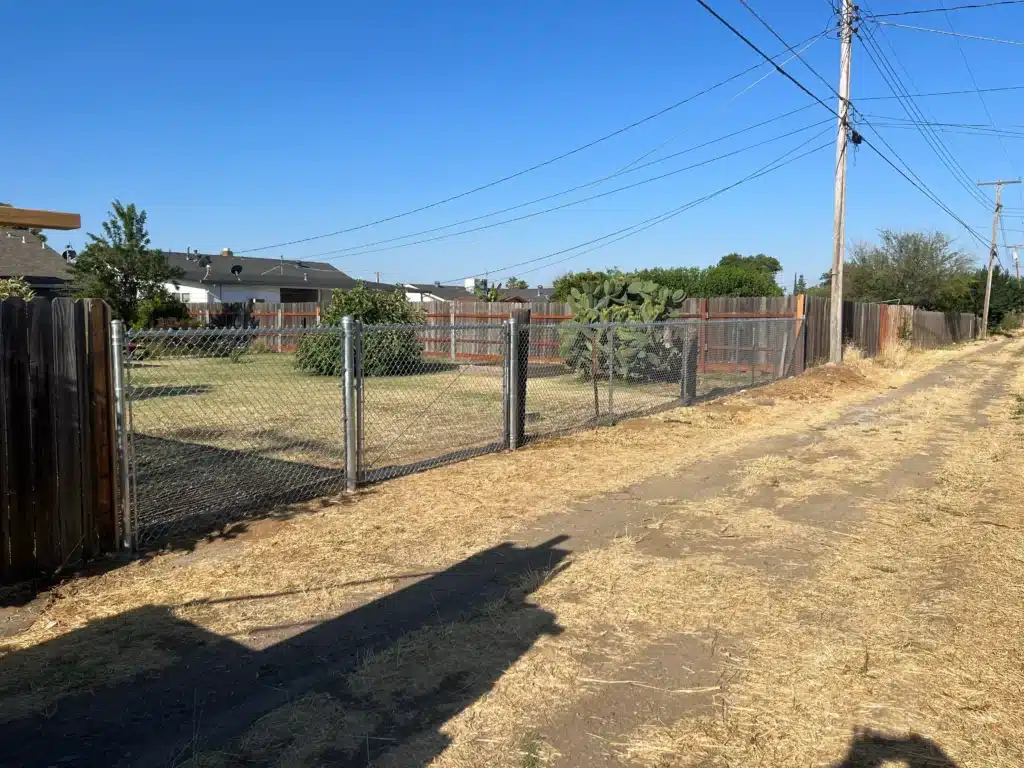
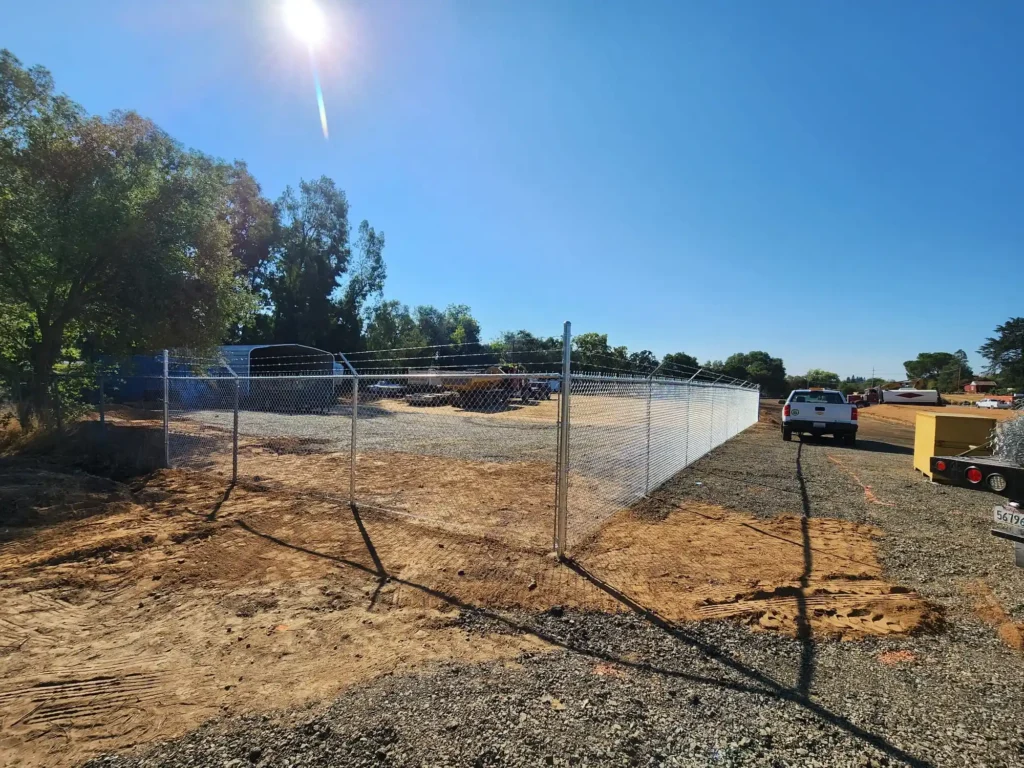
Chain link has a useful ordering convention: terminal posts about 36 inches longer than the fence height, line posts about 2-1/2 feet longer and evenly spaced down the run, top rail sleeves joining the top rail lengths, and every post set square, plumb, and braced before the fabric is stretched. Terminal posts anchor one end of each run and take the pull of the stretched fabric. The quantity of sleeves tracks the rail lengths in the run, and each sleeve has to seat fully so the top rail stays straight. Installing terminal and gate posts deeper and in more concrete is standard practice. Asking a contractor to decrease quantity on posts is the wrong place to trim a bid. If you add a gate later, size that post for it.
Can Galvanized Steel Posts Be Hidden Inside a Wood Fence?
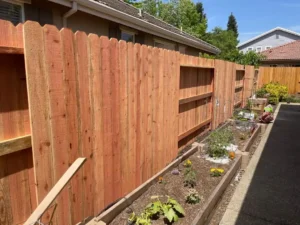
Yes. Two approaches: wrap the steel post in wood, or use a concealed roll-formed system where the rails bolt directly to the post and the pickets cover it completely. Our Bolt-Up Hidden Steel Posts do the second. You get the look of a full wood fence with a steel backbone underneath, so the rails and pickets stay where they were built. Tall privacy fences and gate positions benefit most, since that is where wood posts lean first.
Maintenance, Cut Edges, and Coating Repair
Walk and review the fence line once a year. Look for red rust at the ground line, leaning posts, gate misalignment, and damaged coating where rails and brackets meet the posts. Cutting or drilling exposes bare steel. ASTM A780 recognizes three repair methods: zinc-rich paint, zinc-based solder, and sprayed molten zinc, with AGA guidance calling for at least 2.0 mils (50.8 µm) in one application. Aerosol “cold galvanizing” products are not equivalent to the original hot-dip coating. Paint or powder coat over galvanizing, the usual route to a black ornamental finish, builds a duplex system that AGA estimates lasts roughly 1.5 to 2.3 times the sum of the two coatings alone.
Installation and Safety Before You Dig
Before installing posts, call 811. In California, notify at least two working days ahead, and a standard ticket is valid 28 calendar days. USA North serves the Sacramento region. Verify property lines, then check permits, HOA architectural guidelines, and corner visibility rules with your local building department. Do not casually weld or torch-cut galvanized steel: OSHA identifies zinc exposure from galvanized steel as a usual cause of metal fume fever. Match hardware to the lumber treatment label, and avoid mixing galvanized fasteners with stainless connectors.
What to Ask a Fence Contractor About Steel Fence Posts
A good estimator answers these without hedging and puts the numbers in writing for you to review.
- What post profile, coating grade, and wall thickness?
- Galvanized before or after fabrication?
- Is the post interior protected, and how are cut areas repaired?
- How do the rails attach to the posts?
- Are gate, corner, and end posts heavy duty compared to line posts?
- Licensed, bonded, and insured, and what is the license number?
- Are the installers background-checked W-2 employees?
- Flat pricing, zero hidden fees, and a written guarantee?
Frequently Asked Questions
Can you get a 12-foot galvanized fence post?
Yes. Posts are commonly stocked up to 12 feet, and T-posts run 5 to 12 feet. The right length depends on fence height and whether the post is a line, terminal, or gate post.
What does a galvanized fence post cost?
It varies with profile, wall thickness, coating, and site conditions. Use our fence price calculator for a ballpark, or ask for a free estimate. Spending a little more on posts now can save a full rebuild later.
Is galvanized steel good for fence posts?
Yes, when coating and wall thickness match the application. A thin pre-galvanized post in wet clay and heavy duty hot-dip pipe are very different products.
Should galvanized posts always be set in concrete?
Usually, but not always. Soil type, fence design, gate loads, and manufacturer instructions all factor in.
Ready for a Fence Built on Posts That Last?
We have been installing wood, vinyl, ornamental iron, Durabond steel, chain link, and pool safety fencing across Sacramento, Placer, El Dorado, Yuba, Yolo, and Nevada counties since 2011. Whether you want a new fence, a few posts replaced, or a gate reset, you get licensed, bonded, and insured work, CSLB License #979657, background-checked W-2 employees, flat pricing, zero hidden fees, and a written guarantee that the job is not finished until you give the thumbs up. Reach our Elk Grove office at 9245 Laguna Springs Dr, Suite #228 (916-345-0142). Get a Free Fence Estimate: call us or book online.