
A Homeowner’s Guide to Strength That Lasts
If you’ve ever stood in your yard looking at your fence and wondered how are chain link fences secured at corners and how it all stays upright and tight, you’re not alone. Most people see a chain link fence as a simple barrier, just wire and posts creating a boundary. But the real strength of chain link fences comes from the way they are secured, especially at the corners. That’s where the entire fence system holds its tension, its shape, and its long-term reliability. When done right, everything feels secure, aligned, and built to last. When done wrong, that is where problems begin.
Why Fence Corners Matter More Than You Think
Every chain link fence depends on tension. The chain link fabric is stretched tightly across the fence line, and that tension travels all the way to the terminal posts at each end and corner post location. These areas carry force from multiple directions, making them the most important structural points in the entire fence system. Without properly installed terminal posts, the fence line can shift, sag, or even fail.
What Happens When Corners Are Installed Wrong
When corners are not built with care, the entire structure begins to show it. You may notice posts leaning or shifting in the ground. The chain link mesh may loosen, causing visible sagging. Gates may stop aligning properly, making access frustrating. Over time, the fence loses its ability to provide security and protection. A weak corner post leads to a weak fence, and that affects everything from safety to appearance.
The Core Components That Secure Chain Link Fence Corners
A strong chain link fence installation is not just about stretching wire. It is about creating a system where every part works together. At the corners, several components come together to create a secure and stable structure.
Corner Posts and Terminal Posts
The corner post and terminal posts are the backbone of the system. These posts are thicker, often made from steel, and set deeper into the ground than standard line posts. They are typically installed with a concrete footing to prevent movement. Because they carry tension from multiple directions, they must be strong enough to resist pull and keep the fence secure over time.
Tension Bars and Tension Bands
The chain link fabric does not simply wrap around a post. Instead, a tension bar is inserted vertically through the chain link mesh at the end. This bar is then attached to the terminal posts using tension bands and bolts. These tension bands are spaced evenly along the height of the post, distributing force across the entire connection point. This prevents the fabric from pulling loose and ensures the fence fabric stays tight and secure.
Brace Bands and Top Rail
Brace bands connect the top rail to the corner post. The top rail runs horizontally along the fence line, creating a continuous line of support. This rail helps maintain alignment and adds strength to the structure. In many chain link fences, the rail system works together with the posts to keep everything straight and stable, reducing the risk of fence leaning and post movement over time.
Rail Ends and Steel Fittings
Rail ends and steel fittings connect the top rail into the terminal posts. These fittings are secured with bolts, creating a tight connection that prevents movement. In some cases, parts may be tack welded for additional strength, especially in high-security applications or commercial properties.
How the Installation Process Works
Understanding how installing chain link works helps you see why corners matter so much. Each step builds on the one before it, creating a strong and lasting fence system.
Step 1: Setting the Corner Posts
The process begins with setting the corner post and end post in place. These posts are installed deeper than line posts, often several feet into the ground. A concrete footing is poured around each post to secure it. Proper spacing and alignment are critical to ensure the fence line remains straight.
Step 2: Attaching Rails and Hardware
Once the posts are installed and the concrete has cured, the top rail and bottom wire are attached using brace bands and fittings. The rail system creates a continuous structure across the fence line. Steel fittings, boulevard clamps, and bolts are used to connect each section securely.
Step 3: Installing the Chain Link Fabric
Next, the chain link fabric is unrolled along the fence line. A tension bar is inserted into the chain link fence mesh at the end and attached to the terminal posts with tension bands. Hog rings are often used to secure the fabric to the line posts, adding security and preventing the mesh from moving or climbing loose. This creates a strong anchor point for the fabric.
Step 4: Stretching and Securing the Fence
The fabric is then stretched tightly across the fence line using specialized tools. Proper tension is key. Too much pull can stress the posts, while too little leaves the fence loose. Once stretched, the fabric is attached to line posts using fence ties or tie wire. Bottom tension wire or a bottom rail is added to secure the bottom of the fence and prevent movement, providing added security to the secured area.
Different Types of Corner Reinforcement
Not every fence project is the same. Some situations require additional reinforcement to maintain security and durability.
Residential Projects vs Commercial Properties
Residential projects typically use standard terminal posts and chain link mesh. Commercial properties and high-security applications often require heavier gauge materials, additional tension wire, and reinforced posts to handle increased demand, making professional chain link fence installation and repair services especially important.
Diagonal Bracing Systems
In areas with high wind or for taller fences, diagonal bracing may be added. This creates additional support between posts, helping prevent shifting and maintaining a secure structure.
Wind and Terrain Considerations
The ground conditions and terrain play a major role in how a fence performs. Soft ground may require deeper posts, while uneven terrain may need adjustments in rail placement. These factors influence how the fence system is installed and how well it holds over time, which directly impacts the lifespan of a chain link fence.
How to Tell If Your Fence Corners Were Installed Properly
You can often tell the quality of a chain link fence just by looking at the corners.
Signs of a Strong Corner
A well-built corner post will feel solid in the ground. The chain link fabric will be tight and evenly stretched. The top rail and bottom wire will align smoothly along the fence line. Gates will open and close easily, and the entire fence will look straight and secure.
Warning Signs of Poor Installation
If the posts move when pushed, or the mesh appears loose, there may be an issue. Gaps at the bottom of the fence, missing tension bands, or loose fittings are all signs of a problem. These issues reduce security and can lead to costly repairs.
Common Mistakes That Lead to Fence Failure
There are several common mistakes that can weaken a chain link fence over time:
- Shallow posts without proper concrete footing can shift in the ground.
- Missing or improperly spaced tension bands can cause uneven pressure on the fabric.
- Skipping bottom tension wire or bottom rail can leave the bottom of the fence vulnerable.
- Poor installation of tie wire or fence ties can allow the mesh to loosen.
Each of these mistakes affects the strength and security of the fence system and can influence whether a chain link vs. wood fence is the better choice for your property.
Chain Link Fence Corner Costs in 2025
When planning a fence project, it helps to understand how corners impact cost. Terminal posts, steel fittings, and additional hardware like tension bands and brace bands add to the overall investment. However, they also provide the strength and durability that make chain link fences a cost-effective choice, especially when you understand how fencing contractors charge for labor and materials.
In 2025, chain link remains one of the most popular fence types due to its balance of affordability and security. Costs vary based on gauge, height, and materials such as aluminum or steel. Adding features like barbed wire for extra security, mini mesh for added protection, or privacy slats to turn chain link into a privacy fence can increase cost but also improve performance.
Why Professional Installation Makes All the Difference
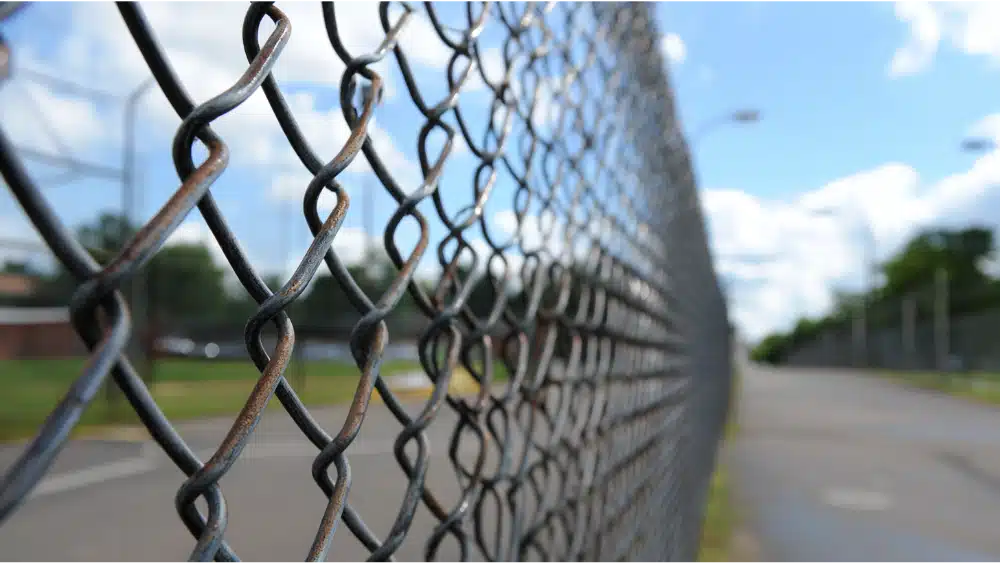
Installing chain link fences requires more than basic tools. It takes experience to properly tension the fabric, align the posts, and secure every connection point. A professionally installed fence provides long-term security, reduces maintenance, and ensures the structure performs as intended, which is why it’s vital to know what to look for when hiring a fence contractor.
FAQs About Chain Link Fence Corners
Do chain link fences need special corner posts?
Yes, terminal posts and corner post installations are designed to handle tension from multiple directions and provide structural support.
How deep should posts be installed?
Posts are typically installed several feet into the ground with a concrete footing to ensure stability.
Can I install a chain link fence myself?
While possible, installing chain link requires proper tools and knowledge to ensure the fence is secure and properly aligned.
Why is my fence sagging?
Sagging often comes from loose tension wire, improper installation, or weak posts.
How long will a chain link fence last?
With proper installation and minimal maintenance, chain link fences can last for decades.
Final Thoughts: Strong Corners Create a Strong Fence
A chain link fence is more than just wire and posts. It is a carefully built system designed to create a secure, protected space around your home or property. The strength of that system begins at the corners, where everything comes together.
When those corners are built right, the fence stands strong, the mesh stays tight, and your property remains secure. From the top rail to the bottom tension wire, every part works together to create a reliable barrier that provides safety, access control, and peace of mind.
If you are planning a new fence or looking to improve an existing one, paying attention to the details at the corners makes all the difference. That is where lasting strength begins, and where a simple fence becomes something you can truly rely on. As you budget and plan, it can help to compare 2025 wood fence installation costs, understand the best fasteners for wood fence installation, and work with a trusted pro who can offer a free fence estimate and professional installation.