If you are trying to decide what is the difference between board on board and louvered fencing, you are not alone. Many property owners reach this point after realizing how much a fence affects privacy, comfort, and pride in an outdoor space. A fence is not just a boundary. It is part of daily life. It frames your yard, protects what matters, and shapes how your home feels from the inside and out. Understanding fence style choices helps turn uncertainty into confidence. This guide walks through board fencing, louvered designs, and how they compare to other wood fence styles, including the popular shadow box fence and horizontal board fences, so you can choose what fits your home and lifestyle best.
Why Fence Style Matters More Than Most Homeowners Realize
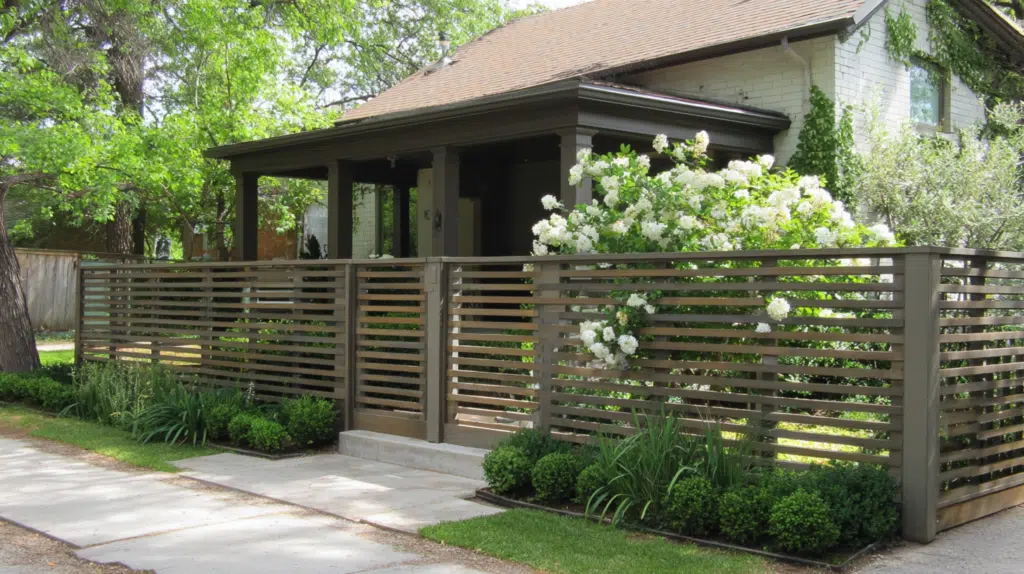
A fence defines property boundaries, creates a secure boundary, and sets the tone for your yard. Fence style affects privacy, airflow, maintenance, installation costs, and curb appeal. Some fence designs feel open and decorative, while others create a solid wall that blocks views completely. Privacy fence needs differ between residential properties and large properties, and even commercial property spaces. Choosing between vertical board fences, horizontal fence layouts, or decorative styles like lattice fence panels changes how your outdoor space is used. Fence height, fence design, and the way fence boards are arranged all play a role in comfort and function. The right fence style turns a yard into a place where families relax and feel at home.
What Is a Board-on-Board Fence?
Board-on-Board Fence Design Explained
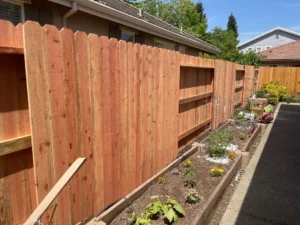
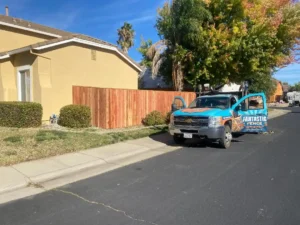
A board on board fence is a type of wooden fence built with vertical boards that overlap each other. The boards sit on alternating sides of horizontal rails, creating an overlapping design that blocks direct sightlines. This style is sometimes called a good neighbor fence because both sides look finished. Board overlaps help eliminate gaps caused by wood shrinkage over time. Among most wood fence types, this design is known for strength and consistency. It shares some similarities with the shadow box fence, which also uses alternating panels but allows some airflow and light through gaps for a semi-private effect.
Board-on-Board Privacy and Security Benefits
Board on board fencing is often chosen for maximum privacy. The overlapping boards form solid panels that feel like a continuous barrier. This makes it an excellent privacy fence for families, pets, and homeowners who want peace and quiet. Compared to picket fences or non privacy fences, this style provides a strong sense of enclosure and security. Many property owners appreciate how it creates a calm retreat from nearby homes or streets.
How Board-on-Board Fences Handle Wind and Weather
Unlike solid panel fences with no spacing at all, board on board fences allow minimal airflow through the overlaps. This helps reduce wind pressure while still maintaining privacy. When built with pressure treated wood or naturally resistant species like western red cedar or redwood fence materials, the fence holds up well through seasonal changes. Vertical posts and horizontal rails provide structure and durability.
Board-on-Board Fence Appearance and Style
Board fencing with overlapping vertical boards has a classic look that fits many homes. It pairs well with traditional architecture and blends easily into neighborhoods. Staining or painting enhances decorative appeal and boosts a home’s curb appeal. This fence style often looks more refined than stockade fence designs while offering similar privacy benefits.
Board-on-Board Fence Maintenance Expectations
Like all wooden fence options, maintenance matters. Sealing or staining protects fence boards from moisture and sun. Cedar fence and redwood fence materials are valued for natural resistance to decay, while pressure treated pine offers economical fencing with proper care. Regular upkeep helps maintain the solid wood fences appearance and extends lifespan.
What Is a Louvered Fence?
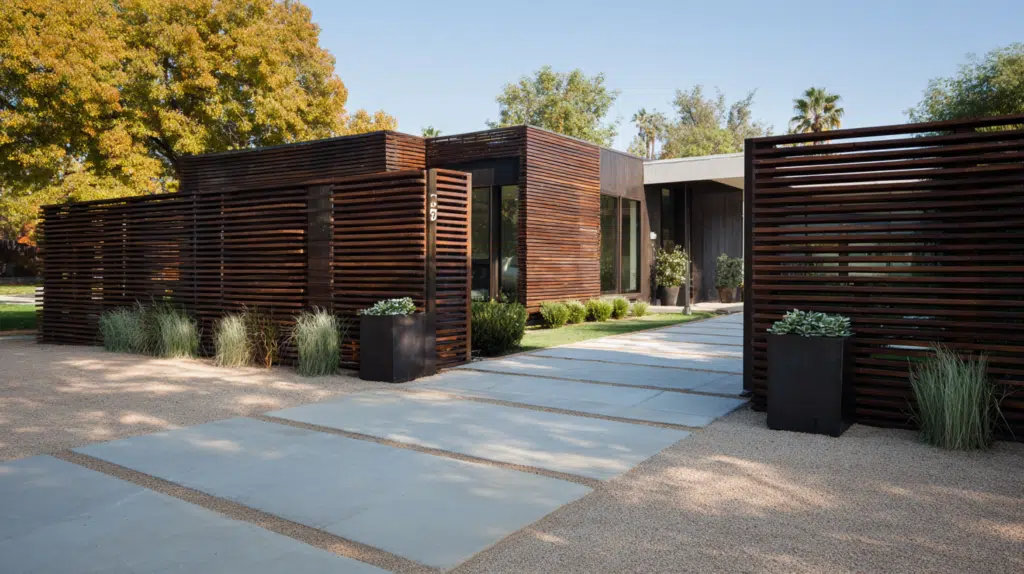
Louvered Fence Design Explained
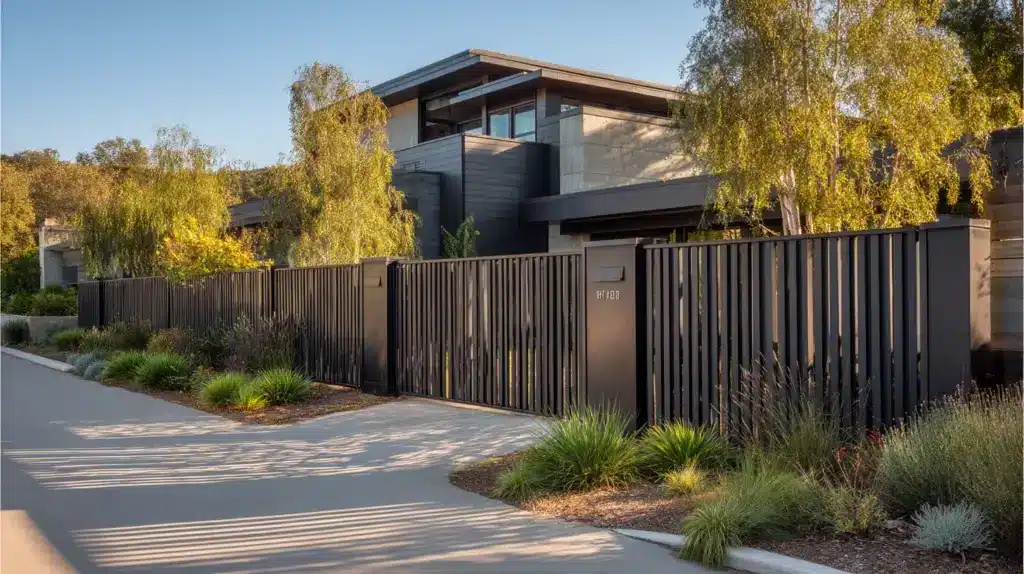
A louvered fence uses angled slats, often installed horizontally, to control visibility and airflow. The vertical posts support panels where boards are installed horizontally at a fixed angle. This creates a design where vertical slats block direct views while letting light and air pass. A louvered wood fence is considered one of the more modern wood fence types available today.
Louvered Fence Privacy: What to Expect
A louvered fence offers partial privacy rather than complete enclosure. From certain angles, the fence blocks views effectively. From others, there may be limited visibility. This makes it ideal for outdoor space areas where privacy is important but not absolute. Compared to solid wood fences or board on board fence designs, the privacy level is softer and more open.
Airflow and Light Benefits of Louvered Fencing
Airflow is where louvered fencing truly stands out. The angled horizontal boards encourage ventilation and natural light. This helps keep patios and gardens cooler and brighter. Horizontal wood fences with louvered construction are popular in warm climates where comfort matters.
Modern Aesthetic and Architectural Appeal
Louvered fence styles are known for a modern look. Clean lines and horizontal boards give a contemporary feel that works well with updated homes. Many property owners choose this fence design to make a statement rather than simply mark boundaries. It can enhance decorative appeal while still serving as a privacy fence.
Louvered Fence Maintenance Considerations
Maintenance depends on the type of wood used. Cedar pickets, western red cedar, and redwood fence materials are popular for their durability. Because the boards are installed horizontally, cleaning debris from slats may take extra care. Precision installation ensures the boards sit evenly and maintain the same direction throughout the fence.
Board-on-Board vs. Louvered Fencing: Side-by-Side Comparison
Privacy Level Comparison
Board on board fencing delivers maximum privacy with its overlapping design and solid panels. Louvered fencing provides privacy without full enclosure. If privacy fence needs are the top priority, board on board usually wins.
Airflow and Comfort Comparison
Louvered fencing allows more airflow and light. Board on board fences create a quieter, more enclosed feel. The choice depends on whether openness or seclusion matters more in your outdoor space.
Visual Style Comparison
Board on board fences feel timeless and traditional. Louvered wood fence designs feel modern and architectural. Both are attractive, but they suit different tastes and home styles.
Durability and Longevity
Both fence styles can last many years when built correctly. Using the best wood for your climate matters. Pressure treated pine offers affordability, while cedar fence and redwood fence options provide natural resistance and long term durability.
Cost Considerations in 2025
Installation costs vary based on fence height, materials, and complexity. Board on board fencing may use more fence boards due to overlapping. Louvered fencing can require more labor for precise installation. Costs also depend on property size and terrain.
Which Fence Style Is Best for Your Yard?
Choose Board-on-Board If You Want…
A strong privacy fence with a solid wall feel. This style suits residential properties with close neighbors or busy surroundings. It creates a secure boundary and reduces visual noise. For smaller yards, combining board on board sections with shadow box fence panels can offer privacy while allowing some airflow and light.
Choose Louvered Fencing If You Want…
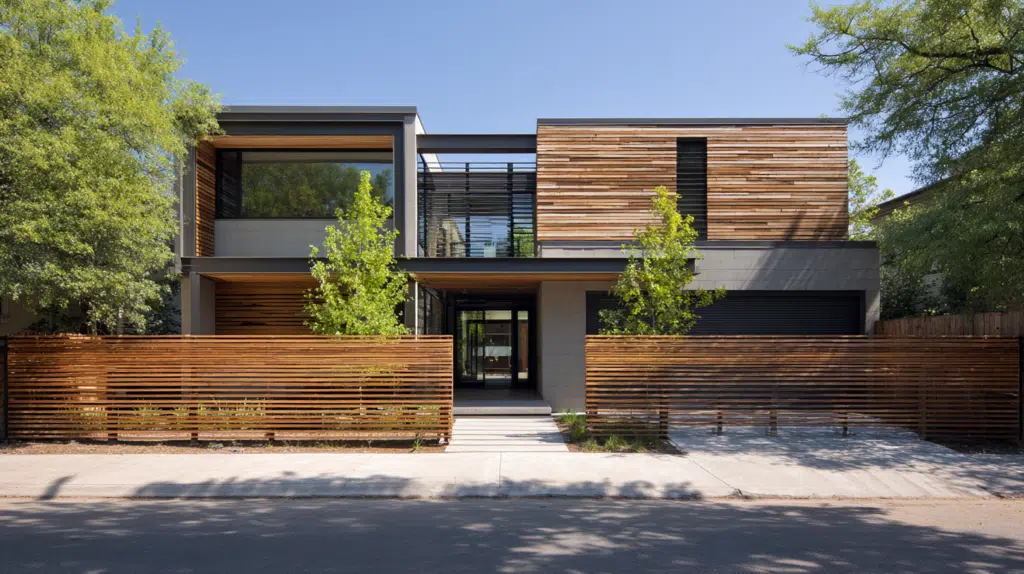
A balance of privacy and openness. Louvered fencing works well for patios, pools, and modern landscapes where airflow and light matter. Horizontal board fences with louvered design elements also provide a sleek, contemporary look that enhances outdoor living spaces.
Yard Size, Layout, and Neighbor Proximity
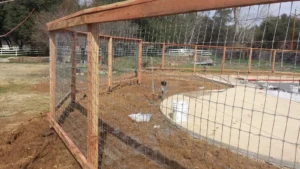
Smaller yards often benefit from solid wood fences like board on board or shadowbox fence designs. Larger properties may mix styles, using split rail fences or post and rail fence sections in open areas and privacy fence sections closer to the home.
Why Professional Installation Makes the Difference
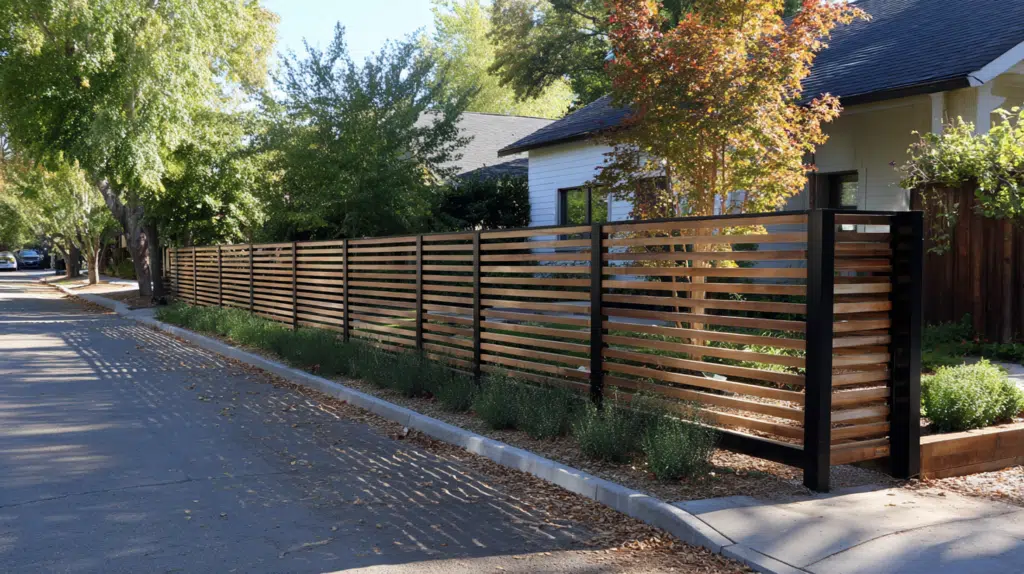
Fence installation is about more than setting posts. Proper spacing, alignment, and support matter. Horizontal rails, vertical posts, and evenly spaced pickets must work together. Poor installation leads to sagging, gaps, and uneven panels. Professional work ensures fence design integrity, safety, and longevity.
Common Homeowner Questions About Board-on-Board and Louvered Fences
Is board-on-board fencing more private than louvered fencing?
Yes. Board on board fencing provides more consistent privacy than a louvered fence.
Does a louvered fence still count as a privacy fence?
It can, depending on expectations. It blocks direct views but allows light and airflow.
Which fence style lasts longer?
Longevity depends on wood types and maintenance. Cedar fence and redwood fence materials last longer due to natural resistance.
Which fence style costs more in 2025?
Costs vary. Board on board fencing may use more material. Louvered fencing may involve higher labor costs.
Can either fence style increase home value?
A well designed fence that improves curb appeal can add value and confidence for buyers.
Are these fence styles HOA-friendly?
Many are allowed, but guidelines vary. Always confirm before installation.
Final Thoughts: From Uncertainty to Confidence
Understanding what is the difference between board on board and louvered fencing helps property owners make informed choices. Whether you prefer the solid privacy of board on board fencing, the semi-private charm of a shadow box fence, or the open, modern appeal of a louvered wood fence or horizontal board fences, the right fence transforms a yard. It adds rustic charm or modern style, defines property boundaries, and creates a place where families feel comfortable.
Ready to Choose the Right Fence for Your Home?
Every yard is different. The best fence style matches how you live, relax, and connect with your home. With the right wood types, thoughtful design, and skilled installation, your fence becomes more than boards and rails. It becomes part of your home’s story.