A Fence That Helps Your Yard Feel Like Yours Again
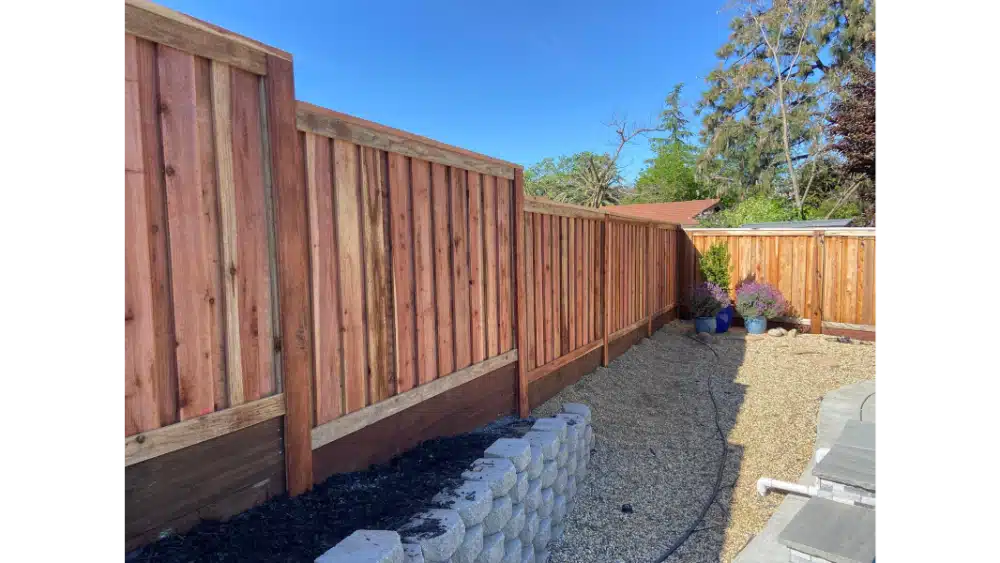
How are board on board fences constructed for privacy? A board on board fence uses overlapping vertical boards to block sightlines, reduce visible gaps, and create a stronger, more peaceful outdoor space.
A board on board fence is more than a property divider. It helps your yard feel private, your family feel secure, and your house feel more complete.
What Is a Board on Board Fence?
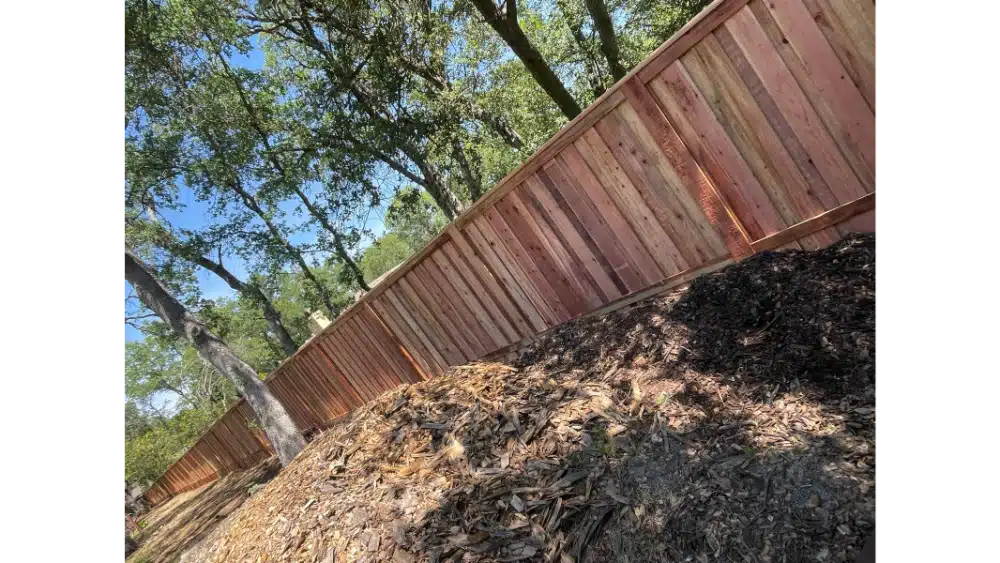
A board on board fence is a privacy fence built with two layers of vertical boards. The first layer of pickets is installed with planned gaps. The second layer of pickets is placed over those gaps.
That overlapping design is what makes a board on board fence such a popular choice for complete privacy.
Unlike simple picket fences, a board fence in this style is designed to protect your view from neighbors, streets, and property lines. A standard wood fence may look private at first, but wood shrinkage can create gaps after a few years. A board on board fence helps prevent that problem.
How Board on Board Fences Are Built for Privacy
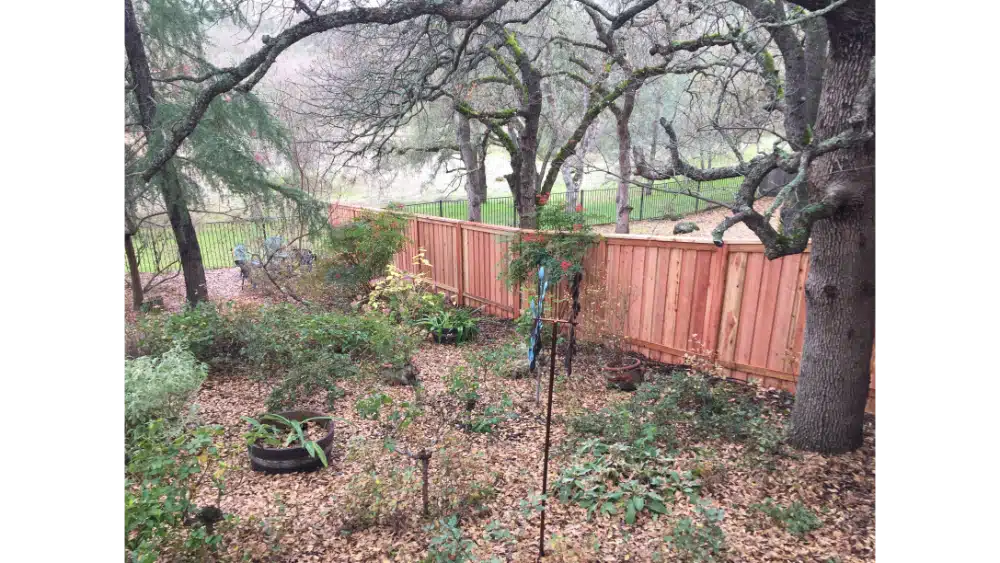
Strong Fence Posts Come First
Every dependable board on board fence starts with strong posts. Since this fence style uses more materials than a basic wood fence, the posts need to be deep, straight, and steady.
The installer marks the placement, checks the soil type, digs each hole, and sets the posts in concrete. This gives the whole thing a strong foundation. A board on board fence carries extra lumber, extra pickets, and more wind resistance, so the posts matter from the very beginning.
Horizontal Rails Create the Frame
Once the posts are secure, horizontal rails are attached between them. These rails support the vertical boards and keep the board fence straight.
Most wood fence projects use two or three rails, depending on fence height and design. For a board on board fence, the rails need to be strong because they hold two layers of pickets. Clean lines begin here. If the posts and rails are not straight, the finished board on board fence will show it.
The First Layer of Boards Is Installed
The first layer of pickets is fastened to the rails with measured spaces between each board, typically spaced roughly 3.5 inches apart. These gaps are planned.
This first layer creates the base for the board on board style. On its own, this first layer isn’t a privacy fence, it’s the foundation for one. The installer measures carefully so the second layer of cedar pickets or wood pickets can cover the openings evenly. A circular saw may be used near gates, corners, or sloped ground.
The Second Layer Covers the Gaps
The second layer creates maximum privacy. Each board is placed over the gaps in the first layer, creating the board on board pattern.
Using a 1×6 picket, which is actually 5.5 inches wide, to cover a roughly 3.5-inch gap leaves about 1 inch of overlap on each side, where the front board laps over the edges of the two boards beside it in the back row. That overlap is what blocks direct views through the fence and is the margin that protects privacy as the fence ages.
For families with kids, pets, pools, patios, or close neighbors, this board fence style can make the yard feel calmer and more protected.
Caps, Trim, and Finishing Touches Complete the Fence
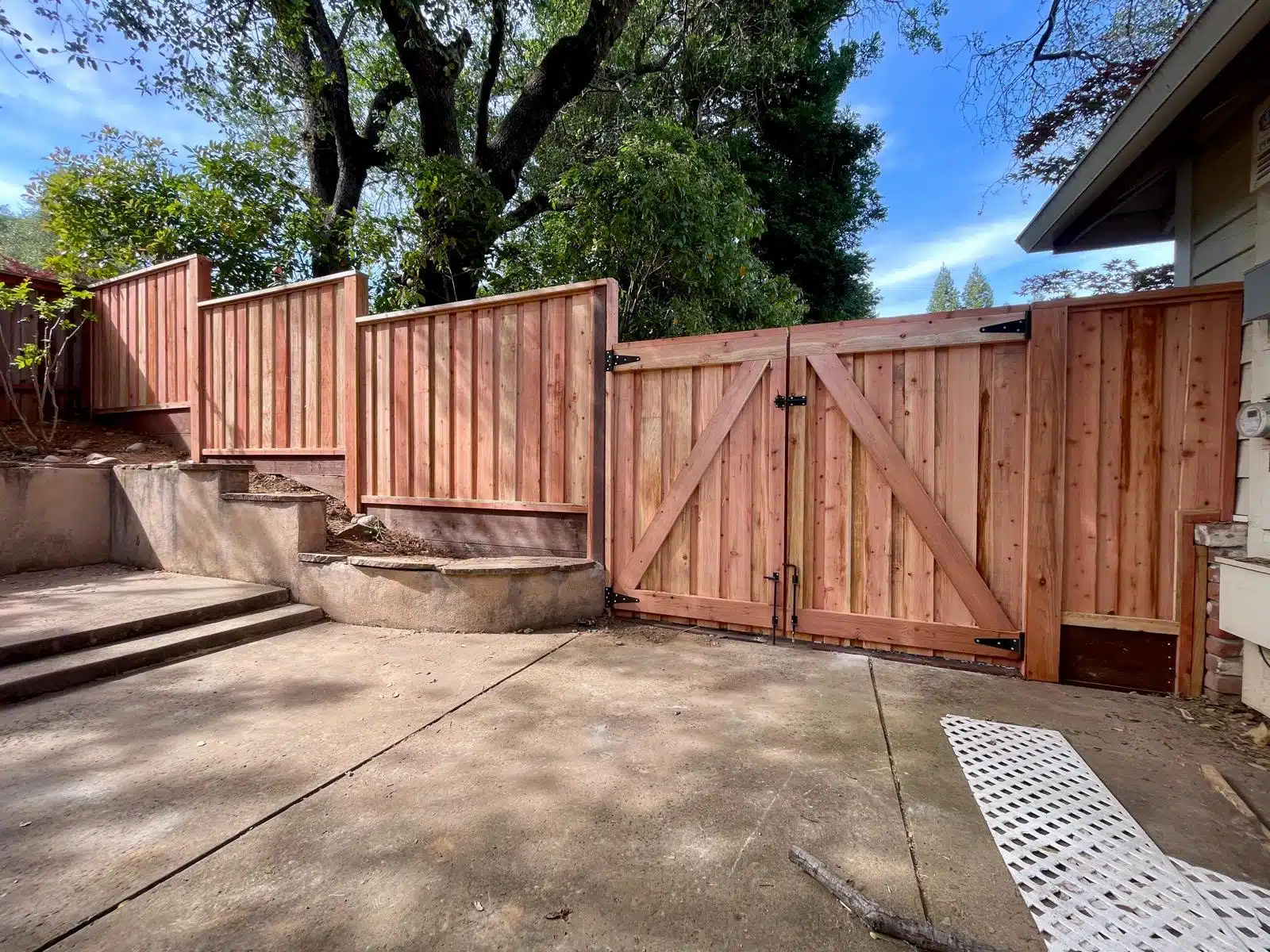
Many board on board fences include a top cap, trim boards, and post caps. These details improve curb appeal and give the fence a finished look.
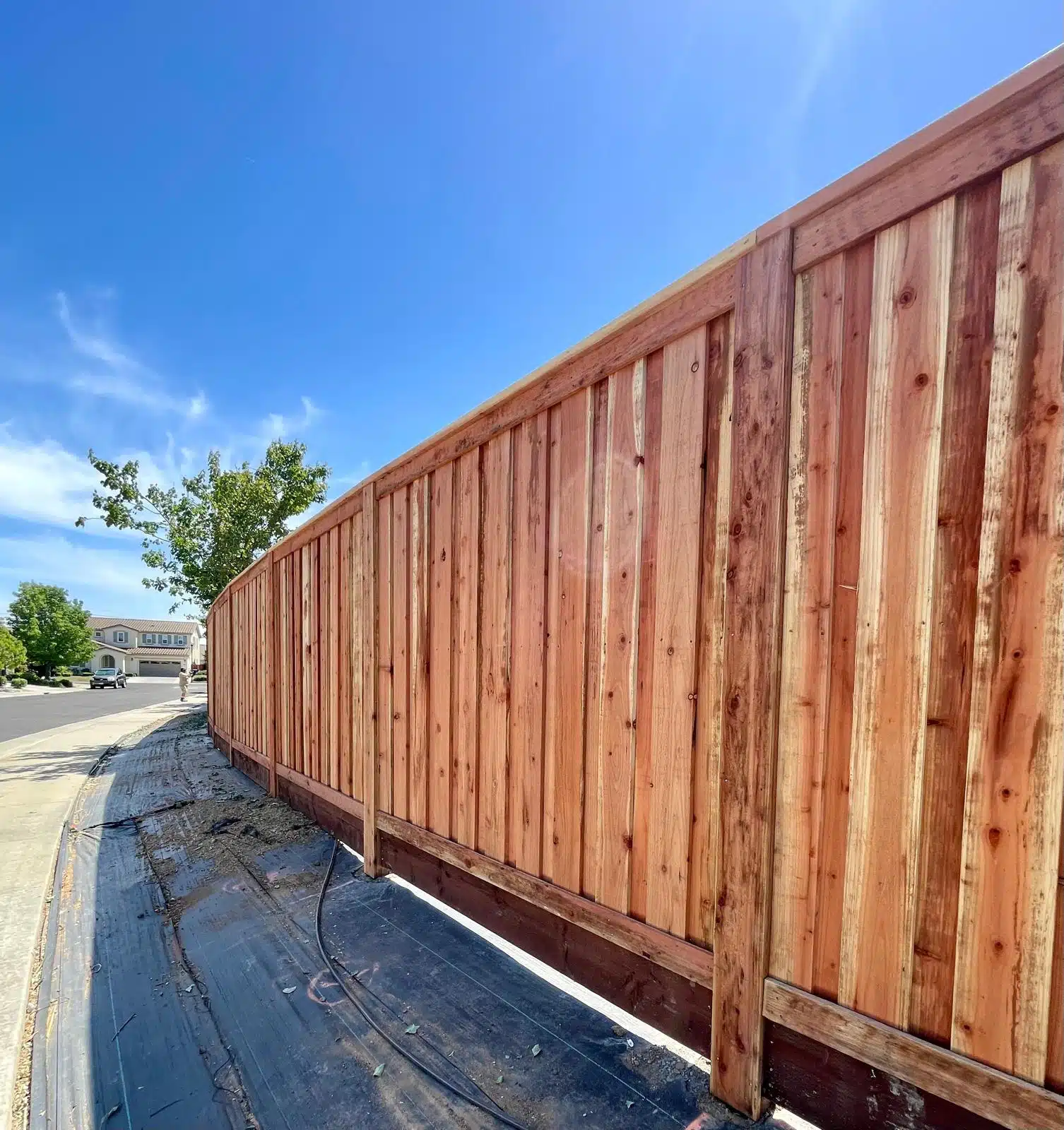
A cap rail across the top is a popular option because it cleans up the top line and helps the fence look the same, and finished, on both sides. That matters most when a fence sits on a property line and both neighbors see it every day. Instead of one side getting the finished look and the other getting the rail-and-post side, a well-built board on board fence with a cap rail looks intentional and polished from either yard.
Post caps help protect posts while adding style. Gates, hardware, and panels are also finished during this stage.
Why the Overlap Matters
The overlap is the heart of a board on board fence. Wood naturally moves with sun, moisture, wind, and age. Fresh lumber shrinks as it dries, and over time, visible gaps can appear in a standard privacy fence.
With a board on board fence, the built-in overlap absorbs that movement. Even after the boards dry out and pull back, they still lap one another, so there is no clear line of sight through the fence. That is exactly what a board on board fence is designed to deliver, and what a standard single-row fence cannot promise.
That is why board on board is such a strong privacy fence choice. It is designed to create comfort now and protect that comfort later.
Board on Board Fence vs. Standard Privacy Fence
Privacy
A standard privacy fence places boards side by side. A board on board privacy fence layers them.
That extra layer is the point. A board on board fence offers complete privacy in a way many standard wood fence styles cannot.
Appearance
A board on board fence has depth, shadow, and style. It looks more custom than flat panels.
This board fence style gives the property a more finished appearance. For homeowners who care about curb appeal, a board on board fence can make the yard and house feel more polished.
Strength
Because a board on board fence uses more materials, it needs stronger posts, rails, and hardware. When built correctly, it feels solid and durable.
The extra board layer can also help the fence handle everyday wear, though wind, soil type, maintenance, and installation quality still matter.
Cost
A board on board fence usually costs more than a basic wood fence because it requires more materials and more labor. In the Sacramento area, many privacy fence projects cost about $2,500 to $3,500 per side of the house, or about $7,500 to $10,500 for a full backyard. Wood privacy fence pricing often falls around $40 to $60 per linear foot, depending on materials, gates, terrain, fence height, and style.
Installation costs can vary, but Fantastic Fence includes old fence removal and disposal at no extra charge. That helps homeowners plan the project with less stress.
Best Materials for a Board on Board Privacy Fence
Cedar
Cedar is one of the most loved materials for a board on board fence. A cedar fence has a warm, natural look that feels right at home in many California yards.
Cedar offers natural resistance to rot and insects, which makes it a strong choice for homeowners who want beauty and durability. A cedar fence can also take stain beautifully, helping the wood keep its rich color longer.
A board on board cedar fence feels classic, private, and welcoming. Cedar pickets can create a fence that looks handcrafted and personal.
For many homeowners, a cedar fence is the right balance of strength, beauty, and comfort.
Redwood
Redwood is another beautiful wood option. It has a rich color and a strong California feel.
Like cedar, redwood can create a board fence with natural warmth. It is often chosen for its appearance and lasting appeal.
Pressure Treated Wood
Pressure treated wood is often used for posts because it is made to handle moisture and ground conditions. Pressure treated posts can help support a board on board fence where strength matters most.
Pressure treated materials are also an affordable option in many fence projects. For some homeowners, this can be the more affordable option when balancing budget, durability, and design.
How Tall Should a Board on Board Privacy Fence Be?
Most backyard privacy fence projects are around 6 feet tall, but fence height can depend on city rules, HOA guidelines, and property placement.
A taller fence can create more privacy, while a shorter fence may work better in front yards or shared property areas. Before installing, it is smart to double check local rules so the project stays simple.
Is Board on Board Fencing Good for California Homes?
Yes. A board on board fence can be a wonderful fit for California homes, especially where privacy, security, and outdoor living matter.
Many homeowners use their yard like another room of the house. It is where kids play, pets run, meals happen, photos are taken, and quiet mornings begin. A strong privacy fence helps that space feel more comfortable.
A cedar fence in the board on board style is especially attractive for homeowners who want natural beauty and dependable coverage. With the right maintenance, cedar can stay strong and beautiful for many years.
Common Mistakes to Avoid
Not Allowing Enough Overlap
Too little overlap can lead to gaps. With a standard 1×6 picket over a 3.5-inch gap, that overlap works out to about 1 inch on each side, and going narrower than that risks a sightline opening up once the wood shrinks.
Using Weak Posts
Weak posts can cause leaning or sagging. Since a board on board fence uses more lumber and materials, the posts must be strong.
Skipping Stain or Sealant
Maintenance matters. A cedar fence or wood fence should be stained or sealed to help protect against sun, wind, moisture, and rot.
Ignoring Local Fence Rules
Property rules matter. Before installing a privacy fence, check fence height, placement, gates, and property boundaries.
When a Board on Board Fence Is the Right Choice
A board on board fence is a smart choice when you want privacy, beauty, and long-term comfort.
It is especially helpful when your yard faces neighbors, sidewalks, alleys, or open spaces. It can improve security, increase curb appeal, and create a more peaceful outdoor space.
The benefits are easy to feel. Less exposure. Fewer gaps. More comfort. A stronger sense of home.
An In-Depth Look at the Real Difference
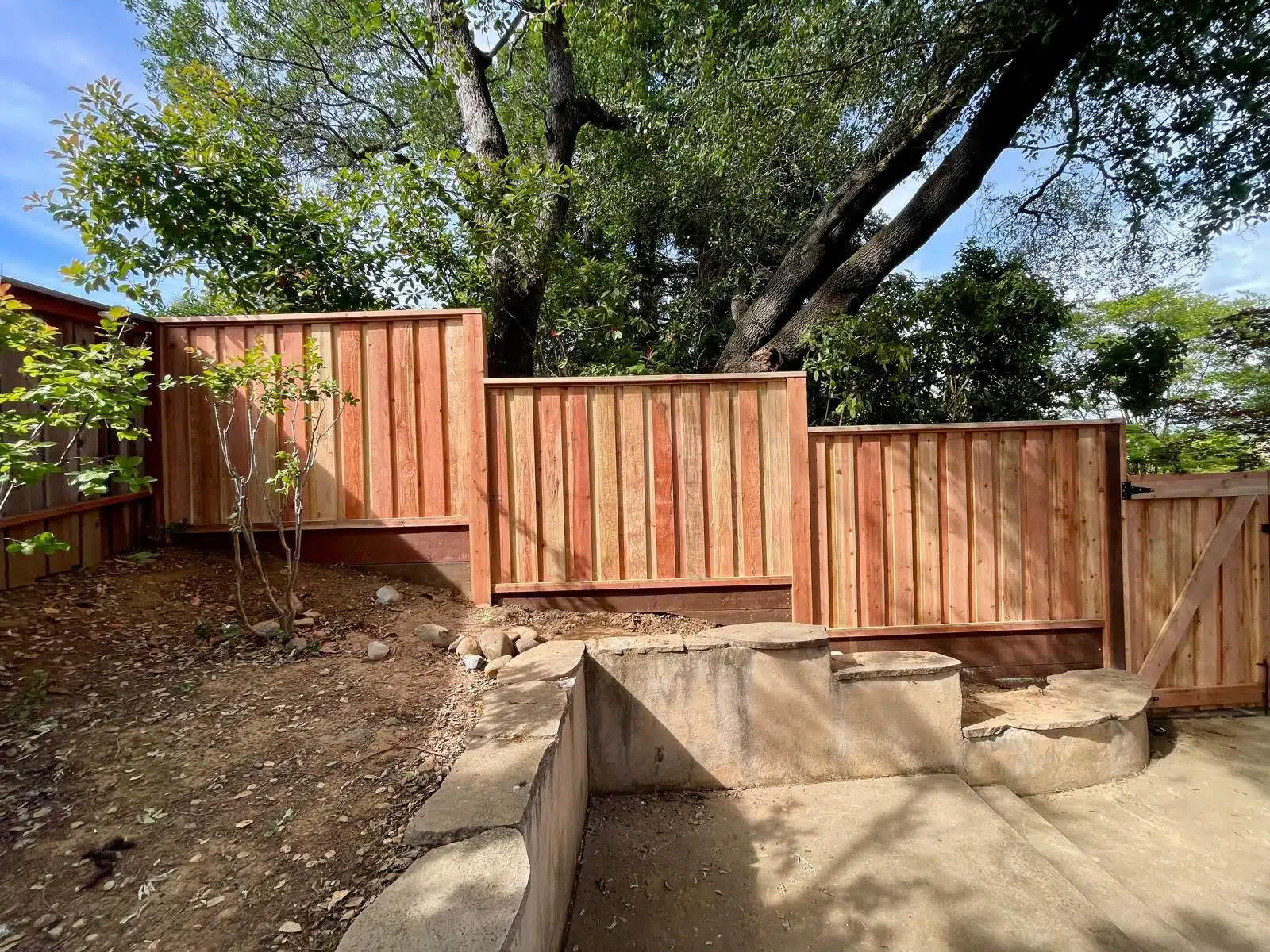
The real difference is not just the extra board. It is the way the board on board fence is planned.
A good board fence starts with strong posts, straight rails, quality materials, careful spacing, and thoughtful finishing. The privacy does not happen by accident. It comes from a fence built with purpose.
That is why professional installation matters. A board on board fence needs the right overlap, secure hardware, steady gates, and proper post placement. When every board is set with care, the final fence feels sturdy, private, and beautiful.
FAQs About Board on Board Privacy Fences
How are board on board fences constructed for privacy?
They are built with two rows of vertical boards. The first row is fastened to the rails with gaps roughly 3.5 inches apart. The second row, typically 1×6 pickets at 5.5 inches wide, is installed over those gaps, leaving about 1 inch of overlap on each side. That overlap is what blocks direct views through the fence, even after the wood dries and shrinks.
Is a board on board fence more private than a regular wood fence?
Yes. A board on board fence is more private because the overlapping design blocks direct sightlines and helps reduce visible gaps over time.
How much should boards overlap on a board on board fence?
With a common setup using 1×6 pickets, roughly 3.5 inches apart, the overlap works out to about 1 inch on each side of the gap. The right amount can vary depending on board width, picket spacing, and fence height, but the goal is always the same: enough overlap that the boards still lap one another even after the wood shrinks.
Does a board on board fence cost more?
Usually, yes. A board on board fence requires more materials, more pickets, stronger rails, and careful installing. Installation costs depend on the project size, materials, gates, and property conditions.
How long does a board on board fence last?
That depends on wood type, maintenance, weather, rot resistance, and installation quality. A well-built cedar fence or pressure treated wood fence can last for many years with proper care.
Can a board on board fence be stained or sealed?
Yes. Stain or sealant is an important part of maintenance. It helps protect the wood and keeps the board fence looking beautiful.
Is board on board fencing good for backyards?
Yes. Board on board is one of the best privacy fence styles for backyards. It helps create security, comfort, and a more private outdoor space for homeowners and their families.
Let’s Build Privacy That Feels Like Home
A fence should make life feel easier. It should help your kids play freely, your pets stay safe, and your evenings feel more relaxed.
If your old fence feels worn, weak, or too open, a board on board fence can make a beautiful difference. From loose panels and tired posts to clean lines, sturdy rails, and lasting privacy, the right fence can change the way your property feels every day.
Your yard deserves a fence that protects what matters.
Let’s build something strong together.