When homeowners ask what factors influence gate material selection, the answer starts with everyday life. A gate is not just an opening in a fence. It protects your family, guides guests, improves curb appeal, and helps your yard feel complete. The right material should match your home, your climate, your budget, and the way you use your space every day.
Why Gate Material Matters
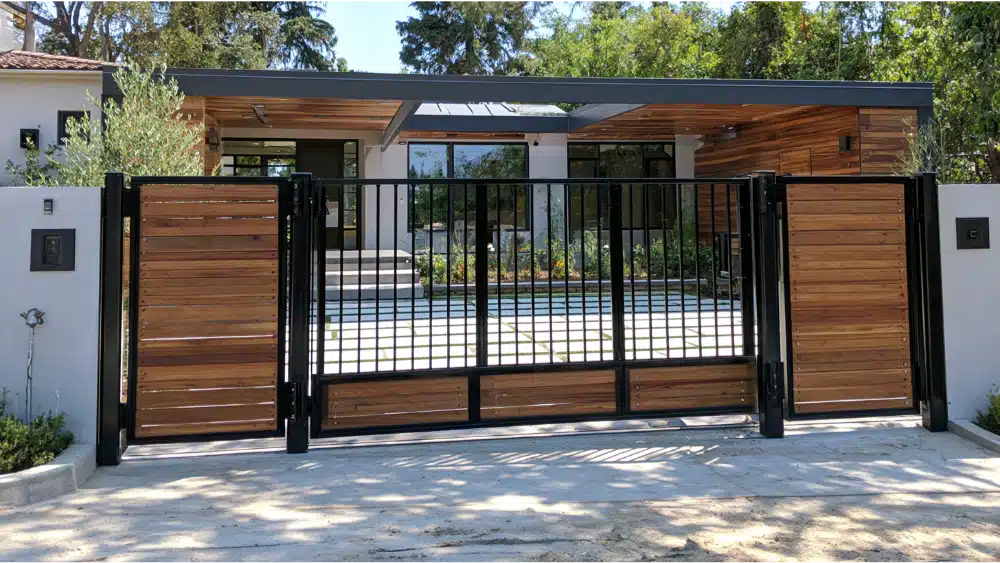
Your gate works harder than almost any other part of your fence.
It Needs to Handle Daily Use
Gates move, swing, slide, latch, lock, and carry weight. That means material selection matters from the start. A side-yard gate has different performance requirements than a driveway gate or sliding gates.
Driveway Gate Considerations
Driveway gates require materials that provide strength, durability, and reliable operation to handle frequent use and vehicle access. Selecting the right material for a driveway gate is a critical decision that impacts security and curb appeal.
It Protects What Matters
A well-built gate supports your home’s security, keeps pets safer, protects kids, and creates a stronger first impression.
The Main Factors That Influence Gate Material Selection
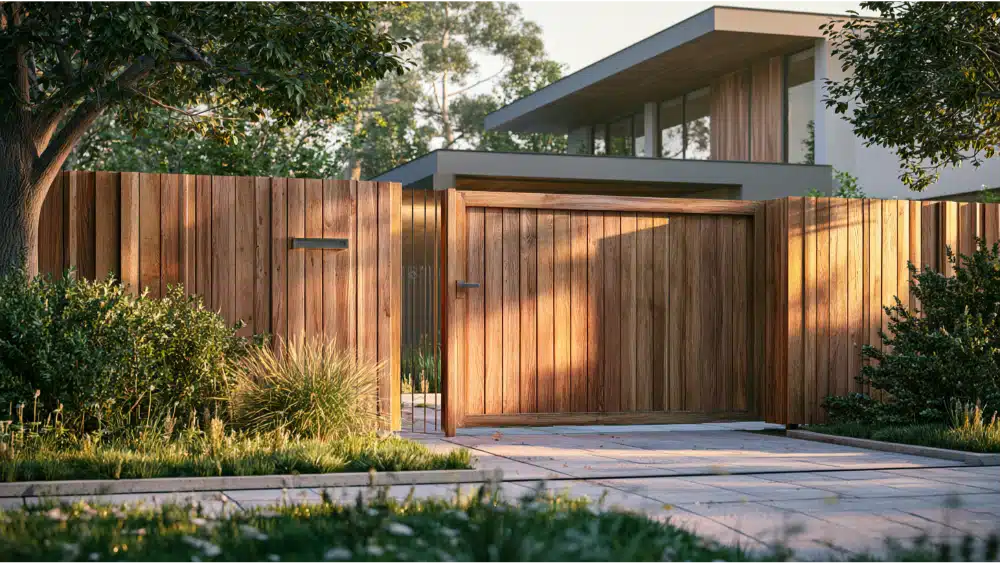
The material selection process should include function, weather resistance, budget, gate design, maintenance requirements, safety features, and long term value.
How the Gate Will Be Used
Gate type matters. A garden gate, pool gate, side gate, and driveway gate each place different demands on the material. A driveway gate usually needs more strength, stronger posts, and reliable operation. Sliding gates need a clear gate’s path and are often well suited for limited space. Automated gates may also need a motor, remote control, safety planning, and backup access during power outages.
Privacy Needs
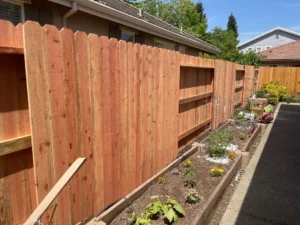
For privacy, certain materials work better than others. Wooden gates, vinyl, and composite materials can create a solid barrier that helps your yard feel calm and protected. Wood gives natural beauty. Vinyl offers low maintenance. Composite materials offer the look of wood with less maintenance.
Security Needs
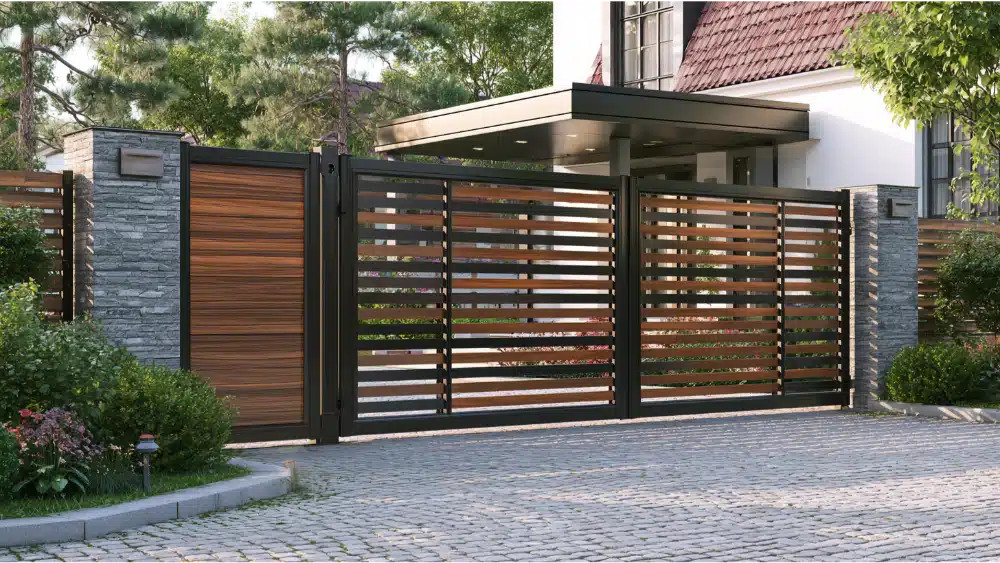
Security features should be part of the selection process. Metal gates, steel gates, and wrought iron gates are often chosen when strength matters most. A secure gate requires the right locks, posts, hinges, height, and hardware. The right material supports both protection and aesthetic appeal.
Local Climate
In the Sacramento area, high temperatures, direct sun, rain, irrigation overspray, and soil movement all affect material selection. Wood may need sealing to prevent moisture damage and insect damage. Metal gates may need powder coating to help prevent rust. Aluminum gates offer excellent corrosion resistance and can be a smart choice for weather resistance.
Maintenance
Maintenance requirements are one of the key factors in choosing the appropriate material. Some materials need more maintenance. Wood may need staining, sealing, and regular inspection. Wrought iron and steel gates may need periodic cleaning and finish touch-ups. Vinyl, aluminum, and composite materials are popular for minimal maintenance and only occasional cleaning.
Budget
Cost considerations matter, but the lowest upfront price is not always the most cost effective option. Professional installation ensures quality craftsmanship and long-term value. A properly designed gate can also support property value by improving security, function, and curb appeal.
Gate Size and Weight
Picking the right material and frame isn’t about preference, it’s about physics. The length and height of a gate dictate how much frame it needs, because every extra foot of width dramatically increases the strain on the frame and the hinges.
Here’s a way to feel it for yourself. Hold a milk jug in your hand and tuck your elbow against your side — easy, barely any strain. Now extend your arm straight out in front of you and hold that same jug. Then imagine it a foot farther out, and another foot beyond that. The jug never got heavier, but the farther it gets from your body, the more it pulls on your shoulder. That’s leverage, and it’s exactly what’s happening at a gate’s hinges. The wider the gate, the farther that weight hangs out from the post, and the harder it pulls down on the hinge side.
This is why a wide or heavy gate requires strong support, and why the right frame has to match the load it’s carrying rather than a one-size-fits-all approach. Strong posts, hinges, bracing, and manufacturer specifications all help protect structural integrity, but the frame itself is where that leverage has to be resisted first.
Curb Appeal
Your gate should feel like it belongs with your home. Design elements like color, texture, height, trim, spacing, and hardware all affect curb appeal. Custom designs can make gates feel more personal, polished, and welcoming.
Safety Requirements
Safety features matter for pool gates, pet areas, child-safe yards, and automated gate systems. A gate may need self-closing hinges, self-latching hardware, safe spacing, or special access controls. These essential factors deserve careful consideration.
Hardware Compatibility
A strong material can still fail with weak hardware. Hinges, latches, fasteners, frames, wheels, tracks, and posts must match the gate design. Industry standards, professional expertise, and a quality manufacturing process all help create reliable operation.
Comparing Common Gate Materials
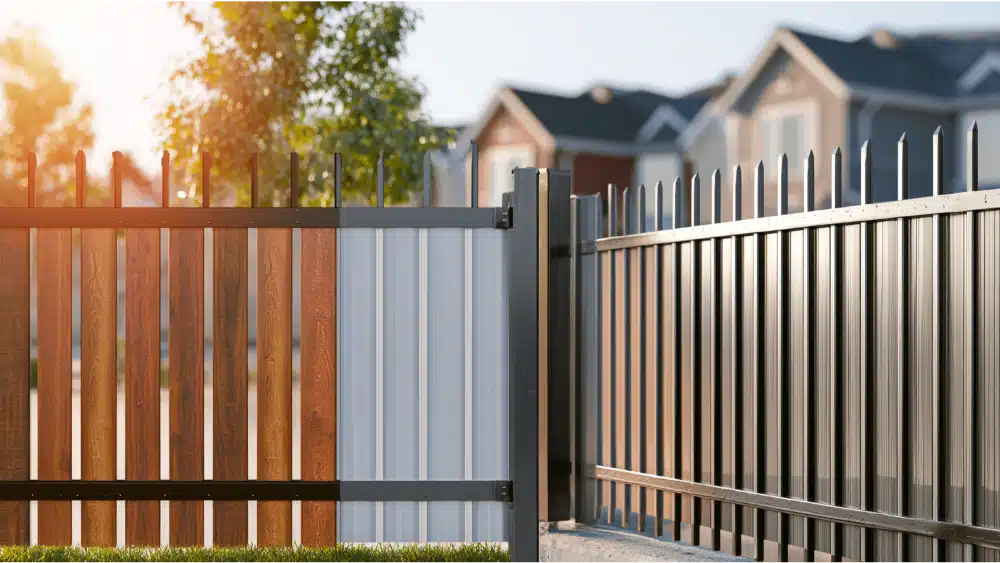
Different materials bring different strengths. The best material depends on your home, budget, style, and long term performance needs.
Wood Gates
Best For:
Wooden gates are loved for natural beauty, privacy, and warmth. They are flexible for custom designs and can match many fence styles.
Keep In Mind:
Wood needs care. High temperatures, sun, moisture, and insect damage can affect it over time. Width matters just as much: up to 4 feet wide, a standard 2×4 frame handles the load comfortably and will swing true for years. At 5 feet, the maximum for a wood frame, that upgrades to a 2×6 frame, which is deeper and stronger to resist the added leverage at that width. Beyond 5 feet, wood can’t keep up, and at that point we only build on a welded steel frame, since a wood frame at that size will eventually sag, bind, and stop latching no matter how good the hardware is. A welded steel frame carries that load without flexing, so a wide gate keeps swinging and latching like the day it was hung.
Vinyl Gates
Best For:
Vinyl gates are clean, bright, and low maintenance. They are well suited for homeowners who want privacy with less upkeep.
Keep In Mind:
A vinyl gate requires proper reinforcement, especially for wider openings.
Aluminum Gates
Best For:
Aluminum gates are lightweight, attractive, and known for excellent corrosion resistance. They are a strong choice for decorative spaces and areas where visibility is welcome.
Keep In Mind:
Aluminum may not feel as heavy-duty as steel gates or wrought iron gates for high-security entrances.
Steel or Iron Gates
Best For:
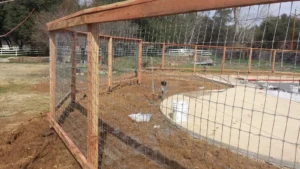
Steel gates and wrought iron gates offer strength, security, and timeless style. They are often used for a driveway gate or front entrance. For chain link or iron gates, the frame’s thickness and size are determined by the gate’s length and height: the longer and taller the gate, the more it weighs and the more leverage it puts on its connections, so we size the frame to the load it has to carry rather than build it the same way regardless of size. A small walk gate and a wide double-drive gate are not built from the same material.
Keep In Mind:
These metal gates need protective finishes. Powder coating, periodic cleaning, and regular inspection can help preserve the finish.
Composite Gates
Best For:
Composite materials offer the look of wood with less maintenance. They are a strong option for homeowners who want beauty, durability, and long term value.
Keep In Mind:
Composite can cost more upfront than some other materials, but it can be cost effective over time.
Common Mistakes to Avoid
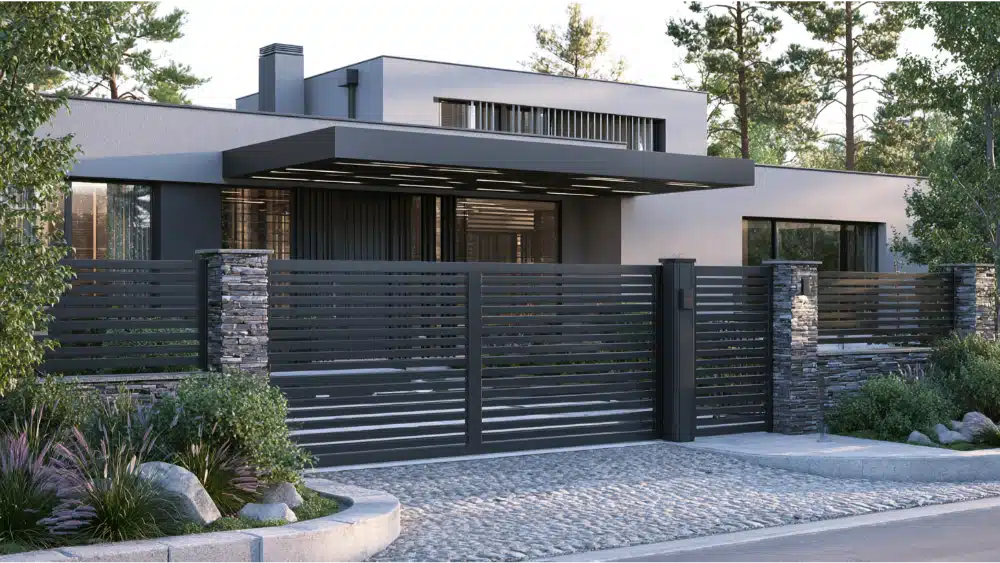
- Choosing Looks Alone:
A gate should look good, but material selection should also account for performance requirements, climate, weight, and daily use. - Ignoring Weight:
Weight and width work together through leverage — the wider the gate, the harder it pulls on the hinge side. Without a frame sized to match, gates can sag, drag, bind, or stop closing correctly. - Forgetting About Maintenance:
Every material has maintenance needs. Knowing those needs ahead of time helps homeowners make informed decisions. - Using Weak Hardware:
Reliable operation depends on the whole gate system, not just the material. - Not Planning for Kids or Pets:
Gate design should match real family life. Kids, pets, pools, and busy driveways all affect gate selection.
How Fantastic Fence Helps You Choose with Professional Installation
At Fantastic Fence, we guide you through the selection process with care. We look at your yard, listen to your concerns, and help you select materials that fit your home, your budget, and your daily routine. We consider gate type, privacy, security, climate, cost considerations, maintenance requirements, design elements, industry standards, manufacturer specifications, and the manufacturing process.
Some homes need wooden gates for warmth. Some need metal gates for strength. Some are better served by vinyl, aluminum, steel, wrought iron, composite materials, alternative materials, or other materials depending on the specific demands of the property. Professional installation makes all the difference. With the right material, strong posts, quality hardware, and careful craftsmanship, your gate can feel sturdy, smooth, safe, and beautiful.
Frequently Asked Questions
What factors influence gate material selection the most?
The main factors include the gate’s intended use, local climate, security needs, maintenance requirements, budget, and aesthetic preferences. Each factor plays a role in determining which material will best suit your property and lifestyle.
How do maintenance requirements vary among gate materials?
Wood gates require periodic staining or sealing to prevent rot and insect damage. Metal gates like steel need regular inspections and protective coatings to avoid rust. Vinyl, aluminum, and composite gates generally require only occasional cleaning, making them low-maintenance options.
Can automated gates be made from any material?
While many materials can be used for automated gates, lighter materials like aluminum and composite are often preferred because they reduce strain on motors and hardware. However, steel gates can also be automated with the right support and equipment.
How does climate affect gate material choice?
Materials must withstand environmental factors such as moisture, UV exposure, temperature fluctuations, and soil movement. For example, aluminum resists corrosion well in humid areas, while wood may require more maintenance in wet climates.
Are there security differences between gate materials?
Yes, metal gates such as steel and wrought iron provide higher security due to their strength and resistance to cutting or bending. Wood and vinyl gates offer privacy but may not provide the same level of protection against forced entry.
What role does gate size and weight play in material selection?
Gate size and weight come down to leverage. The wider a gate gets, the more that weight pulls down on the hinge side, similar to holding an object close to your body versus at arm’s length. For wood gates, this means a standard 2×4 frame works comfortably up to about 4 feet wide, a 2×6 frame is needed at 5 feet, and beyond 5 feet a welded steel frame is required since wood can no longer hold its shape under that leverage. Chain link and iron gates follow the same principle: frame thickness scales with the gate’s length and height so it can carry the load without sagging or binding.
Final Thoughts
Material selection is about more than choosing what looks good today. It is about choosing what will still feel right years from now. The best gates protect your family, improve curb appeal, support daily life, and bring lasting confidence to your home.
From worn and wobbly to strong and beautiful, the right gate can change how your yard feels every day. Your yard deserves a gate that works hard and looks good doing it. Let’s build something strong together.