A Complete Homeowner’s Guide
If you’ve been researching privacy fencing and wondering what materials are used in corrugated metal fences, you’re not alone. More homeowners are choosing a corrugated metal fence because it combines strength, privacy, durability, and style in a way few other fencing solutions can match.
A corrugated metal fence can transform a backyard from exposed and outdated into a secure, attractive outdoor living space. Whether you’re exploring corrugated metal fence options in Sacramento for a new home or replacing an aging wood fence, understanding the materials behind this fencing type can help you make a confident decision.
The truth is that a corrugated metal fence is much more than a collection of metal panels. Every successful installation depends on the right combination of corrugated metal fence panels, fence posts, framing components, fasteners, coatings, gates, and finishing details. When all these materials work together, they create a durable fence that delivers privacy, curb appeal, and long-term value.
What Is a Corrugated Metal Fence?
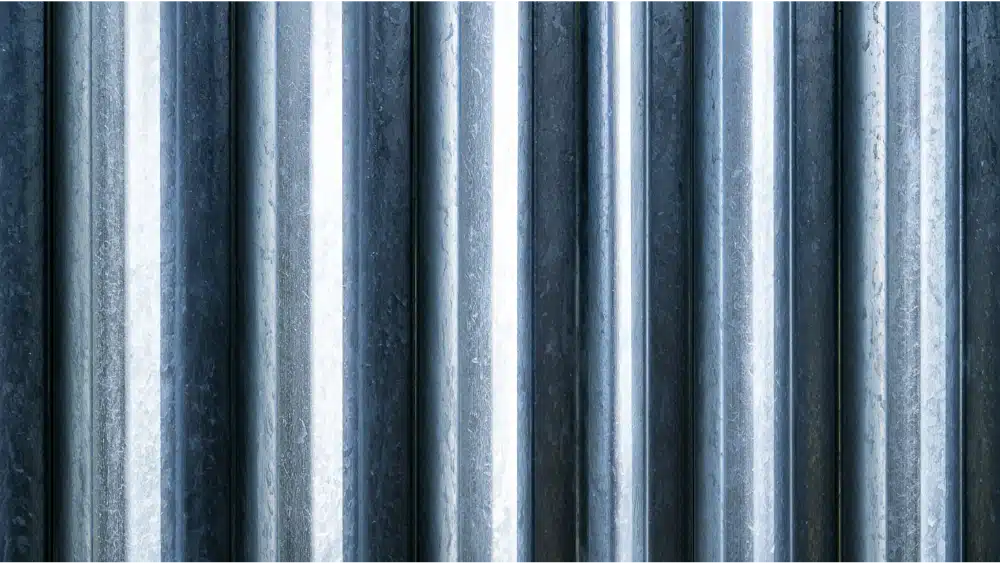
A corrugated metal fence uses corrugated metal panels with raised ridges that increase structural strength and improve durability. Unlike flat sheet metal, corrugated metal is engineered to be stronger and more rigid while maintaining a relatively lightweight profile.
This fencing type has become increasingly popular among residential and commercial properties because it offers privacy, low maintenance performance, and modern design options.
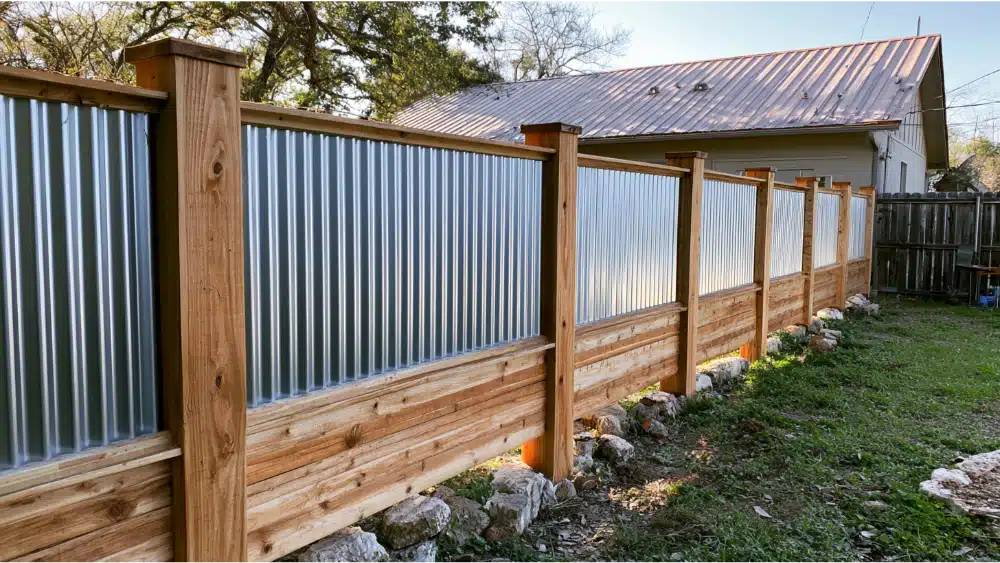
Many homeowners appreciate that corrugated metal fence designs can be customized to fit different architectural styles. Some residential metal fence designs blend corrugated metal with wood framing to create warmth and character. Others use steel posts and metal rails to achieve a sleek contemporary design with clean lines.
For homeowners who want more than just the functionality of a basic fence, corrugated metal provides a balance of performance and visual appeal.
The Main Material: Corrugated Metal Panels
The most important component of any corrugated metal fence is the panel system itself. Corrugated metal fence panels serve as the privacy barrier and define the appearance of the fence.
Several materials are commonly used to manufacture corrugated metal panels.
Galvanized Steel Panels
Galvanized steel remains one of the most popular materials used in corrugated metal fence construction. This is the same rugged, ribbed corrugated steel sheeting trusted on roofing and siding — typically colored on one side and white on the other, so panels can be oriented to show whichever finish faces out. The corrugation isn’t just cosmetic; those ridges add rigidity and structural strength to each panel.
Steel provides excellent structural strength while the galvanized coating helps resist rust and corrosion. This combination makes galvanized steel a durable and practical choice for homeowners seeking long-term performance.
Galvalume Steel Panels
Galvalume panels use a steel core coated with aluminum and zinc. This protective coating provides enhanced corrosion resistance while maintaining the strength of steel.
Many property owners choose Galvalume because it offers excellent durability and a clean appearance suitable for both residential and commercial properties.
Aluminum Corrugated Panels
Aluminum is another material sometimes used in corrugated metal fence systems.
Because aluminum naturally resists rust, it performs well in environments where moisture exposure is a concern. While it may not provide the same level of structural strength as steel, it remains a viable option for certain fence applications.
Weathering Steel Panels
Weathering steel develops a protective patina over time, creating a distinctive rustic appearance.
These panels are often selected for unique corrugated metal fence ideas where visual appeal is a primary design goal. However, surrounding features should be considered because runoff can stain nearby surfaces.
Fence Posts: The Strength Behind the Panels
Even the strongest corrugated metal fence panels require a solid support system.
Fence posts serve as the backbone of the entire fence structure. Without properly installed posts, even premium materials can fail prematurely.
Wood Posts
Wood posts remain popular because they soften the appearance of corrugated metal, and choosing whether to use pressure treated wood for fence components can significantly affect long-term performance.
Combining wood with corrugated metal creates a balanced aesthetic that feels modern while maintaining warmth. This combination is frequently seen in residential metal fence designs throughout California.
A wood fence with corrugated metal infill materials can deliver the best qualities of both materials.
Steel Posts
The fence system typically stands on 2⅜-inch posts, either structural steel or schedule 40 pipe, set in concrete and fitted with brackets that tie the rails and panels into the framework. These posts are the backbone of the fence, sized to carry the weight of the steel paneling and stand up to wind load. Many modern corrugated metal fence installation projects utilize steel posts because they contribute to the overall durability of the fence while maintaining a contemporary design.
Aluminum Posts
Although less common, aluminum posts can be used in specific applications where corrosion resistance is a priority.
Rails and Framing Materials
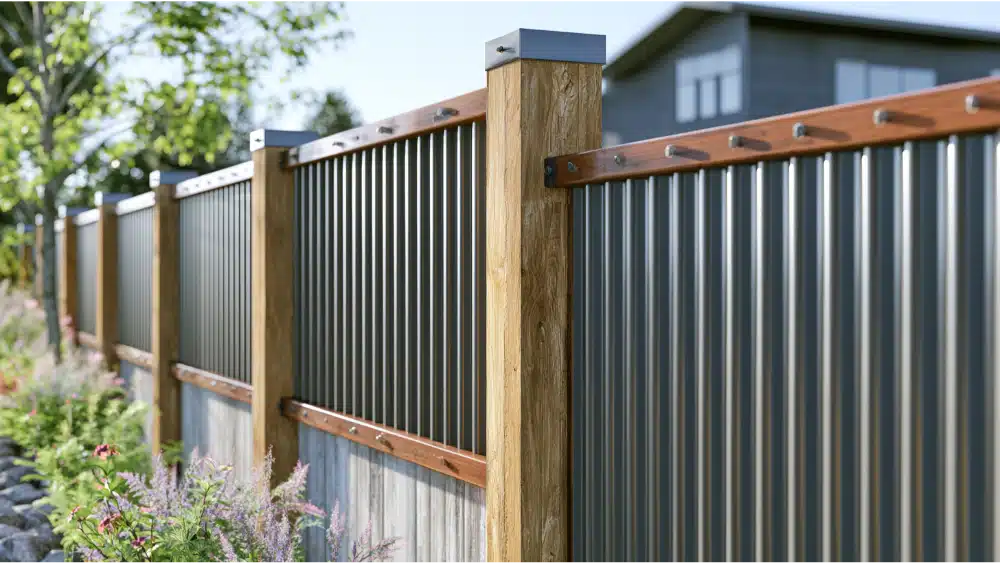
The frame and rails help secure the panels and maintain alignment throughout the life of the fence.
A properly built frame contributes significantly to the fence’s durability and visual appeal.
Wood Rails
Wood rails complement corrugated metal panels and help create a more residential appearance.
Steel Rails
Panels are supported by tubular steel rails, typically 1.5-inch square tubing, running horizontally across the frame. Depending on the fence height, installations use either two or three rails — taller fences get a third rail for added support, which keeps the panels flat, secure, and free of flex. Steel rails offer superior strength and pair well with contemporary design goals.
Trim and Edge Framing
Trim components improve safety and appearance by covering exposed panel edges.
These finishing materials help create a polished look that enhances overall curb appeal.
Fasteners, Screws, and Hardware
Hardware may seem minor, but it plays a critical role in fence performance, just as selecting the best fasteners for fence installation does for long-term durability.
Quality fasteners help prevent rust, maintain structural integrity, and improve long-term durability.
Corrosion-Resistant Screws
Outdoor installations require fasteners designed to resist rust and weather exposure.
Sealing Washers
Washers help prevent water intrusion and protect attachment points.
Brackets and Connectors
Connectors secure the frame and panels while helping maintain structural strength.
Protective Coatings and Finishes
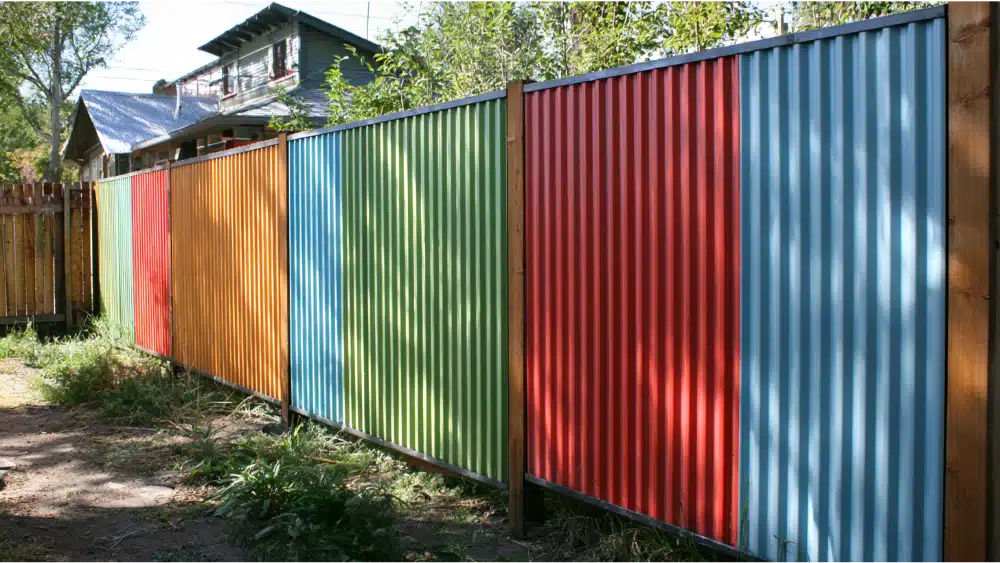
Protective finishes help corrugated metal withstand weather, moisture, and UV exposure.
Galvanized Finish
Galvanized coatings help steel resist rust and extend service life.
Powder Coating
Powder-coated finishes provide both protection and customization options.
Many homeowners choose powder coating because it allows them to coordinate the fence with surrounding features and architectural styles.
Painted Metal Panels
Painted metal panels offer additional design options and flexibility.
Selecting the right metal panel color can dramatically influence visual appeal and overall curb appeal.
Painted finishes are available in a wide variety of styles and colors to complement different homes.
Optional Materials That Complete the Fence
Several other materials contribute to a successful corrugated metal fence installation. These may include:
- Gates, especially when designed as secure entry points, can vary widely in cost depending on materials and automation features, so understanding security fence gate pricing is important.
- Decorative screens
- Post caps
- Decorative elements
- Concrete footings
- Gravel drainage systems
- Specialty infill materials
These additions help create a fence that feels complete rather than purely functional.
Many corrugated metal fence ideas incorporate decorative screens and custom gates to create a distinctive appearance.
Optional Security Additions
For sites that need an added layer of security, such as commercial properties or industrial facilities, a corrugated metal fence system can be topped out further. Three strands of barbed wire can be added along the top, and where the fence is tall enough and the location is in a commercial district that permits it, razor ribbon can be added as well. These additions turn a corrugated fence into a serious perimeter security barrier, which is why this setup is common around yards, lots, and industrial facilities.
Which Corrugated Metal Fence Material Is Best?
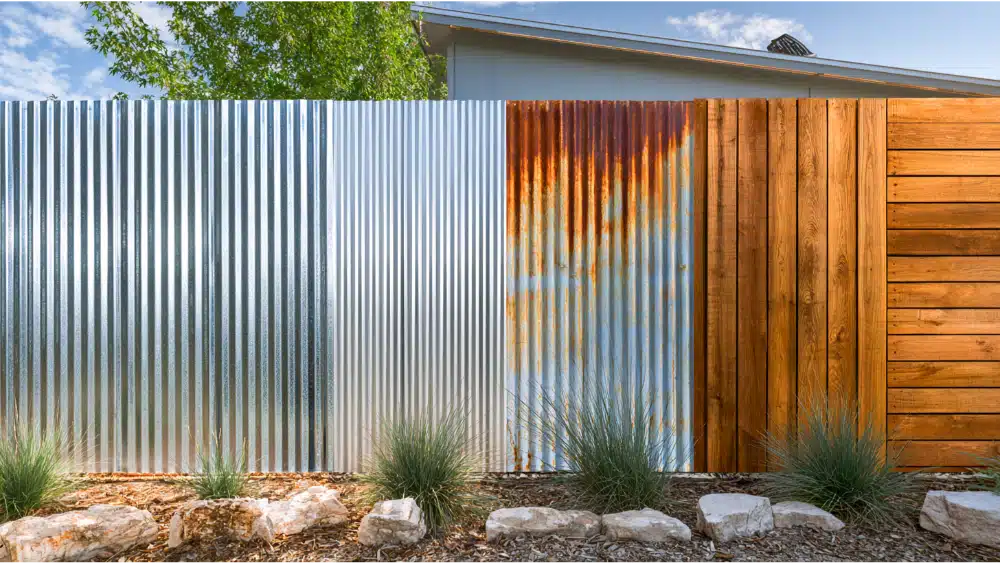
The best material depends on several key factors.
Key factors include budget, desired appearance, maintenance expectations, climate, site conditions, and intended use.
Best for Strength
Galvanized steel remains one of the strongest and most durable options available.
Best for Rust Resistance
Aluminum and Galvalume provide excellent protection against corrosion.
Best for Modern Style
Powder-coated steel systems deliver a sleek modern style with strong visual appeal.
Best for Rustic Character
Weathering steel provides a unique aesthetic and natural texture.
Best for Warm Residential Design
Wood framing paired with corrugated metal panels creates a welcoming and attractive appearance.
What Materials Work Best for California Homes?
California homeowners often prioritize low maintenance performance, durability, and curb appeal, which is why some also consider alternatives like long-lasting chain link fences for other areas of their property.
A corrugated metal fence offers all three when built using the right materials and installed properly.
Popular corrugated metal fence ideas in California include combinations of wood, steel, and corrugated metal panels that balance warmth with strength.
These residential metal fence designs complement a wide variety of home styles while maintaining low maintenance requirements.
Corrugated Metal Fence Cost Considerations
Cost is often one of the biggest concerns for homeowners.
The overall cost of a corrugated metal fence depends on numerous factors including height, layout, materials, gates, terrain, and installation complexity.
Pricing is frequently measured by linear foot, and understanding how fencing contractors structure labor costs can help homeowners evaluate quotes more effectively.
Material costs can vary significantly from one linear foot to another depending on the chosen materials and design features.
Homeowners should remember that the lowest upfront cost does not always provide the best long-term value.
A durable fence built with quality materials often requires fewer repairs and less maintenance over time.
Why Professional Installation Matters
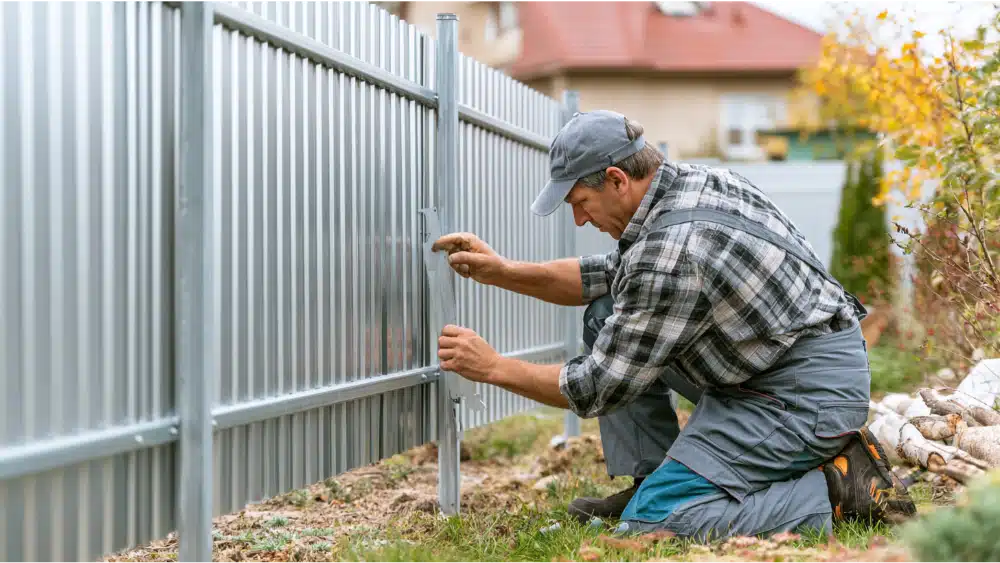
Successful corrugated metal fence installation requires more than assembling fence kits.
Professional installation helps ensure posts are properly aligned, panels are securely attached, and the frame remains square and stable.
While some homeowners consider DIY installation, a corrugated metal fence installation often involves specialized tools, accurate measurements, and experience with site conditions, which is why knowing what to look for when hiring a fence contractor is so valuable.
Installers must dig post holes correctly, secure the frame, align corrugated panels, and ensure gates operate smoothly.
Professional installation helps maximize durability, structural integrity, and appearance.
FAQs About Corrugated Metal Fence Materials
What is the most common material used in corrugated metal fence panels?
Galvanized steel is one of the most common materials because it provides excellent durability, structural strength, and corrosion resistance.
Do corrugated metal fences rust?
If protective coatings are damaged, rust can develop. However, galvanized coatings, painted finishes, and proper installation help resist rust and extend fence life.
Can corrugated metal be used for both fencing and roofing?
Yes. Corrugated metal is commonly used in both fencing and metal roofing applications because of its durability and strength.
Are corrugated metal fences low maintenance?
Yes. One reason a corrugated metal fence offers such strong value is its low maintenance nature. Compared to many traditional fencing materials, maintenance requirements are typically minimal.
Are corrugated metal fence kits a good option?
Fence kits can be useful for certain projects, but homeowners should evaluate material quality, site conditions, and installation requirements carefully before choosing a kit.
What should homeowners consider before choosing a corrugated metal fence?
Homeowners should evaluate key factors such as cost, style preferences, customization options, maintenance expectations, site conditions, and overall design goals.
More comments about corrugated metal fences?
Most property owners find that corrugated metal delivers an excellent balance of privacy, durability, visual appeal, and long-term value when installed properly.
Final Thoughts: Build It Strong, Make It Beautiful
A corrugated metal fence offers an impressive combination of privacy, durability, low maintenance performance, and curb appeal.
From corrugated metal fence panels and steel posts to decorative screens and custom gates, every component contributes to the finished result.
Whether you’re comparing a corrugated fence to a wood fence and its costs, a vinyl fence, or other materials like chain link versus wood fencing, corrugated metal continues to stand out as a great solution for modern homeowners.
The growing popularity of corrugated metal fence ideas shows that homeowners value both performance and beauty. Inspired by the strength found in metal roofing systems and roofing products from manufacturers such as Western States Metal Roofing, today’s corrugated metal fence designs create attractive outdoor spaces while delivering long-lasting protection.
When the right materials come together, a corrugated metal fence can create privacy, improve overall curb appeal, and add lasting value to your property, and flexible fence financing options can make it easier to invest in quality materials.