
If you have ever walked up to a fence and felt it shift under your hand, you know how quickly confidence disappears. A fence should feel strong, steady, and secure every single day. It should protect your space, define your perimeter, and give your home that sense of safety you can rely on.
The truth is simple. When homeowners ask how are ornamental iron fences anchored securely, the answer always comes back to one thing. It is not just about the iron, the fence panels, or even the design. It is about how the entire installation connects to the ground and holds firm over time.
A well-built iron fence creates security, enhances curb appeal, and delivers long-lasting protection. When done right, it transforms your yard from exposed to protected, from uncertain to dependable.
Let’s walk through how it all comes together so you can understand what makes a fence truly secure.
What Makes an Ornamental Iron Fence Secure: Strength in Fence Panels and Posts
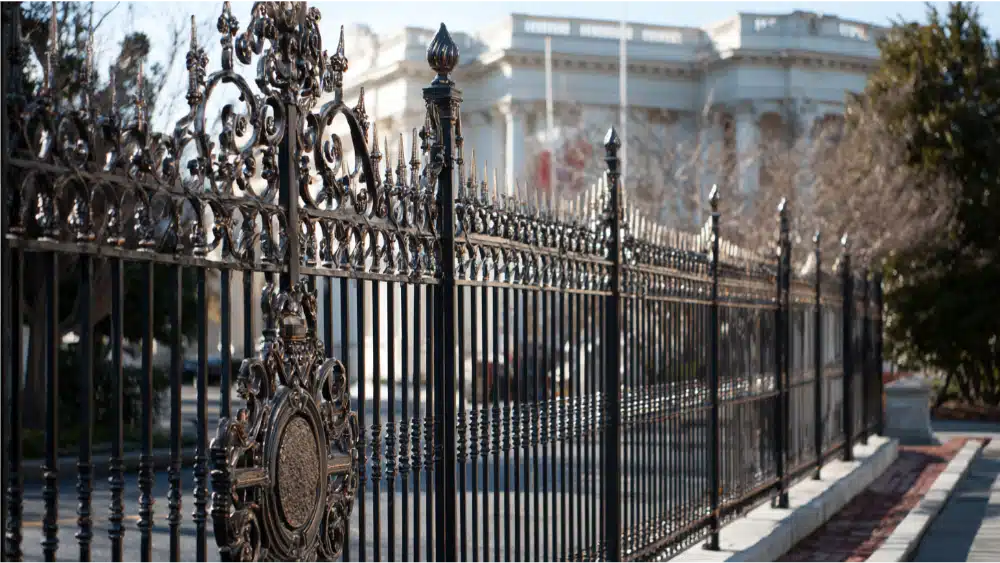
A secure fence is not just about strong materials. It is about how every part works together. From fence panels to posts, from brackets to bolts, everything plays a role in structural integrity.
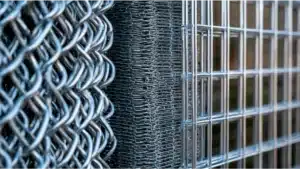
Modern iron fences are designed with exceptional durability in mind. Many homeowners choose them over chain link fences because they offer both visual appeal and enhanced security. They combine strength with aesthetic appeal, giving your home a polished appearance while still protecting your space.
Traditional wrought iron panels are known for their strength and decorative elements. Today’s versions often use steel or aluminum, and understanding how steel fencing resists rust over time helps you choose the right option for long-term durability, but they still deliver the same clean lines and timeless look of wrought iron.
What really makes an iron fence secure is the installation process. Even the best materials can fail if the posts are not anchored properly or if the fence panels are not securely fastened with high-quality corrosion-resistant fasteners.
A properly installed fence creates a barrier that protects your property lines, keeps your family safe, and adds lasting value to your home.
The Foundation of Strength: How Fence Posts Are Anchored
In-Ground Concrete Footings: The Gold Standard
The most reliable method for installing an iron fence is setting fence posts into concrete footings. This creates a solid connection between the posts and the ground, which is where real strength begins.
The installation process starts with digging holes using a post hole digger. These holes must be deep enough to support the height and weight of the fence.
Once the holes are ready:
- The posts are placed perfectly vertical
- They are supported in position
- Concrete is poured around them
A strong concrete mix is essential here. It locks the posts in place, prevents shifting, and provides long-term durability.
When the concrete cures, it forms a stable base that keeps the fence secure through wind, weather, and daily use.
This method ensures the fence remains stable, even in uneven terrain or areas with shifting soil. It is the foundation that gives the entire project its strength.
How Deep Do Fence Posts Need to Be?
Depth plays a major role in durability and safety. Taller fences require deeper holes, and soil conditions can also affect how deep posts should go.
In colder regions, posts must extend below the frost line to prevent frost heave. Without this, the ground can push posts upward over time, causing the fence to lean or become unstable.
Proper depth helps maintain structural integrity and keeps the fence aligned across the total length of the installation. It is one of the most important details in the entire process.
Why Concrete Matters More Than You Think
Concrete does more than hold posts in place. It distributes pressure, resists movement, and supports the entire fence system.
When the concrete mix is done correctly, it strengthens the bond between the posts and the ground. Poor mixing or rushed installation can lead to weak footings, which can compromise security over time.
This is why experienced installers focus on getting the concrete right from the start. It is not just a step, it is the backbone of the fence.
Special Anchoring for Gates: Where Most Problems Start
Why Gate Posts Need Extra Support
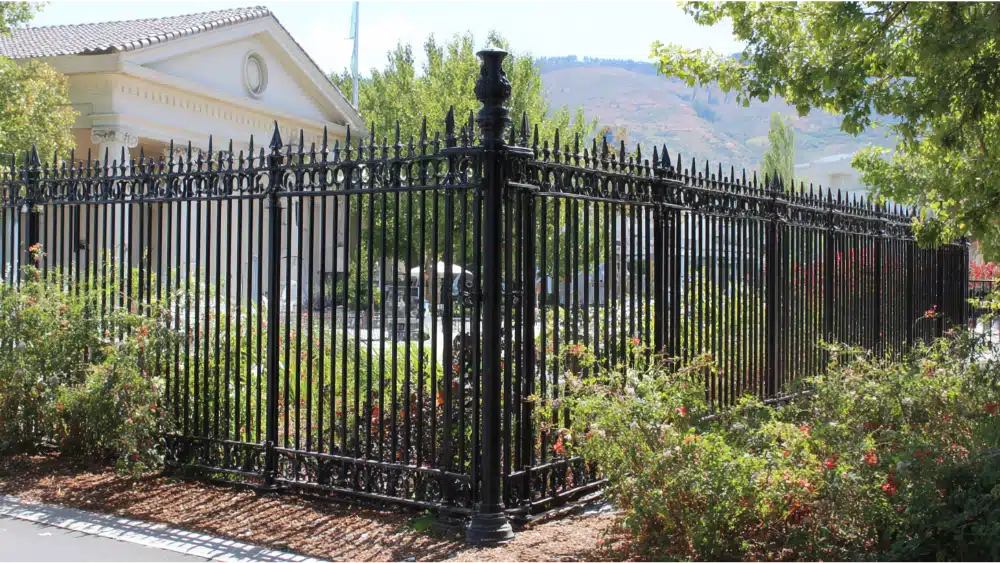
Gates are one of the most used parts of any fence. They open and close constantly, which puts stress on the posts holding them up.
This repeated movement requires additional support. Without it, the posts can shift, and the gate can sag or become misaligned.
Heavier Posts and Deeper Footings
To handle this stress, gate posts are typically larger and set deeper into the ground with more concrete. This extra layer of support keeps the gate functioning properly over time.
When done right, gates swing smoothly, latch correctly, and maintain their alignment for years.
What Happens When Gate Anchoring Is Done Wrong
When gate posts are not properly secured, problems start to show quickly:
- Gates may drag
- They become difficult to close
- Loose bolts begin to affect performance
These issues do not just impact convenience. They also compromise security and reduce the overall effectiveness of the fence.
Proper installation prevents these problems and ensures long-term durability.
Alternative Anchoring Methods: When Concrete Is Not an Option
Core Drilling Into Concrete or Masonry
In some situations, installing into the ground is not possible. This is common with existing structures like patios or retaining walls.
In these cases, drilling holes into concrete and securing posts with grout can provide a strong anchor point. This method requires specialized tools and careful planning to ensure the posts remain secure.
Surface Mounted Posts: Plated Anchoring
Surface mounting involves attaching posts to a concrete surface using screws or bolts and metal brackets. A power drill is often used to secure the hardware in place.
This method works well for decorative fencing or areas where digging holes is not practical. However, it may not provide the same level of strength as in-ground installation, especially for taller fences or heavy gates.
When These Methods Are the Right Choice
Choosing the right method depends on your project, your property, and your goals. Each approach has its place, but not all are equal in terms of strength and long-term durability.
Working with experienced professionals helps ensure the right choice is made for your specific situation.
The Hidden Factors That Affect Fence Stability

Soil Type and Ground Conditions
Soil plays a major role in how well fence posts hold over time. Some soils provide strong support, while others shift or settle, which can ultimately lead to leaning fences and the need for repairs.
- Clay soil expands and contracts with moisture
- Sandy soil may not hold posts as firmly
Understanding these conditions helps guide the installation process.
Frost Line and Seasonal Movement
In colder climates, frost heave can push posts upward as the ground freezes and thaws. This movement can cause fences to lean or become uneven.
Installing posts below the frost line helps prevent this issue and keeps the fence stable year-round.
Proper Post Spacing and Strategic Placement
Even spacing and strategic placement are essential for both appearance and performance, especially if you are planning fencing that keeps dogs safely contained.
- Posts must be placed strategically
- They must remain perfectly vertical
- Fence panels must align cleanly
Proper spacing ensures fence panels fit correctly and remain securely fastened throughout the entire perimeter.
Common Installation Mistakes That Lead to Weak Fences
Even a small mistake during installation can lead to long-term problems.
Common mistakes include:
- Shallow holes
- Poor concrete mix
- Improper alignment
- Using the wrong brackets
- Failing to tighten bolts
- Not sealing exposed metal, leading to rust
These kinds of oversights can also affect gates in particular, where wear, rust, or misalignment may require professional gate troubleshooting and repair.
These mistakes can compromise security and reduce the lifespan of the fence.
Taking a proactive approach during installation helps avoid these problems and ensures a strong, reliable result.
How to Tell If Your Fence Is Properly Anchored
A well-installed fence feels solid and secure.
Signs of a strong fence:
- Posts do not move
- Panels stay aligned
- Gates operate smoothly
- Brackets and hardware are tight
Warning signs:
- Leaning posts
- Loose bolts
- Uneven panels
If something feels off, it is worth taking a closer look. Early detection can prevent larger issues later, and many problems with automatic systems can be solved by following simple automatic gate troubleshooting checks before calling in a technician.
Why Professional Installation Makes All the Difference
Installing an iron fence requires more than just basic tools. It involves careful planning, precise measurements, and the use of essential tools like a measuring tape, post hole digger, and power drill.
Experienced professionals understand:
- Local regulations
- Zoning laws
- Height restrictions
- Property lines
- Necessary permits
They know how to ensure compliance and install everything safely, which is why it is important to choose a qualified, reputable fence contractor.
This level of expertise ensures the fence is installed correctly, providing long-lasting protection and peace of mind, and companies that offer free estimates for professional fence installation make it easier to get started with the right team.
What This Means for Your Home: Enhancing Security and Aesthetic Appeal
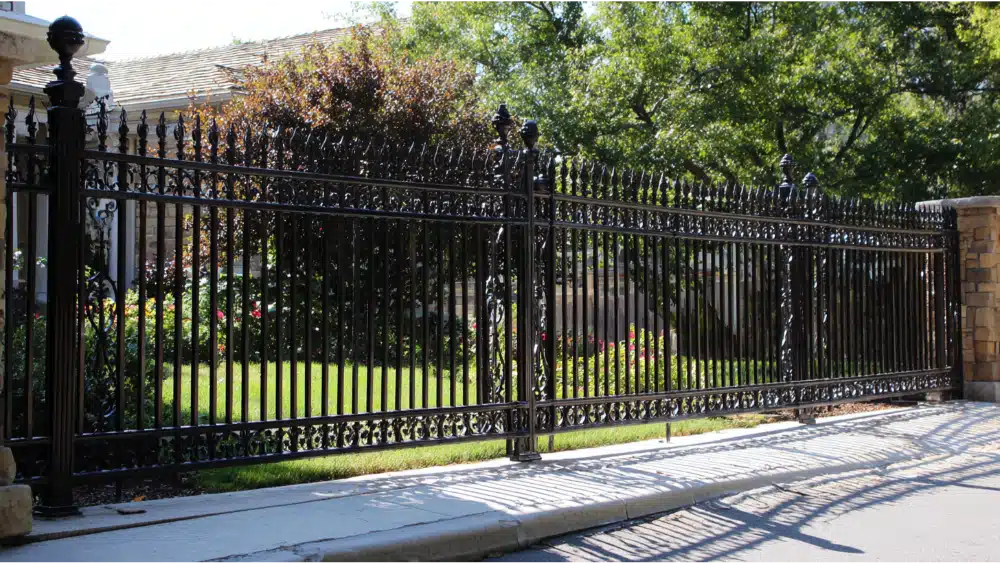
A properly installed iron fence does more than define your space.
It:
- Enhances security
- Improves curb appeal
- Adds value to your home
- Creates a safe perimeter
- Adds an extra layer of protection
With minimal upkeep and proper maintenance, it continues to perform year after year, offering both beauty and reliability.
Cost vs Value: Why Proper Anchoring Is Worth It
Every fence project is an investment. The cost depends on materials, total length, and installation complexity, and adding a gate brings its own budget considerations, from basic walk-through entries to more advanced systems outlined in this security fence gate cost guide for homeowners.
While it may be tempting to cut corners, doing so can lead to costly repairs later.
Proper installation:
- Ensures long-term durability
- Reduces maintenance needs
- Protects your investment
It is always better to do it right the first time.
Frequently Asked Questions
How deep should ornamental iron fence posts be?
Posts should be deep enough to support the height of the fence and resist movement. This often means digging holes that extend below the frost line for added stability.
Can iron fences be installed without concrete?
Concrete is essential for most installations. It provides the strength needed to keep posts secure and prevent shifting over time.
How long does concrete take to set?
Concrete typically begins to set within 24 to 48 hours, but full strength develops over several days.
Why do iron fence gates sag over time?
Sagging is usually caused by inadequate support or improper installation of gate posts. Reinforcement helps prevent this issue.
Can a loose fence be fixed without replacing it?
In many cases, yes. Tightening bolts, resetting posts, or reinforcing weak areas can restore stability without a full replacement.
Final Thoughts: Strength You Can Feel Every Day
A fence should never leave you wondering if it will hold. It should feel secure, look strong, and perform exactly as it should every single day.
When you understand how ornamental iron fences are anchored securely, you can see what truly matters. It is not just the panels or the design. It is the strength below the surface, the care taken during installation, and the commitment to doing it right.
From the first hole in the ground to the final tightening of bolts, every step matters. When done with care, the result is a fence that delivers safety, security, and lasting peace of mind.
Your yard deserves that kind of strength. Let’s build something strong together.