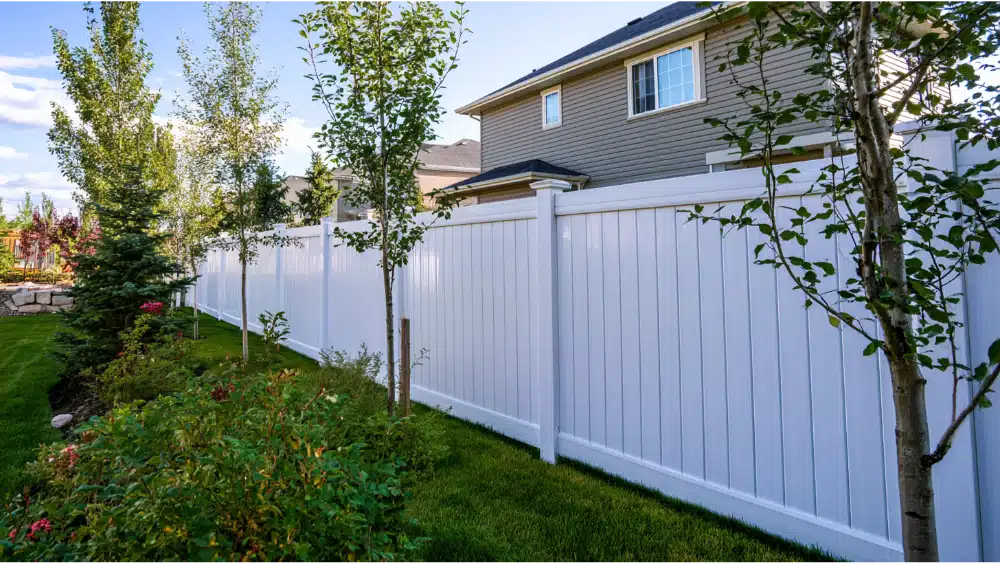
A vinyl fence can make your yard feel private, clean, and secure. But a fence is only as strong as the posts holding it in the ground. That is why many homeowners ask, how are vinyl fence posts reinforced during installation? The simple answer is that vinyl fence posts are reinforced with proper post hole depth, concrete, drainage, internal metal support, strong brackets, and careful alignment. When every vinyl post is installed the right way, the entire section feels stronger, straighter, and more dependable.
Why Vinyl Fence Post Reinforcement Matters
Vinyl fences are a popular choice because they look clean, last a long time, and create a low-maintenance fence around the house. Unlike wood, vinyl does not need painting, staining, or constant sealing. It also will not rot like wood or rust like metal.
Still, vinyl fences need proper reinforcement. Most vinyl fence posts are hollow, which means the strength comes from the way each vinyl fence post is set, supported, and secured.
If fence posts are not reinforced correctly, problems can happen. A gate may sag. A post may sink. A fence line may lean. Panels may break or pull away from the rails. In windy areas, pressure can build against the fence and cause movement over time.
Strong reinforcement helps protect the fence, preserve curb appeal, and give the house a finished look that lasts.
Vinyl Is Strong, But the Post System Does the Heavy Lifting
Vinyl is durable, but the post system matters most. The vinyl post, post hole, concrete, rails, caps, brackets, and screws all act together.
A well-reinforced vinyl fence post helps the fence withstand wind, soil movement, winter weather, and daily use. That extra layer of support is crucial around a gate, corner, end post, or long fence line.
A Strong Fence Starts Below Ground
Homeowners usually see the finished fence, not the hidden work in the ground. But what happens below ground matters.
A post hole digger is used to dig each hole. The hole must be deep enough and wide enough for the post, concrete mix, gravel, and soil conditions. In sandy soil, installers may need a different method or extra strength to keep posts secure.
The Main Ways Vinyl Fence Posts Are Reinforced
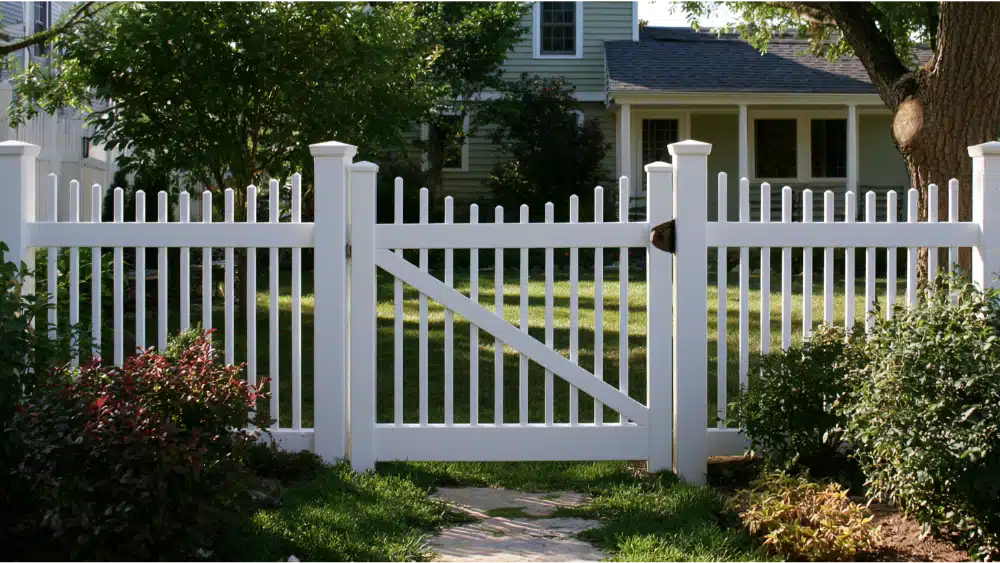
Vinyl fences can be reinforced in a few trusted ways. The right method depends on the yard, fence height, gate size, wind exposure, and soil.
Concrete Footings Around the Post
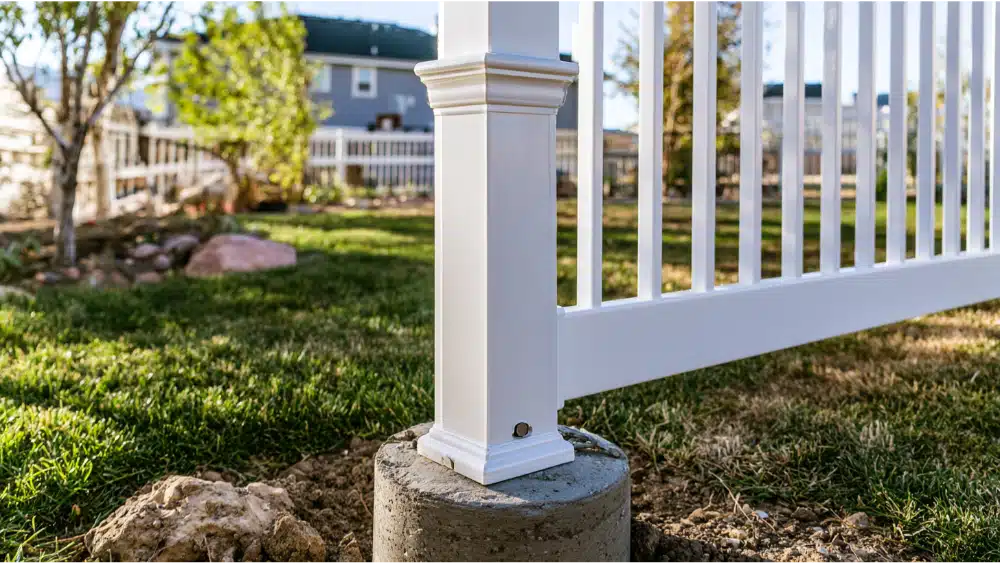
Concrete is one of the most common ways to reinforce fence posts. After installers dig the post hole, they place the vinyl post, check the line, and fill around it with concrete.
Concrete helps lock the post in place. It gives the fence a solid base and helps prevent shifting. A proper concrete footing can make the difference between a fence that stays straight and one that needs repair or replacement too soon.
Gravel for Drainage
Before concrete is added, gravel may be placed at the bottom of the hole. This creates an extra layer for drainage.
Water around posts can soften soil and create movement. Drainage helps protect the installation and preserve the strength of the concrete. This is especially helpful during winter or heavy rain.
Reinforcing Posts From the Inside
Vinyl fence posts are hollow, so certain spots need internal reinforcement to hold up over time — especially at gates, where the post carries the constant weight, swing, and stress of a moving gate. Trying to drive a screw into hollow plastic alone won’t hold; the hardware needs something solid underneath it to bite into. There are two methods we trust for this.
The first is a vinyl post stiffener, a sleeve shaped to match the post — usually 5.5 inches square — that slides up inside the hollow post. For gates, this is ideal. It gives installers a solid, strong surface to screw and secure the gate hardware into, instead of trying to anchor heavy hardware into thin hollow plastic. It reinforces the post while keeping everything fully within the vinyl system, so the finished look stays clean.
The second is a galvanized steel post insert — a 2⅜-inch round galvanized steel post fitted with a donut, a spacer that centers the round post inside the square vinyl post. This method is used when a vinyl post needs serious strength, such as when a post needs to be plated directly to a concrete slab, or anywhere extra reinforcement is needed beyond what a stiffener provides. The steel core does the structural work while the vinyl sleeve keeps the maintenance-free finish.
Why We Don’t Use Wood Inserts
A third method exists — dropping a wooden post inside the vinyl — but it’s one we strongly advise against. The problem is simple: as soon as that wood rots, all the strength it was providing goes with it. At that point, a fence bought specifically to be long-lasting and low-maintenance has been reduced to the lifespan of a wood fence. It defeats the entire purpose of going vinyl in the first place. We don’t build it this way, and we’d caution any homeowner against an installer who does.
Strong Gate Post Reinforcement
A gate puts more pressure on posts than a regular fence panel. Every time the gate opens, closes, or latches, the posts carry that movement. Trying to anchor gate hardware into hollow vinyl alone won’t hold — the screws need something solid to bite into.
That’s why gate posts typically get a vinyl post stiffener, a solid insert sleeve that gives hardware a real surface to secure into instead of thin hollow plastic. For situations with extra load, such as a post that needs to be plated to a concrete slab, a galvanized steel insert may be used instead. Either way, the internal reinforcement is what prevents sagging, loosened brackets, and pulled screws over time.
Step-by-Step: How Vinyl Fence Posts Are Reinforced During Installation
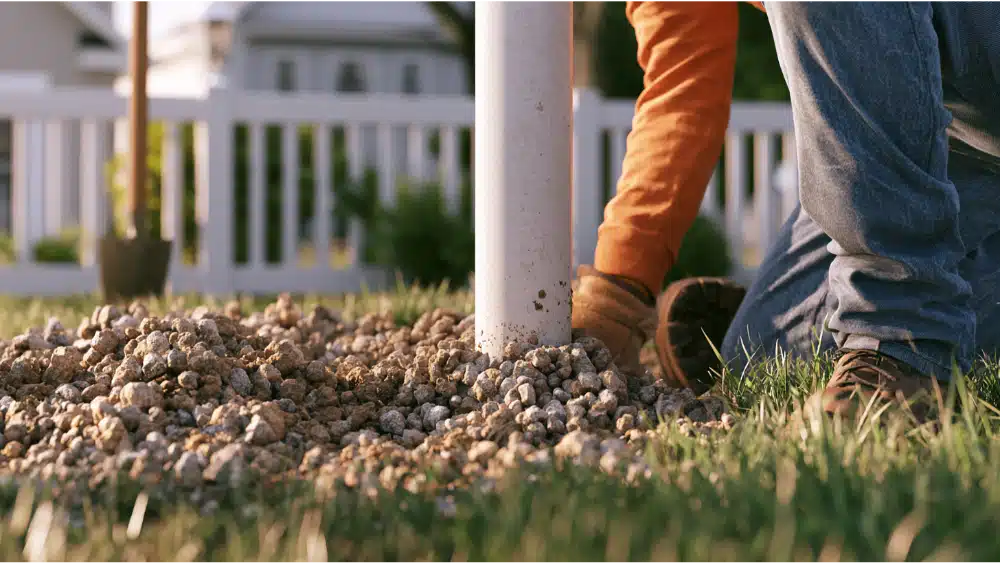
A strong installation follows a careful process.
Planning the Fence Layout
Before installers dig, they plan the fence line, gate location, rails, and post spacing. This step helps the entire section fit correctly.
The layout should also consider the house, yard slope, utilities, soil, and wind exposure. Good planning helps avoid repair work later.
Digging the Post Holes
Installers use tools such as a post hole digger to dig each hole. The hole must be deep enough to support the fence and wide enough for concrete.
Many projects require posts to sit several feet into the ground, depending on fence height and local conditions.
Adding Gravel for Drainage
Gravel may be added before the post goes in. This extra layer helps water move away from the bottom of the post.
Drainage is a small detail, but it can matter a lot over time.
Setting the Vinyl Post
The vinyl post is placed into the hole and checked for level. A rubber mallet may be used gently to adjust parts without damaging the vinyl.
The post must line up with the rest of the fence. If one post is off, the rails, caps, and panels may not fit cleanly.
Adding Concrete Around the Post
Concrete mix is added around the post. Installers fill the hole, check alignment, and make sure the post stays secure while the concrete sets.
Concrete should not be rushed. If the post moves before the concrete cures, the fence may lean or crack later.
Adding Internal Reinforcement Where Needed
Gate posts and other high-stress areas need internal support before hardware goes on. A vinyl post stiffener — a solid sleeve that slides up inside the hollow post — gives installers something solid to screw gate hardware into. For posts that need extra strength, such as one being plated to a concrete slab, a galvanized steel insert with a centering spacer is used instead.
What shouldn’t go inside a post is wood. A wood insert eventually rots, and once it does, the post loses the strength it was relying on — turning a low-maintenance vinyl fence into one with a wood fence’s lifespan.
Installing Rails, Panels, Gates, and Caps
Once the posts are secure, installers add rails, panels, top rail pieces, gates, brackets, screws, and caps.
Caps finish the look and help cover the top of each vinyl post. Rails connect the posts and hold the fence panels in place.
Which Vinyl Fence Posts Need the Most Reinforcement?
Not all posts carry the same pressure.
- Gate Posts: Need extra strength because they support weight and movement. A weak gate post is often the first sign that reinforcement was skipped.
- Corner Posts: Change the direction of the fence. They may need more concrete, stronger brackets, or internal metal support, especially in hillside communities such as Grass Valley where terrain and weather add extra stress.
- End Posts: Anchor the line. If an end post moves, the fence can lose its shape, so homeowners in areas like Folsom often rely on a local fence specialist to set these posts correctly.
- Line Posts: Support regular fence sections. They still need proper concrete, spacing, rails, and caps, and in communities like West Sacramento a reliable fence company can help design line posts for local conditions.
- Posts in Wind-Exposed Areas: Vinyl fences can act like a solid wall in the wind. Tall privacy fences need posts that can withstand pressure. In open yards, reinforcement becomes even more important, especially in places like Roseville where a trusted fence company understands local wind and soil conditions.
Common Mistakes That Lead to Weak Vinyl Fence Posts
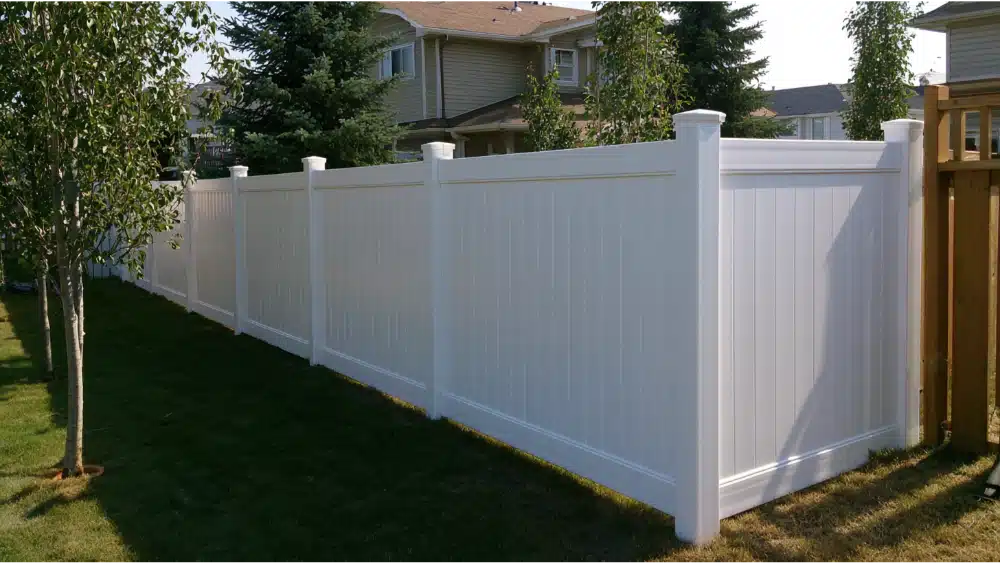
A fence can look fine at first, then fail because something happened during installation.
- Shallow Post Holes: If the holes are too shallow, posts may lean, sink, or loosen.
- Not Enough Concrete: Without enough concrete, posts can move under pressure. This can cause the fence to crack, shift, or break.
- Skipping Gate Post Reinforcement: Gate posts often need an internal stiffener to give hardware something solid to anchor into. Skipping this step can lead to sagging, loose brackets, and repair needs.
- Poor Drainage: Poor drainage can weaken soil and concrete. Over time, this may cause posts to move.
- Ignoring Manufacturer Instructions: Vinyl fences are manufactured as systems. Rails, caps, brackets, screws, and posts are designed to work together. Ignoring instructions can create problems.
- Rushing the Concrete Cure: Concrete needs time to set. If installers rush the installation, the posts may shift before they are secure.
How Reinforcement Helps Your Vinyl Fence Last Longer
Reinforcement helps the fence stay beautiful and strong.
- Keeps the Fence Straight: Straight posts keep the fence line clean. This makes the whole house look more cared for.
- Protects Gates From Sagging: A reinforced gate post helps the gate open and close smoothly. Strong brackets and screws also help keep hardware secure.
- Reduces Wind Movement: Reinforcement helps vinyl fences withstand wind and pressure.
- Preserves Curb Appeal: A strong fence helps preserve the look of the yard and house.
- Gives Homeowners Peace of Mind: Homeowners want security, privacy, and confidence. A reinforced fence helps provide all three.
Can Homeowners Reinforce Vinyl Fence Posts Themselves?
Some DIY projects are possible, but fence post reinforcement can be tricky. Many homeowners prefer to work with a professional fence installation and repair company to make sure their posts are reinforced correctly.
When DIY May Be Possible
A homeowner may handle small tasks like replacing caps, tightening screws, checking brackets, or cleaning around posts.
When to Call a Professional
Call a professional if a post is leaning, the gate is sagging, concrete is cracked, rails are loose, or the fence moves in the wind, and consider scheduling a free fence estimate and consultation to review your options.
Why Professional Installation Matters
Professional installation helps make sure the right method is used. A strong vinyl fence post needs the right hole, concrete, reinforcement, brackets, screws, caps, rails, and alignment.
What Homeowners Should Ask Before Installing a Vinyl Fence
Good questions help homeowners feel confident before opting for a new fence and choosing a trusted local fencing company.
- Will My Gate Posts Be Reinforced? Gate posts need extra strength. Ask whether a vinyl post stiffener will be used and whether a steel insert is needed for any posts under heavier load.
- How Deep Will the Posts Be Set? Post depth depends on the fence, soil, and yard.
- Will Concrete Be Used Around Every Post? Most vinyl fence posts need concrete around the base for support.
- Does My Yard Need Extra Support? Sandy soil, slope, wind, and gate size can all affect the reinforcement method.
- Is Old Fence Removal Included? When replacing an old fence, removal matters. Fantastic Fence includes old fence removal and disposal at no extra charge as part of our full-service fence replacement and installation.
How Fantastic Fence Approaches Vinyl Fence Reinforcement
At Fantastic Fence, we believe a fence should be built with care from the ground up.
We look at the house, yard, soil, gate location, wind exposure, and the entire section before we install. We use the right tools, concrete, brackets, screws, caps, rails, and reinforcement to help every fence feel secure.
You can learn more about our work on our website or contact our team to discuss your project when you are ready to talk through your project.
FAQs About Reinforcing Vinyl Fence Posts
Do vinyl fence posts need to be reinforced?
Yes. Vinyl fence posts need concrete support, proper depth, and sometimes internal reinforcement.
Are vinyl fence posts filled with concrete?
Not typically inside the post itself. Most vinyl fence posts are set in concrete around the outside for a stable base. Inside the hollow post, reinforcement usually comes from a vinyl post stiffener or a galvanized steel insert rather than concrete.
Do vinyl gate posts need metal inserts?
Often, a vinyl post stiffener is used instead — a solid sleeve that gives gate hardware something to anchor into. A galvanized steel insert is used when a post needs extra strength, such as one being plated to a concrete slab.
How deep should vinyl fence posts be set?
Depth depends on fence height, soil, wind, and local requirements. Many posts are set several feet into the ground.
Can a leaning vinyl fence post be fixed?
Yes, in many cases. The repair depends on what happened, such as weak concrete, shallow depth, poor soil, or missing reinforcement.
What is the best reinforcement for vinyl fence posts?
It depends on the post. Gate posts usually benefit most from a vinyl post stiffener, while posts under heavier structural load — like one plated to a concrete slab — may call for a galvanized steel insert. Wood inserts should be avoided, since rotting wood eventually leaves the post without any reinforcement at all.
Why do vinyl fence gates sag?
Gates sag when posts move, brackets loosen, screws pull out, or reinforcement is missing.
Does every vinyl fence post need a metal insert?
No. Most posts just need proper concrete and alignment. Gate posts usually get a vinyl stiffener rather than metal, and a galvanized steel insert is reserved for posts under serious structural load.
What is a sign that a vinyl fence post needs repair?
A leaning post, loose caps, cracked concrete, shifting rails, or a gate that no longer latches can be a sign that repair is needed.
What happened if my vinyl fence started leaning after installation?
Something happened below the surface in many cases. The post may not have been set deep enough, the concrete may have cracked, the soil may have shifted, or the post may not have had enough reinforcement.
How long does a reinforced vinyl fence last?
A reinforced vinyl fence can last for many years with proper installation and care.
Is vinyl fencing better than wood?
Vinyl is a popular choice because it is low maintenance and does not rot like wood. Wood has its own natural beauty, but vinyl is often easier to care for.
Final Thoughts: A Beautiful Vinyl Fence Starts With Strong Posts
Vinyl fences are a popular choice for homeowners who want a durable, clean, low-maintenance fence. But the beauty of the fence depends on the strength of the posts.
A properly reinforced vinyl fence post can help prevent leaning, sagging, cracking, shifting, and early replacement. Whether the solution is concrete, metal, brackets, drainage, or extra layer support, the goal is always the same: a fence that feels strong, secure, and built to last.
Some fences are round, some are straight runs, and some combine vinyl with other materials like wood or metal, and flexible fence financing options can help you choose the design that fits your budget. No matter the style, the posts still do the quiet, important work of holding everything together.
From worn and wobbly to straight and strong, your yard deserves a fence that protects what matters.
Let’s build something strong together.