

A sloped yard can make a homeowner wonder if a beautiful ornamental fence is even possible. Maybe your yard dips toward the back corner. Maybe one side of the property rolls downhill. Or maybe the ground looks simple at first, then surprises you with uneven ground, small humps, and changing angles along the fence line.
So, how do installers level ornamental fences on slopes? They measure the slope, study the natural grade, set posts carefully, and choose the right installation method for the yard. Most of the time, that means using a racked fence, a stepped fence, or a level-top approach.
Many homeowners ask, how do installers level ornamental fences on slopes without making the finished project look uneven. The answer depends on the slope, the fence panels being used, and whether the installer chooses a racked fence, stepped fence, or another installation method. The goal is always the same: create a secure fence that follows the property naturally while protecting long term performance.
A fence on a slope does not have to look crooked or unfinished. With the right plan, the fence can follow the natural contour of the land, protect the property, and bring back that clean, cared-for feeling every homeowner wants.
Why Ornamental Fences Need Special Planning on Slopes
Ornamental fence work takes extra care on sloped terrain because the panels, rails, pickets, and posts all need to work together. Unlike a privacy fence, where boards can often be adjusted one at a time, ornamental fence panels usually come in full fence sections. That means the installer must understand how the panel will sit before they install fence panels along the yard.
A flat yard is simpler. The rails stay straight, the posts line up easily, and the bottom of the fence can stay close to ground level. A sloped yard is different. The ground rises, drops, and changes from one section to the next.
If the wrong method is used, the fence may show large gaps, visible gaps, awkward angles, or poor alignment. On an iron fence or aluminum ornamental fence, those issues stand out quickly because the design is open and the lines are easy to see.
Good installers protect the structural integrity of the entire fence line. They do not force panels to rack if the panels are not made for it. They do not guess on post spacing. They build a secure fence that looks intentional from the street, the patio, and every corner of the property.
The First Step: Measuring the Slope
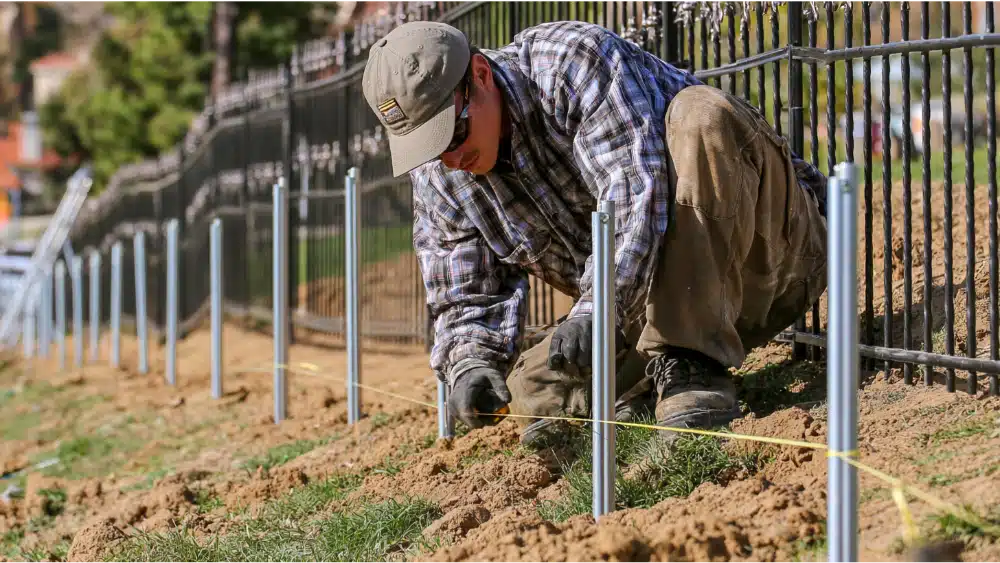
Before installation begins, installers measure the slope carefully. They use a string line, line level, tape measure, stakes, and sometimes laser levels to understand the total drop from one end of the fence line to the other.
Installers Check the Grade Before Setting Posts
The grade tells the installer what the yard is doing. A gentle slope may allow a racked fence. A steep slope may need a stepped fence. Varying slopes may require more than one installation method across the property.
Installers look at grade changes, the downhill side, the high side, and any areas where the ground shifts suddenly. They also check property lines so the fence is placed correctly and cleanly.
This step matters because posts are the backbone of the fence. Fence posts must be placed at the proper depth, set plumb, and spaced correctly before panels are attached. If installers set posts without understanding the slope, the rest of the installation becomes harder.
Why Slope Measurement Matters
Slope measurement affects the look, strength, and long term performance of the fence.
It helps determine whether racking works, whether the stepped method is better, and where gates should go. It also helps the installer reduce bottom gaps and avoid triangular gaps where pets or small children could slip through.
The total drop also affects how many posts may be needed. On steeper grades or steep hills, installers may use more posts, shorter panels, or custom fence sections to keep the fence strong and attractive.
During this process, installers evaluate the entire fence line and compare varying degrees of elevation change. Understanding the natural contour of the property helps determine whether the fence should rack, step, or combine both methods, similar to the broader considerations involved with fences on sloped yards. Careful planning at this stage prevents future issues and helps ensure stability throughout the installation.
A careful measure gives the homeowner peace of mind. It turns uncertainty into a clear step by step plan.
Method 1: Racked Ornamental Fence Installation (Our Preferred Method)
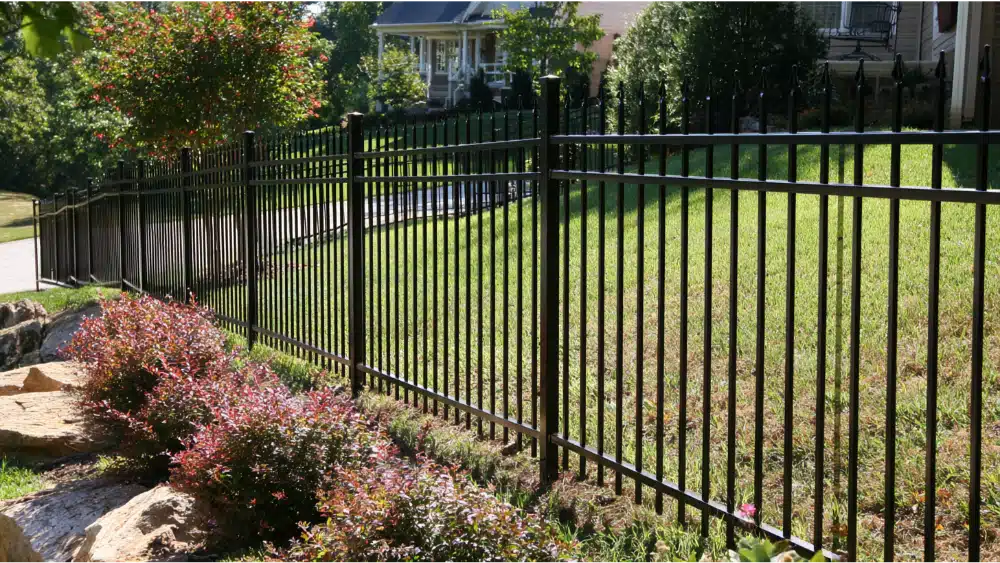
A racked fence is one of the cleanest ways to install a fence on a slope when the yard has a steady angle.
What Is Racking?
Our preferred approach at Fantastic Fence is a rackable panel, a panel engineered so it can be adjusted, or “racked,” to flow smoothly with the grade. Rather than stepping down in flat sections, the whole panel angles to follow the slope, so the top line of the fence flows up or down the hill in one continuous, even run.
We rack these panels right on the jobsite using a come-along and our fencing tools, adjusting each one to match the exact grade of your yard. The result is a fence that hugs the ground the whole way down. This minimizes the gaps underneath and gives the fence a full, 100% professional finish.
The difference is mostly in how it looks. A racked fence flows with the land instead of fighting it, so it attracts less attention and reads as clean, smooth, and intentional — the way a well-built fence should. It’s the finish we’re proud to put our name on.
When Racking Works Best
Racking works best on gentle to moderate slopes. It is often the preferred method when the slope is consistent and the homeowner wants fewer gaps under the fence.
A racked fence can be a great choice for sloped properties where the goal is both beauty and security. Because the panel follows the natural grade, it usually leaves fewer bottom gaps than a stepped fence.
This method can also help the fence match the yard instead of fighting it. The result feels natural, clean, and connected to the landscape.
Benefits of Racked Fencing
A racked fence gives a sloped yard a softer and more natural beauty. The fence follows the natural contour of the ground, which creates a smooth line across the property.
It can also improve security by reducing gaps along the downhill side. For families with dogs, children, or pool areas, fewer gaps can make the yard feel more protected.
The aesthetic appeal is another major benefit. Instead of looking choppy, the fence moves with the slope in one graceful angle.
When installers install fence panels using a racked installation, they adjust the angle of the rails while keeping the fence pickets vertical. This allows the fence to follow sloped terrain more closely and maintain a cleaner appearance near ground level.
Limitations of Racking
Not every fence can rack. Standard panels may only adjust to varying degrees, and some cannot rack at all.
If the slope is too sharp, forcing the panel can bend rails, twist pickets, damage connections, and weaken the fence. That is why an installer must check the panel style before installation.
A racked fence is beautiful when the panel is built for it. When it is not, the stepped method is usually safer.
Method 2: Stepping (Stair-Stepping)
With the stepped method, each fence section stays perfectly level across the top, and the fence climbs or descends the slope one section at a time — like a set of stairs. The top of each panel sits flat, then drops down to the next panel, creating a stair-step pattern as it follows the grade.
This method works, and on steep or dramatic slopes it’s sometimes the right call. The tradeoff is appearance: because each section steps down independently, you get triangular gaps underneath the panels where the level rail meets the sloping ground. Those gaps draw the eye and can leave openings a pet or small animal could slip through.
Benefits of Stepped Fencing
A stepped fence keeps each panel square and level. This helps protect the structure of the fence and makes the installation look intentional.
For an iron fence, this can be especially important. Many iron fence panels are welded and rigid, so stepping helps avoid stress on the rails and pickets.
A stepped fence can also work well when the yard has varying levels. Each section can be placed carefully so the whole fence looks balanced across the property.
A stepped fence often creates fence sections at varying heights along the slope. While this approach can leave visible gaps beneath some panels, it is often the safest installation method for steeper grades where a racked fence is not practical.
What Homeowners Should Know About Bottom Gaps
A stepped fence can create triangular gaps under the panels. These triangular gaps happen because each panel stays level while the ground slopes below it.
On a gentle slope, the gaps may be small. On a steep slope, the gaps can become large gaps, especially on the downhill side of each panel.
That does not mean a stepped fence is wrong. It simply means the installer should talk through the gaps before work begins. In some yards, puppy pickets, adjusted post spacing, custom panels, or light grading can help reduce visible gaps.
How Installers Choose the Right Method
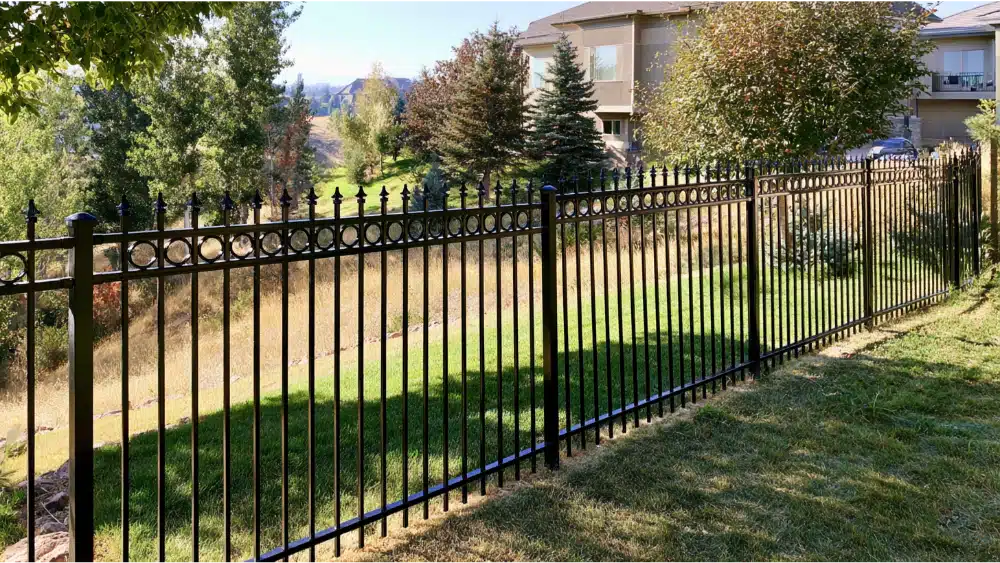
Choosing the right method depends on the slope, panel type, purpose, and gate placement.
The Slope of the Yard
A gentle slope often works well with a racked fence. A steep slope often needs a stepped fence. Varying slopes may require both.
The installer looks at the total drop, the angle of the hill, and the grade changes across the fence line before choosing the installation method.
The Type of Ornamental Fence Panel
Some aluminum panels are built to rack. Some iron fence panels are not. Some standard panels can handle only a small slope, while custom panels may handle more.
The fence must match the yard. When the panel and slope work together, the installation looks clean and lasts longer.
The Purpose of the Fence
A decorative fence has different needs than a privacy fence or pool fence.
If the goal is security, gaps matter more. If the goal is curb appeal, the top line may matter more. If the goal is pet containment, the bottom of the fence needs special attention.
Gate Placement
Gates can be tricky on a fence on a slope. They need room to swing, latch, and clear the ground.
Installers often prefer placing gates in flatter areas. If that is not possible, they may adjust the gate angle, posts, hinges, or surrounding fence sections.
What a Professional Installer Does Differently
Most DIY projects get difficult when the yard is not level. A professional installer knows how to install on sloped ground without making the fence look forced.
Sets Every Post Plumb
Posts should stand straight up and down, even on a slope. This helps the panels connect properly and keeps the pickets straight.
The installer must set posts at the proper depth and ensure stability before attaching panels.
Follows Manufacturer Limits
Every fence system has limits. A panel may rack a little, rack a lot, or not rack at all.
A professional respects those limits. That protects the fence, the finish, and the long term performance of the installation.
Adjusts for Real Yard Conditions
Real yards have roots, drainage, old concrete, soft soil, retaining walls, and grade changes.
A good installer adjusts the plan to fit the property. They install rails, attach panels, and set posts in a way that works with the yard as it truly is.
Keeps the Finished Fence Looking Intentional
The finished fence should not look like a compromise. It should look planned.
Whether it is a racked fence, stepped fence, or level-top design, the final result should feel strong, clean, and made for the property.
Professional installers understand how fence posts, rails, and panels work together. They install rails carefully, verify post spacing, and ensure stability before attaching panels. This attention to detail helps protect the structural integrity of the fence and keeps the installation looking clean for years.
Common Mistakes With Ornamental Fences on Slopes
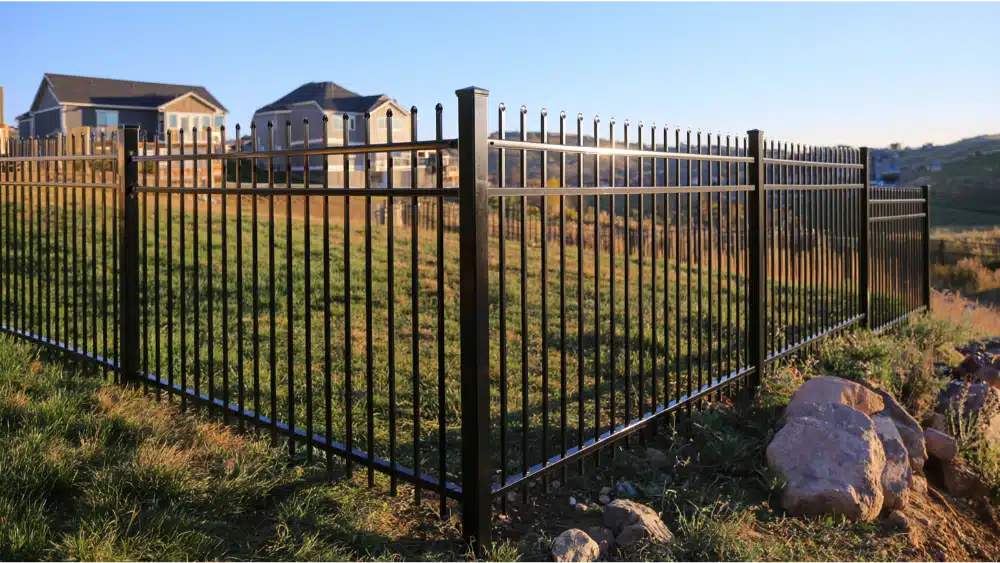
A sloped fence can go wrong when planning is rushed.
Forcing a Non-Rackable Panel
If panels are not made to rack, forcing them can damage rails, pickets, and connections.
Setting Posts Out of Plumb
Leaning posts make the fence look weak and uneven. Even on a hill, posts should be straight.
Ignoring Gate Swing
A gate on a slope needs careful planning. If ignored, it may drag, stick, or leave awkward gaps.
Leaving Large Gaps Without a Plan
A stepped fence may create gaps, but they should not be a surprise. Homeowners deserve to know what the finished fence will look like.
Measuring From the Ground Instead of a Consistent Line
Because ground can be uneven, installers use a string line and level tools to create a dependable guide.
Can Ornamental Fences Be Installed on Steep Slopes?
Yes, an ornamental fence can be installed on a steep slope. The key is choosing the right method.
A racked fence may work if the panels are designed to rack and the slope is within the panel’s limits. A stepped fence is often better for steeper grades, rigid panels, and steep hills.
For a difficult fence on a slope, installers may use shorter panels, adjusted post spacing, custom sections, or more posts. The goal is to match the fence to the property without weakening the structure.
A steep slope does not mean the yard has to feel unfinished. With care, the fence can still look secure, graceful, and complete, even when it serves as part of a safe, code-compliant pool fence.
Is Aluminum or Steel Better for Sloped Yards?
Both aluminum and steel can work on sloped properties, but each has its own strengths. For many homeowners, understanding fence financing options is just as important as choosing the right material.
Aluminum Ornamental Fencing
Aluminum is often a strong choice for a sloped yard because many aluminum panels are designed to rack.
A racked fence made from aluminum can follow moderate slopes smoothly and help reduce gaps along the ground. Aluminum is also low maintenance and clean looking, which makes it a good fit for many homes.
Steel Ornamental Fencing
Steel has a strong, classic feel. An iron fence or steel ornamental fence can add timeless beauty and security to a property.
Because many steel and iron fence panels are rigid, they are often installed as a stepped fence on a slope. When done well, the stepped fence looks formal, sturdy, and carefully crafted.
How Sloped Fence Installation Affects Cost
A fence on a slope may cost more than a fence on a flat yard because it takes more planning, measuring, and adjustment.
The slope may require more posts, shorter panels, custom work, or special gate planning. Steeper grades and changing ground conditions can also add time to the installation.
For California homeowners, especially around Sacramento, most privacy fence installations often fall around $2,500 to $3,500 per side of the house, or about $7,500 to $10,500 for a full backyard. Nationally, a full privacy fence installation often ranges from about $1,800 to $8,000, with many projects averaging around $4,300.
Material also matters. A wood privacy fence often runs about $40 to $60 per linear foot. Vinyl privacy fence options often fall around $50 to $60 per linear foot. Composite panels may run about $70 to $90 per linear foot. Aluminum fence options often fall around $48 to $55 per linear foot.
At Fantastic Fence, we believe homeowners should feel informed, not pressured. Whether you’re comparing fencing prices in the Sacramento area or learning how fencing contractors structure their charges, clear information makes budgeting easier. Costs depend on the yard, slope, material, design, and installation details. We also include old fence removal and disposal at no extra charge, which helps make the project simpler from the start.
What Homeowners Should Ask Before Installing an Ornamental Fence on a Slope
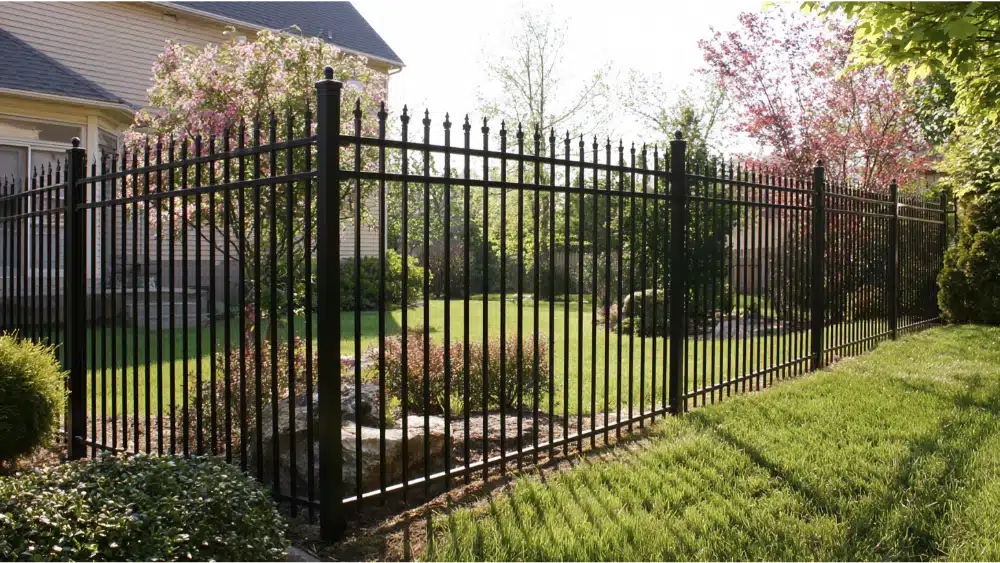
A few thoughtful questions can make the whole project feel clearer and help you apply the same principles you’d use when hiring a fence contractor.
Can This Fence Panel Rack?
Ask whether the panels are designed to rack. If they are, a racked fence may give the yard a smoother look.
Will There Be Gaps Under the Fence?
Ask where gaps may appear and how large they may be. This matters for pets, children, pools, and security.
How Will the Gate Work on This Slope?
Ask how the gate will swing, latch, and clear the ground.
Will the Finished Top Line Be Smooth or Stepped?
This helps you picture whether the finished fence will look like a racked fence, stepped fence, or level-top design.
Are There Custom Options for Tricky Areas?
Ask about custom panels, adjusted post spacing, and solutions for steep slope areas or changing grade.
The Right Installer Makes a Sloped Yard Feel Simple
A sloped yard can feel complicated at first. You may see the hill, the uneven ground, or the changing grade and wonder how any fence could look right there.
But the right installer knows how to read the yard.
They measure carefully. They set posts correctly. They choose the method that fits the slope. They protect the panels, reduce gaps where possible, and make sure the finished fence looks like it belongs.
That is the heart of good craftsmanship.
It turns a difficult fence on a slope into a clean, secure, beautiful boundary. It takes a yard that felt uncertain and gives it shape, strength, and pride.
Whether you choose a racked fence, stepped fence, privacy fence, iron fence, or ornamental design, the right solution should match your yard, your goals, and the unique challenges of sloped ground. A properly planned sloped fence can enhance security, improve curb appeal, and complement the natural beauty of the landscape.
Your yard does not need to be perfectly level to deserve a beautiful fence.
Let’s build something strong together, whether you’re ready to book a free fence estimate or prefer to contact our team directly to discuss your sloped yard.
FAQs About Leveling Ornamental Fences on Slopes
How Do Installers Level Ornamental Fences on Slopes?
Installers measure the slope, check the total drop, set posts plumb, and choose the best installation method. Most projects use a racked fence, stepped fence, or level-top method.
Should an Ornamental Fence Follow the Slope or Stay Level?
It depends on the yard and the goal. A racked fence follows the slope. A stepped fence keeps each panel level. A level-top fence keeps the top line straight.
Can Aluminum Ornamental Fencing Be Racked?
Many aluminum fence panels can rack, which makes them a good choice for a sloped yard. The installer should always confirm the panel limits first.
Can Steel or Iron Fencing Be Installed on a Hill?
Yes. Steel and iron fence styles can be installed on a hill, but many rigid panels work best as a stepped fence.
Will There Be Gaps Under a Stepped Fence?
Yes, a stepped fence can create triangular gaps under the panels. The size depends on the slope, post spacing, and panel layout.
Can a Gate Be Installed on a Slope?
Yes, but it needs careful planning. A gate on a slope may need adjusted posts, hinges, swing direction, or placement.
What Is the Best Ornamental Fence for a Sloped Yard?
For many homeowners, a rackable aluminum fence is a strong choice. For a steep slope or rigid panels, a stepped fence may be better.
Does Installing a Fence on a Slope Cost More?
It can. A fence on a slope may need extra layout work, more posts, custom sections, or careful gate planning. A clear estimate helps you plan with confidence.
Conclusion
Leveling ornamental fences on slopes requires careful measurement, thoughtful planning, and skilled installation. Whether choosing the racked method to follow gentle slopes, the stepped method for steeper grades, or a level-top approach for a clean aesthetic, the key is matching the fence style to the terrain and panel capabilities. Professional installers ensure posts are set plumb and at proper depths, panels are installed without forcing or damage, and gates function smoothly on uneven ground. With the right approach, an ornamental fence on a slope can enhance your property’s beauty, security, and value—turning challenging terrain into an elegant, durable boundary that complements your landscape.