A Homeowner’s Guide to a Gate That Closes Right Again
A sagging gate can turn a simple part of your day into a daily frustration. It scrapes the ground, misses the latch, swings the wrong way, or needs a little lift just to close. What should feel smooth and secure starts to feel worn out, stubborn, and unreliable.
Many homeowners ask, how do contractors fix sagging gate hinges in a way that lasts? The honest answer is that a good contractor does not only look at the hinges. They look at the whole system. The post, frame, latch, hinge screws, ground clearance, and gate side all matter. When one part loses stability, the sag usually shows up at the latch side or near the bottom hinge.
A sagging gate may need a simple tighten, or it may need deeper repair. Sometimes the hardware is loose. Sometimes the post is no longer plumb. Sometimes the frame has shifted out of square. Sometimes the original installation was installed incorrectly, and the gate has been fighting gravity from the beginning. Many homeowners benefit from a broader troubleshooting guide for fixing common gate issues when they want to understand all the potential causes.
At Fantastic Fence, we know this problem is about more than a gate. It is about feeling confident that your yard is secure, your pets are safe, and your fence still looks cared for. Let’s walk through what contractors look for, how they fix the issue, and when a sagging gate needs more than a quick adjustment.
Why Fence Gates Start Sagging in the First Place
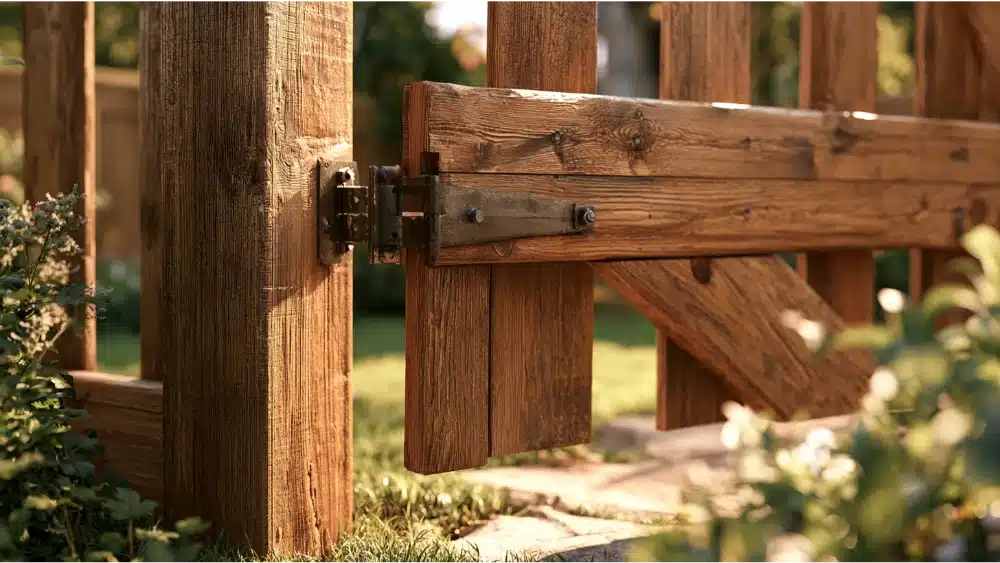
A fence gate works harder than most parts of a fence. The rest of the fence stays still, but the opening moves again and again. Over time, weight, weather, force, rust, corrosion, and everyday use can create sag. Once the gate sags, the latch may stop catching, the bottom corner may rub the ground, and the whole structure can feel loose.
The Hinges May Be Loose, Worn, or Too Small
Gate hinges carry the weight of the opening every time it swings. If the hinges are too small, bent, rusty, or loose, they cannot support the load for long. Screws can back out. Holes can widen. Hardware can bend slightly under pressure. When the hinges are not fully tightened or no longer holding firm, the sag can get worse quickly.
A contractor will test the hinges, tighten the screws, check the screw holes, and see whether the material around the hardware is still solid. If the wood is soft or split, new screws alone may not fix the problem. The contractor may need to drill new pilot holes, attach stronger fasteners, or replace the hinge with better hardware.
The Gate May Be Too Heavy for Its Frame
Wood gates are beautiful, warm, and classic, but they carry real weight. A large privacy opening can be too heavy for light hardware or a weak frame. When the latch side drops, the gate sags lower with every season.
A heavy opening may need stronger hinges, better support, or a redesigned frame. Contractors look at the size, material, and daily use before deciding on the correct fix. The goal is not just to lift the corner today, it is to keep it properly aligned tomorrow.
The Gate Frame May Be Out of Square
A gate frame should stay square, with tight corners and even spacing. When the frame shifts, the latch side drops and the opening starts to look crooked. You may see a wider gap near the top hinge, a dragging bottom corner, or a latch that no longer lines up.
Once the frame is out of square, moving the latch is only a temporary fix. The frame needs to be corrected, reinforced, and tested so the gate can close properly again. A contractor may use a brace, a diagonal brace, or an anti-sag kit depending on the condition of the wood and the amount of sag.
The Gate Post May Be Leaning, Rotten, or Loose
The gate post is one of the most important parts of the entire fence gate. If the post leans, moves, cracks, or rots, the hinges lose their support. A sagging gate connected to a weak post will keep dropping even after the hardware is tightened.
A contractor checks whether the post is straight and plumb. If the post shifts when the opening moves, the fix may require resetting, reinforcing, or replacing the post. Strong hinges cannot do their job without strong support behind them.
How Contractors Diagnose a Sagging Gate
Before a contractor starts replacing parts, they diagnose the cause. This process protects the homeowner from paying for the wrong repair. A sagging gate may look simple, but the real issue can hide in the post, frame, latch, hinges, or ground clearance.
Step One: Check the Gate Post
The contractor checks whether the post is plumb, solid, and secure in the concrete or soil. If the post leans toward the wrong direction or moves when pushed, the opening will not stay aligned. A post that has lost stability can make the gate sag problem return again and again.
The contractor may also look for rot, cracks, loose concrete, poor installation depth, or soil movement. If the post is the weak point, the correct repair starts there. A strong post gives the entire gate structure the support it needs.
Step Two: Inspect the Hinges and Fasteners
Next, the contractor studies the hinges and screws. They look for rust, corrosion, loose hardware, stripped holes, worn pins, and plates that no longer sit flat. They may loosen a hinge to inspect it, then tighten it back into position during the test.
The top hinge and bottom hinge are both important. If the top hinge pulls away, the latch side can drop. If the bottom hinge is bent or loose, the bottom hinge side can shift and drag. Both hinges must be strong, straight, and fully tightened.
Step Three: Look at the Shape of the Gate
A contractor checks whether the frame is still square. They may measure corner to corner, test the swing range, and look at the angle of the opening. If the gate side has dropped, the frame may need a brace or a full rebuild.
This is where many quick repairs fail. If the structure is twisted, replacing hinges may not be enough. The sag must be corrected at the source.
Step Four: Check the Latch Alignment
The latch tells a clear story. When a sagging gate drops, the latch often misses the catch or hits too low. You may have to lift the opening, push it hard, or pull it into place just to get it locked.
A contractor adjusts the latch only after the opening is properly aligned. If the latch is moved before the sag is fixed, it can hide the issue for a short time, but the problem usually comes back.
Step Five: Check Ground Clearance
A contractor also checks the ground. Dirt, concrete, pavers, grass, and slope can all affect closing. Sometimes the gate sags. Sometimes the ground has shifted. Sometimes the installation left too little clearance from the start.
The contractor will test the full swing range and make sure the opening does not scrape, bind, or stop halfway. A good fix should feel smooth from open to closed.
How Contractors Fix Sagging Gate Hinges
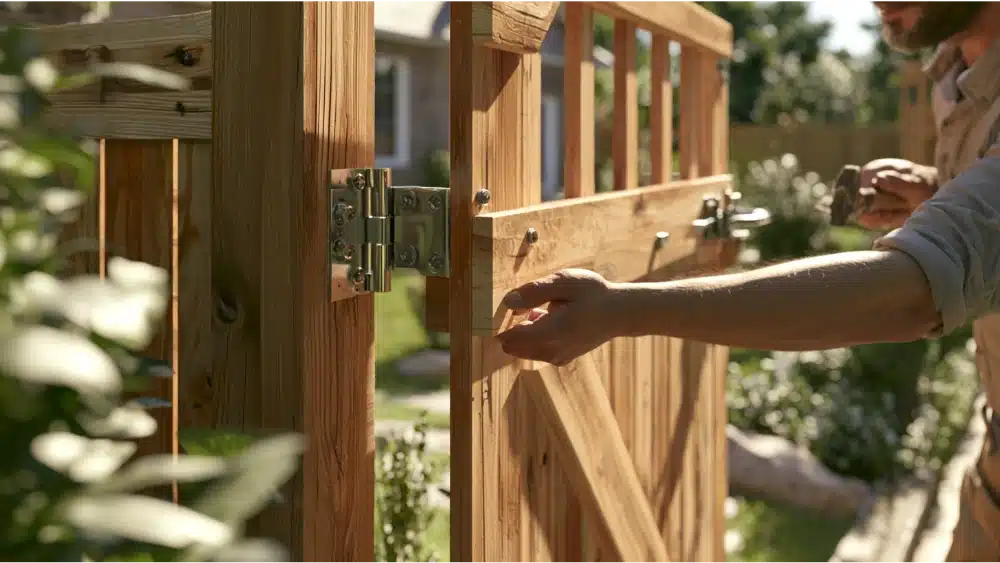
Once the cause is clear, the contractor chooses the right repair. Some fixes are simple. Others require stronger hardware, a brace, a shim, or post work. The best solution depends on why the gate sags in the first place.
Tightening or Replacing Loose Screws and Bolts
For minor sag, the contractor may tighten loose screws or bolts first. If the hardware is still strong and the wood is solid, this can help lift the opening back into better position.
If the holes are stripped, the contractor may drill new pilot holes, use longer screws, or attach the hinge into stronger material. This simple fix works best when the post is sound and the frame is not twisted.
Replacing Worn or Rusted Hinges
If the hinges are worn, bent, rusted, or too light, replacing them may be the right fix. A contractor removes the old hardware, checks the mounting area, and installs stronger gate hinges that match the weight and use of the opening.
The replacement hardware must be installed at the correct angle and position. If it is installed incorrectly, the sag can return or the opening may swing the wrong way.
Installing Heavy-Duty or Adjustable Gate Hinges
Heavy-duty or adjustable gate hinges are often helpful for a wide or heavy fence gate. These hinges allow the contractor to adjust the alignment more carefully after installation.
Adjustable hinges can lift or shift the opening slightly, which helps the latch line up and improves closing. They are especially useful when the opening needs fine tuning but the post and frame are still in good condition.
Shimming the Hinges for Better Alignment
A shim is a thin piece of material placed behind a hinge to change the angle. Contractors may use a shim behind the top hinge to lift the latch side slightly. They may also use a shim near the bottom hinge if the lower gap needs correction.
Shimming takes patience. Too much shim can create a wrong angle, make the opening bind, or push the gate in the wrong direction. The contractor adds a shim, checks alignment, tests closing, then adjusts again until the opening moves cleanly. A small shim can make a big difference when the rest of the structure is sound.
Rehanging the Gate
Sometimes the best fix is to remove and rehang the opening. This allows the contractor to reset the position, correct the hinge side, improve clearance, and attach the hardware into stronger material.
Rehanging is common when the original installation was poor, when the hardware was placed in the wrong position, or when repeated adjustments no longer hold. Once rehung, the opening should be properly aligned, easy to close, and secure at the latch.
Realigning or Replacing the Latch
After the sag is fixed, the contractor adjusts the latch. The latch should meet the catch without force. You should not have to lift, push, or slam the opening to get it locked.
If the latch is worn or bent, replacement may be needed. If it is still good, it may only need a small adjustment. A dependable latch is especially important for pets, children, side yards, and pool areas.
What If the Hinges Are Not the Real Problem?
Sometimes the hinges are only where the trouble shows up. A sagging gate can be caused by a weak frame, poor brace support, loose post, or a design that was never strong enough for the weight.
When the Gate Frame Needs Bracing
When the frame has racked out of square, contractors may use a brace to restore support. A brace helps the structure hold its shape and reduces the pull on the hinges.
Diagonal Bracing
A diagonal brace is one of the most common ways to correct sag in a wood opening. It runs from one corner to the opposite corner and transfers weight back toward the hinge side. A properly installed diagonal brace can lift the latch side and help prevent future movement.
Corner Brackets
Corner brackets can reinforce weak joints where the frame has started to separate. These brackets help hold the corners square and give the structure more stability. When a corner opens up, the whole gate can lose its shape, so reinforcing that area can be an important part of the repair.
Anti-Sag Cable and Turnbuckle Kits
An anti-sag kit uses a wire cable and tension to pull the frame back toward square. The contractor installs brackets at opposite corners, runs the cable between them, and tightens the turnbuckle slowly.
An anti-sag kit can work well when the frame is the problem, but it is not magic. If the post is rotten or the wood is failing, the cable may not create a lasting repair. The tension must be adjusted carefully because too much force can bend the frame or pull the corner out of position.
A properly installed anti-sag kit should help the gate feel more balanced without overloading the frame. The wire and cable need to be secure, but not overtightened. The contractor will test the movement after each adjustment so the gate closes cleanly.
When the Gate Post Needs Repair or Replacement
If the post is leaning, loose, or rotten, it may need repair or replacement. This is more involved than replacing hinges, but it often provides the lasting fix homeowners are hoping for, similar to how leaning fence problems are diagnosed and corrected.
A contractor may remove the opening, dig out the old post, set a new one in concrete, test for plumb, and reinstall the hardware after the post is ready. Once the support is solid, the sagging gate has a better chance of staying aligned.
When the Gate Should Be Rebuilt
There are times when repair is no longer the best value. If the wood is soft, the frame is badly twisted, the corners are separating, or the gate sags again after several repairs, replacement may be the wiser choice.
A rebuilt opening gives the contractor a fresh start. They can build the frame square, install the correct brace, choose proper hinges, and set the latch in the right position from the beginning.
When a Steel-Framed Gate Is the Better Long-Term Fix
For heavy daily use, a welded steel-framed gate can be a strong long-term solution. It can still carry the look of wood, but the hidden structure helps control sag and keeps the frame from twisting.
This is a good option for wide privacy openings, side yards, and places where the gate opens many times a day. Instead of fighting the same sag every year, the homeowner gets stronger support and smoother closing.
DIY Fix vs. Hiring a Contractor
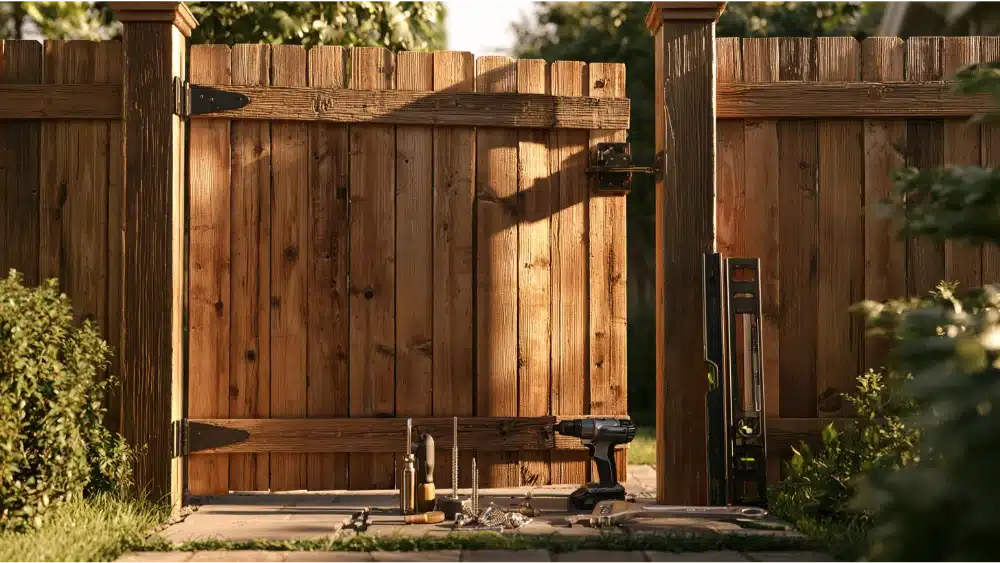
Some small issues are safe for a handy homeowner to try. Other problems call for a contractor, especially when the opening is heavy, the post moves, or the latch no longer catches, and it helps to know what to look for when hiring a fence contractor.
When a Homeowner May Be Able to Fix It
You may be able to tighten loose screws, clear debris from the ground, lubricate hinges, or make a small latch adjustment. If the opening is light, the post is straight, and the sag is minor, these steps may help.
A simple DIY repair can work when the hardware is still sound and the frame has not shifted. But if the fix does not last, the real problem is probably deeper.
When It Is Better to Call a Fence Contractor
Call a contractor when the sagging gate is heavy, dragging badly, missing the latch, or leaning from the hinge side. It is also smart to call when the post moves, the wood is cracked, the hinges keep coming loose, or an anti-sag kit did not solve the problem, and you can contact Fantastic Fence to schedule service if you want professional help.
A contractor can test the full system and recommend the correct repair. That saves time, protects the fence, and helps keep the yard secure, especially when you work with a full-service fence repair and installation company.
Why Professional Repair Can Save Trouble Later
A professional repair is not just about getting the gate closed today. It is about keeping it working through daily use, weather, and time.
The right fix can restore alignment, strengthen support, improve closing, and help the latch stay locked. Instead of lifting and forcing the opening every day, you get something that feels smooth, dependable, and cared for.
How Much Does It Cost to Fix a Sagging Gate?
The cost depends on the cause of the sag. A small tighten or latch adjustment costs less than replacing a post, rebuilding a frame, or installing heavy-duty hinges, and a professional fence company that repairs and replaces gates can outline options at different price points.
Simple Gate Repairs
Simple repairs may include tightening screws, adjusting hardware, adding a shim, lubricating hinges, or correcting a small latch issue. These repairs are usually best when the post, frame, and material are still solid.
More Involved Gate Repairs
More involved work may include replacing hinges, using multiple shim adjustments, adding a diagonal brace, installing an anti-sag kit, or rehanging the opening. These repairs take more care because the contractor must correct the sag and test the result.
Larger Repairs or Replacement
Larger projects may include post replacement, frame rebuilding, new wood material, or a steel-framed design. These options cost more, but they may be the better choice when the old structure can no longer hold.
What Affects the Price?
Price can depend on the size, material, hardware, post condition, ground conditions, concrete work, and installation needs. The most important thing is getting a clear inspection before deciding. A sagging gate can be a small issue, or it can be a sign that the support system needs attention. If you are unsure, scheduling a free fence repair and installation estimate can clarify the options and likely costs.
Why Sagging Gates Come Back After a Quick Fix
A quick fix may help for a few days or weeks, but if the cause is not corrected, the sag returns. That is why contractors look beyond the obvious hardware.
The Wrong Hardware Was Used
Light hinges, short screws, and weak hardware can fail under too much weight. If the wrong hardware was used, the opening may look better at first, then drop again.
The Post Was Never Fixed
If the post is leaning or loose, the hinges cannot hold alignment for long. The opening will follow the post, and the sag will return no matter how often someone tries to tighten it.
The Gate Was Not Properly Braced
Without a good brace, the frame can rack again. The latch side drops, the corner shifts, and the opening starts rubbing the ground.
The Gate Is Too Heavy for Its Design
Some openings are simply too heavy for the way they were built. When that happens, the correct fix may be stronger hinges, better bracing, or a new frame designed to handle the weight.
Safety Considerations for Sagging Gates
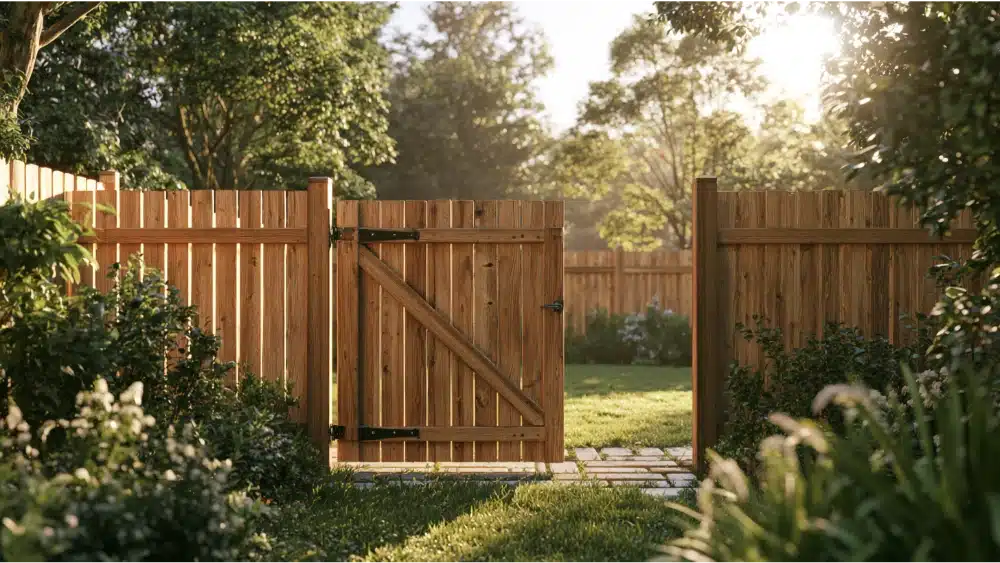
A sagging gate is annoying, but it can also affect safety. When an opening will not close properly, the yard may not be as protected as it should be.
A Gate That Will Not Latch Can Leave Your Yard Unprotected
A latch that misses or slips open can leave room for pets to get out, children to pass through, or unwanted access to the yard. A secure latch should catch without force and stay locked after closing.
Pool Gates Need Extra Attention
Pool access openings need dependable closing and latching. If a sagging gate blocks the latch or keeps the opening from closing, it should be repaired right away. Around water, small alignment problems matter, and owners with powered entries may also need automatic gate repair services to keep everything operating safely.
Heavy Gates Can Become Hard to Control
For homes with powered systems, a heavy or misaligned opening can also create operational problems, and knowing quick checks for an automatic gate that stopped working can help you spot issues early.
A heavy opening that drags or swings poorly can be difficult for children, older adults, or anyone carrying items through the yard. Repair helps protect the people using it and reduces stress on the fence.
How Fantastic Fence Helps Restore a Sagging Gate
At Fantastic Fence, we understand how frustrating it is to fight with the same opening every day. You should be able to walk through your yard, close it behind you, and trust that everything feels secure.
We Look at the Whole Gate System
We check the hinges, screws, post, frame, latch, brace, ground clearance, and swing. We look for the cause of the sag, not just the symptom.
We Explain the Real Cause Clearly
You deserve plain answers. If the hinges are the problem, we will say so. If the post, frame, or installation is the bigger issue, we will explain why and help you understand your options.
We Recommend a Repair Built to Last
Your repair may need a tighten, shim, replacement hinge, diagonal brace, anti-sag kit, post work, or a rebuilt opening. We recommend what fits the condition of your fence and the way your family uses the yard.
We Help Your Yard Feel Secure and Beautiful Again
From dragging and unreliable to smooth and secure, the right repair can change how your whole yard feels. A well-working opening brings back comfort, curb appeal, and confidence.
Frequently Asked Questions About Sagging Gate Hinges
Can sagging gate hinges be fixed without replacing the whole gate?
Yes. If the sag is minor and the post and frame are still solid, a contractor may fix it by tightening screws, replacing hinges, adding a shim, or adjusting the latch. If the wood is rotten or the structure is twisted, replacement may be better.
Why does my gate still sag after I tightened the hinges?
If the gate still drops after the hinges are tightened, the post may be leaning, the holes may be stripped, or the frame may be out of square. The visible problem is at the hinges, but the cause may be somewhere else.
What kind of hinges are best for a heavy fence gate?
A heavy fence gate usually needs heavy-duty or adjustable hinges. The right choice depends on size, material, weight, and daily use. Stronger hardware helps support the opening and keeps alignment more stable.
Can an anti sag kit fix the problem?
An anti-sag kit can help when the frame has shifted out of square. It uses cable tension to pull the frame back into position. It will not fix a rotten post, broken wood, or a weak structure by itself.
Should a sagging gate post be replaced?
A post may need replacement if it is loose, leaning, cracked, rotten, or no longer holding hardware securely. If the post is the cause, replacing hinges alone will not stop the sag.
How do I know if my gate needs repair or replacement?
Repair may work if the material is solid and the issue is mainly hardware or alignment. Replacement may be better if the frame is twisted, the wood is soft, or the same sag keeps coming back after repairs.
Is a sagging gate a safety issue?
It can be. If the opening will not latch, your yard may not be secure for pets, children, pool areas, or everyday privacy. A dependable latch and smooth closing are important parts of a safe fence.
How long does it take to fix a sagging gate?
Simple adjustments may be quick, while post work, bracing, or rebuilding takes more time. The timeline depends on what is causing the sag and how much support the opening needs.
Can Fantastic Fence repair just the gate, or does the whole fence need work?
In many cases, we can repair just the problem area. If nearby posts or fence sections also need attention, we will explain that clearly so you can choose the right repair for your home.
Final Thoughts: Your Gate Should Work Without a Fight
Contractors fix a sagging gate by finding the real cause first. Sometimes they tighten screws, replace hinges, adjust the latch, or add a shim. Other times they correct the frame, add a brace, install an anti-sag kit, or replace a weak post.
The best fix is the one that lasts. Your fence should feel strong, your latch should catch, and your opening should move without a fight. If yours is dragging, sticking, or refusing to close, Fantastic Fence would be happy to take a look. Let’s make your yard feel right again.