What Homeowners Need to Know Before Building
A new fence can completely transform your yard. It brings privacy, security, and peace of mind to the outdoor space where families relax, children play, and neighbors gather. Many homeowners picture a tall privacy fence around the backyard, but before construction begins it is important to understand privacy fence height regulations by city. Every city writes its own zoning rules that determine how tall a fence can be, where it can be located, and whether a permit or building permit is required. These fence height rules are designed to protect safety, maintain curb appeal across the community, and ensure fences along streets and sidewalks do not block sightlines for drivers or pedestrians. For most homeowners the good news is that backyard fences are widely allowed, and a typical privacy fence height of six feet tall fits comfortably within most local regulations. The details can still vary depending on property lines, corner lots, and specific residential districts. Understanding the fence height limits before building your new fence helps avoid costly changes later and ensures your project stays in full compliance. In this guide we walk through the most common fence height regulations, explain how height is measured from the finished grade, and review how different cities handle backyard fences, front yard fences, permits, and taller fences.
Why Cities Regulate Fence Height
City governments establish fence height regulations for practical reasons. These rules protect public safety, preserve neighborhood character, and help ensure fences along streets and sidewalks do not interfere with traffic visibility. When homeowners understand the purpose behind the regulations, planning a privacy fence becomes much easier.
Safety and Visibility Requirements
One of the most important reasons for fence height limits is safety. Tall fences near a street corner, driveway, or sidewalk can block sightlines for drivers and pedestrians. Cities often require lower fences in areas where vehicles exit driveways or where two streets intersect. These visibility zones are sometimes called clear sightline areas. Within these areas the maximum fence height may be limited to a shorter height, sometimes measured in inches rather than feet. By keeping fences shorter in those locations, the city helps prevent accidents and protects pedestrians using nearby sidewalks.
Neighborhood Appearance and Curb Appeal
Cities also care about curb appeal across residential areas. If every home installed very tall walls along the front yard, neighborhoods could begin to feel closed off. To protect the visual appeal of the community, most zoning regulations limit front yard fences to a shorter height while allowing taller fences in the backyard. This balance keeps streets open and welcoming while still giving homeowners the privacy they want in their yard.
Property Line Considerations
Fence placement often involves shared property lines between neighbors. Cities create regulations that help avoid disputes and keep fences properly located. When building a fence along property lines it is critical to verify the exact location and distance from sidewalks, alleys, or other features. Clear guidelines also help homeowners understand how fences interact with retaining walls, utility access points, and other property features.
The Most Common Fence Height Rules Across Cities
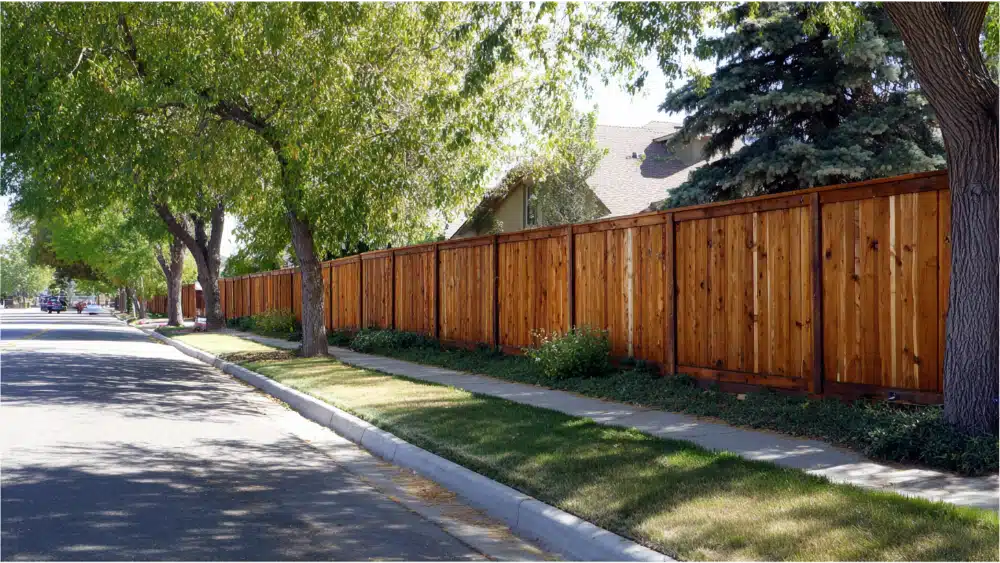
Although regulations vary, most cities follow similar patterns when determining fence height limits. These patterns help homeowners understand what is typically allowed before diving into specific local regulations.
Backyard and Interior Side Yard Fences
Backyard fences are where privacy fences are most common. In most residential areas a privacy fence in the backyard is allowed up to six feet tall. Some cities allow taller fences that reach seven feet or even eight feet depending on the zoning district and the location of the property. These taller fences are sometimes permitted when the property borders a commercial district, park, or alley. Because of these common standards, a six foot privacy fence has become the most widely installed option. It provides privacy while staying within most fence height regulations.
Front Yard Fence Limits
Front yard fences are typically shorter because they face the street. Many cities limit front yard fence height to three feet or four feet. Some cities allow slightly taller fences if they use open fence materials that maintain visibility. For example, decorative metal fences or designs with open slats may be allowed to exceed the standard limit while still maintaining clear sightlines. These rules help maintain safety along sidewalks and preserve the open feel of the neighborhood.
Street Side Yard Fences on Corner Lots
Corner lots often face additional restrictions. A home on a corner property borders two streets, which means a tall fence could block visibility in multiple directions. In these cases fence height may be limited to around three feet near the corner of the property. As the fence moves farther from the intersection it may be allowed to increase to six feet or more. The exact setback distance and height limit varies by city zoning code, but the goal is always the same, maintaining clear sightlines for drivers and pedestrians.
Privacy Fence Height Rules by Major Sacramento Area Cities
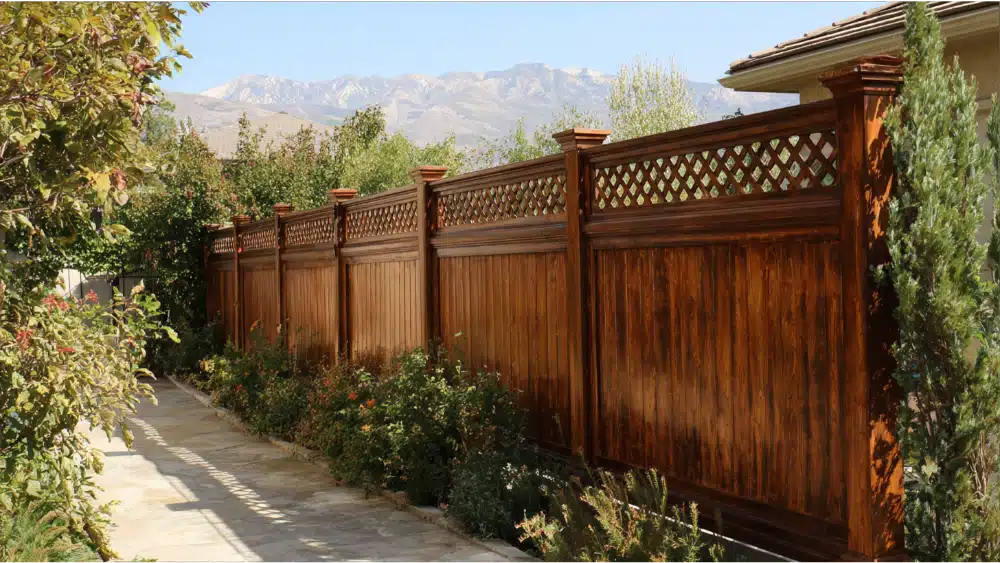
Fence height regulations are determined by each city zoning code. While the general guidelines remain similar across the region, the details can vary. The following overview highlights common patterns homeowners encounter when researching privacy fence height regulations by city.
Sacramento Fence Height Regulations
In the city of Sacramento residential fence height rules follow a clear structure. In most neighborhoods a front yard fence is limited to about four feet tall. Backyard fences and fences along interior property lines are typically allowed up to six feet tall. In certain locations where the property borders parks, alleys, or commercial sites, taller fences up to eight feet may be allowed. These fence height limits help maintain neighborhood curb appeal while still allowing homeowners to install privacy fences in their backyard.
Special Sacramento Fence Rules
Some fence materials may be allowed at slightly greater heights in the front yard if the design remains open. Decorative iron or tubular steel fences may exceed standard limits because they preserve visibility. Other materials may face restrictions if they block sightlines along the street.
Elk Grove Fence Height Regulations
In Elk Grove the typical privacy fence height for backyard fences is around six feet tall. Front yard fences usually remain limited to about three feet or four feet depending on the zoning district. Decorative open fencing along a street side yard may be allowed to reach six feet if the design maintains visibility. These regulations ensure fences along sidewalks do not interfere with pedestrian safety while still allowing privacy in the backyard.
Roseville Fence Height Regulations
Roseville zoning allows residential fences up to seven feet tall in many backyard locations. However fences located near driveways or within visibility triangles may be limited to about three feet tall. In some cases homeowners can apply for a permit to exceed the typical height limit if the project meets city guidelines and passes a planning review.
Folsom Fence Height Regulations
Folsom regulations typically allow front yard fences to reach about three and a half feet. Backyard fences and side yard fences are generally allowed up to six feet tall. Certain historic districts within the city may require additional design review before construction begins to preserve the character of the neighborhood.
Rancho Cordova Fence Height Regulations
Rancho Cordova allows residential fences up to seven feet tall in many areas. This slightly higher maximum provides flexibility for homeowners seeking additional privacy. As with other cities, the fence height may still be limited in areas near sidewalks, driveways, or intersections.
Citrus Heights Fence Height Regulations
In Citrus Heights a standard fence height of six feet is commonly allowed without additional review. If a homeowner wants a taller fence, a building permit may be required before construction. These permit requirements help ensure the structure meets building safety standards and complies with zoning regulations.
West Sacramento Fence Height Regulations
West Sacramento generally limits front yard fences to about three feet. If the upper portion of the fence remains open, it may be allowed to reach a slightly taller height. Backyard fences and fences along side property lines are often allowed up to seven feet tall depending on the zoning district and property layout.
When You May Need a Permit for a Fence
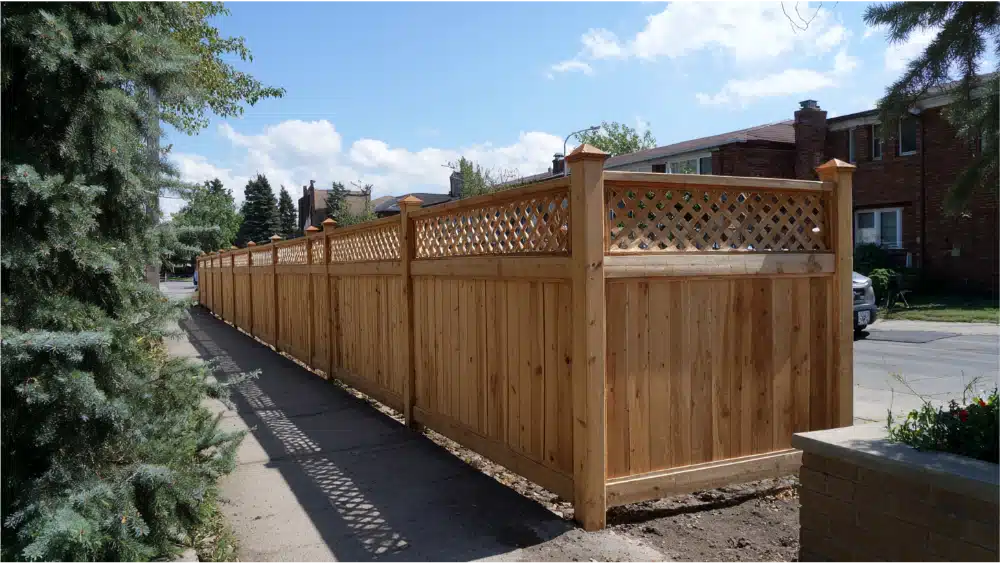
Understanding when a permit or building permit is required is critical before construction begins. Fence permits are common in many cities and help ensure fences comply with safety standards and zoning regulations.
Fences Taller Than Six Feet
Many cities require a building permit when a fence exceeds six feet tall. This permit allows the city building department to review the design and confirm it meets structural requirements. Taller fences create additional wind load and structural stress, which is why a permit and inspection may be required.
Retaining Walls and Fence Combinations
When a fence is built on top of retaining walls, the combined height of the wall and fence may be used to determine compliance. For example a three foot retaining wall with a six foot fence on top may be treated as a nine foot structure. In those cases a permit is usually required and the project may need engineering review. Retaining walls and fences together can significantly change the height measured from the finished grade.
Fences Near Utility Easements
If a fence is located within a utility easement, homeowners may need approval before construction. Utility companies require access to underground infrastructure and may restrict permanent structures in certain locations. Checking the site plan and property lines helps determine whether a permit or special approval is necessary.
HOA Rules and Community Guidelines
Homeowners associations often have their own fence regulations in addition to city rules. HOA rules may limit fence height, fence materials, or fence design. These homeowners associations often require a separate permit or design approval before construction begins. Checking HOA rules early helps avoid delays and ensures the new fence complies with community guidelines.
How Fence Height Is Actually Measured
Fence height measurement can sometimes confuse homeowners. Understanding how height is determined helps ensure compliance with local regulations.
Measurement from Finished Grade
Most cities measure fence height from the finished grade at the base of the fence. Finished grade refers to the final ground level after landscaping or construction is complete. Measuring from this point ensures that the fence height reflects the true visible height of the structure.
Sloped Yard Situations
When a yard slopes, contractors may install fences using stepped sections. Each section follows the slope of the land. This method helps maintain consistent fence height along the property lines while still complying with height limits measured in feet.
Retaining Wall Situations
If the fence is installed on top of retaining walls, height may be measured from the bottom of the wall rather than the base of the fence. This rule ensures the total structure does not exceed the maximum height allowed by zoning regulations.
Choosing the Right Privacy Fence Height
Once homeowners understand fence height regulations and permit requirements, choosing the right privacy fence height becomes much easier.
Six Foot Privacy Fence
A six foot privacy fence remains the most popular choice. This height provides strong privacy while staying within the typical height limits set by most city regulations. Six feet tall fences offer the ideal balance of privacy, security, and curb appeal.
Seven Foot and Taller Privacy Fences
Some homeowners prefer taller fences for additional privacy. Properties located near busy streets, commercial districts, or public parks may benefit from fences that reach seven feet or more. Taller fences help reduce noise and increase security, though they may require a building permit depending on local regulations.
Design Options That Improve Privacy
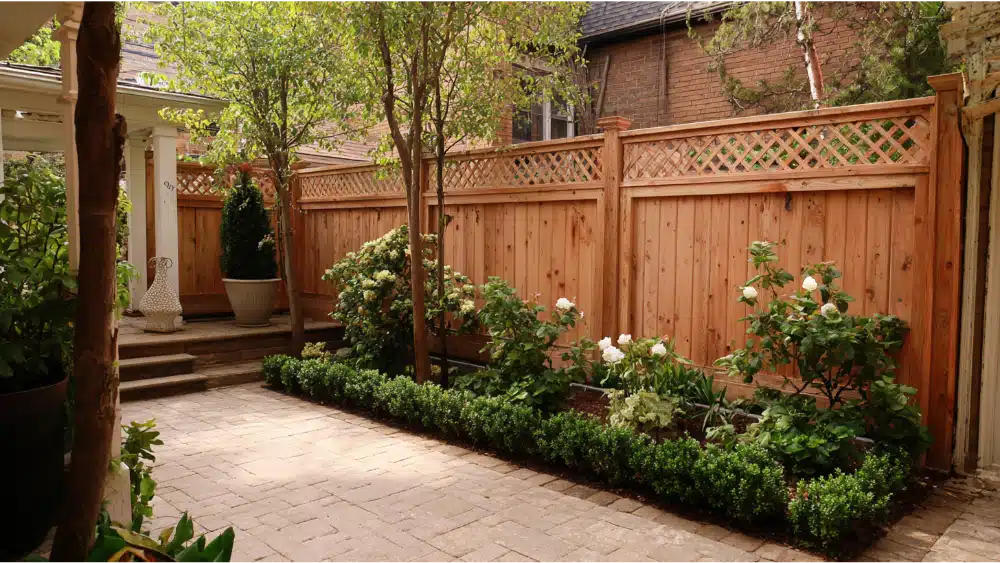
Fence materials and design can increase privacy even without increasing height. Wood privacy fences often use overlapping slats or board on board construction to block visibility. Vinyl and composite fence materials can also provide solid panels that improve privacy. Choosing the right materials and design helps create a peaceful outdoor space while still complying with local fence height limits.
Mistakes Homeowners Make with Fence Height Rules
Many fence projects run into trouble because homeowners misunderstand the regulations that apply to their property.
Assuming Every City Has the Same Rules
Fence height rules vary from one city to another. What is allowed in one location may exceed the height limits in another. Always confirm the local zoning regulations before building.
Ignoring Setback and Distance Requirements
Some cities require fences to be set back a certain distance from sidewalks, streets, or property lines. Ignoring setback requirements can lead to compliance issues and costly corrections.
Overlooking Corner Lot Restrictions
Corner lots often have stricter fence height regulations because of traffic visibility. Fences in these locations are typically shorter near the intersection to preserve sightlines.
Forgetting HOA Requirements
HOA rules and homeowners associations often require design approval before installing a new fence. These community rules may include restrictions on materials, color, or height.
Why Working with a Local Fence Contractor Matters
Fence construction may seem straightforward, but city regulations, permit requirements, and zoning codes can quickly become complicated. Working with an experienced contractor helps homeowners navigate these rules and ensure the project stays in compliance. A knowledgeable team understands how fence height regulations apply to each property, how to measure height from finished grade, and how to determine whether a building permit is required. They also understand how fences interact with retaining walls, property lines, sidewalks, and other site conditions. That expertise turns a confusing process into a smooth experience for homeowners.
Privacy Fence Height FAQs
What is the legal height for a backyard privacy fence
Most cities allow backyard privacy fences between six feet and seven feet tall. The exact limit depends on local zoning regulations and property location.
Can I build an eight foot privacy fence
Some cities allow fences to exceed six feet if the property borders commercial land or certain districts. In many cases a permit or planning review is required before construction.
Why are front yard fences shorter
Front yard fences are typically shorter to maintain safety and visibility along streets and sidewalks. Shorter fences protect sightlines for drivers and pedestrians.
Can neighbors agree to build a taller shared fence
Neighbors can agree on a shared fence along property lines, but the structure must still comply with city regulations and zoning limits.
Do I need a permit for a six foot fence
Many cities allow a six foot fence without a permit, but regulations vary. Contact the local building department to confirm whether a permit is required.
What happens if a fence is built too tall
If a fence exceeds the allowed height, the city may require modifications or removal to restore compliance with zoning regulations.
Final Thoughts, Build with Confidence
A privacy fence should make your yard feel peaceful, secure, and ready for everyday life. When homeowners understand privacy fence height regulations and permit requirements, planning the project becomes much easier. With the right preparation, a new fence transforms the backyard into a private outdoor space that supports family time, relaxation, and security. Every property is different, which is why working with experienced professionals can make the process smoother. Our team helps homeowners understand local regulations, confirm permit requirements, and build fences that meet city standards while enhancing curb appeal. If you are planning a privacy fence project and want clear guidance, contact our team today. We are ready to help you design and build a fence that brings lasting privacy and confidence to your property.